What CTcP plates do on press
CTcP plates are made for computer to plate workflows where clean image transfer and repeatable output matter every day. They are used in offset environments that want dependable plate performance without unnecessary complication, whether you are running a busy trade shop in Johannesburg or sending work out to regional sites in Pretoria, Rustenburg or Nelspruit.
In practical terms, the plate must hold fine detail, take ink consistently and stand up to the handling that comes with busy production. That includes prepress, plate mounting, press startup and wash down. A good plate helps reduce make ready time and keeps colour steadier across the run, especially when the press room is dealing with aircon changes and long shifts. It also makes life easier when plates are changed often for short runs or multiple jobs.
- Suitable for offset print production with CTcP exposure workflows
- Built for clear image transfer and predictable dot reproduction
- Useful for repeat work, short runs and regular plate changes
Sizes, thicknesses and plate options to ask for
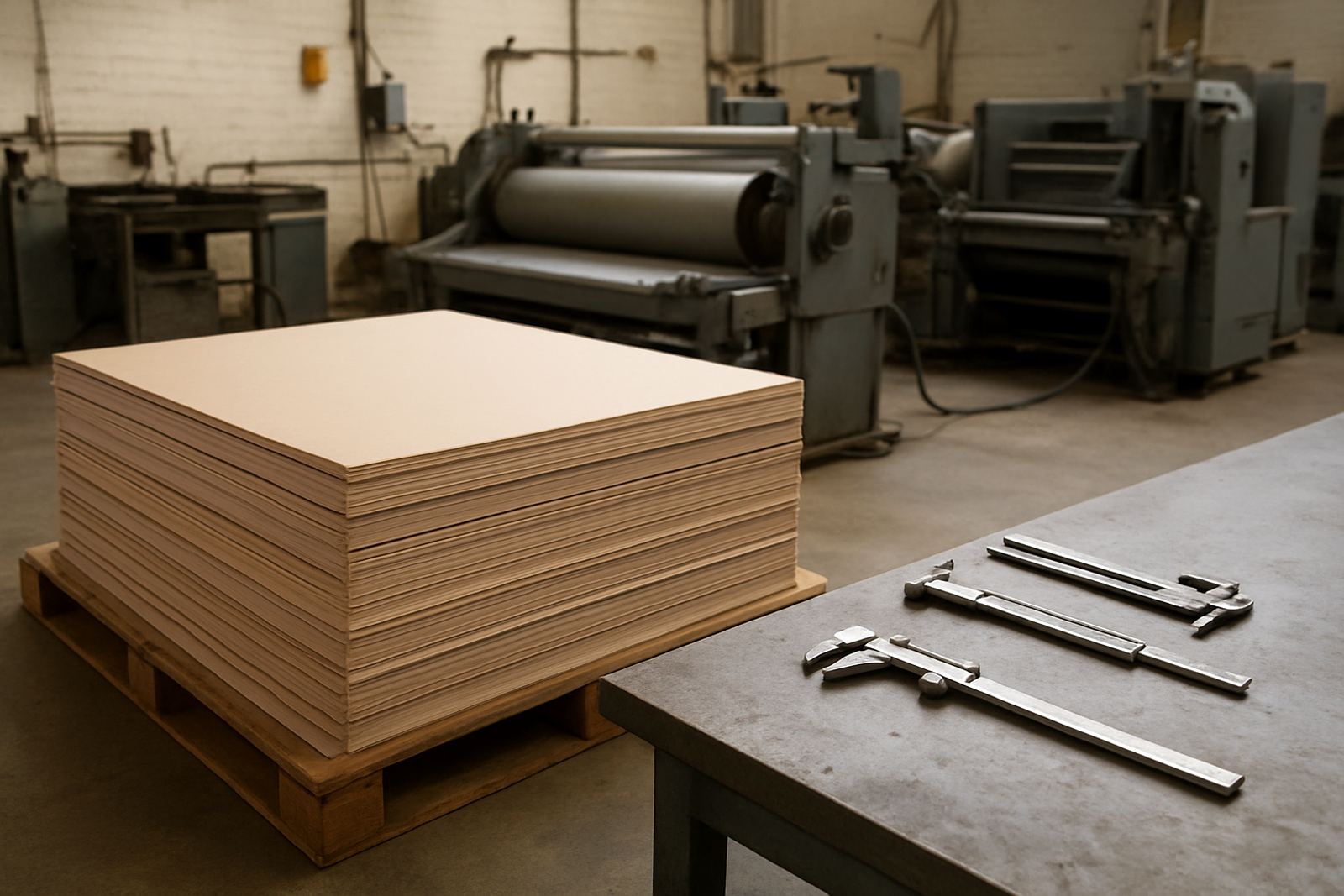
CTcP plates are usually supplied in sheet sizes to suit common press formats and local finishing requirements. When ordering, it helps to match the plate to the press cylinder, plate punch pattern and the way your team handles plates on site. The wrong size can slow the pressroom down and increase waste, so getting the specification right from the start saves time and Rand.
Most buyers will need to confirm plate size, gauge, coating type and whether the plate is intended for thermal or CTcP imaging. Some shops also need options for higher run lengths, faster processing or stronger handling resistance. If your work includes commercial litho, labels, cartons or specialist finishing, the technical requirements can change from one job to the next, so a proper check on the front end is worthwhile.
- Sheet sizes to suit common commercial offset presses
- Thickness options based on press requirements and handling needs
- Plate coating selected for image quality, run length and processing method
- Can be matched to punch patterns and plate bending requirements
Where CTcP plates fit best in South African print rooms
These plates suit print businesses that need a dependable day to day supply for commercial work, packaging, forms, promotional material and short to medium runs. They are especially useful where the pressroom wants consistency across multiple shifts and the technical team wants fewer surprises during startup. In Gauteng, that often means production units in Industria West, Roodepoort, Randburg, Midrand, Germiston and Pretoria looking for practical supply and technical support.
CTcP plates also work well where municipal water quality or humidity can affect production behaviour. Moisture can influence storage and handling, while dust and temperature swings can affect plate condition if stock is left open. If your operation prints for clients with tight turnaround times, the aim is not just good quality but reliable repeatability from one batch to the next.
- Commercial litho print houses
- Packaging and carton producers
- Short run and quick turn jobs
- Multi shift operations needing steady supply
What the plate setter and processor need
CTcP plates themselves do not need a power connection at the press, but the exposure and processing side of the workflow must be correctly set up. Your imaging unit, processor and any associated drying or cleaning equipment should be checked for stable power supply, correct calibration and proper ventilation. If the line is not balanced, even a good plate can give poor results.
Some production rooms use auxiliary systems that may depend on compressed air or controlled gas use in the wider plate process, while others rely on standard electrical supply only. The exact need depends on the plate type, processor and exposure system in use. Before ordering, confirm the plate chemistry, developer settings and any drying or finishing steps so the plate can be processed without unnecessary stop-start issues. Plan for a clean stop as well, because interrupted processing can spoil a batch quickly.
- Check exposure unit compatibility before purchase
- Confirm processor settings, temperature and replenishment rates
- Allow for power backup where plate processing must keep moving
- Review ventilation and drying needs for your setup
Care, storage and servicing in the pressroom
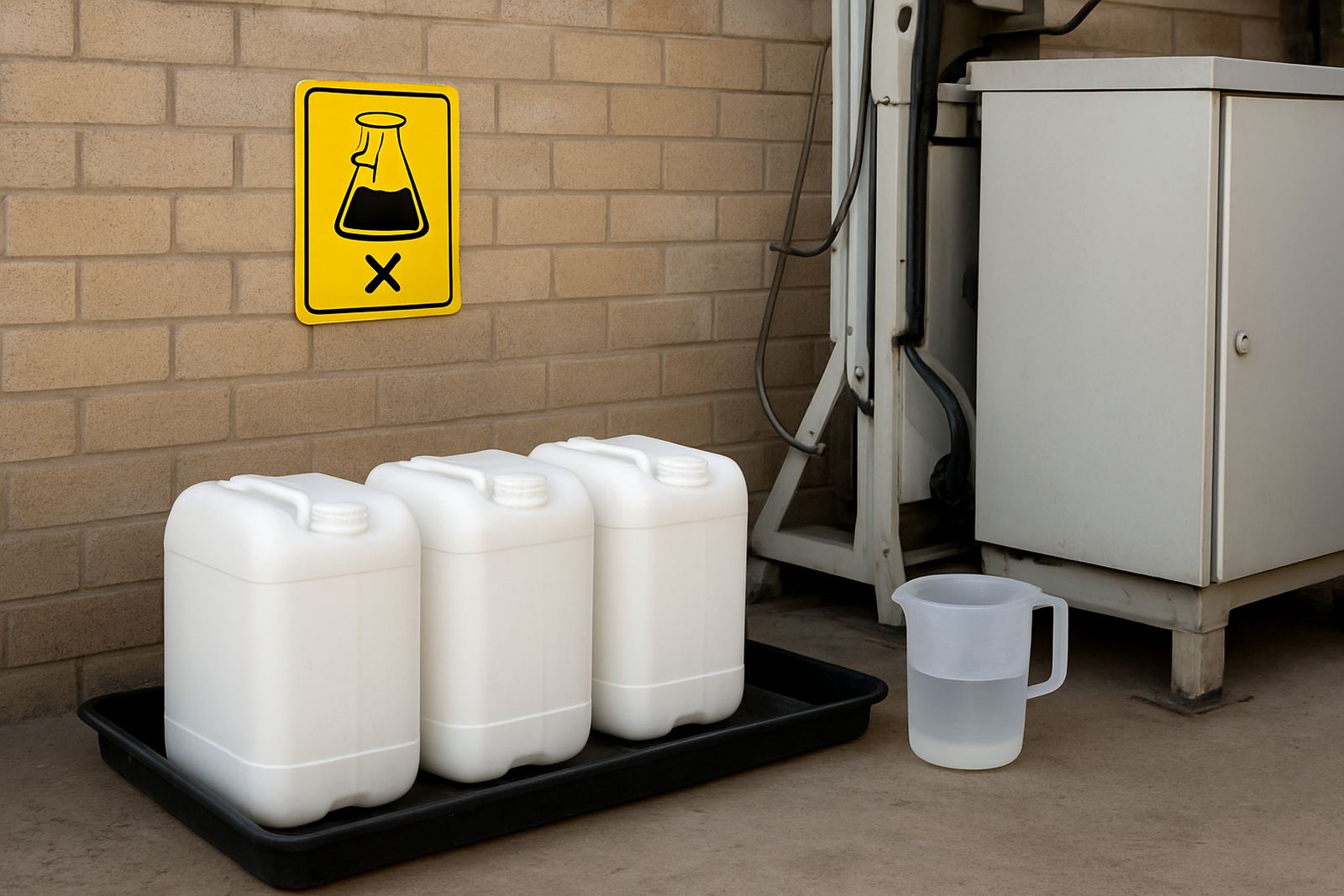
Proper storage matters. Keep plates in a dry area away from direct sunlight, heavy dust and chemical vapours. South African summers can bring heat and moisture, so wrapped stock should be kept sealed until needed. Plates that are bent, marked or exposed to contamination can create plate failure on press and that’s where avoidable downtime starts.
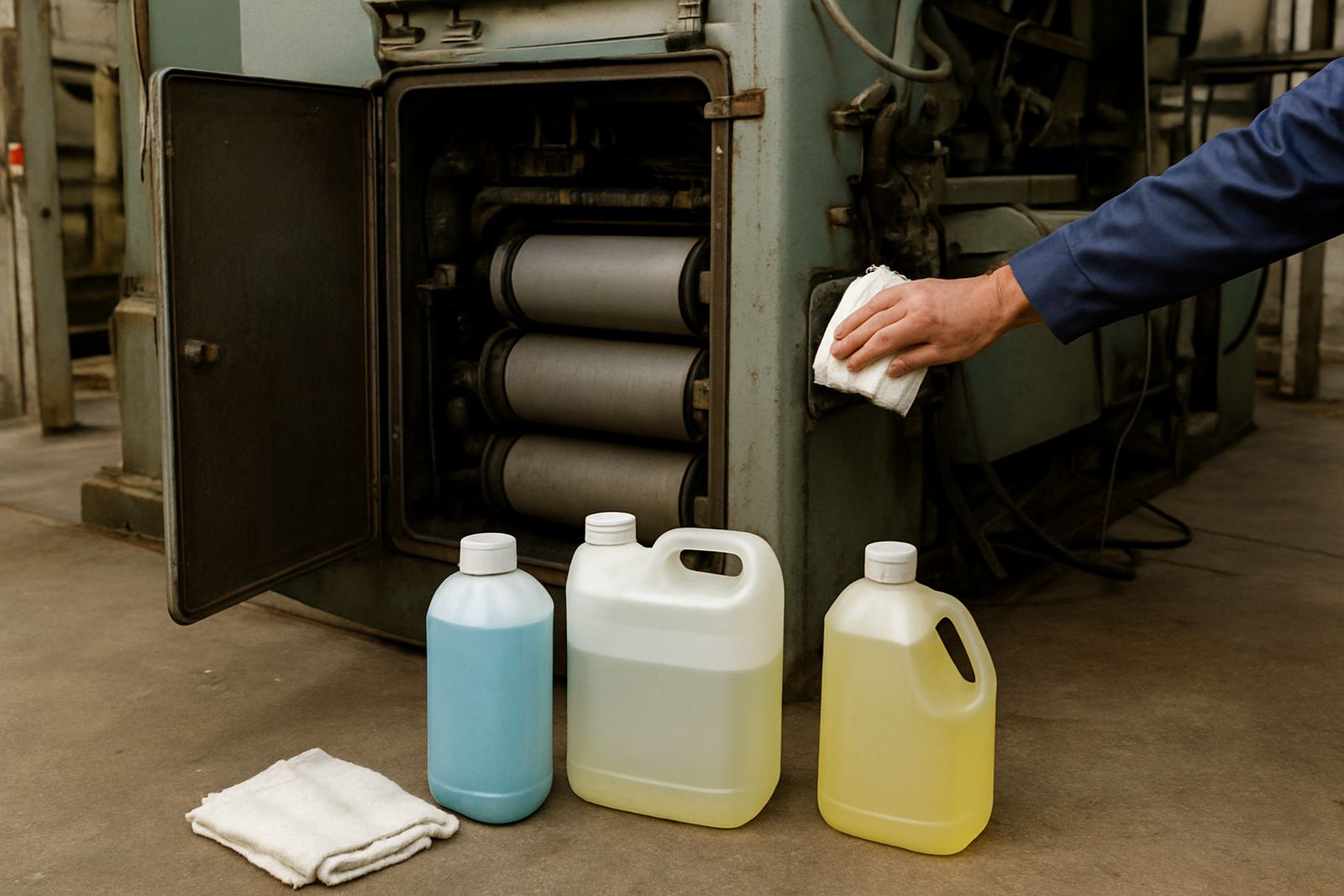
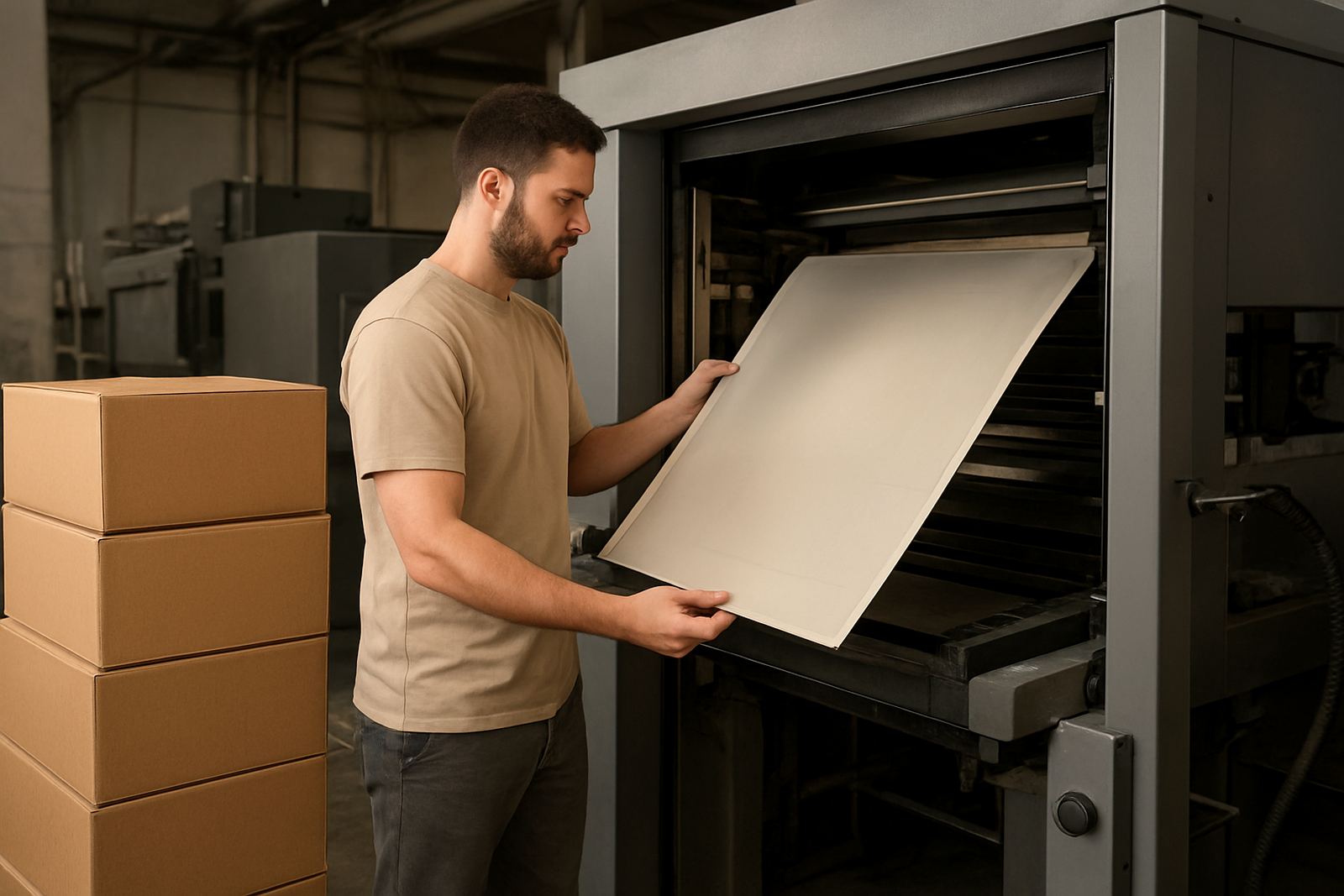
Handling training helps too. Operators should move plates with clean gloves, avoid dragging them across rough surfaces and store them flat in the correct order. If your team is seeing scumming, poor ink-water balance or premature wear, the problem may not be the plate alone. Chemistry, blanket condition, wash programmes and press settings all play a part. LithoPrinting Plates can assist with plate handling training, chemistry balancing and press startup help so the process stays controlled.
- Store flat, dry and sealed until use
- Keep away from dust, acid fumes and direct heat
- Use clean handling methods during transport and mounting
- Review chemistry and blanket condition when print results drift
Checks before a CTcP plate order
Ordering the wrong plate specification can hold up production and increase scrap. Before you place an order, check your press format, exposure system, required run length and whether the job needs fast turnaround or extra durability. It also helps to confirm your standard sheet size, packing method and whether the plates must be punched, bent or supplied in bulk for planned volumes. Small details matter here.
Our team works with print businesses across Johannesburg and nationwide to match the plate to the job and the press room. From Industria West to Roodepoort, Randburg, Midrand, Germiston and Pretoria, we support production teams that need the right material on time, with clear advice on what will run well and what will not. If your operation is carrying varied work, a consistent plate spec can save a lot of back and forth.
- Press make and format
- Plate size, thickness and punch needs
- Expected run length and job type
- Processor settings and chemistry in use
- Storage space and stock rotation plan
Key facts
| Product type | CTcP plate for offset print workflows |
|---|---|
| Use | Commercial litho, packaging, short run and repeat work |
| Common formats | Sheet sizes matched to press requirements |
| Handling | Flat storage, clean gloves and careful transport |
| Support | Plate selection, startup help, chemistry balancing, servicing |
| Supply area | Nationwide from Industria West, Johannesburg |