





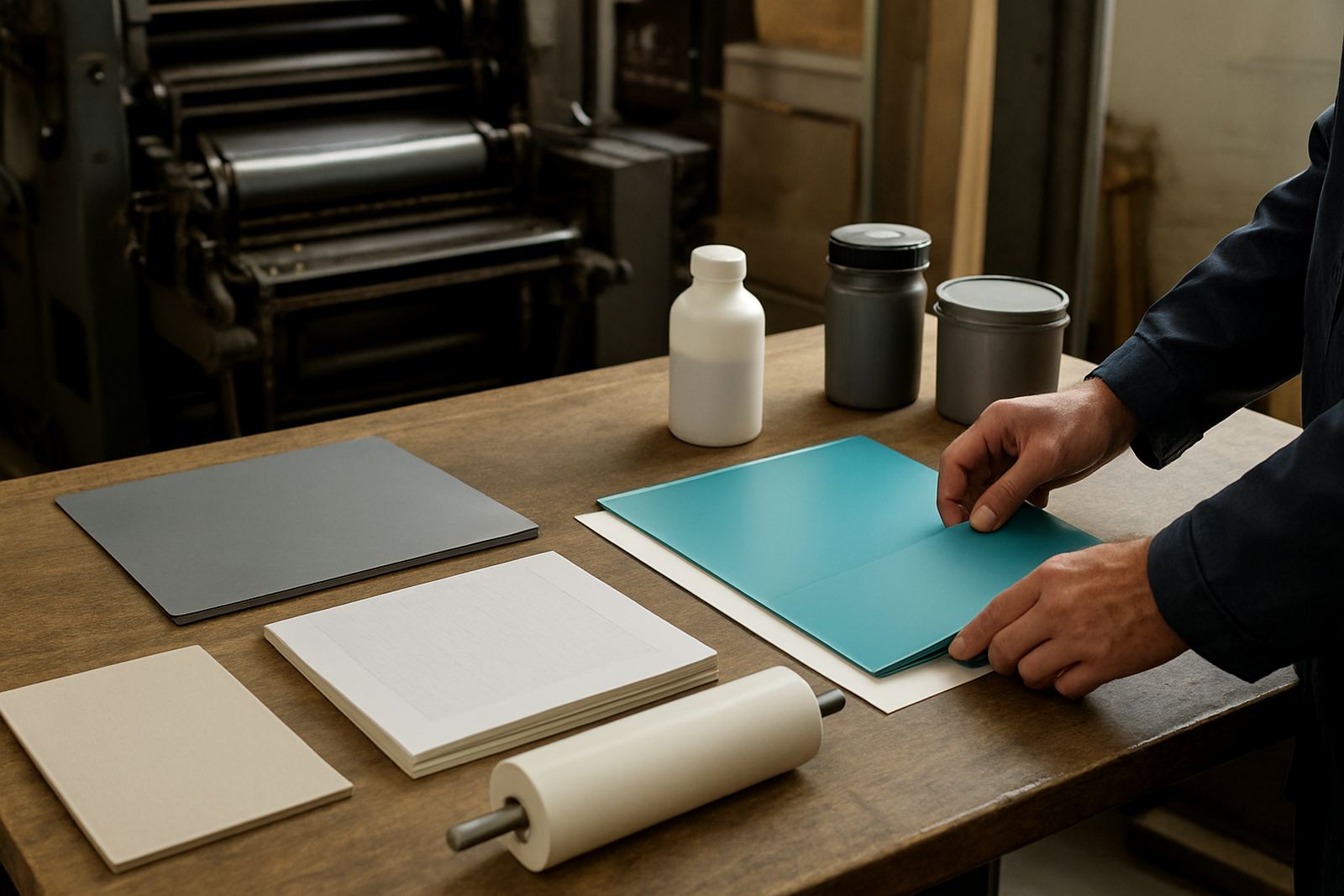
Where plate room time goes
If you are running offset, flexo or print finishing work, the right plate and support products affect start-up time, waste and final colour. The same questions come up every week on press, in prepress and in stores, from plate choice to chemistry control and blanket checks.
Crews need a quick way to compare options and set up supply planning that fits local production demands, whether the press sits in Johannesburg, Pretoria, Germiston or further afield.
Start with the symptom
Small shops can use a lighter version of these guides than a multi-press plant. A small team may only need plate handling and wash programme guidance, while a larger plant may need chemistry balancing, processor servicing and colour stability checks across several shifts.
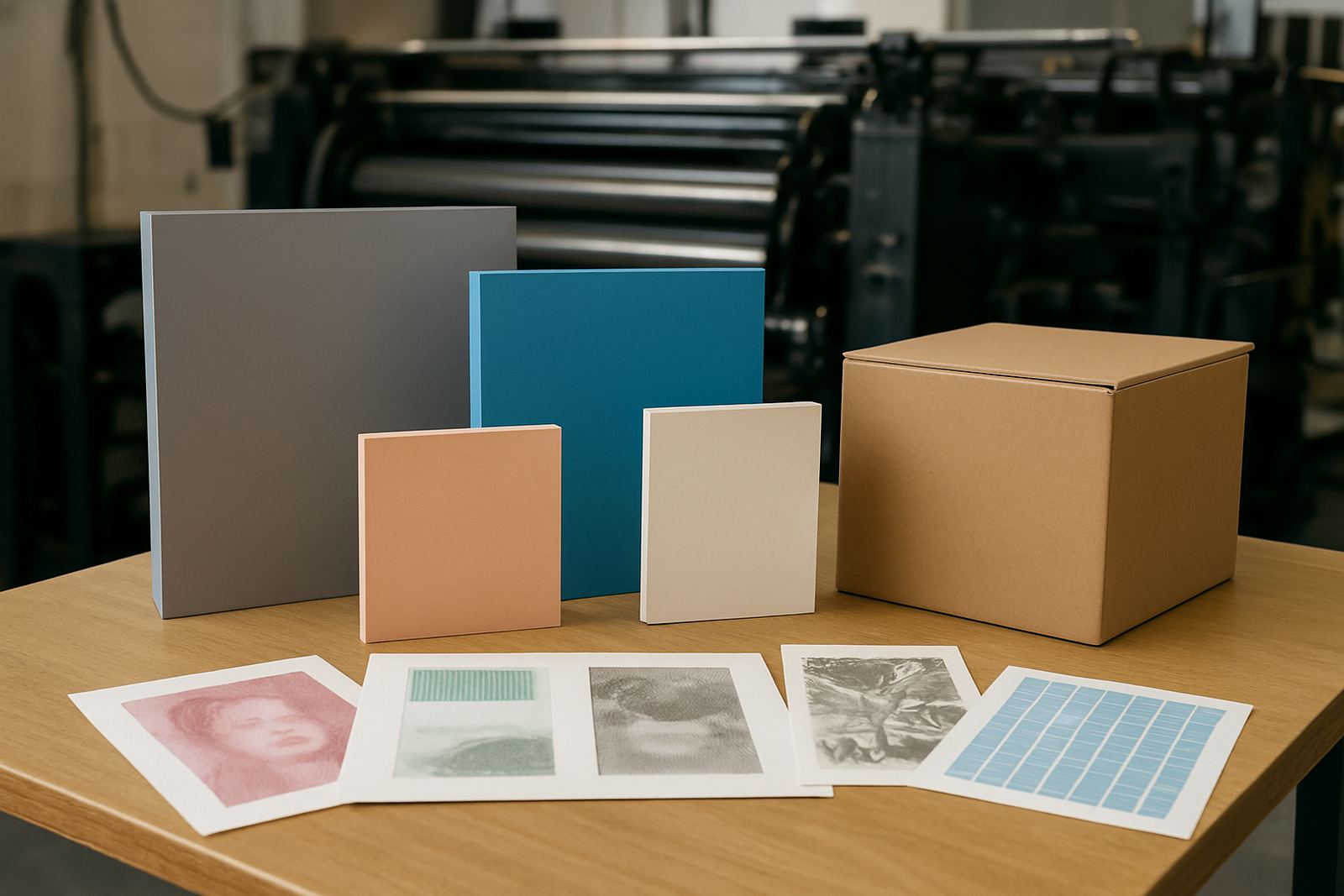
- Plate selection comes first when plates need matching to press type, run length or plate life.
- Chemistry and wash routines matter most when fountain solution, cleaner use or processor drift is affecting consistency.
- Blanket and startup checks pay off when set-off, marking or poor first sheets are costing time.
- Supply planning helps when stock holding and lead times are disrupting production.
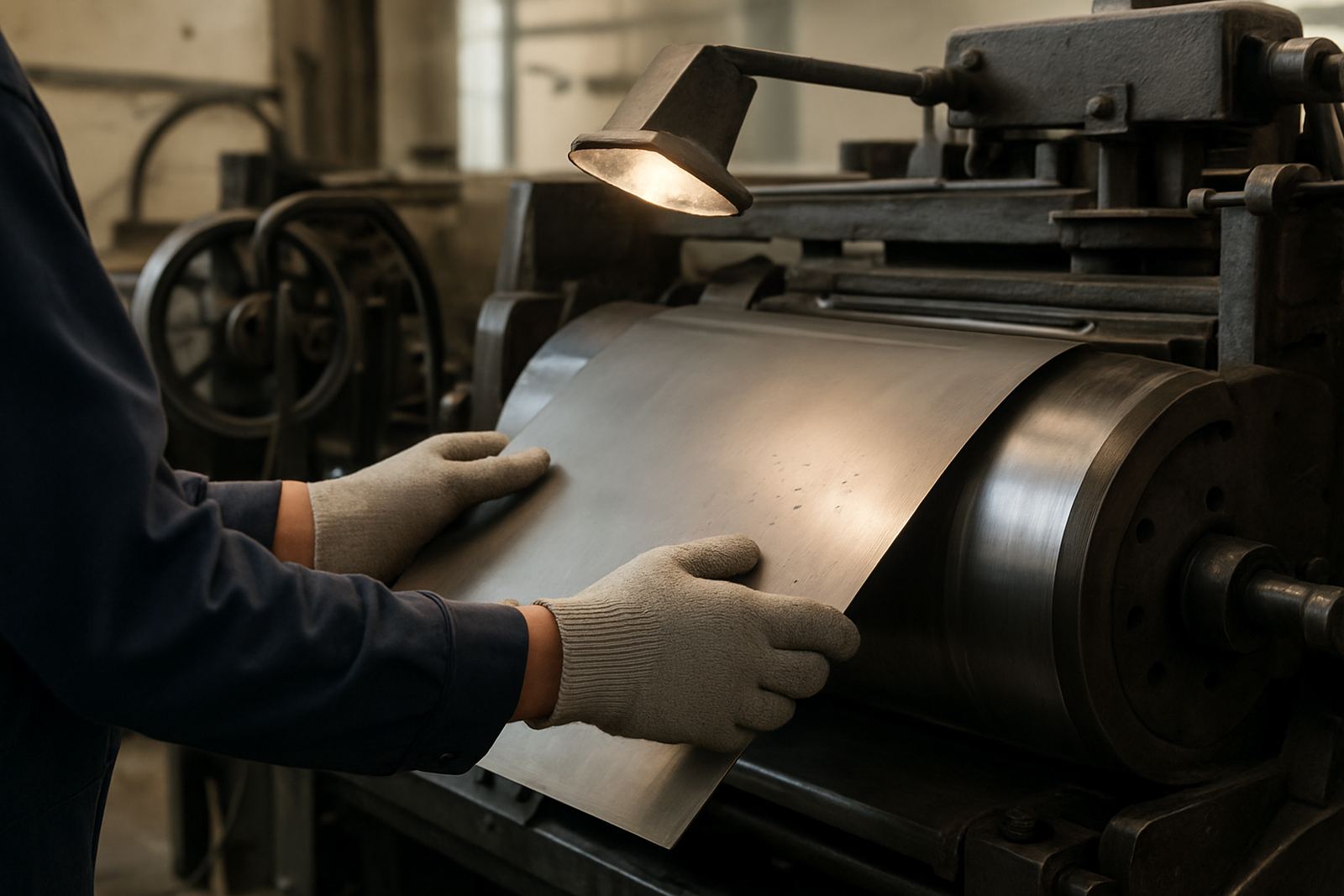
Plate selection, handling and storage
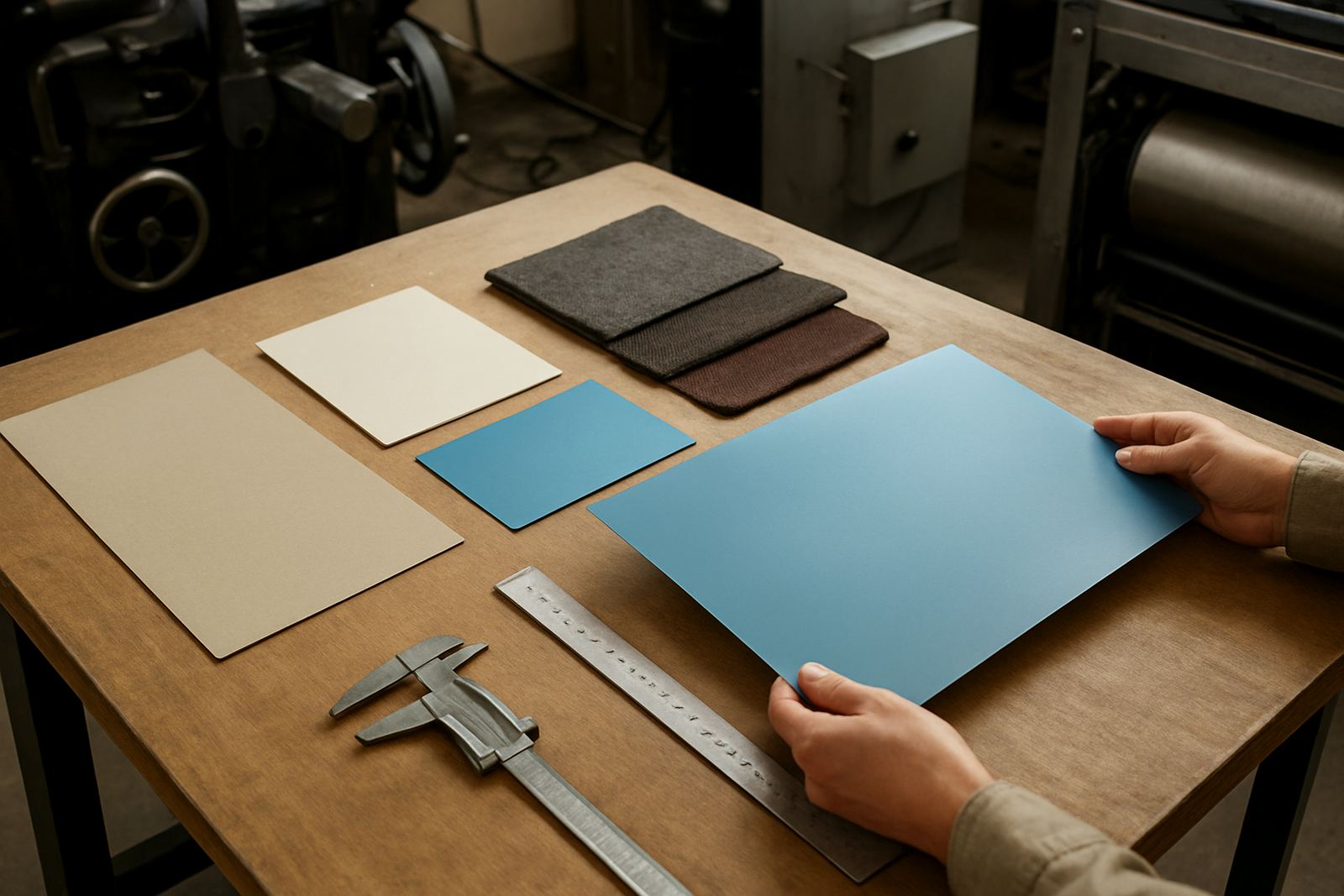
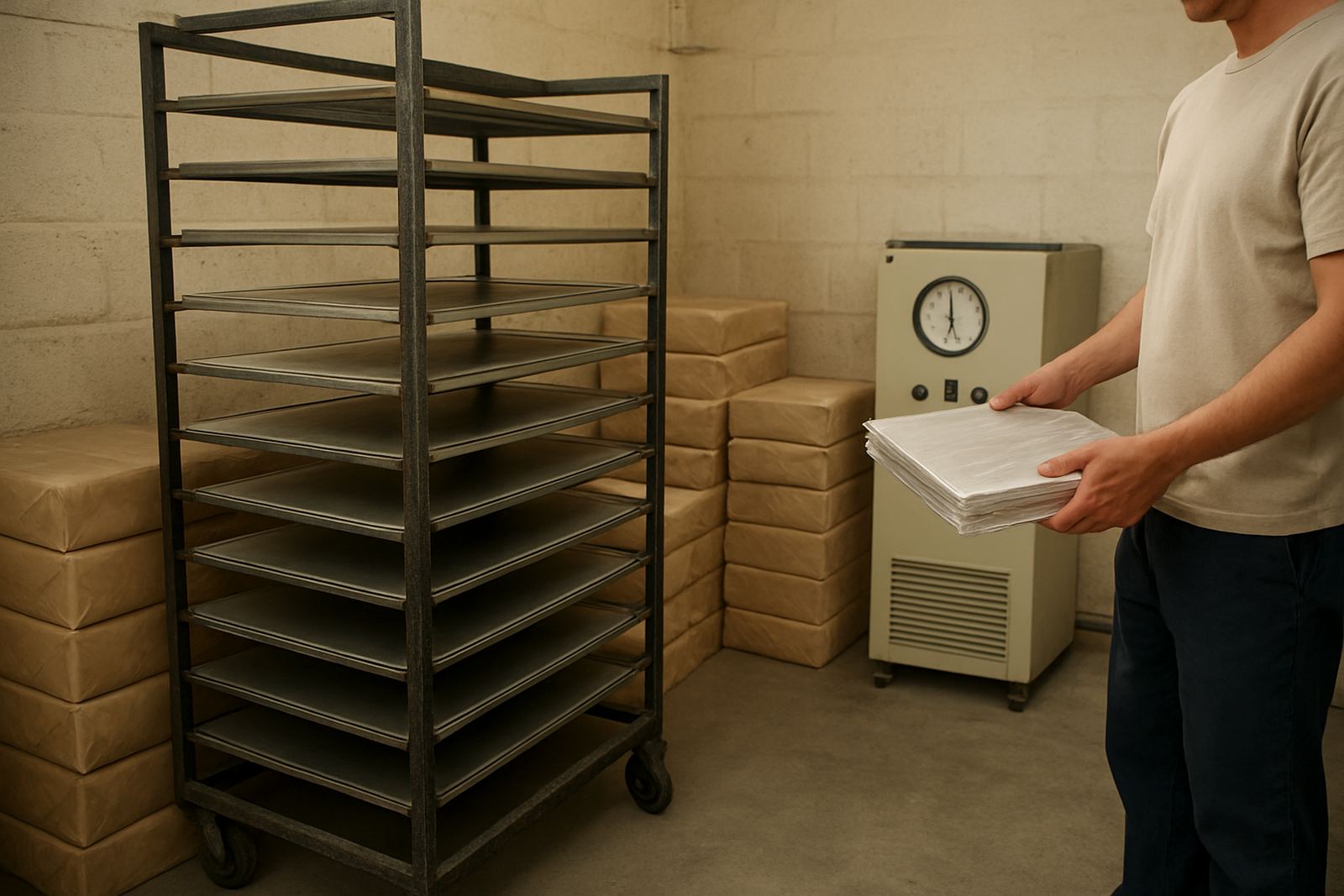
Plate performance is decided in the store room and plate room. Handling, storage and packing conditions matter, especially in warehouses where humidity, dust or temperature changes can affect consistency. Moisture can also cause problems if cartons are opened too early or stock is left unsealed.
Plate format, protective packaging, stack height and handling routines all play a part, along with basic checks for dents, scratches and contamination, which are easy to miss during a busy changeover. A small marking issue at plate stage can turn into a full shift of waste, so early checks save money.
- Keep plates flat and off the floor.
- Separate opened stock from sealed stock.
- Use gloves and clean handling surfaces.
- Record batch details for traceability when needed.
Chemistry, wash programmes and processor control
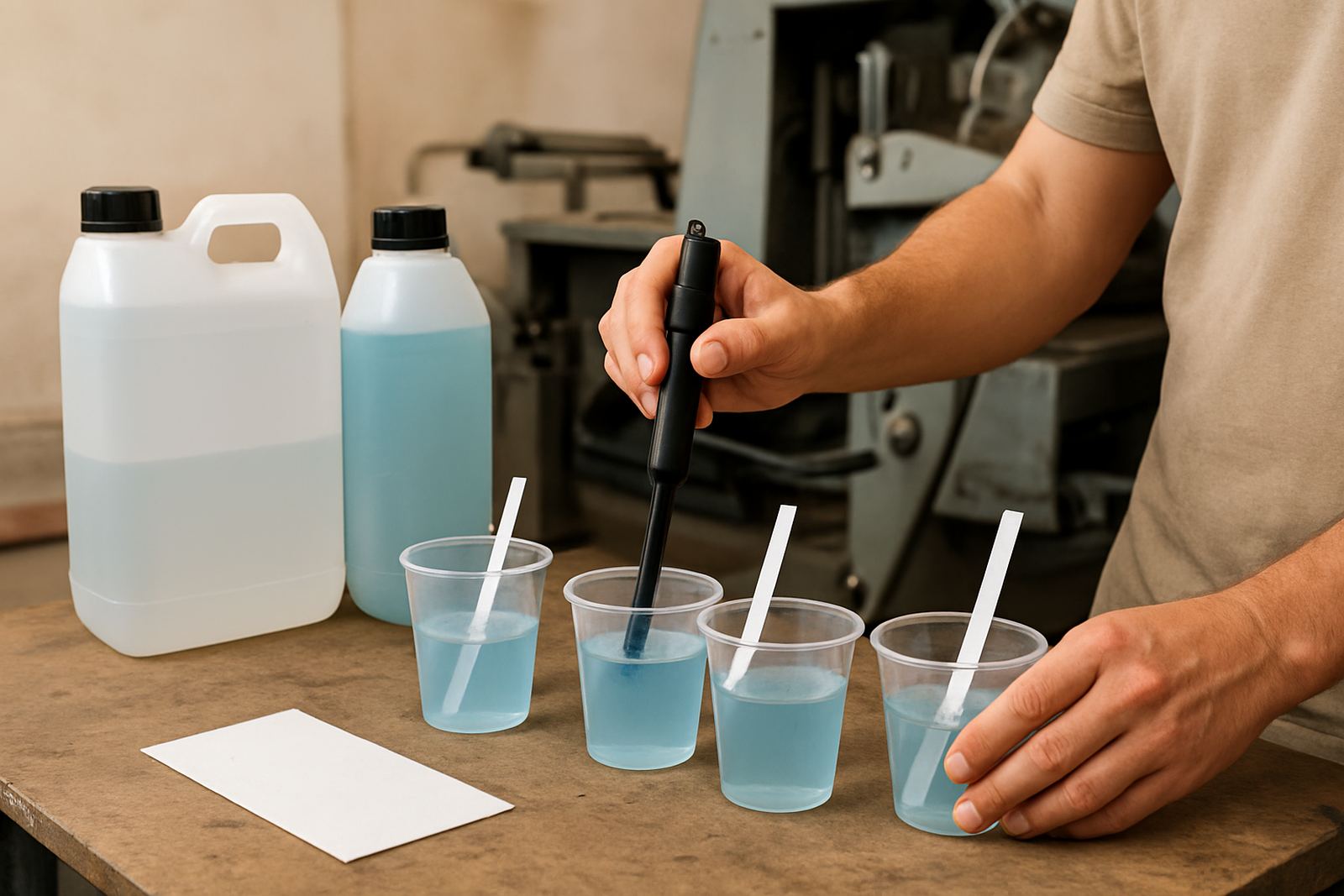
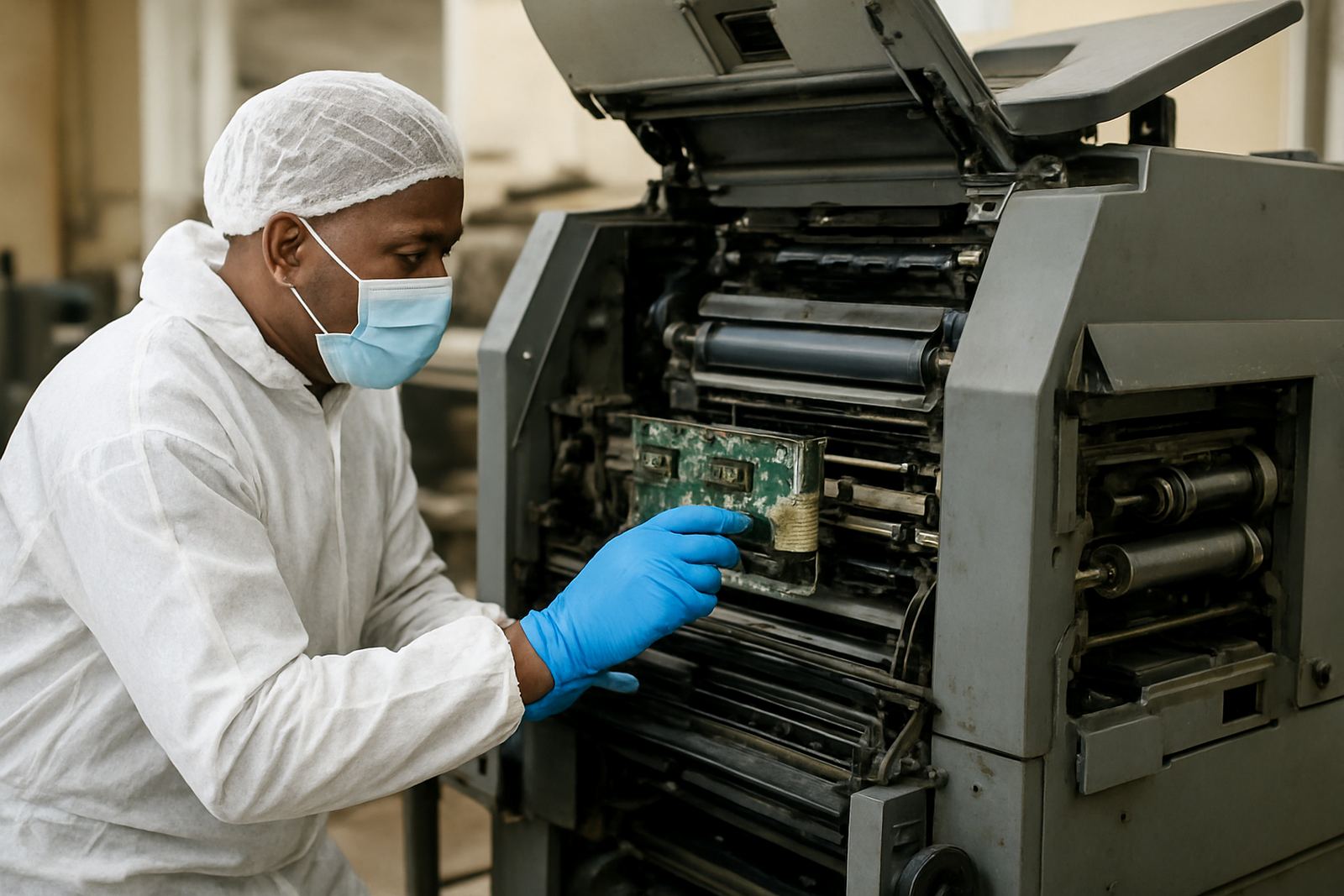
Chemistry problems often show up slowly. A press may start fine, then run with colour drift, scumming or longer clean-up times by midweek. Balancing chemistry, reviewing wash cycles and spotting a processor that needs attention all pay off here.
Practical checks on water quality, mixing accuracy and daily top-up routines matter just as much. In many plants, the issue is not one big failure but a build-up of small changes. A missed measurement here and a delayed wash there can affect output more than people expect.
- Check mix ratios against actual use, not just the label on the drum.
- Log temperature and top-up changes during hot or humid periods.
- Review wash schedules after long runs, plate changes or idle spells.
- Keep a simple fault record so repeat issues are easier to trace.
Blankets, press startup and first-sheet checks
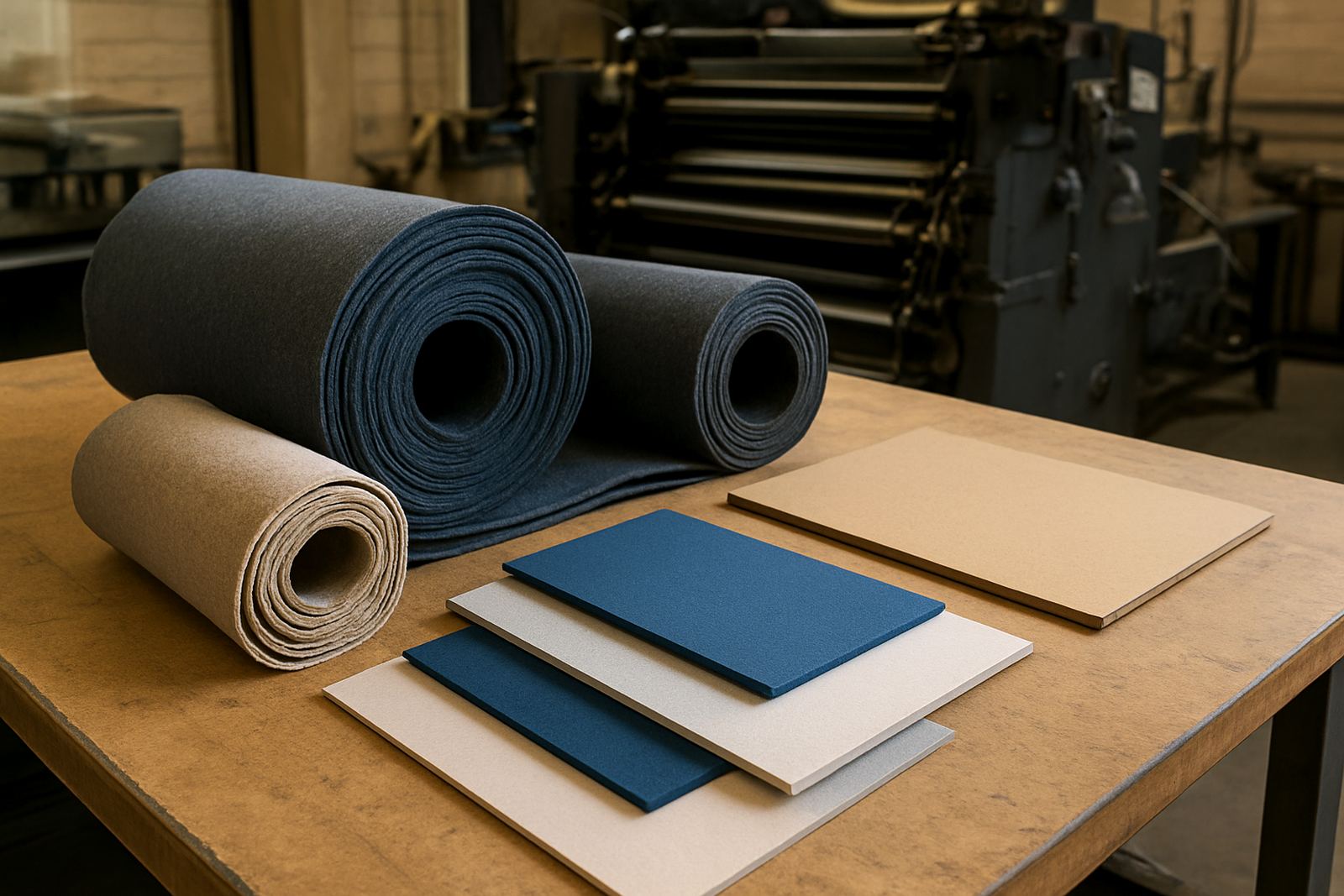
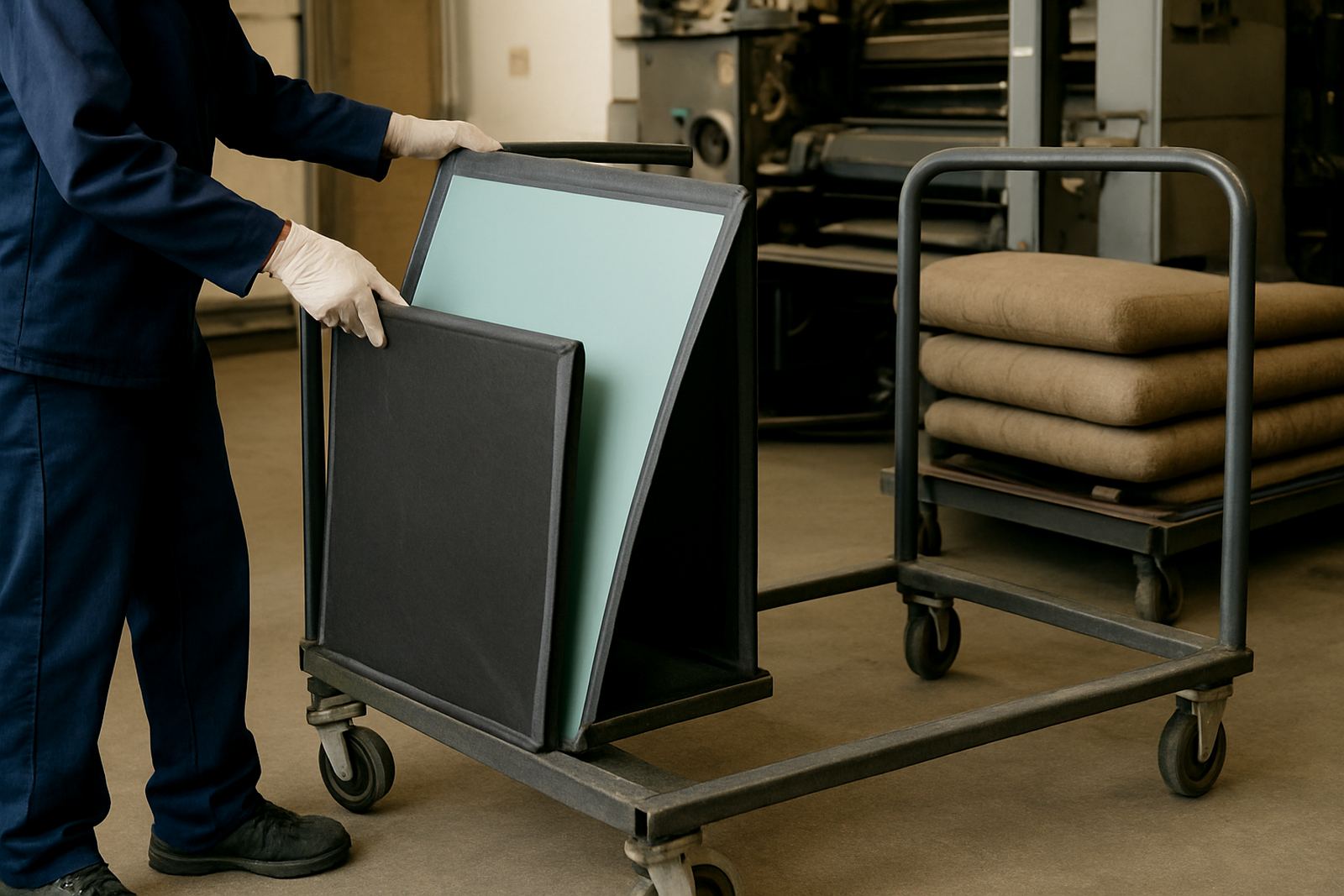
Blankets and startup routines can decide how quickly a machine reaches stable production. If the blanket surface is worn, glazed or damaged, operators spend more time chasing colour and impression. Assessing blanket condition and spotting wear patterns early takes the guesswork out of make-ready.
A sound startup covers first-sheet checks, roller contact, damping balance and the points that matter before a long run starts. Busy plants need those as clear steps, not long theory.
Calling us in before the problem grows
Some issues need a quick product check, while others need a proper review of the full process. If a plant is losing time on repeated setup faults, unstable colour or short plate life, it helps to compare the plate, chemistry and blanket side by side.
Our Johannesburg base in Industria West supports businesses across Roodepoort, Randburg, Midrand, Germiston and Pretoria, with plate and press supply nationwide. The team works with buyers, supervisors and operators who need practical help that fits real production targets.
For help with product selection, training or supply planning, drop us a note through the contact form naming the press and the job.