Start with the full cost per job, not the unit price
When you compare consumables, the first mistake is looking only at the price of a plate or a litre of chemistry. A small order may cost less upfront but use more press time, more wash-up and more waste during make-ready. A bigger run may use the same plate count but spread the fixed costs over far more impressions.
For each job, work out the cost per 1 000 sheets or per 1 000 metres, depending on your line of work. Include plates, chemistry, blanket wear, processor time, wash programmes, rejected sheets and any extra labour during start-up. If your plant runs in Industria West, Roodepoort or Midrand, also factor in delivery timing because a late consignment can stop a shift and that gets expensive fast.
How short-run jobs usually push up consumable spend
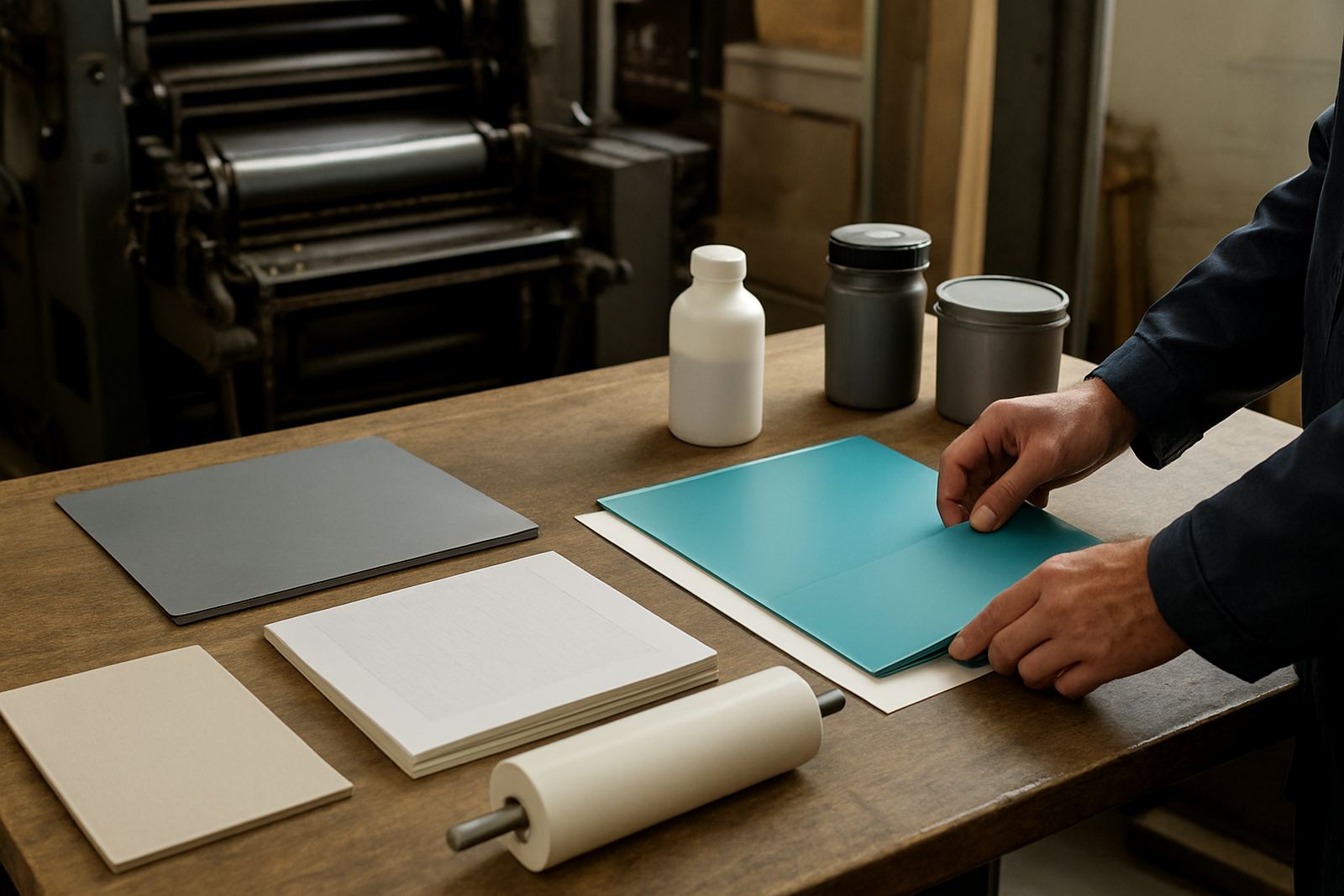
Short runs often look simple, but they can use the most consumables per printed unit. That is because the press spends a bigger share of time on setup, first-sheet checks and colour stabilising. A job of 500 to 2 000 sheets may need the same plate handling, chemistry balancing and blanket assessment as a much larger order.
- Check plate count and whether repeat jobs can share a setup.
- Track make-ready waste sheets separately from saleable output.
- Review wash programme frequency, especially on presses standing idle between jobs.
- Record colour stability checks from the first pull to steady state.
If you are producing short-run commercial work in Randburg or Pretoria, the right plate choice and clean press startup help can cut waste more than chasing a small saving on unit price. A few extra rand on a reliable consumable often saves far more in spoilage.
What changes at medium run length
Medium runs are where many printers start to see the best balance between setup cost and output cost. The press is running long enough to spread the fixed work, but not so long that blanket wear, chemistry use and plate fatigue are ignored. This is the point where careful supply planning pays off.
At this stage, compare the whole production cycle. A plate that holds stable dot reproduction can reduce mid-run correction, while balanced chemistry can reduce processor servicing issues and plate handling problems. If your team in Germiston or Johannesburg South is fighting frequent rework, the hidden cost may sit in stability, not in the consumable invoice.
- Measure spoilage during the first 200 to 500 sheets.
- Check whether chemistry top-ups are being done too often.
- Inspect blankets for glazing, pin marks and uneven wear.
- Note any stoppages caused by pressure settings or image transfer issues.
Long runs reward control, not just low input prices
Longer runs can make the unit cost look better, but only if the press stays steady. Over thousands of impressions, small problems become expensive. A blanket that is not holding well, chemistry that drifts and plates that lose consistency can all add up to lost time and uneven print. In busy plants, that is where the real cost sits.
For longer work, compare running cost over the full shift, not only the start of the job. Ask how often blankets need assessment, how much chemistry is used per 10 000 impressions and whether the plate supply matches the required run length. Summer humidity may also affect storage and handling, while dry winter air can affect certain wash programmes and press behaviour.
A simple checklist for comparing suppliers and products
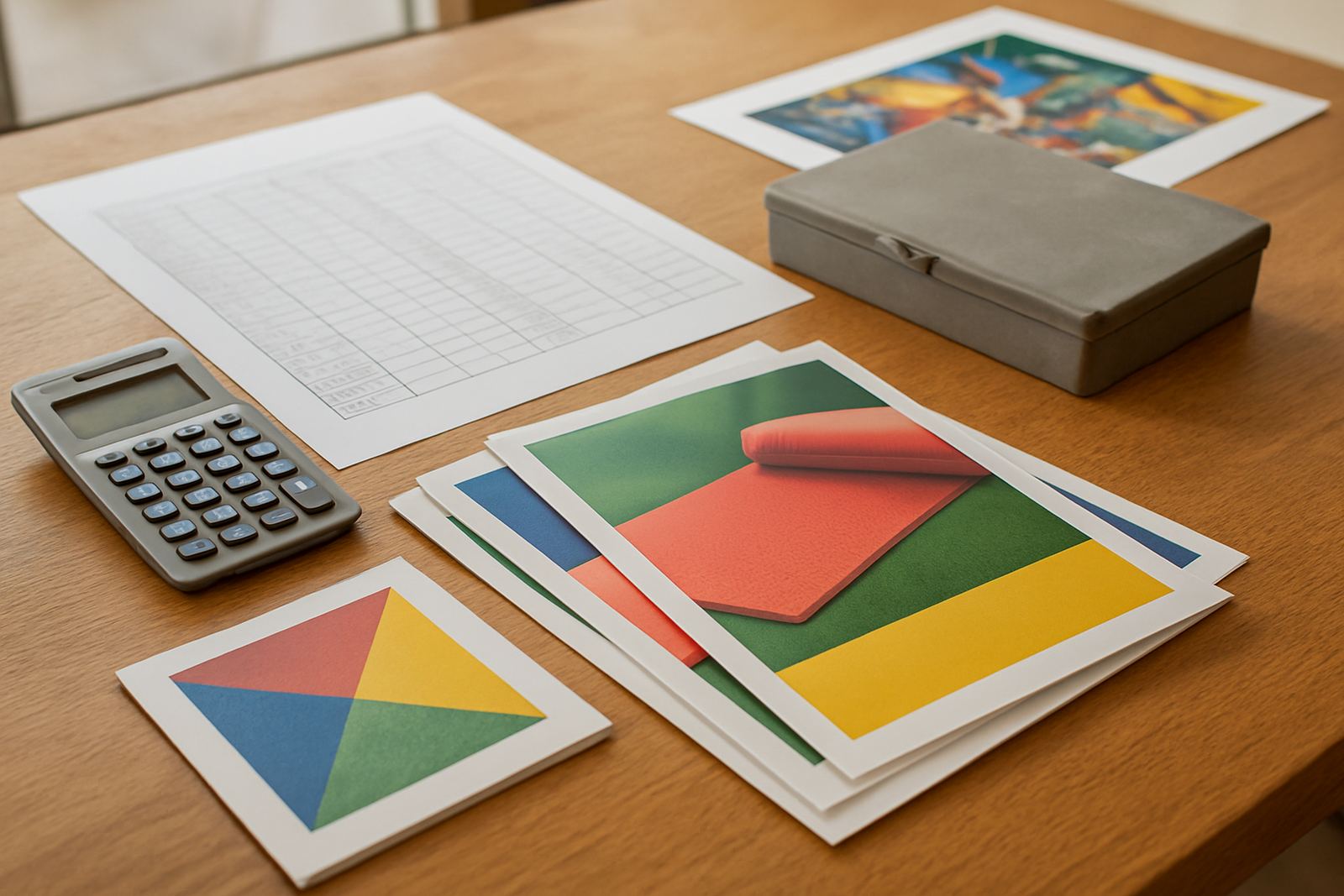
Use the same checklist for every quotation so you are comparing like with like. A lower price on one line item means little if the job runs slower or uses more waste. Keep your comparison sheet plain and repeatable so your team can update it for each press and each paper type.
- Plate size, coating type and expected run length
- Chemistry consumption per shift or per job
- Blanket life under your usual stock and ink mix
- Delivery lead time to your site or branch
- Technical support for startup, troubleshooting and plate handling training
- Any processor servicing or wash programme changes needed
If a supplier can help with colour stability checks and production troubleshooting, that support should be counted as part of the run cost. It may not show on the invoice, but it affects every sheet that leaves the press.
Build your own run-cost worksheet
A practical worksheet should show one job from start to finish. List the number of plates, litres of chemistry, blanket changes, wash cycles, setup sheets and finished sheets. Then divide the total spend by output. That gives you a clean number you can compare across short, medium and longer runs.
Use separate lines for offset, flexo and finishing work if your plant handles more than one process. A job in Pretoria may have different handling needs from one in Roodepoort, and your stock profile can change the result too. Keep the same formula every time, and your team will spot patterns much faster than by looking at purchase orders alone.
When to review your numbers with a technical team
If your costs are moving but your quote prices are not, it is time to review the process. Frequent wash cycles, heavy plate damage, blanket wear or unstable colour all point to a supply or setup issue. The right support can often reduce running cost without changing the whole press line.
LithoPrinting Plates works with print businesses from Industria West across Johannesburg, Midrand, Germiston, Randburg and Pretoria, with nationwide supply for plate and press operations. If you need help comparing consumables for your own production mix, a proper run-cost review can show where the money is really going.