





Home / Litho Notes

Litho Notes

Short reads on plates, chemistry, blankets and the press habits that decide how many good sheets a South African shift turns out.

Litho Notes
Pre-cut offset blankets and underpacking sheets

Pre-Cut Blankets And Packing

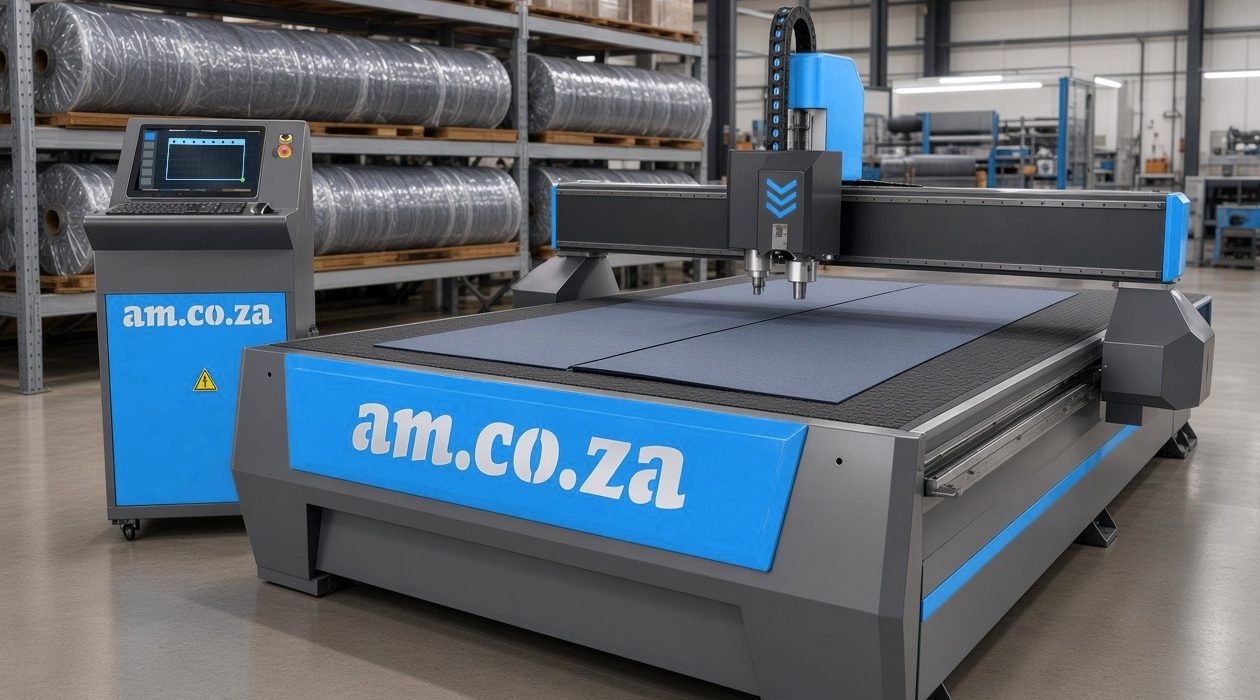
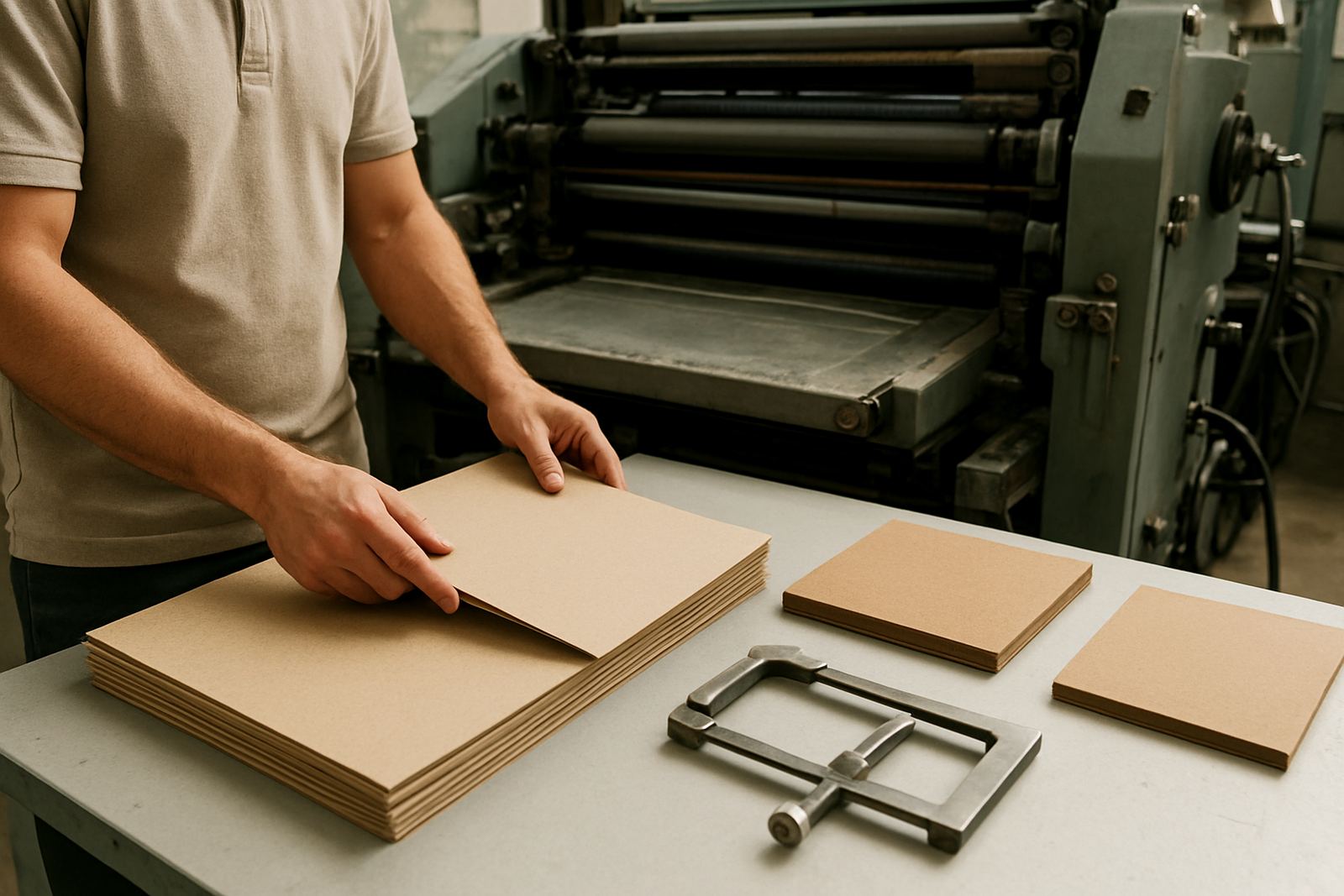
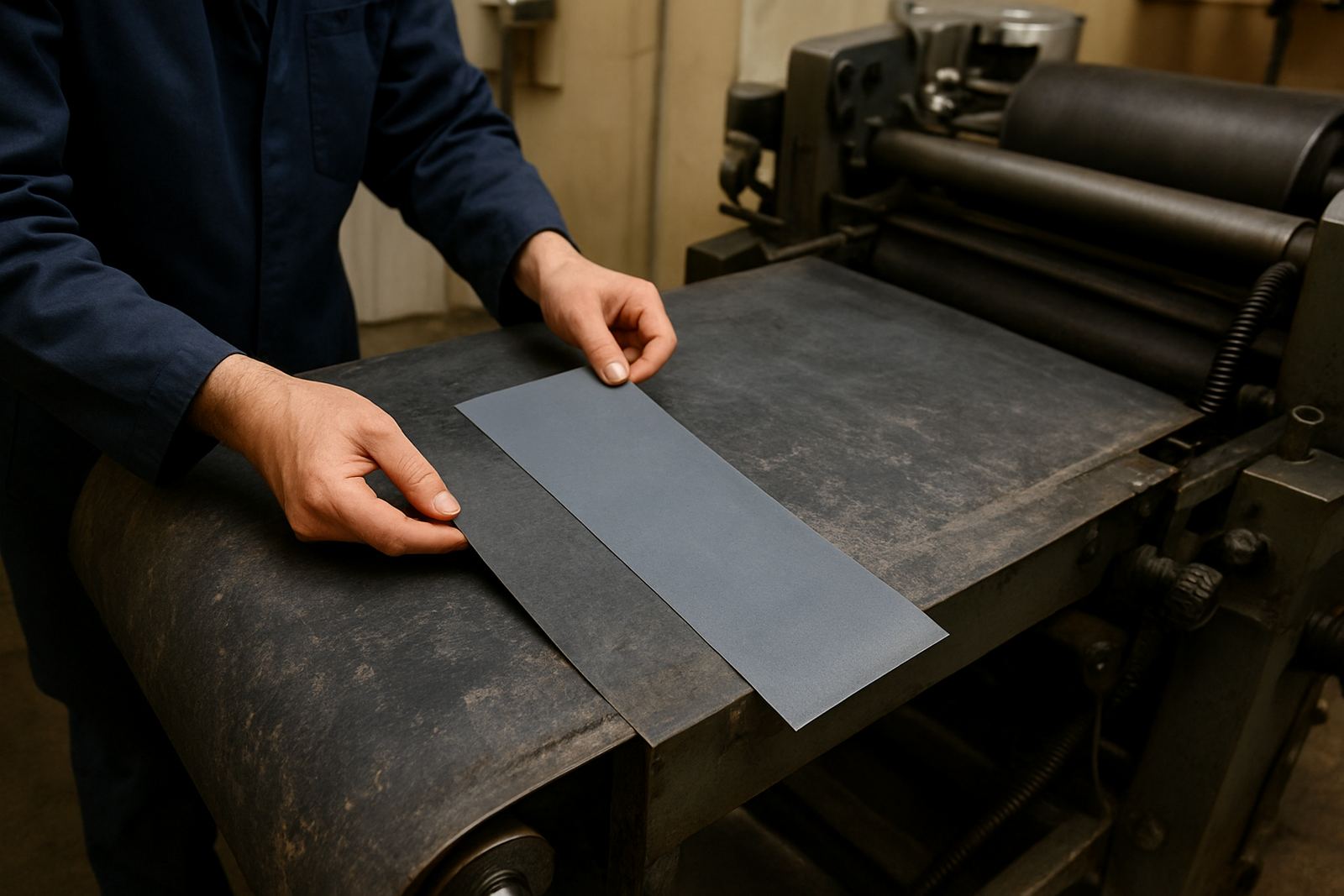
Offset blankets and underpacking sets now cut to your press size in Industria West, on our AM.CO.ZA flatbed cutter.

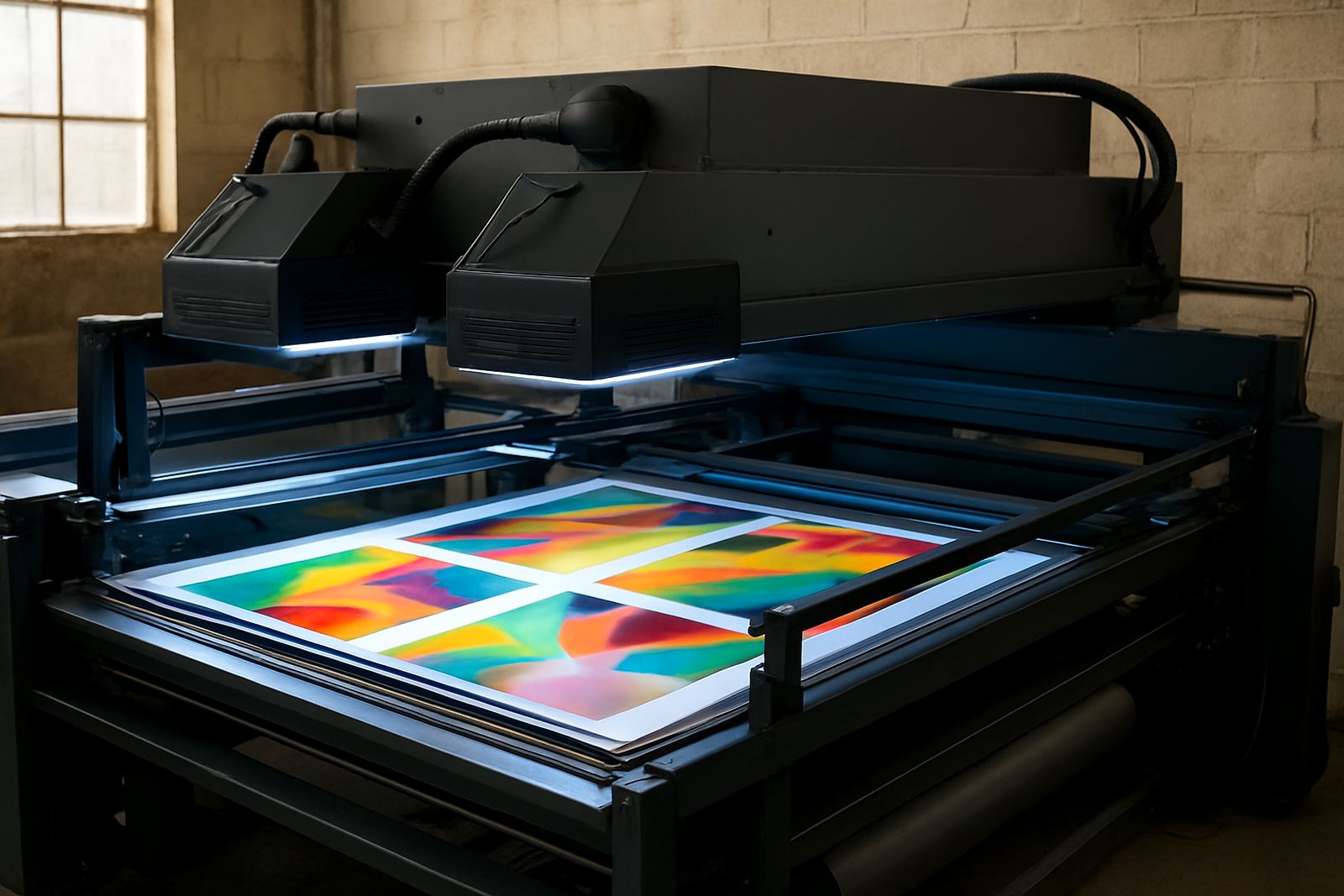
What CTP Means

What CTP Means

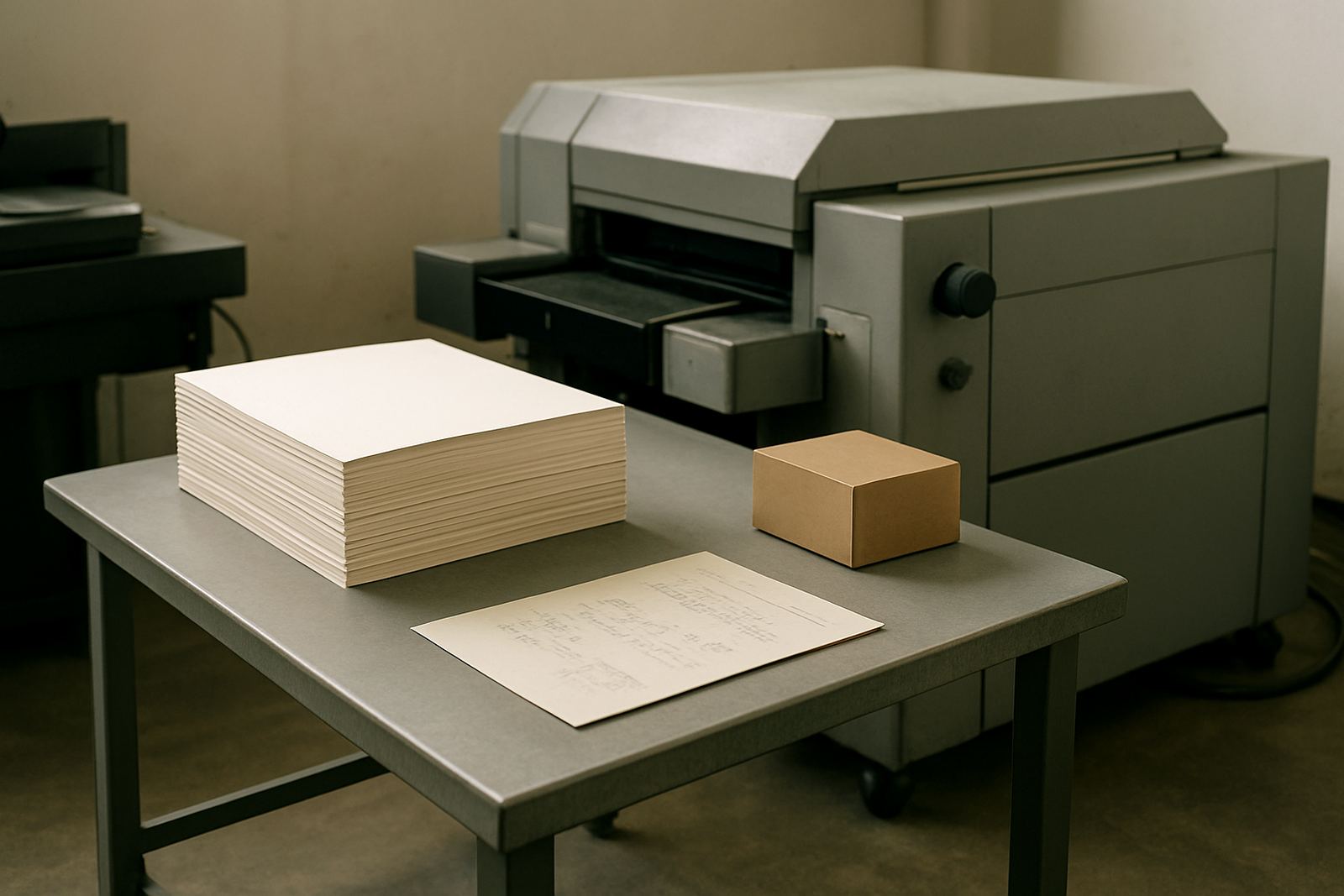
A simple overview of computer-to-plate workflows and why they matter in modern printrooms.

Thermal Or Violet

Thermal Or Violet

An explanation of key differences between thermal and violet plate technologies.

Understanding Run Length

Understanding Run Length

How expected impressions influence plate choice, handling and cost planning.

Plate Storage Basics

Plate Storage Basics

Practical advice on storing plates safely to reduce scratches, oxidation and waste.

Why Plates Scum

Why Plates Scum

Common causes of plate scumming and where to start when diagnosing the issue.

Developer Control Tips

Developer Control Tips

Why processor chemistry strength and replenishment discipline affect plate consistency.

Processor Cleaning Routine

Processor Cleaning Routine

A basic cleaning routine that helps reduce residue and plate processing issues.

Role Of Gum

Role Of Gum

How gumming protects plates during storage and between platemaking and press use.

Blanket Selection Basics

Blanket Selection Basics

A look at how substrate, ink and pressure influence blanket choice.

Blanket Care Habits

Blanket Care Habits

Daily habits that help extend blanket life and maintain transfer quality.

Fountain Balance Explained

Fountain Balance Explained

Why fountain solution condition affects emulsification, cleanliness and stable print output.

pH And Conductivity

pH And Conductivity

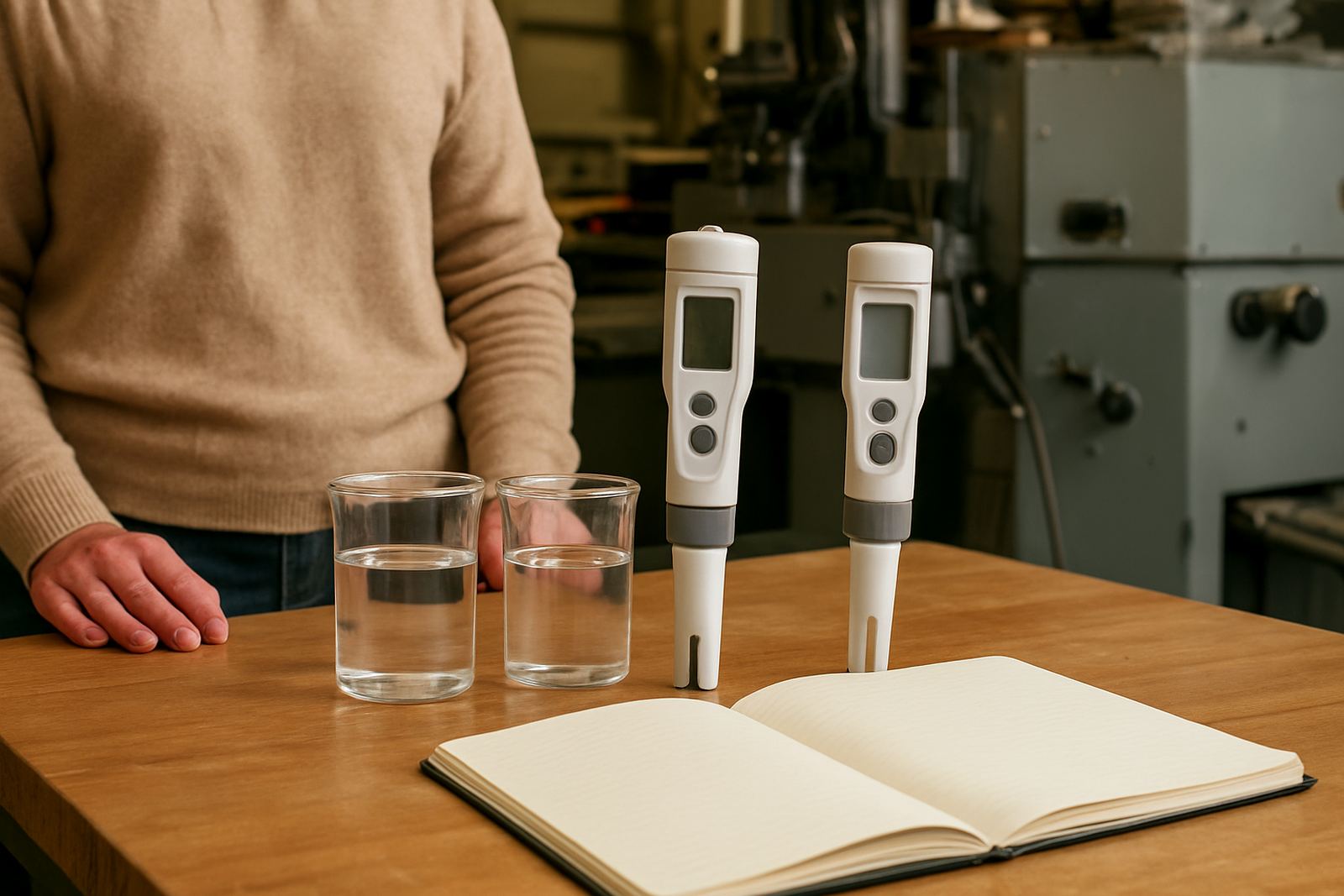
A practical note on monitoring chemistry values without overcomplicating the process.

Wash-Up Best Practice

Wash-Up Best Practice

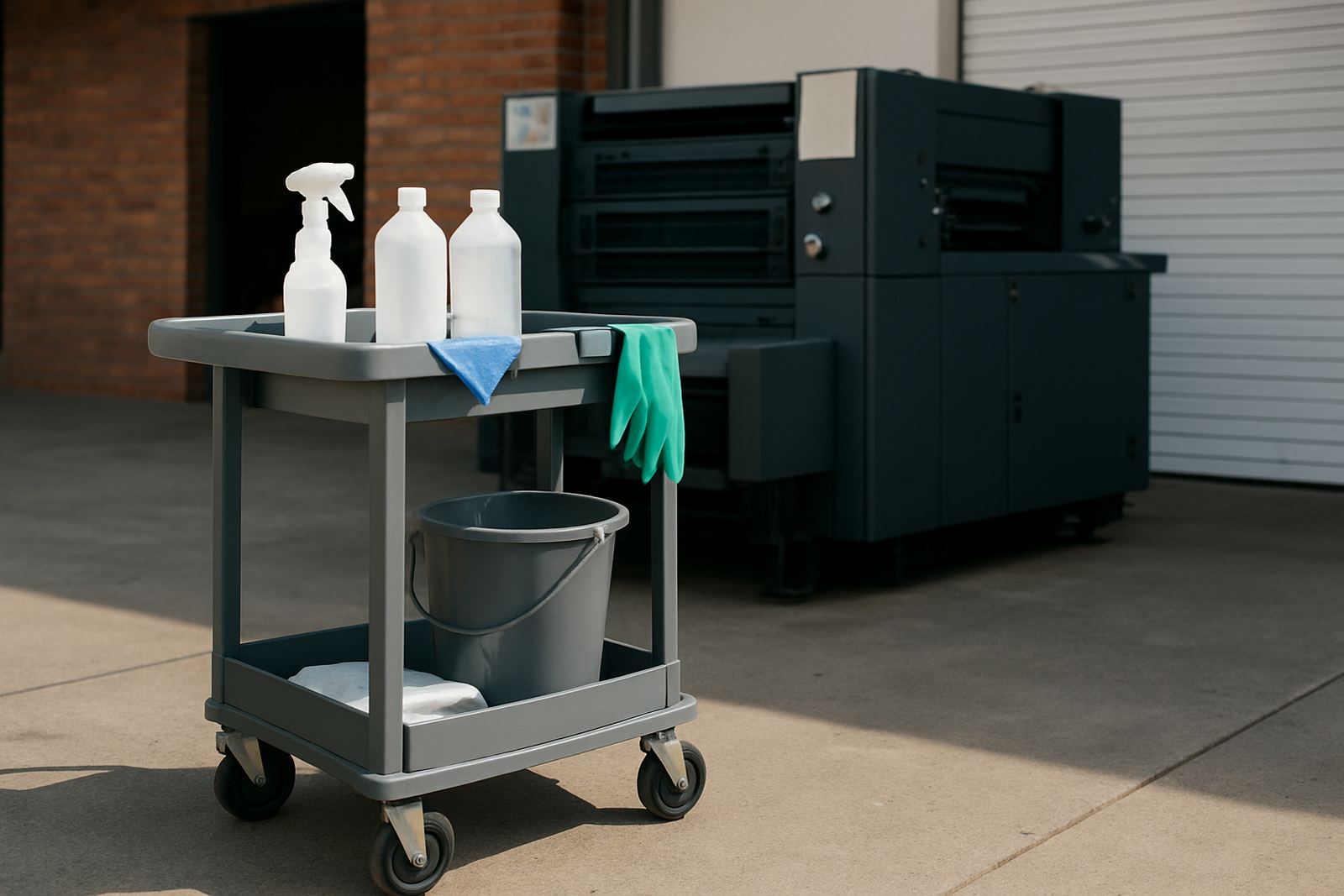
Safer, cleaner wash-up habits for blankets, rollers and selected press areas.

Reduce Startup Waste

Reduce Startup Waste

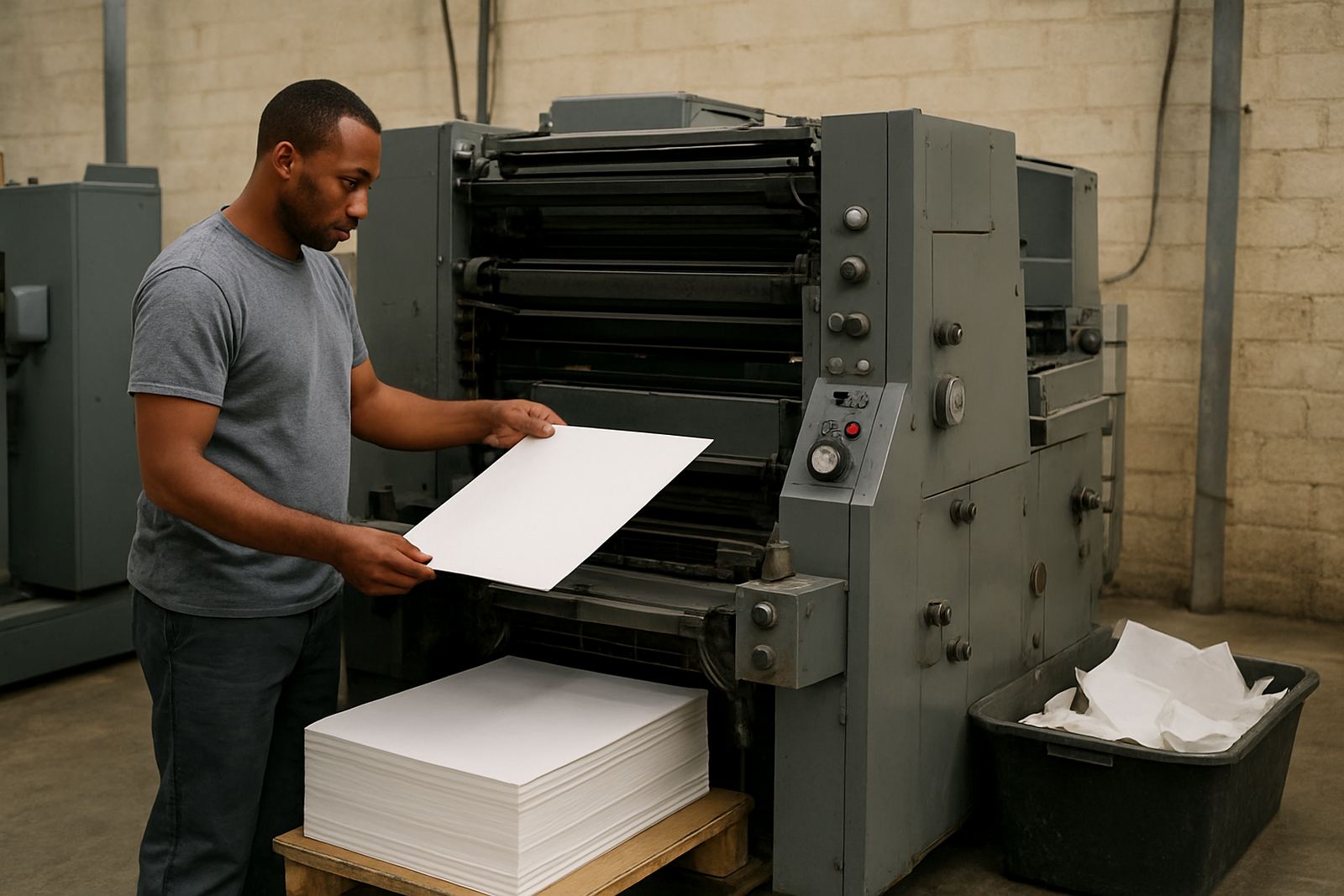
Steps that help print teams reach saleable sheets faster during makeready.

Short Run Economics

Short Run Economics

How consumable choices can affect profitability on lower-volume jobs.

Long Run Consistency

Long Run Consistency

What to watch when jobs run for extended periods and quality must stay even.

UV Print Considerations

UV Print Considerations

Important consumable and pressroom considerations for UV offset environments.

Packaging Board Challenges

Packaging Board Challenges

Why board thickness and surface variation affect blanket and press setup choices.

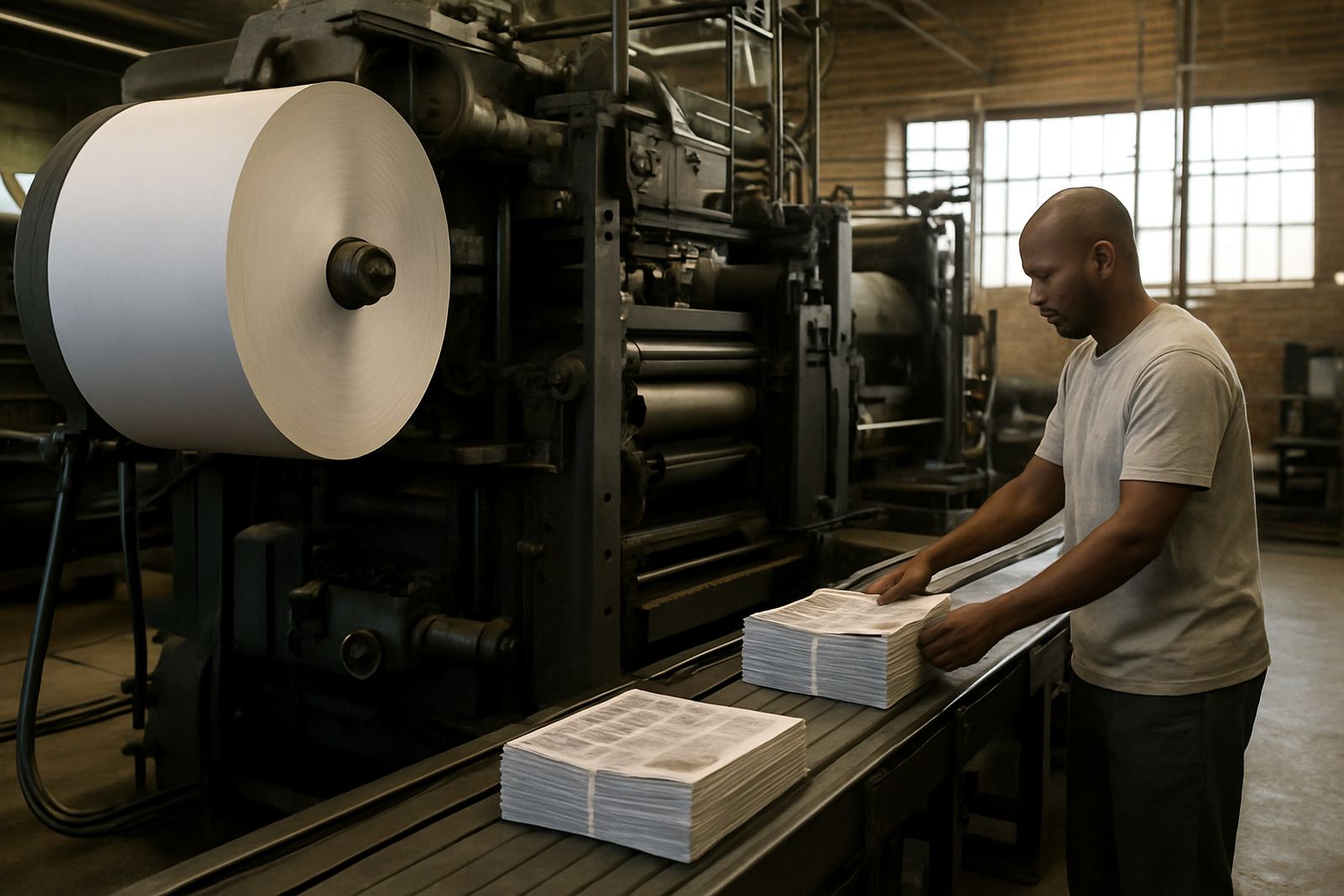
Newsprint Speed Factors

Newsprint Speed Factors

Key production factors behind plate choice and chemistry control on fast newspaper work.

What Causes Plate Scratches

What Causes Plate Scratches

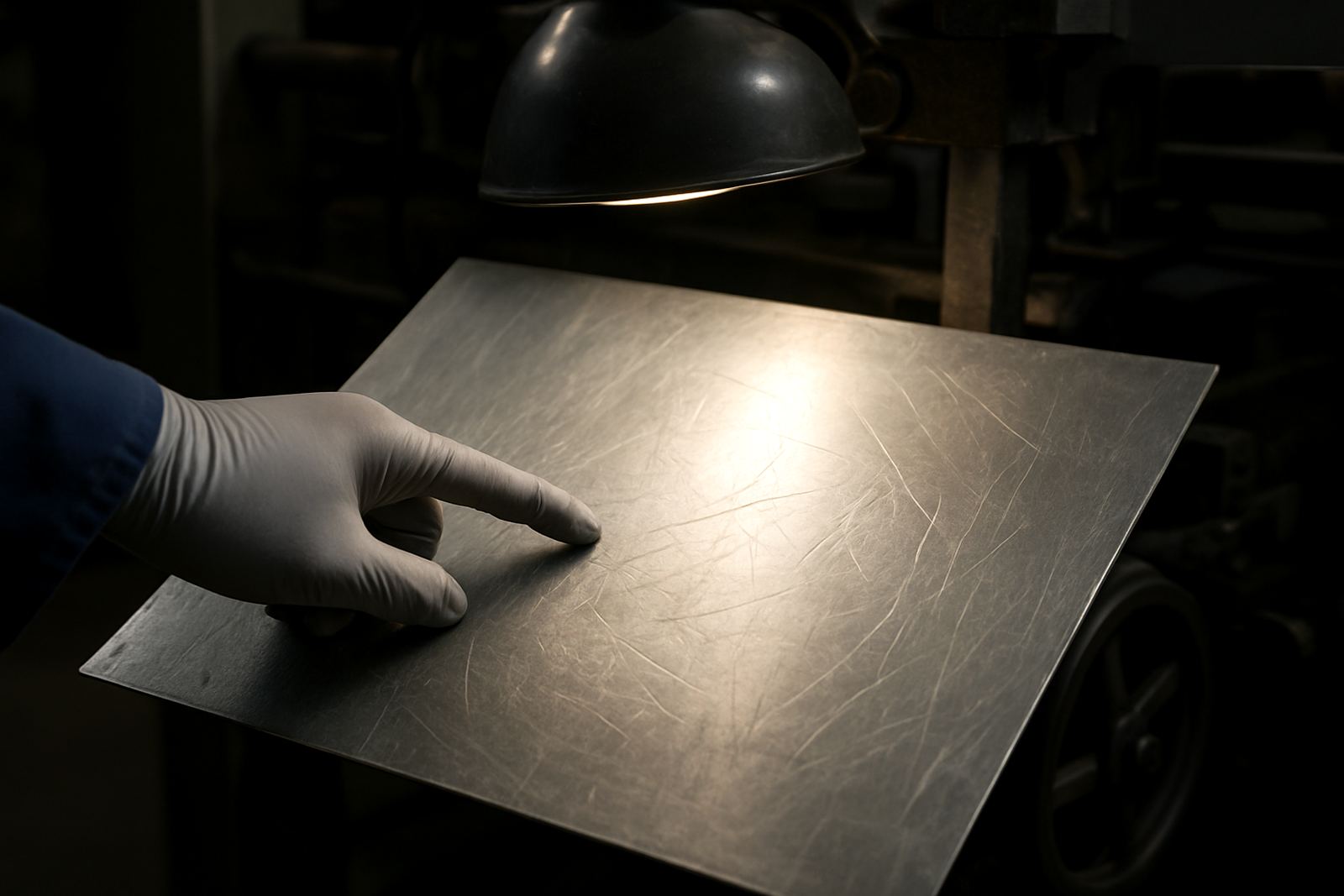
Typical causes of scratches during storage, transport and mounting onto press.

Handling Plates Safely

Handling Plates Safely

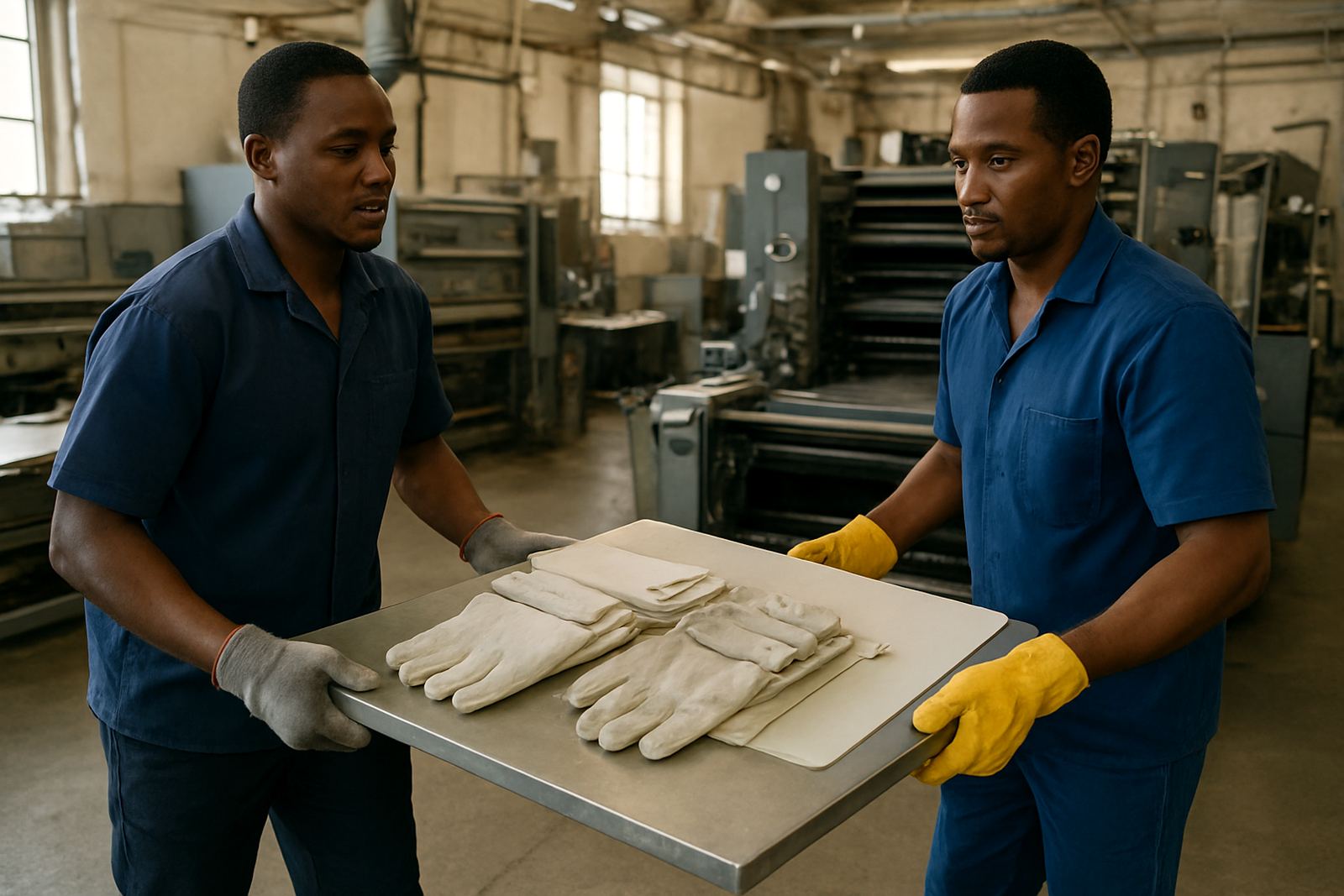
Simple handling methods that reduce injury risk and protect plate surfaces.

Plate Corrections Basics

Plate Corrections Basics

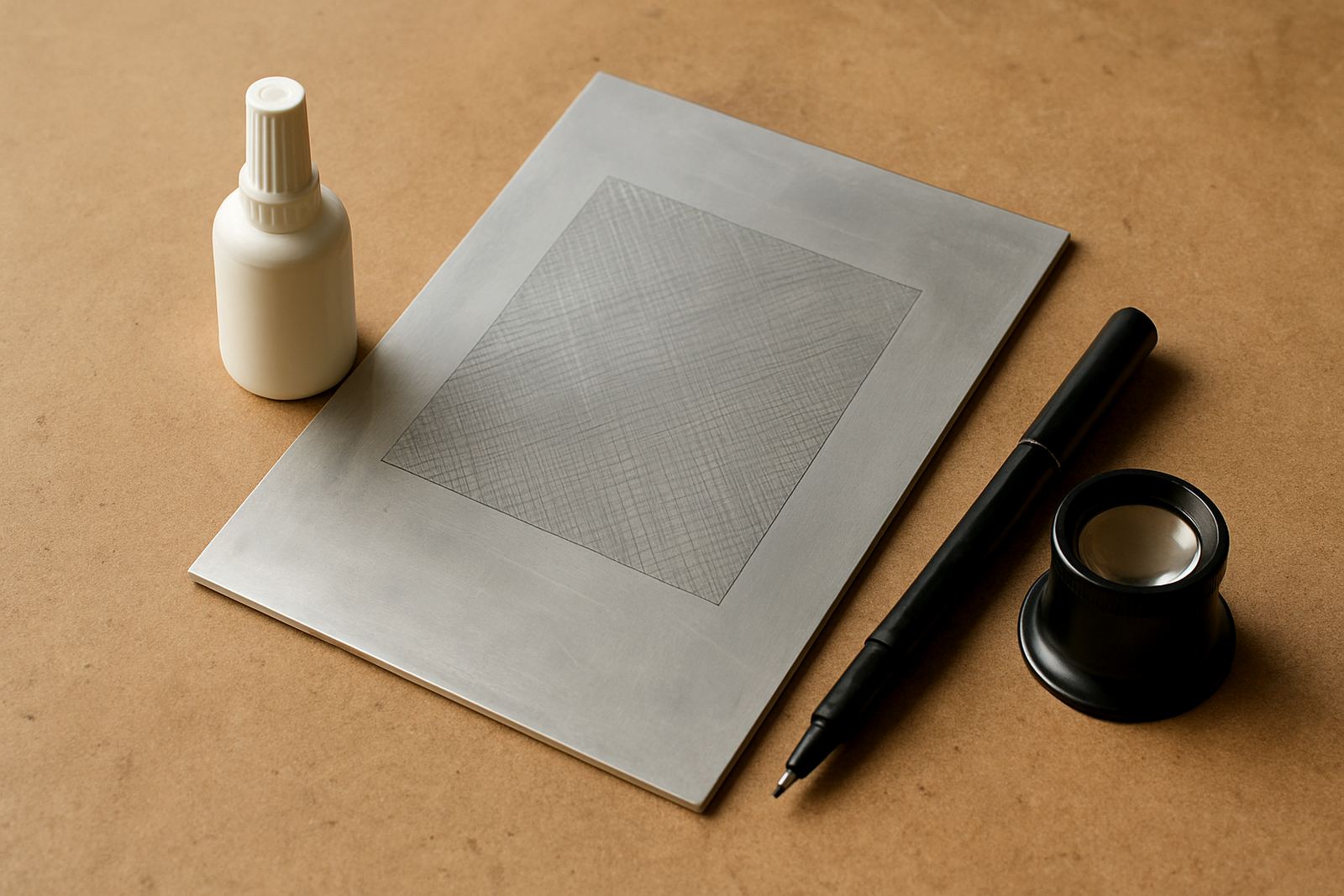
When and how to use correction products for small practical changes.

When to Change Blankets

When to Change Blankets

Signs that a blanket is nearing replacement and may affect print quality.

Roller Cleaning Mistakes

Roller Cleaning Mistakes

Avoidable cleaning errors that can shorten roller life or reduce performance.

Supply Planning Matters

Supply Planning Matters

Why planned ordering helps printrooms avoid emergency shortages and costly delays.

Stock Rotation Tips

Stock Rotation Tips

A practical approach to rotating chemistry and plate stock for safer use.

Humidity In Prepress

Humidity In Prepress

How environmental conditions can influence plate handling and storage outcomes.

Why Register Shifts

Why Register Shifts

A broad look at factors that can contribute to register movement on press.

Improving Solid Coverage

Improving Solid Coverage

Consumable and setup factors that can help improve solid areas on printed sheets.

Image Sharpness Factors

Image Sharpness Factors

Why plates, blankets and chemistry all contribute to crisp reproduction.

Chemistry Safety Basics

Chemistry Safety Basics

Foundational handling and storage advice for common printroom chemicals.

Plate Delivery Checks

Plate Delivery Checks

What to inspect when new plate stock arrives at your site.

Role Of Packing

Role Of Packing

How underpacking contributes to pressure setup and print transfer quality.

Better Repeat Jobs

Better Repeat Jobs

Why documented consumable choices help achieve more predictable reprints.

Track Plate Waste

Track Plate Waste

A simple way to review avoidable plate waste and improve handling habits.

First Sheet Quality

First Sheet Quality

What influences early sheet quality after mounting a fresh plate set.

Plate Room Layout

Plate Room Layout

Why organised workflow and storage can improve safety and speed in platemaking areas.

Pressroom Smells Explained

Pressroom Smells Explained

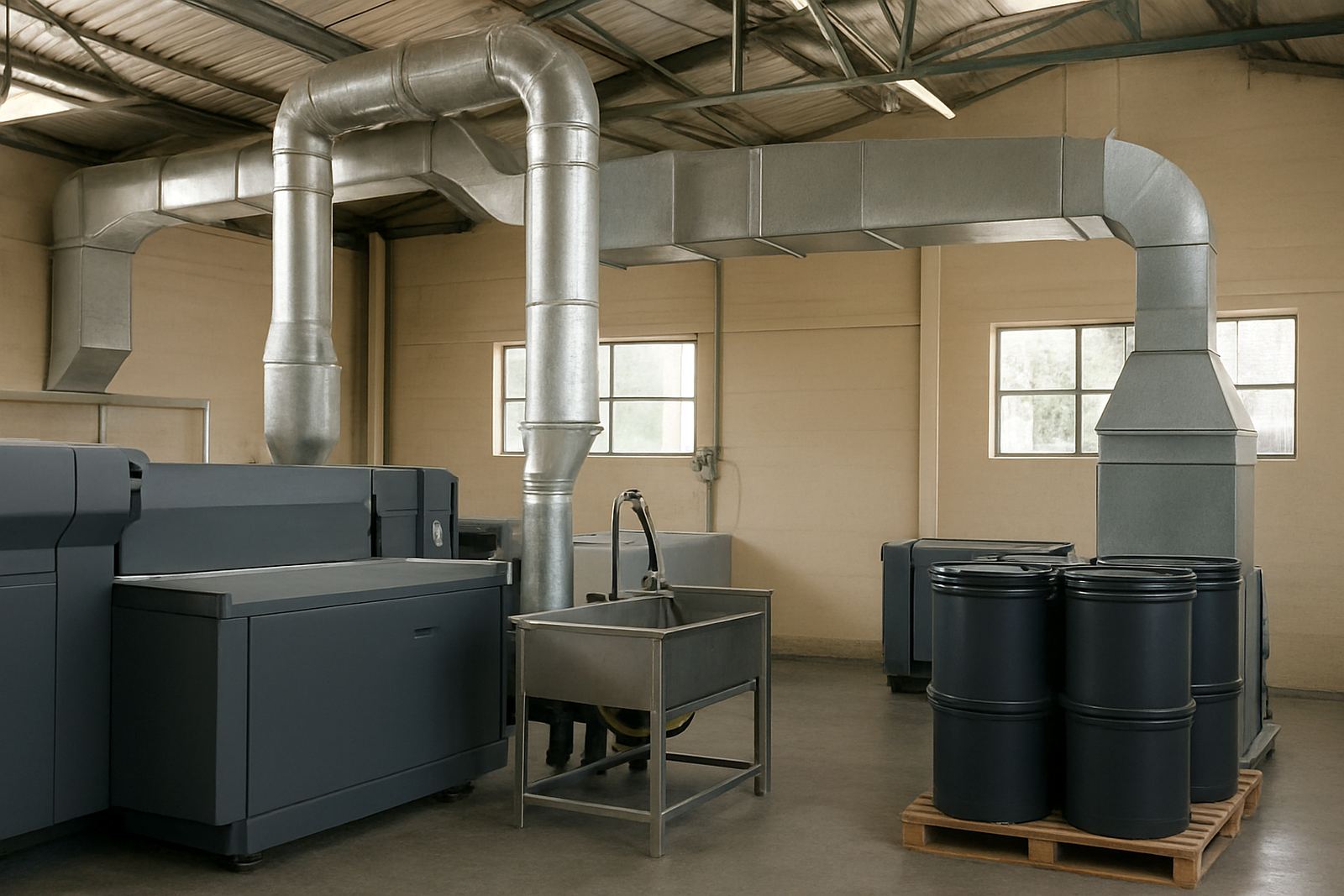
What strong odours may indicate about cleaning, chemistry or ventilation practices.

Cleaner Pressroom Daily

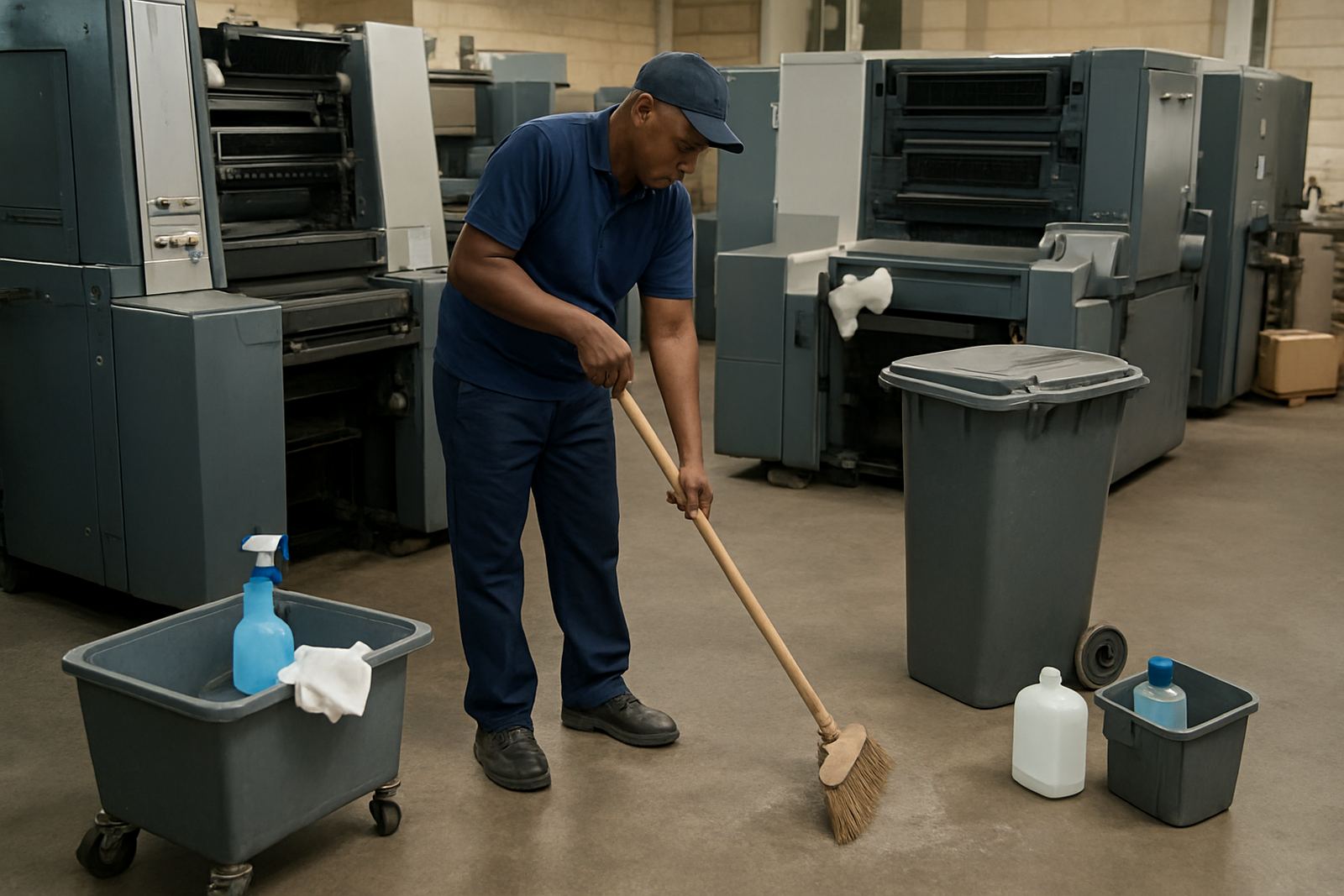
Cleaner Pressroom Daily

Small daily routines that help keep production spaces cleaner and more efficient.

Training New Operators

Training New Operators

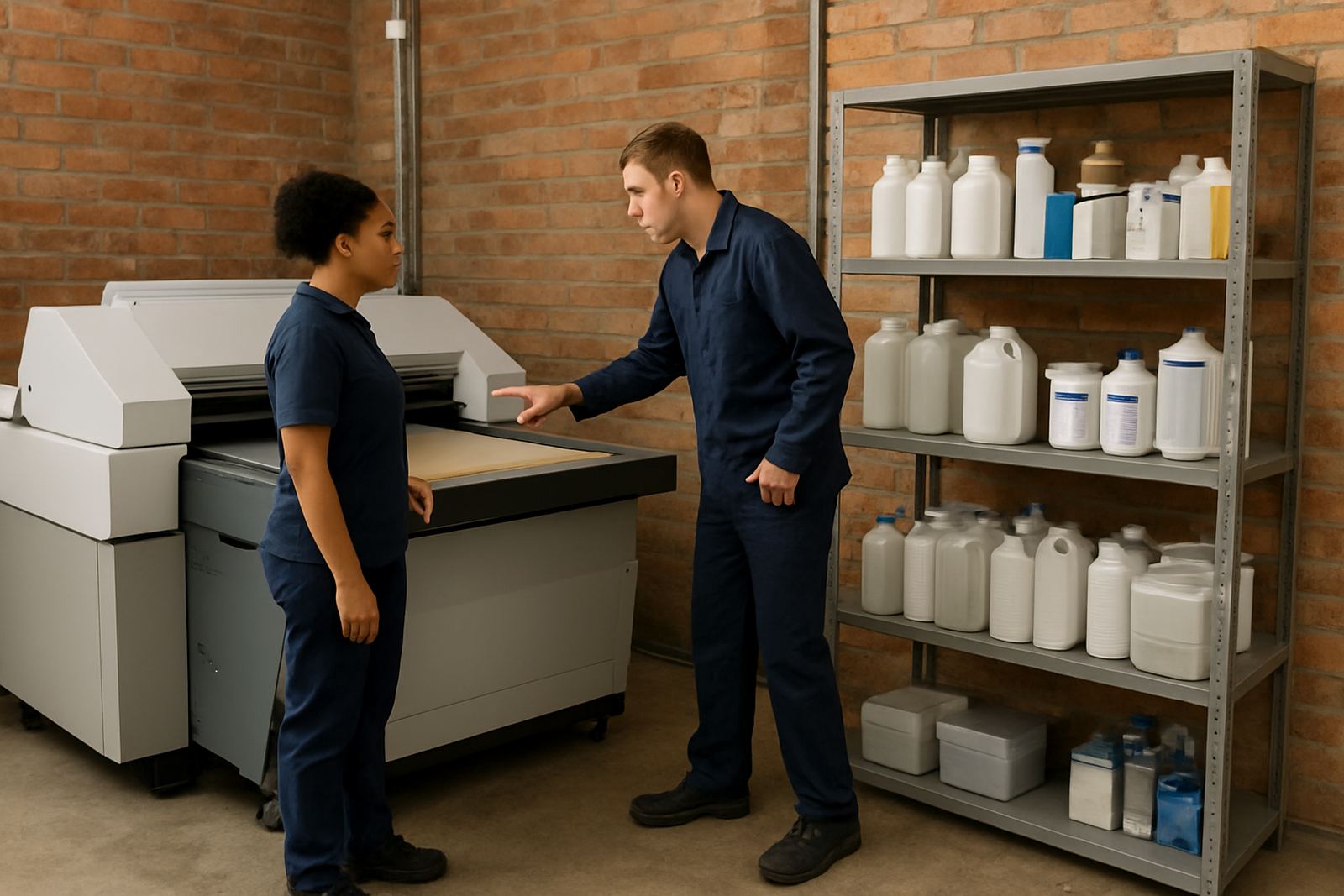
Core topics to cover when introducing staff to plate and chemistry handling.

Choosing A Supplier

Choosing A Supplier

Questions printers can ask when reviewing reliability, stock support and technical value.

Answers before the run starts

Most press trouble is cheaper to solve before a run starts than after a plate has gone bad or a press has stopped mid job. The notes here deal with CTP plates, pressroom chemistry, blankets, plate handling and the small checks that keep print quality steady in busy South African operations.

Some pieces speak to buyers in Roodepoort or Midrand who need to plan supply, while others help technical teams in Germiston or Pretoria sort out colour drift, blanket wear, or processor issues.

Start with the fault you can see

Begin with the issue you can see on press or in platemaking. If plates are not holding clean dots, check plate selection and handling first. If the press is giving unstable colour after a changeover, turn to chemistry balancing or colour stability checks. If you are trying to reduce waste, look at wash programmes, supply planning and production troubleshooting.

  • For new operators: start with plate handling training and press startup help.
  • For supervisors: read colour stability checks, blanket assessment and workflow notes.
  • For buyers: focus on consumable care, stock planning and service intervals.
  • For technical teams: check processor servicing, chemistry balancing and troubleshooting guidance.

That way the fix starts at the part of the process that needs attention. It saves time and helps the right person on the team take the right action.

Pressroom topics that affect quality every day

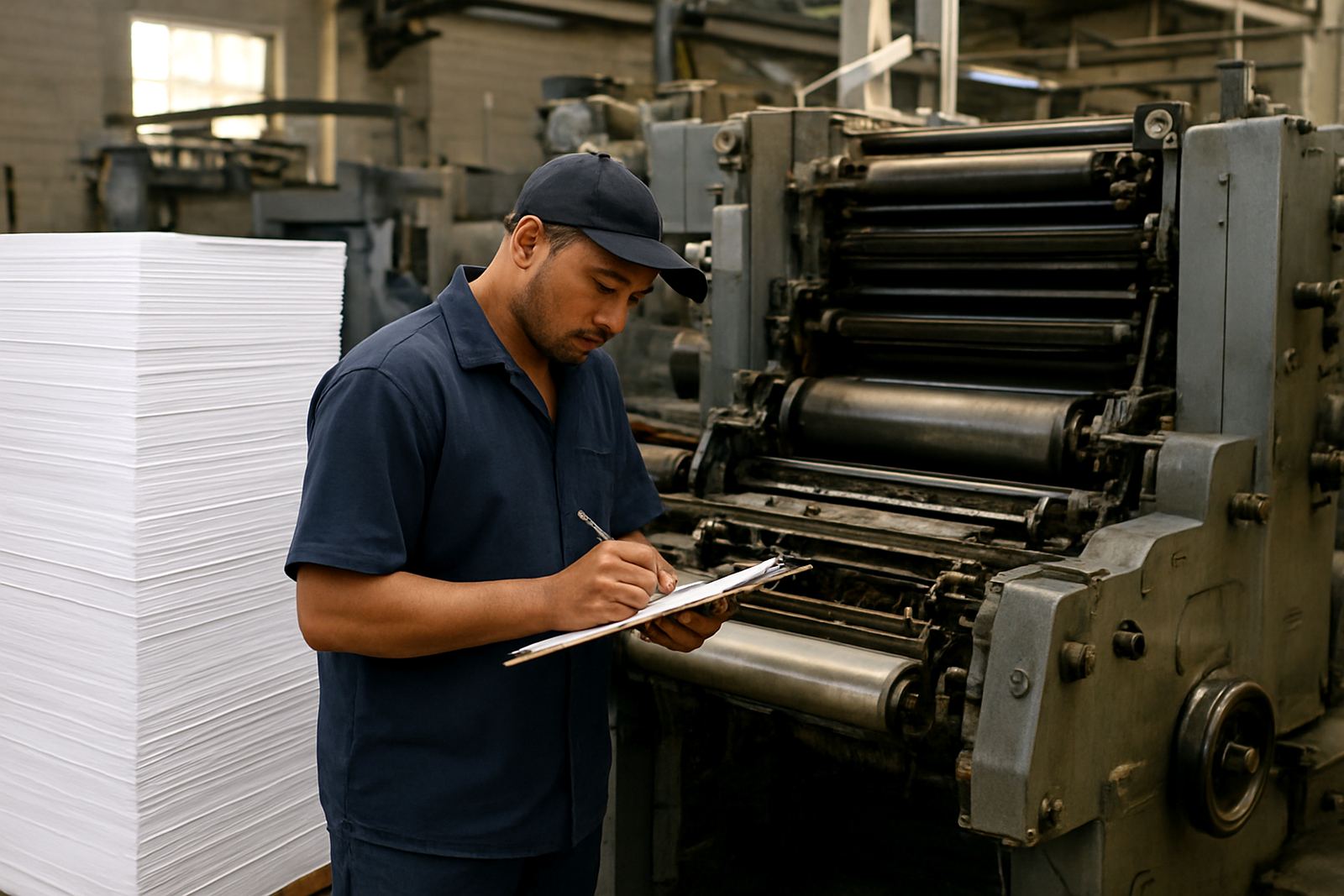
Most print problems start with small shifts, not one big failure. A blanket that is a bit tired, chemistry that is slightly out, or plates handled with oily hands can all show up later as scumming, ghosting or colour variation. On a long shift, those small changes can build up fast, especially when weather changes or a rushed changeover interrupt the usual rhythm.

  • Blanket assessment for wear, swelling and surface damage.
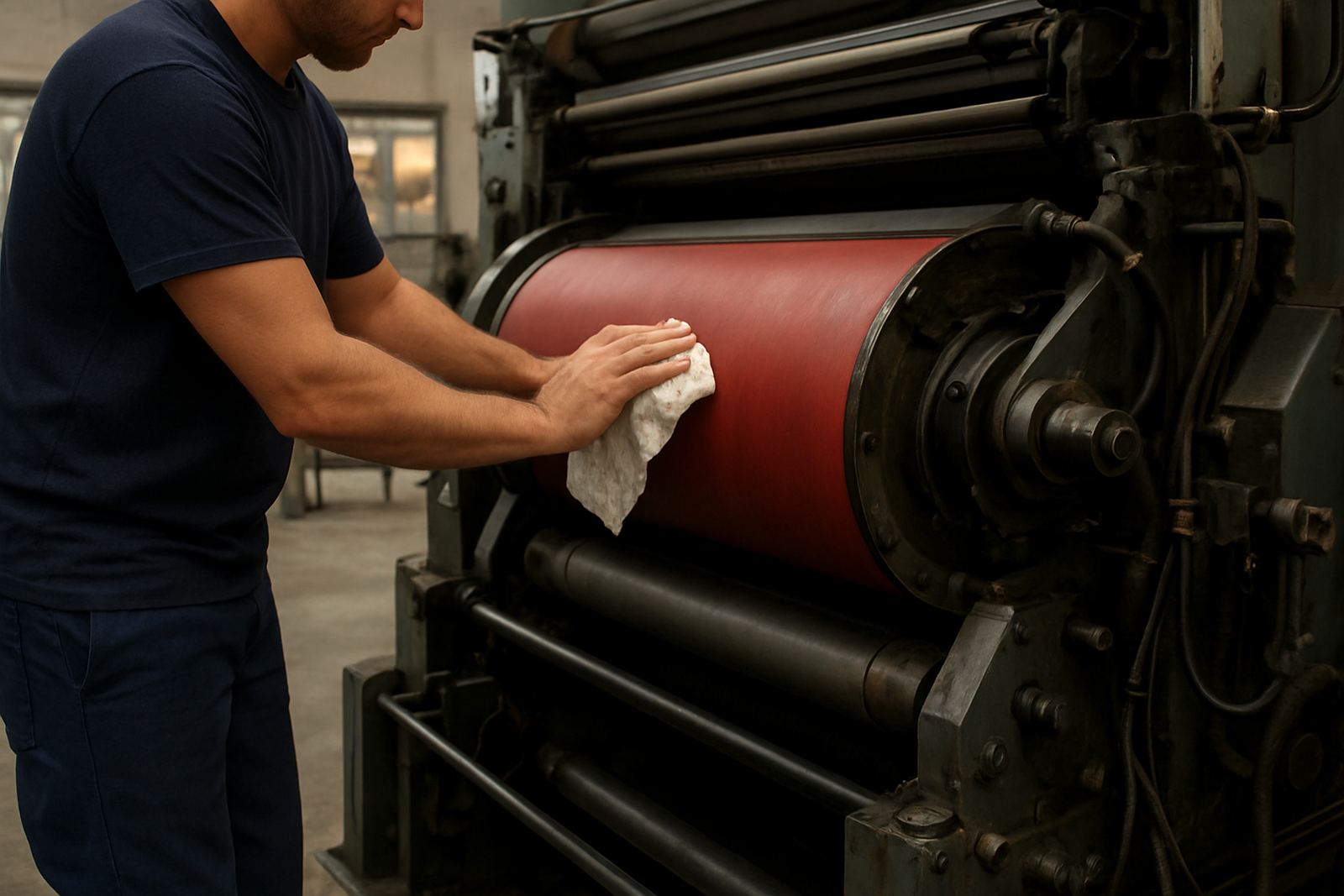
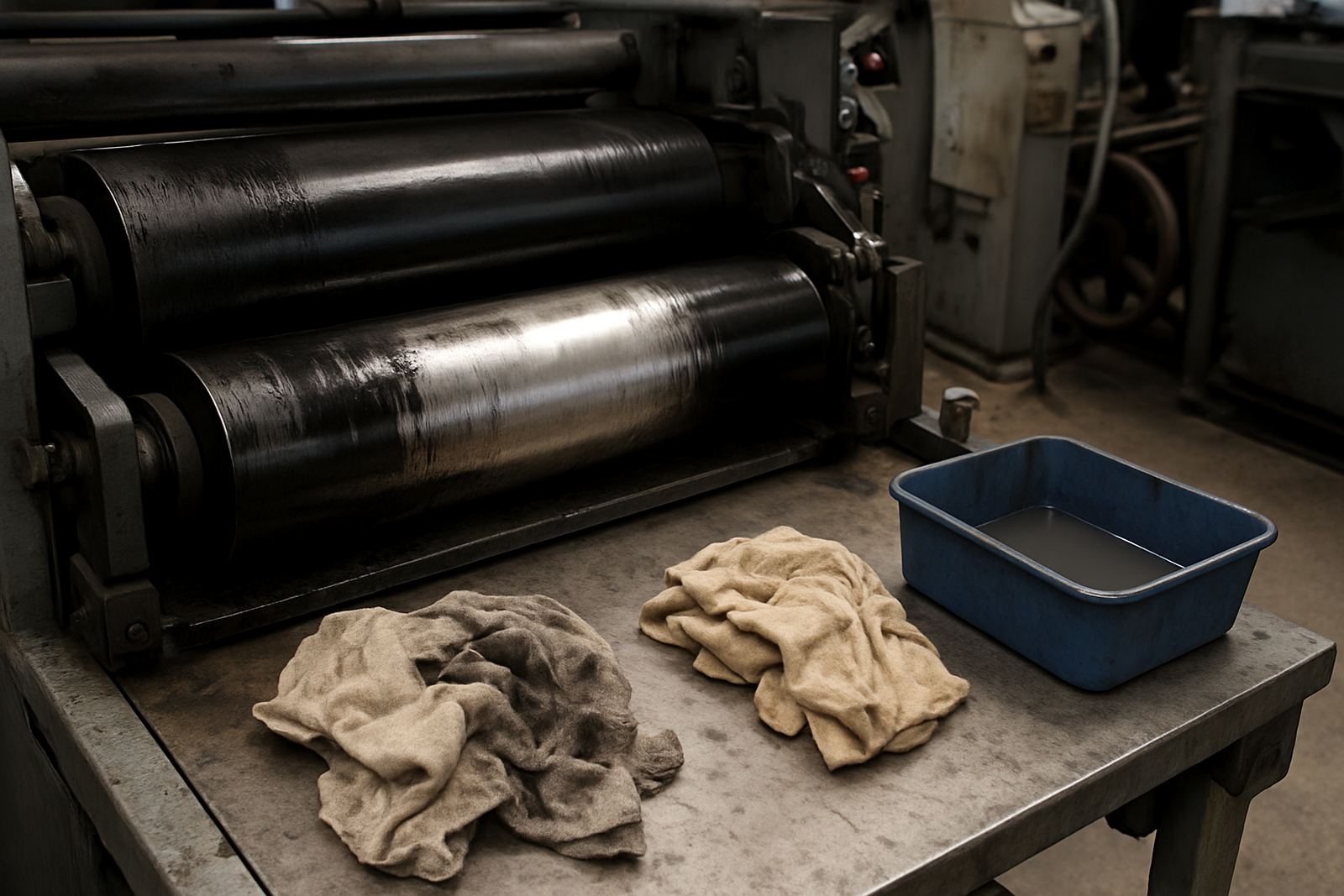
  • Wash programmes suited to the inks, stock and cleaning cycle in use.
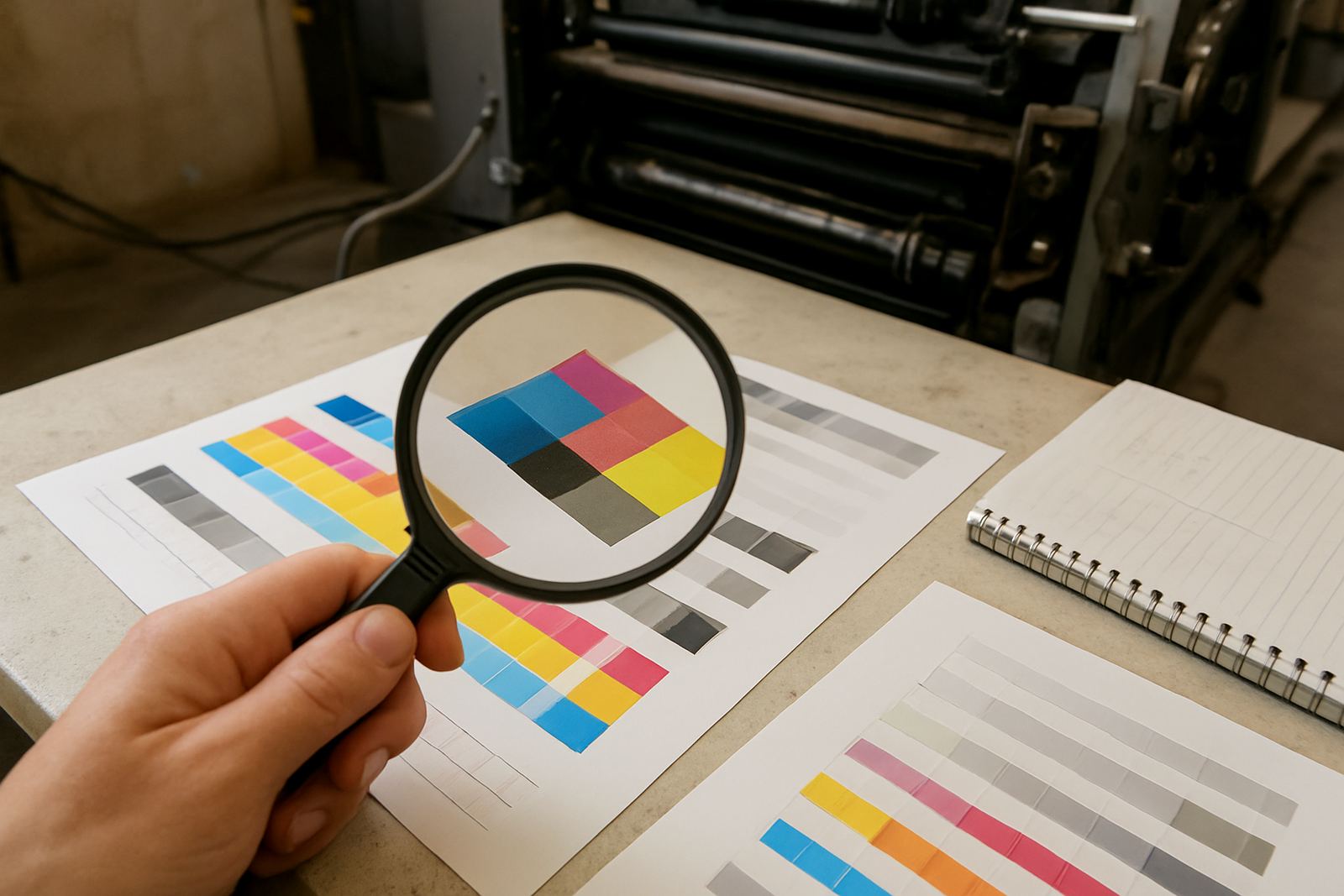
  • Colour stability checks before full production ramps up.
  • Plate selection matched to job length and substrate.

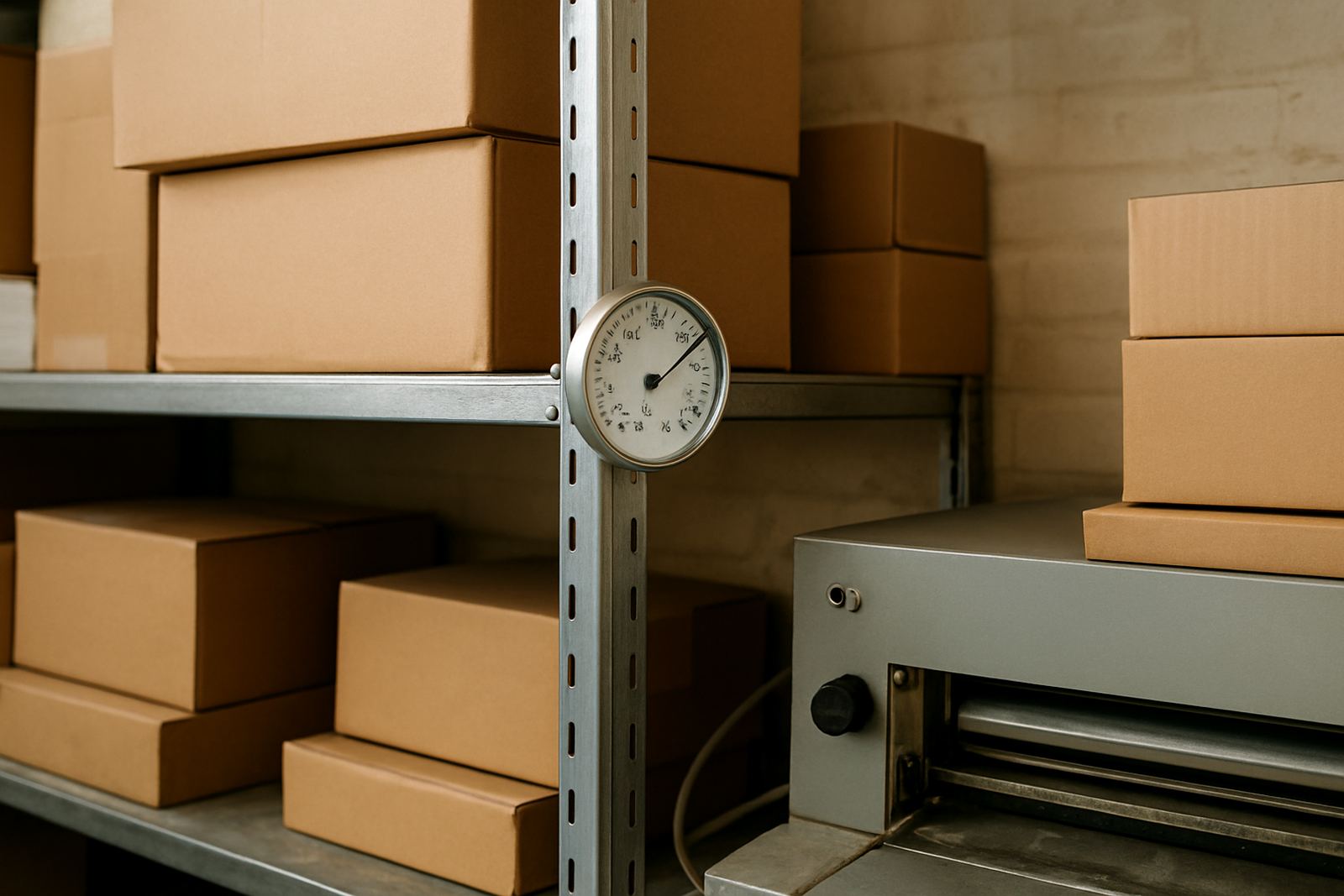
Summer humidity, dust in the plant and mineral-heavy water all play a part, so control has to be built around local conditions. A quick check before a run is often cheaper than re-making plates or scrapping sheets later.

Consumable care for plates, chemistry and blankets

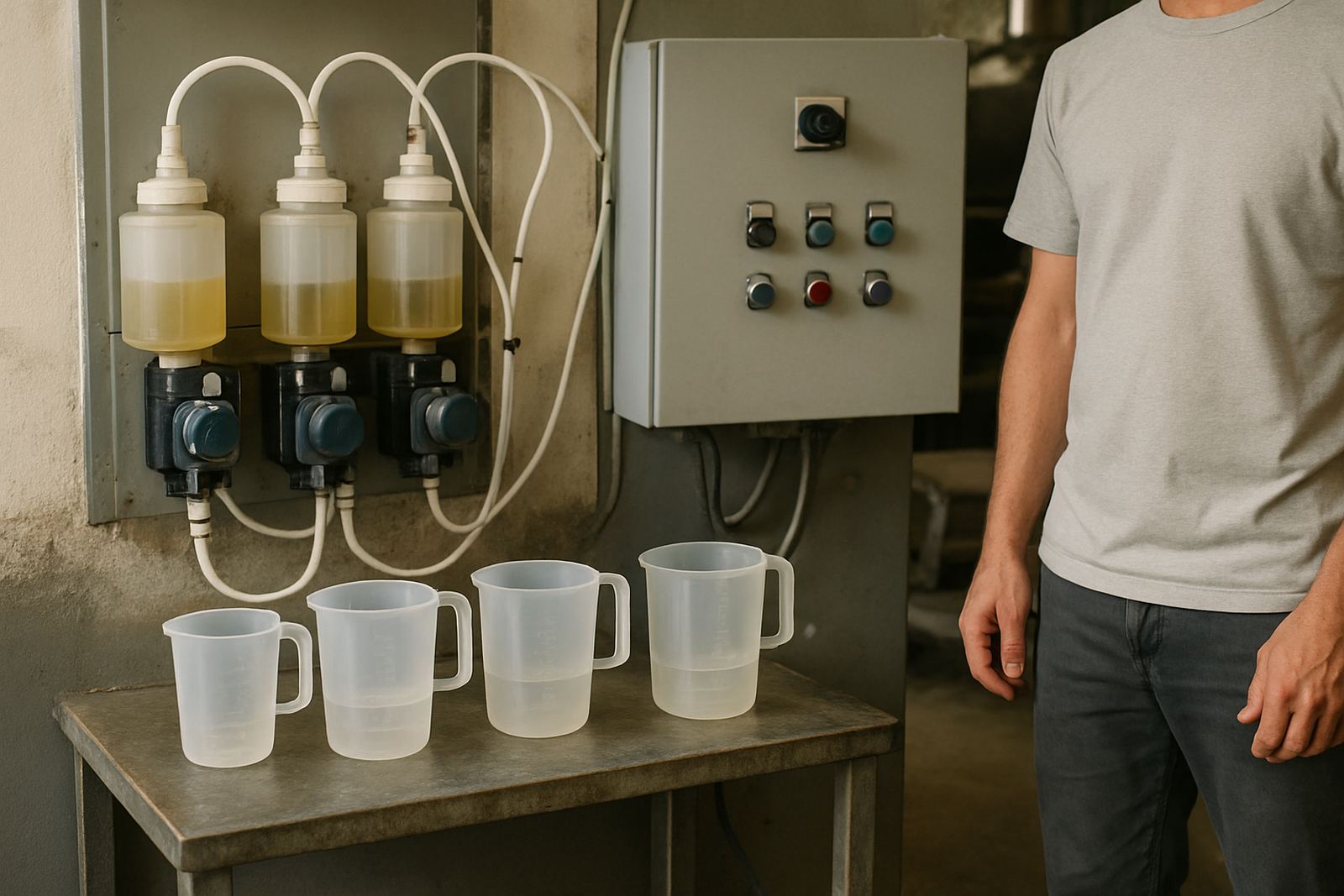
Consumables only perform well when they are stored, mixed and used properly. Plates need clean handling and the right packing. Chemistry has to be balanced to the machine and kept within the expected window. Blankets need regular inspection before they start affecting dot transfer, not after the print has already moved off target.

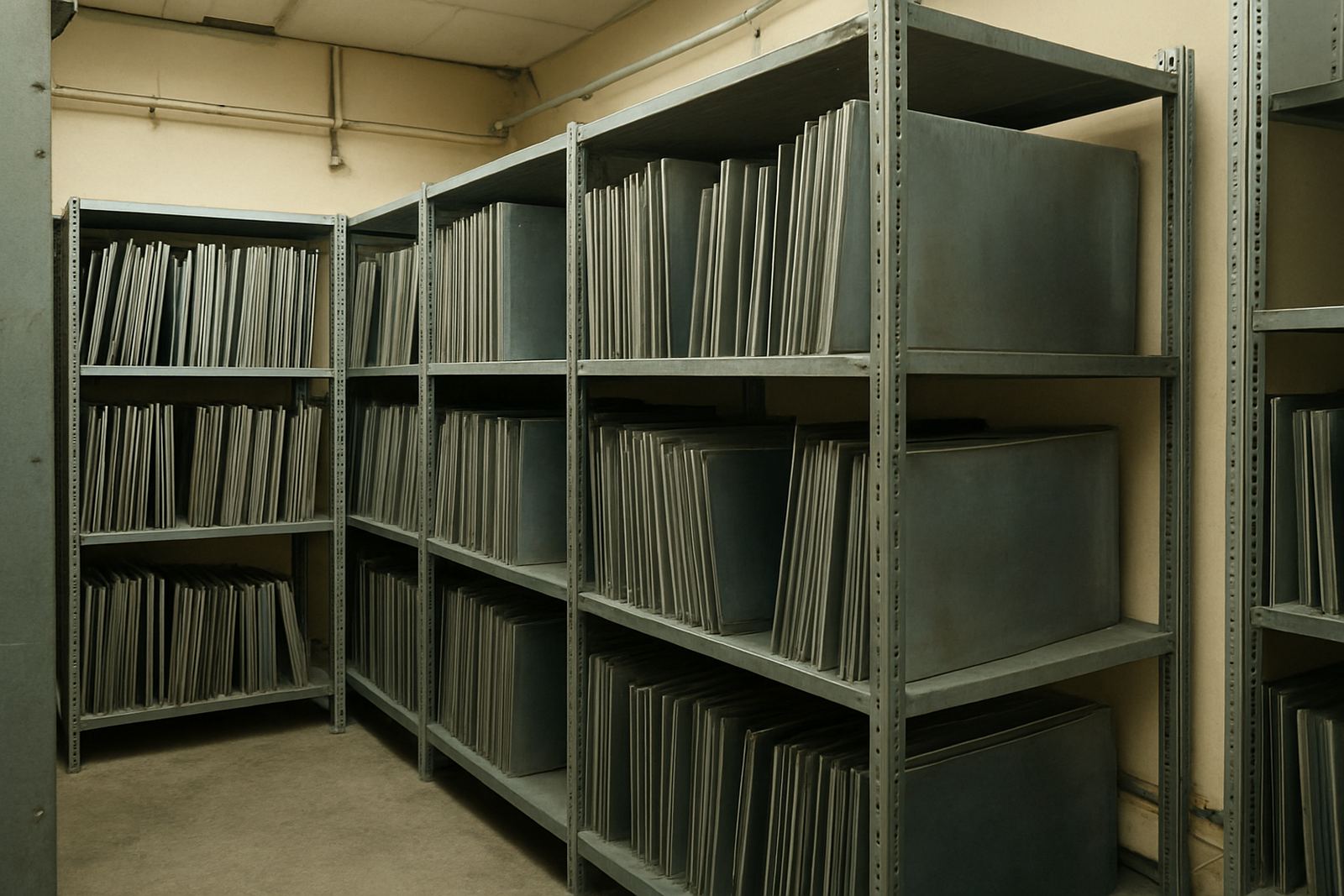
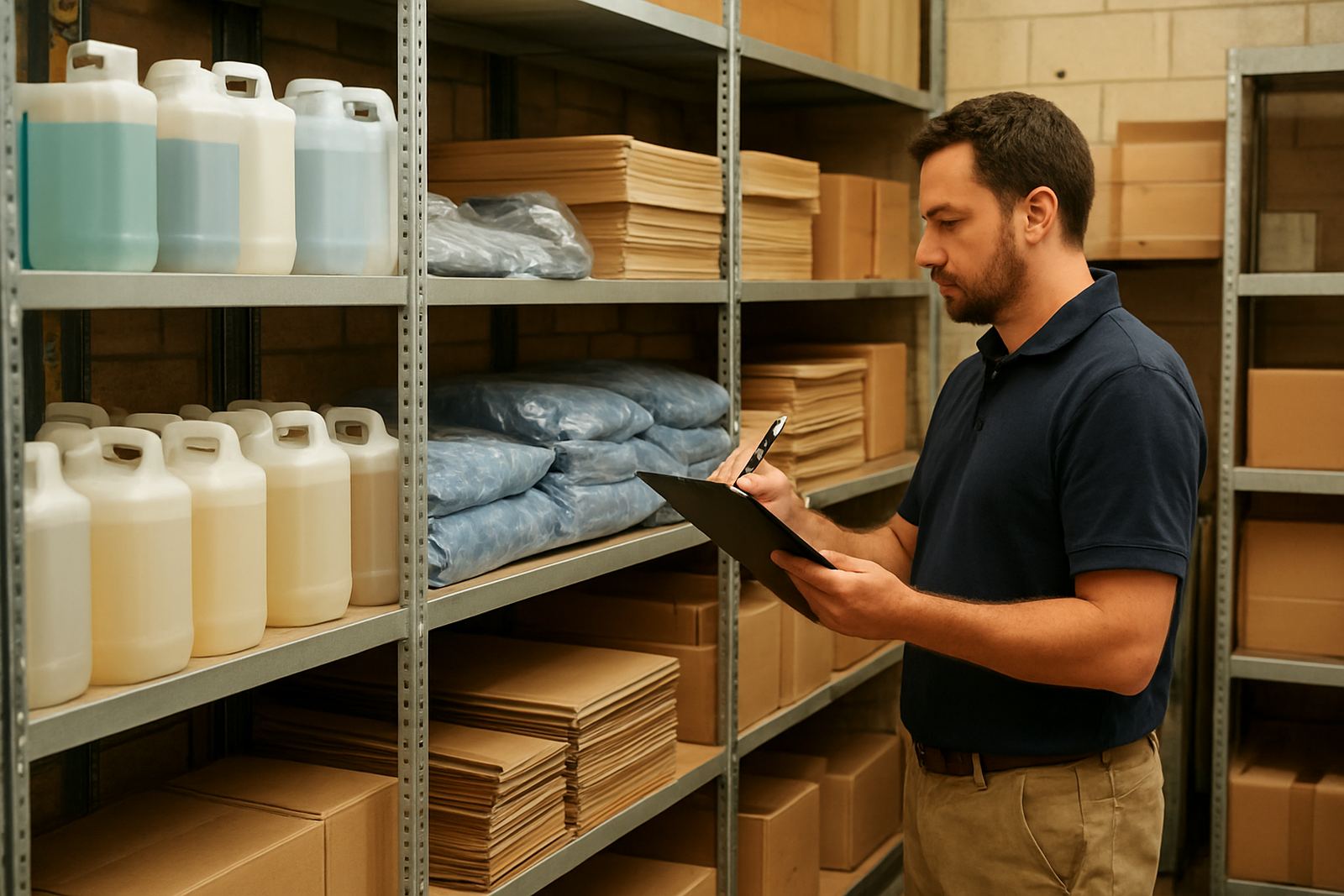
In many South African printrooms, space is tight and the stock room gets worked hard. That makes clear storage discipline important. Keep the area dry, label opened containers, rotate stock and record what was fitted where. Simple routines, kept every shift, protect output. Small errors there can cost a lot more than a fresh consignment of supplies.

Training, servicing and startup support

Advice only counts when the crew can apply it on the floor, which is why press startup help, plate handling training and processor servicing come up so often. These are the tasks that reduce stoppages and help new staff settle faster.

LithoPrinting Plates works with pressrooms across Johannesburg, Pretoria, Randburg, Roodepoort, Midrand and Germiston, and works to the realities of those pressrooms. Teams need clear steps, realistic checks and support that fits live production. Not theory for the sake of it.

  • Startup checks for new shifts and after maintenance.
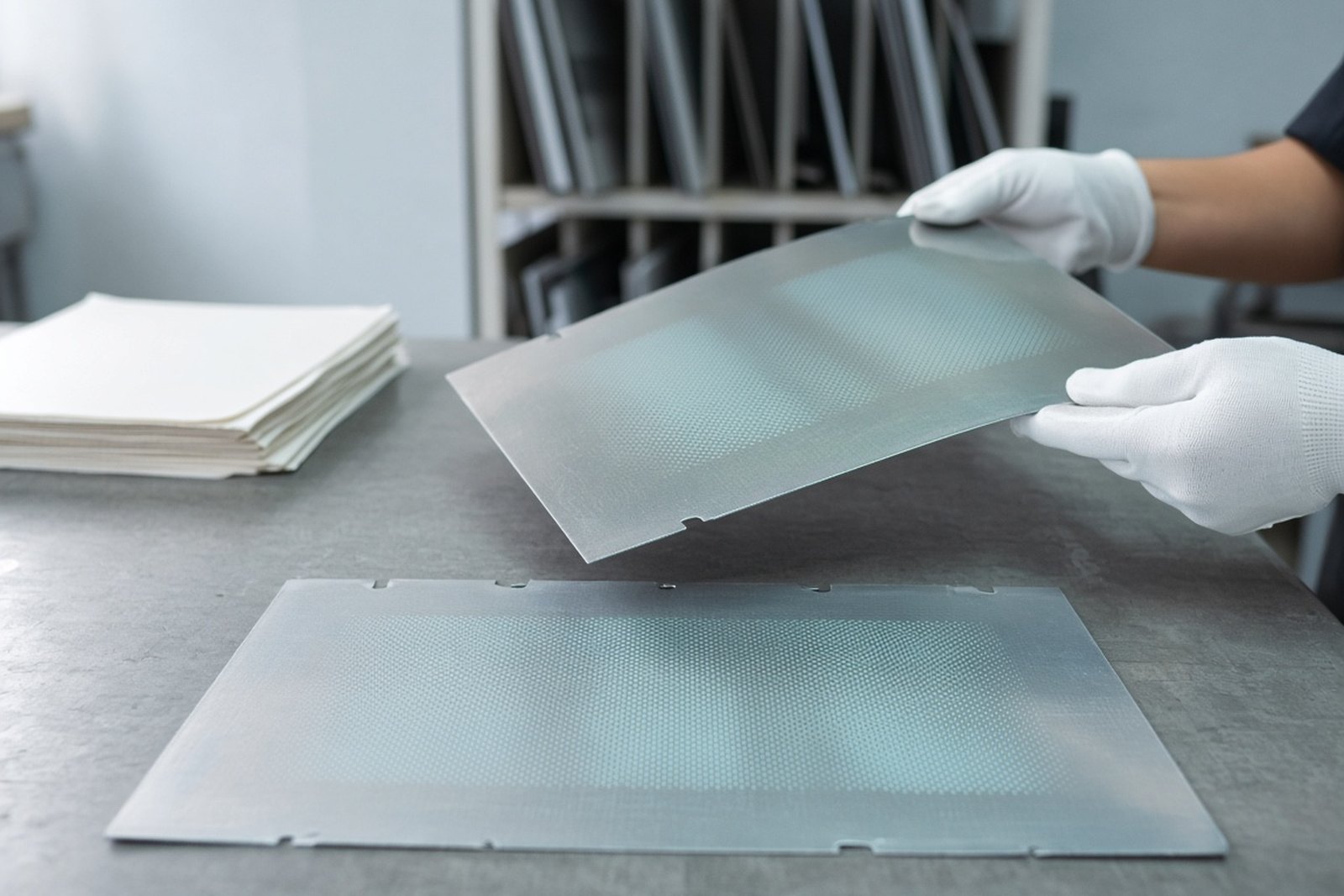
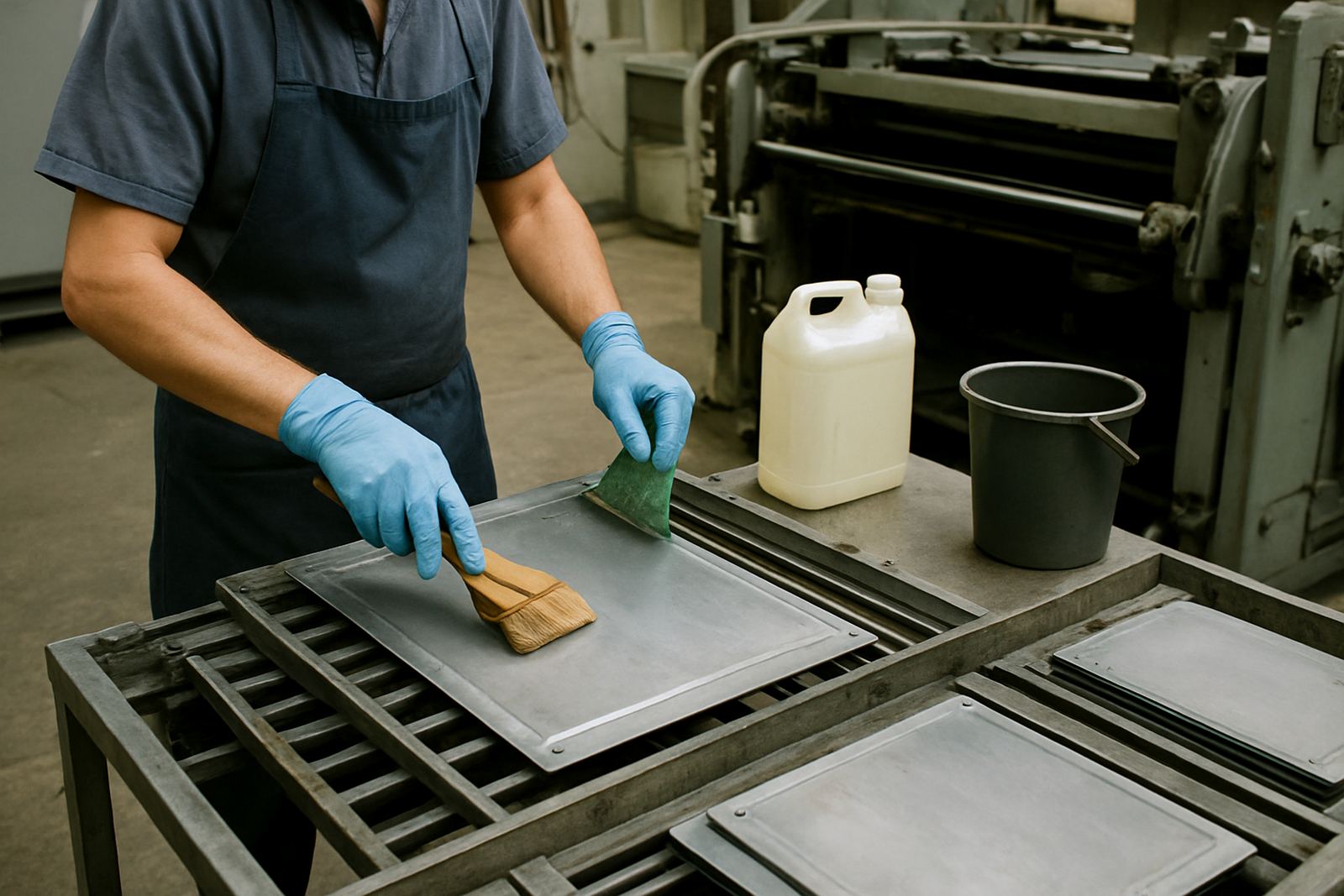
  • Handling methods that reduce scratches and contamination.
  • Servicing guidance to keep processors within spec.
  • Troubleshooting notes for repeat faults and off-colour runs.

Planning supply around production pressure

Supply planning matters when the press schedule is full and lead times leave little room for error. A missing plate, delayed chemistry top-up or a worn blanket can stop a run or force a costly substitution. Buyers and production managers have to decide what stays on the shelf and what to watch before stock gets too low.

Export work, short local runs and finishing lines all depend on tight timing, and so does any plant trying to cut waste without risking quality. The aim is simple, keep production moving and make each Rand spent on consumables count.

If you are unsure where to begin, start with the part of the process causing the most pressure today. Then build from there.

Questions we get asked

Which pressroom problems come up most?

Scumming, colour drift, blanket wear, plate damage and processor faults, plus the stock planning that stops a run waiting on consumables.

Do you cover chemistry as well as plates?

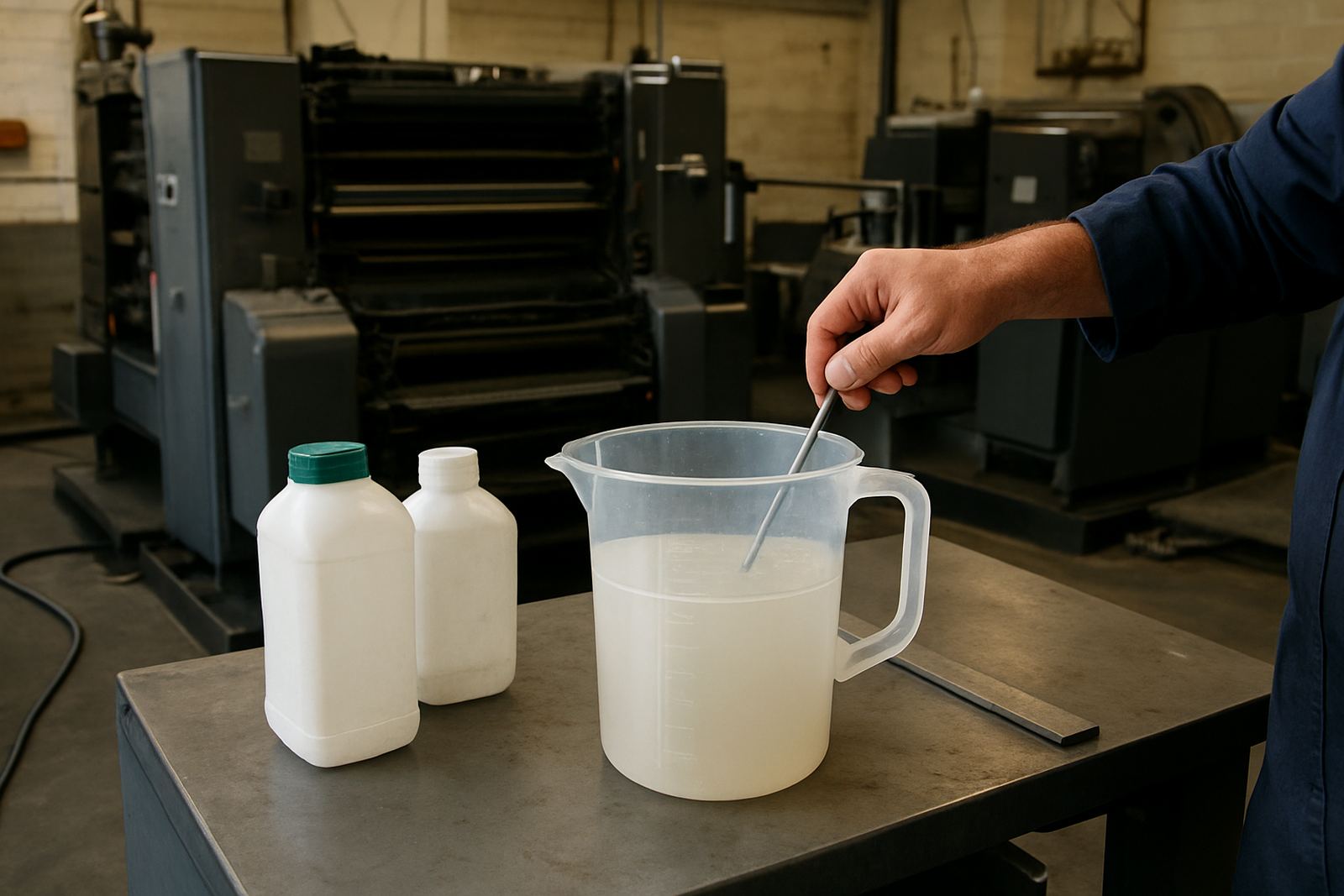
Yes. Fountain solution, developer, gum and wash-up chemistry get as much attention as CTP plates, blankets, plate handling and startup checks.

Do these problems differ outside Johannesburg?

Not much. Our customers at the coast fight more humidity and Highveld plants more dust, but the fixes are the same.

Request plates, chemistry or blanket supply.

Contact form