What plate scumming looks like on press
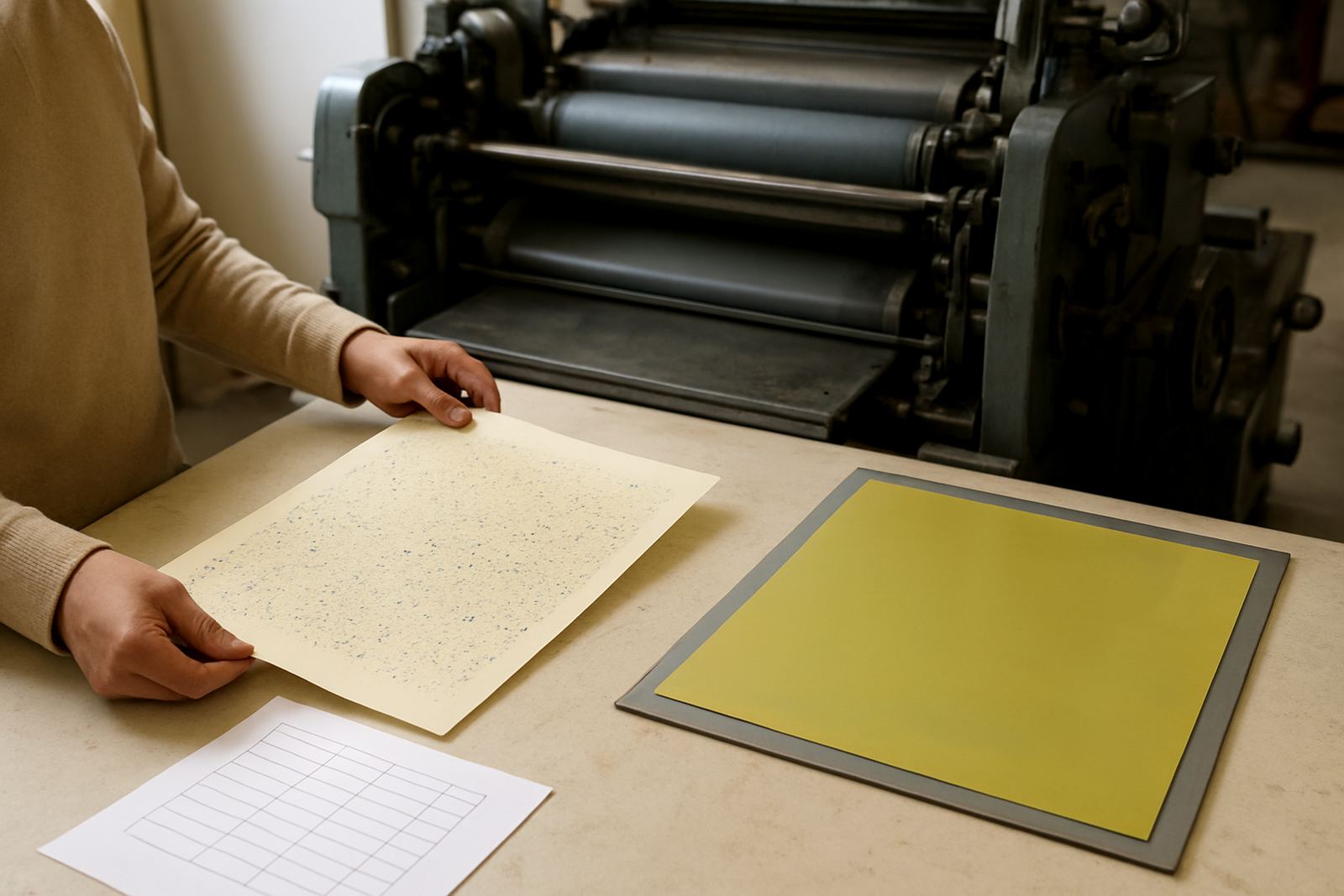
Scumming is unwanted ink or toning appearing on the non-image areas of the plate. On press it may show as a light grey film, a dirty edge on solids, or random marks that should not be printing at all. In a busy pressroom it is easy to blame the plate first, but the issue is often a balance problem between plate, dampening solution, ink and speed.
Start by logging the moment it appears. If the scum appears from the first sheets, the problem is usually in plate processing, fountain solution, or plate prep. If it develops after 20 minutes or after a wash, look at water settings, gum condition, blanket residue and contamination from paper dust or ink build up.
- Light haze on the non-image area
- Dirty margins that get worse with longer runs
- Scum limited to a single unit or sheet side
- Marks that change after a blanket wash or chemistry top-up
The most common causes behind plate scumming
In Johannesburg and across Gauteng we see the same causes repeat themselves. The plate may be under processed, over processed, scratched, or stored badly before mounting. Chemistry that is too weak, too strong, or dirty can also make a good plate behave badly. Add high factory temperatures in summer, frequent press stops, or overnight humidity changes and the result is often inconsistent non-image area protection.
The press itself can drive the problem. Too little dampening, too much ink, a worn roller train, or a blanket carrying old glaze can all push ink where it should not go. Even the wrong paper stock can make matters worse, especially on lower grade sheets with more dust and filler.
- Incorrect plate exposure or processing
- Weak, dirty, or unbalanced fountain solution
- Damaged dampening or ink rollers
- Plate contamination from fingerprints, spray powder, or wash-up residue
- Improper storage in heat or humidity
Start with the plate room before you blame the press
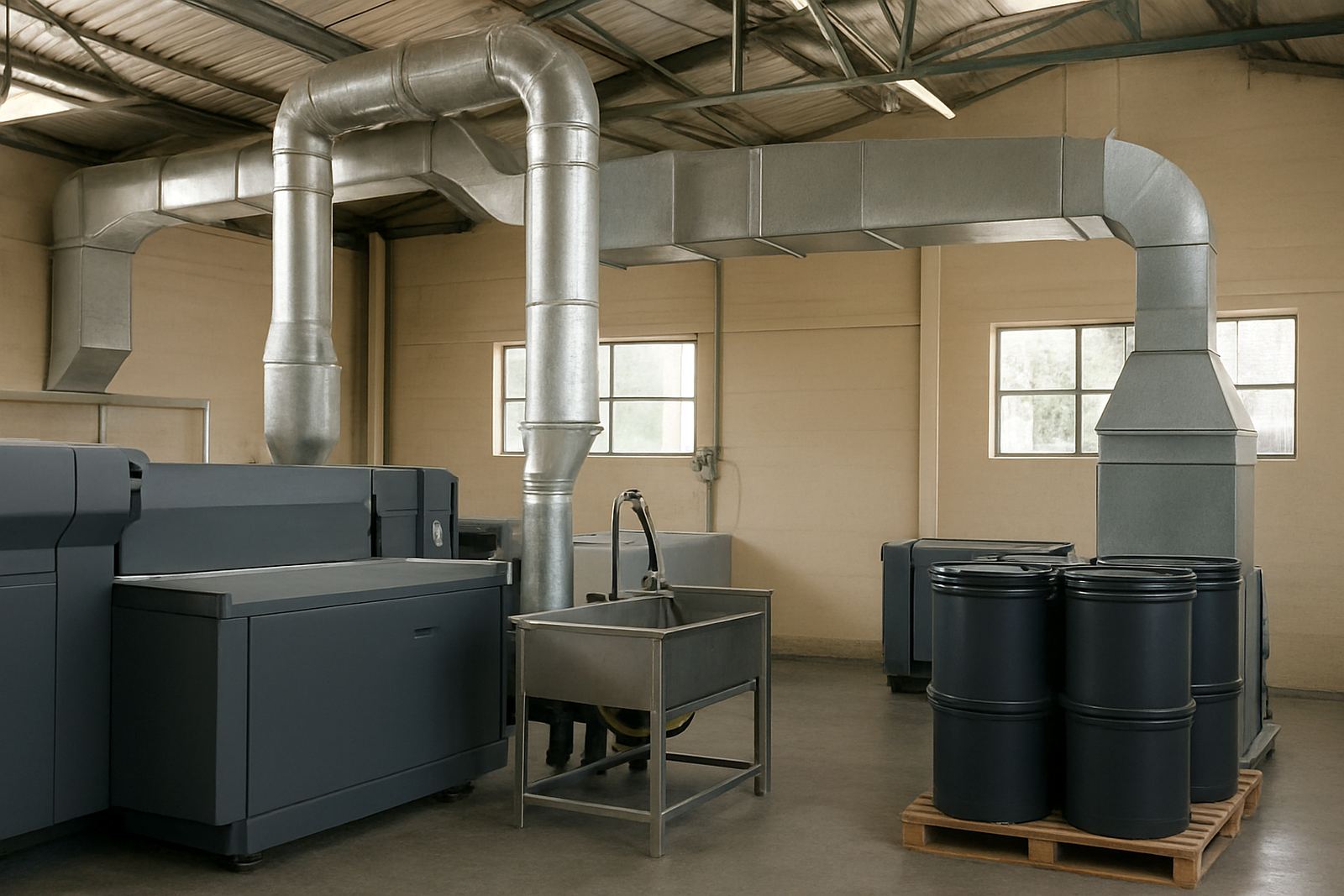
If several jobs are scumming, begin in the plate room. Check whether the processor is delivering consistent development, rinse and gum coverage. A plate that looks fine at first glance can still carry residual chemistry or have a weak non-image layer that breaks down on press. Make sure the plate is dry before handling, and that gloves are clean. A little oil from a hand can cause enough contamination to trigger scumming on a sensitive job.
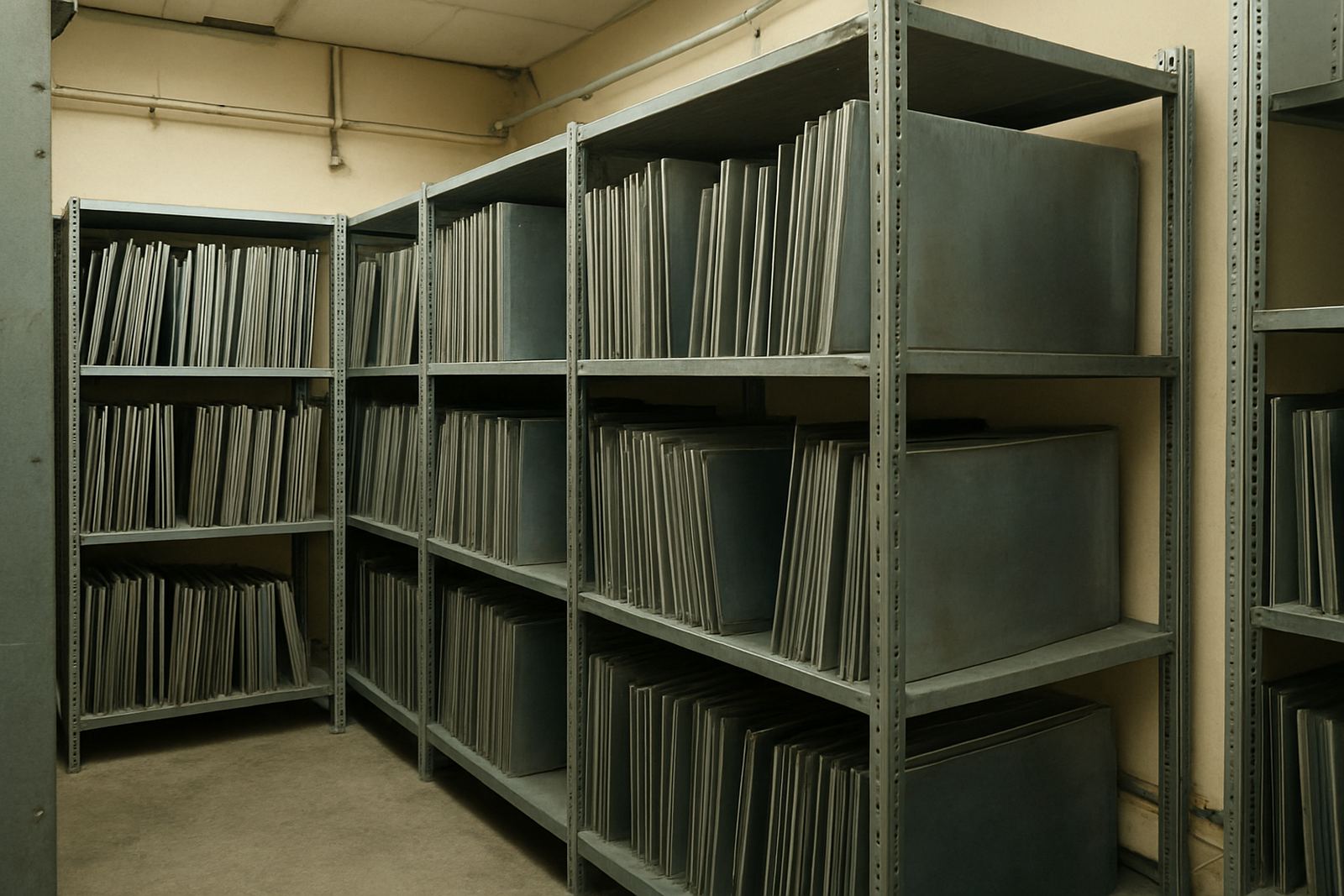
Plate storage matters too. In Industria West and Roodepoort, where some production spaces get warm and dry during the day, plates can lose stability if they sit exposed for too long. On the other side, summer moisture can affect stored material in different ways. Keep plates flat, sealed, and away from dust. If a plate is bent, marked or has edge damage, do not force it onto press and expect a clean result.
- Check processor temperature and dwell time
- Confirm rinse and gum delivery are even
- Inspect plates under strong light before mounting
- Shelving for plates: flat, clean and free of damp
Chemistry balance is often the real cause
When fountain solution is out of range, scumming is one of the first signs. Too little acid, too much gum, stale recirculated solution or contamination from wash-up chemicals can all upset the balance. If the pH is drifting or conductivity is climbing without control, the non-image area on the plate may stop repelling ink properly. That is especially common on long runs where top-up water quality changes through the day.
Do not rely only on smell or appearance. Use proper checks and record the numbers. A small shift can look harmless at 7am and become a proper headache by noon. Our team often sees jobs from Randburg to Pretoria where the issue was not the plate at all, but a solution tank that had not been cleaned in months.
- Record pH and conductivity at start-up and during the run
- Watch for residue in the tank or lines
- Keep top-up water consistent
- Avoid mixing old wash chemicals with fresh fountain solution
Press checks that can stop scumming quickly
Once the plate room and chemistry are ruled out, move to the press. Set the dampening system properly before chasing colour. A common mistake is increasing ink to cover a weak image, which only makes the scum worse. Instead, reduce the source of contamination and give the non-image areas a clean chance to stay water receptive.
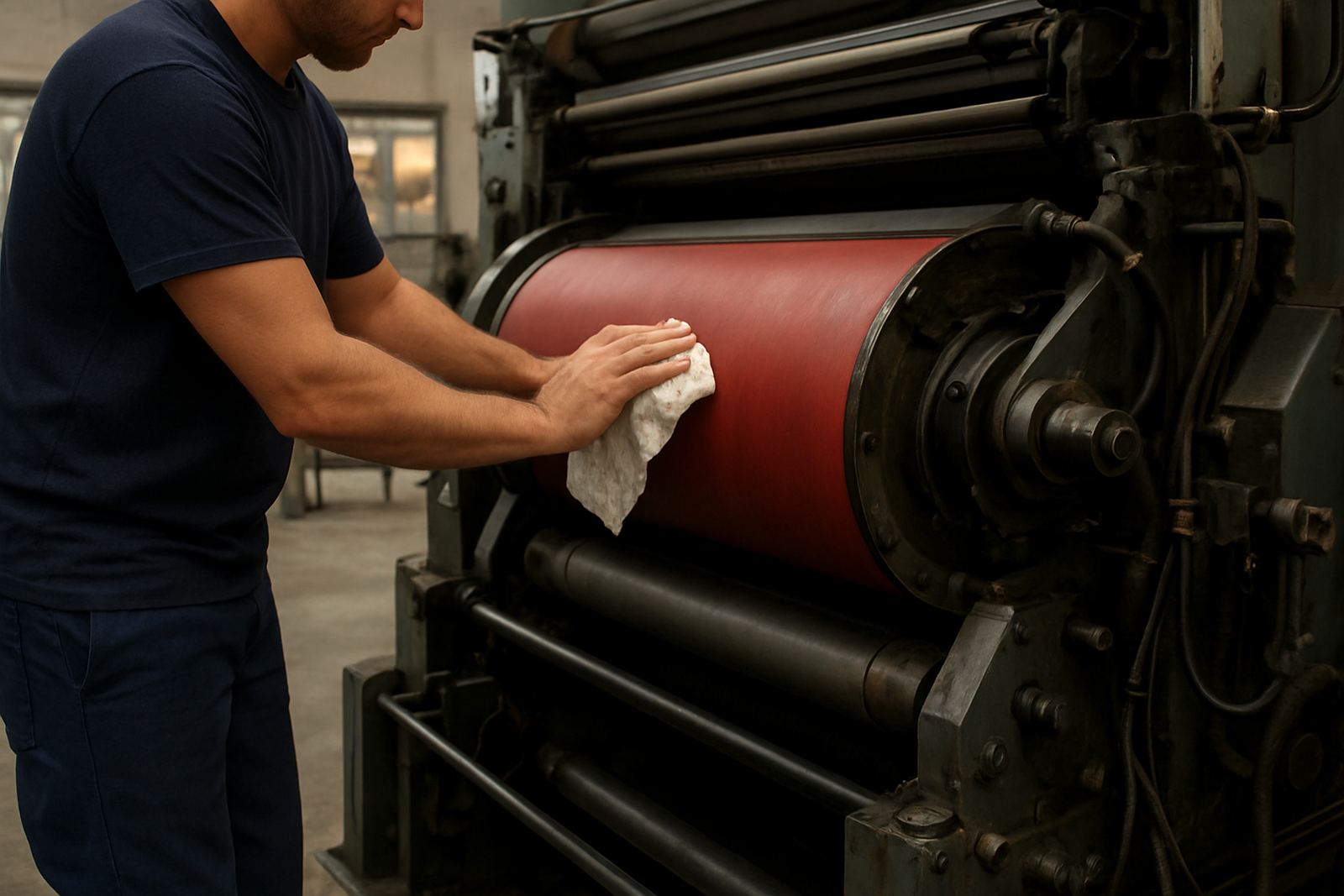
Blankets and rollers deserve a look as well. A blanket that is glazed, swollen, or carrying paper lint can transfer dirty marks back to the sheet. Roller pressure that is uneven across the width of the unit will cause one side to scum while the other stays clean. Small adjustments matter, and sometimes the fastest fix is a careful clean down and a proper reset rather than repeated tweaks.
- Stop and inspect the plate under press light
- Check dampening flow and roller contact
- Clean blankets and rollers if residue is present
- Restart with stable ink and water settings
Plate scumming under load in a Gauteng pressroom
A finishing plant in Midrand recently had recurring scumming on a 4-colour job for a retail client. The team kept adjusting ink and blaming paper, but the marks returned on every second shift. After inspection, the main issue was a combination of old fountain solution, a lightly glazed blanket, and plates that had been left open near the loading bay overnight. Once the solution was changed, the blanket checked, and plate handling tightened up, the job ran cleanly with far less wastage.
Most scum cases follow this same chain. The fault is rarely one thing only. Scumming tends to build from several small faults. The sooner you identify the first weak point, the less time you lose on machine start-up and the less pressure you put on the whole production schedule.
A practical diagnosis checklist for the next scum issue
When a plate starts scumming, work through the job in the same order every time. That gives you a repeatable diagnosis and stops the crew from chasing symptoms. If you are servicing customers across Johannesburg, Germiston, Pretoria or farther afield, this method saves sheets and keeps the press moving.
- Confirm whether the issue is on one unit or all units
- Check plate storage, handling and visible damage
- Test fountain solution strength, pH and conductivity
- Inspect rollers, blankets and wash residue
- Review humidity, temperature and recent press stops
- Record what changed before the scumming started
Good diagnosis is not complicated. It is disciplined. Once the cause is clear, the fix is usually straightforward and the press can get back to stable print without wasting another stack of sheets.