When a pressroom smell is a warning, not background noise
Most print floors have a familiar mix of paper dust, damp ink, blankets and wash-up residue. That is normal enough. What should make a team stop and check things is a sharp solvent smell, a sour stagnant odour, or a heavy chemical scent that hangs around long after cleanup. Those smells usually mean the pressroom is telling you something practical about housekeeping, wash programmes or airflow.
In Johannesburg City West, where many plants run with limited space and the doors stay shut against dust, odours can build quickly. If the smell is stronger in one area than another, that often points to a specific machine, drainage point or chemical station. It is worth tracing the source before the next shift starts, because smell is often the first sign of trouble, long before print quality shows it.
Sharp solvent smell often means wash-up is doing too much work
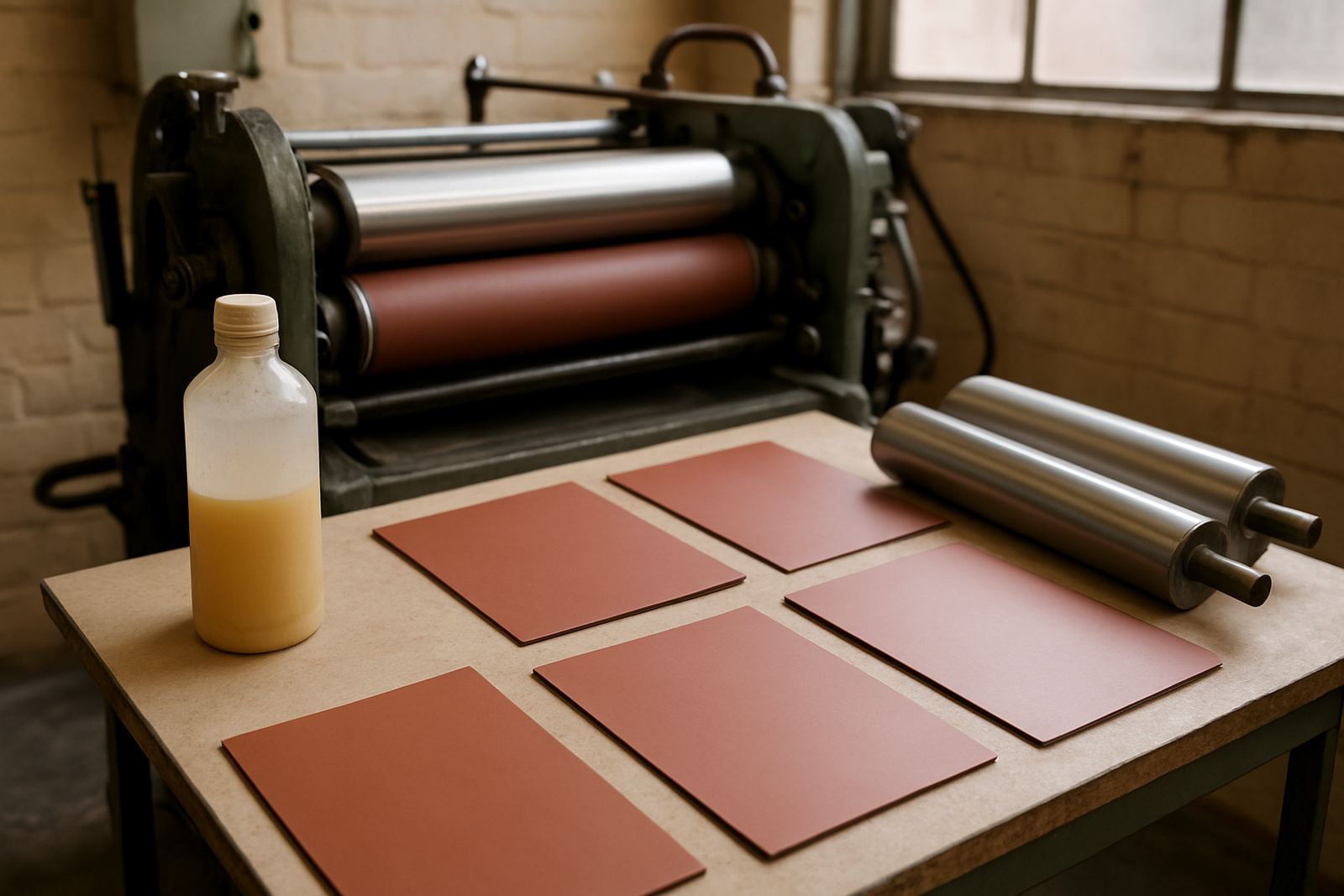
A strong solvent smell usually means the cleaning system is working harder than it should. That can happen when blankets are overloaded with dried ink, when operators use too much wash, or when the wash programme is not matched to the ink set and substrate. If you are cleaning to remove build-up instead of keeping surfaces in control, the smell will tell you so.
Look for these signs:
- Blankets staying tacky after wash-up
- Ink rollers carrying residue from the last job
- Wash cloths or wipes used too heavily and left in open bins
- Operators adding extra cleaner to make up for poor timing
On a busy run in Roodepoort or Germiston, the quick fix is not always more cleaner. It may be better blanket assessment, a tighter wash schedule, or a check on whether the chemistry is right for the paper and ink combination. Too much solvent can also affect operator comfort and raise safety concerns in enclosed rooms.
Sour or stale odours can point to chemistry that has drifted
A sour smell often comes from chemistry that has gone off balance, contaminated wash water, or damp materials left too long in a warm room. In litho work, plate chemistry and dampening solution need regular control. If the smell changes during the day, that is a clue that temperature, topping up, or contamination is shifting with the workload.
Check these points first:
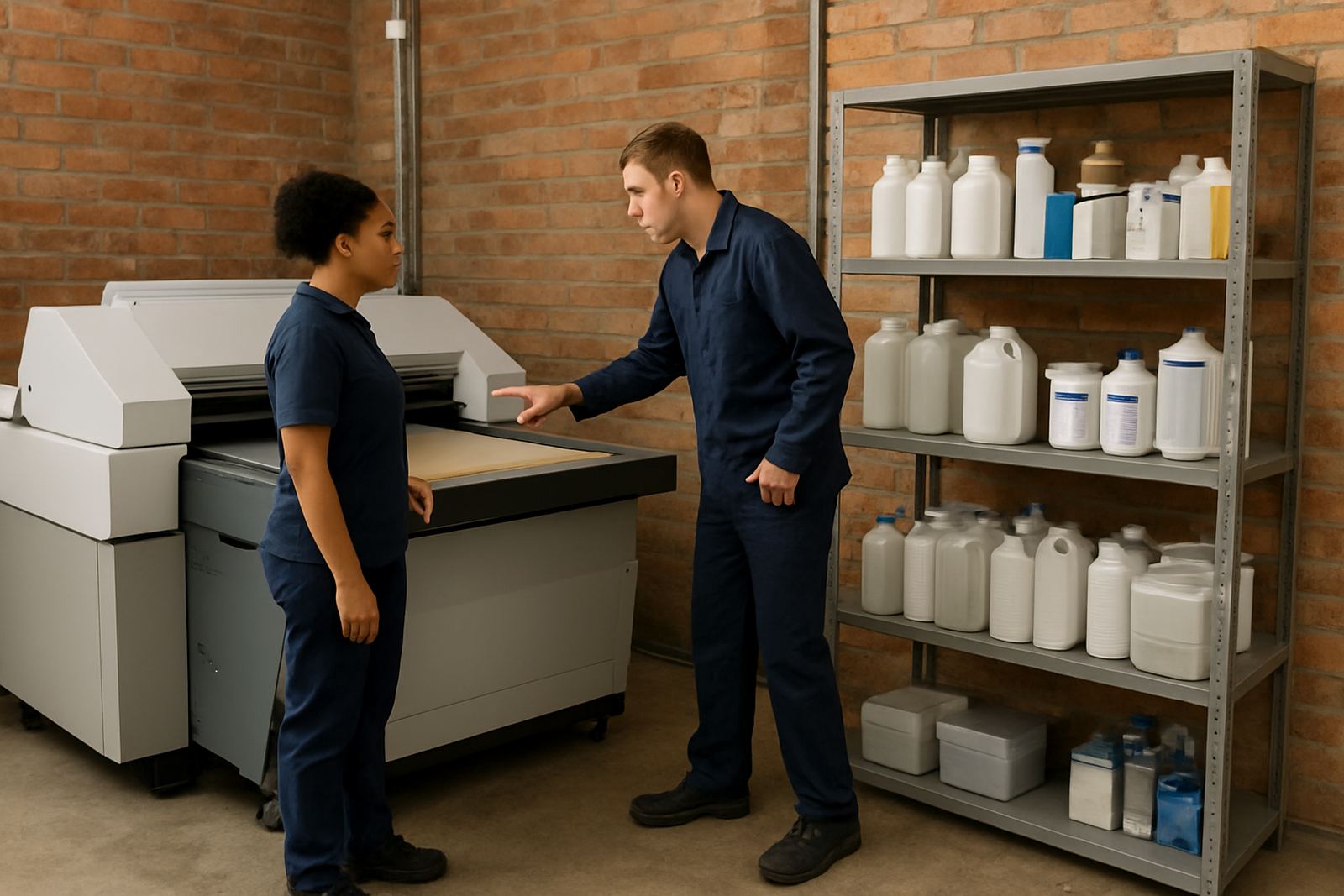
- Are the chemical containers sealed properly when not in use?
- Is top-up water clean and consistent?
- Are cloths, sponges or wipes being stored wet?
- Has the processor or wash system been serviced recently?
In Pretoria and Midrand, where some sites run longer production hours, chemistry balance can drift by the afternoon if the room heats up and the system is not monitored. A smell that resembles damp cardboard mixed with old cleaner can mean the solution is tired and needs attention. That is not just an odour issue, it can affect plate handling and colour stability as well.
Poor ventilation lets ordinary smells become production problems
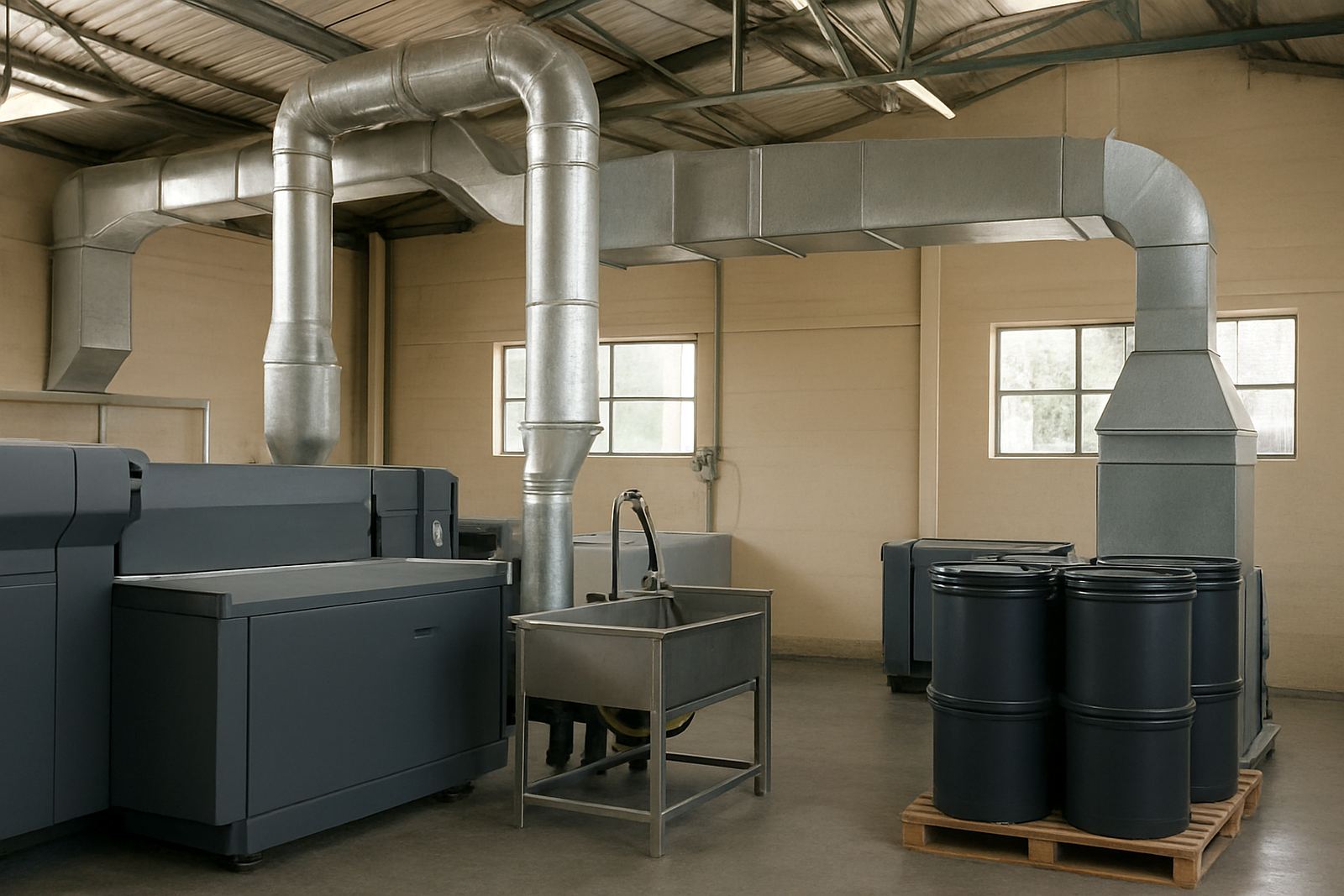
Ventilation is easy to ignore until the room feels heavy and every chemical smell lingers. Good airflow keeps vapours moving out, helps staff work more comfortably and reduces the chance of odours clinging to paper and packing material. If your pressroom has no clear fresh-air path, even normal cleaning products can seem overpowering.
Watch for these practical signs of poor airflow:
- Windows, extractor fans or louvres not being used effectively
- Smells stronger at shift change than during printing
- Heat pockets around presses, plate areas or chemistry stations
- Condensation on cool mornings in the rainy season
A wet January is not the same as a dry July. In wet weather, moisture can hang around blankets, rollers and flooring, which changes how odours behave and can slow drying. If the room smells worse after rain, or on mornings when the extraction is switched on late, the issue may be ventilation more than chemistry.
A practical smell check can be part of every shift handover
You do not need a complicated test to catch a smell problem early. A simple handover check, done the same way each time, can save hours later. The aim is to notice change, not to guess. Have the team compare the smell in the plate area, press side, wash-up point and finished goods corner before jobs start. If one area smells different, log it and act on it.
A useful routine might include:
- Walk the room with the extractor fans on and off
- Check whether any chemical container is open, leaking or underfilled
- Inspect drain points and waste bins for stagnant residue
- Smell the wash cloths, blankets and plate handling area separately
This kind of check is especially useful where the team changes over often. A small note in the logbook can show whether the smell returns on a certain job type, after a specific wash cycle, or after the processor has been running for too long. It is simple work, but it gives the production team a clearer picture.
What the smell tells you about action, not guesswork
If the odour is sharp, think cleaning strength, overuse, or residue build-up. If it is sour or stale, think chemistry balance, damp storage, or overdue servicing. If the room feels stuffy and the smell hangs in the air, think airflow first. The point is not to chase every smell with the same answer. It is to match the symptom to the likely cause and fix the right part of the process.
That is where practical support matters. Plate selection, chemistry balancing, processor servicing, blanket assessment and production troubleshooting all work together. A pressroom that smells controlled usually runs more predictably too. Less vapour in the air, fewer surprises at startup, and better consistency through the shift.
For plants in Industria West, Randburg, Roodepoort, Midrand, Germiston or Pretoria, a smell complaint should never be brushed aside as just how print works. It may be a warning that the room needs better wash programmes, improved ventilation or tighter handling. Deal with it early and the pressroom stays easier to manage, and staff do not have to work through problems that could have been sorted at the source.