Why gum matters after the plate leaves platemaking
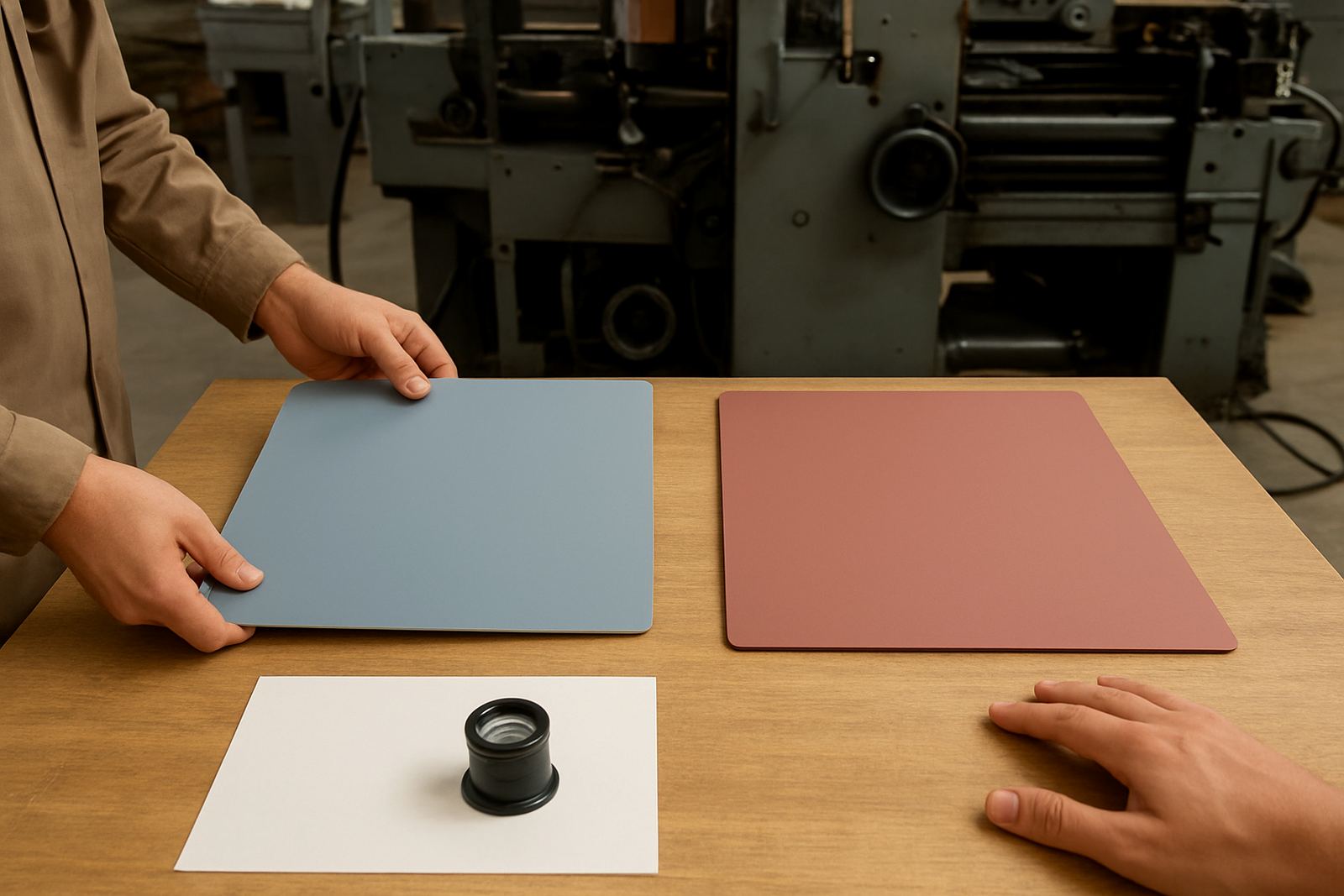
A fresh CTP plate may look ready for press, but the surface is still exposed to air, fingerprints, spray mist and workshop dust. Gum forms a thin protective film over the image area and non image area depending on the plate type, helping slow down oxidation and keeping the plate in a usable condition until make-ready starts.
In a busy plant, plates might sit for a few hours or a few days before they go onto the press. That delay is normal, especially when jobs are sequenced around finishing, coatings, or carton work. Gum gives you a margin of safety during that gap so the plate does not lose quality before it has earned its Rand value on press.
- Protects against air exposure during storage
- Helps reduce contamination from dust and handling
- Supports cleaner start-up on press
- Can reduce rework when plates are moved between departments
What gum does in a Johannesburg print room
City West, Roodepoort and Industria West plants know the problem well. One shift runs late, the plate room is warm, and the next batch of plates is waiting on a trolley near the guillotine or folder. In those conditions, gum is not just a finishing liquid, it is a practical shield.
Heat and dry air can make exposed plates age faster, while sudden dust from trimming, packing or blanket changes can settle onto the plate surface. A correct gum layer helps the plate stay stable until the operator is ready to mount it. On offset work, that can mean fewer starting issues and less time lost chasing dirty starts or weak image areas.
For businesses in Pretoria, Midrand or Germiston, gum is also useful when a plate must travel. A wrapped, gummed plate stands up better to short haul transport and handling by different teams. Gumming takes a minute and spares the next shift a remake.
How much gum is enough and what goes wrong when it is not
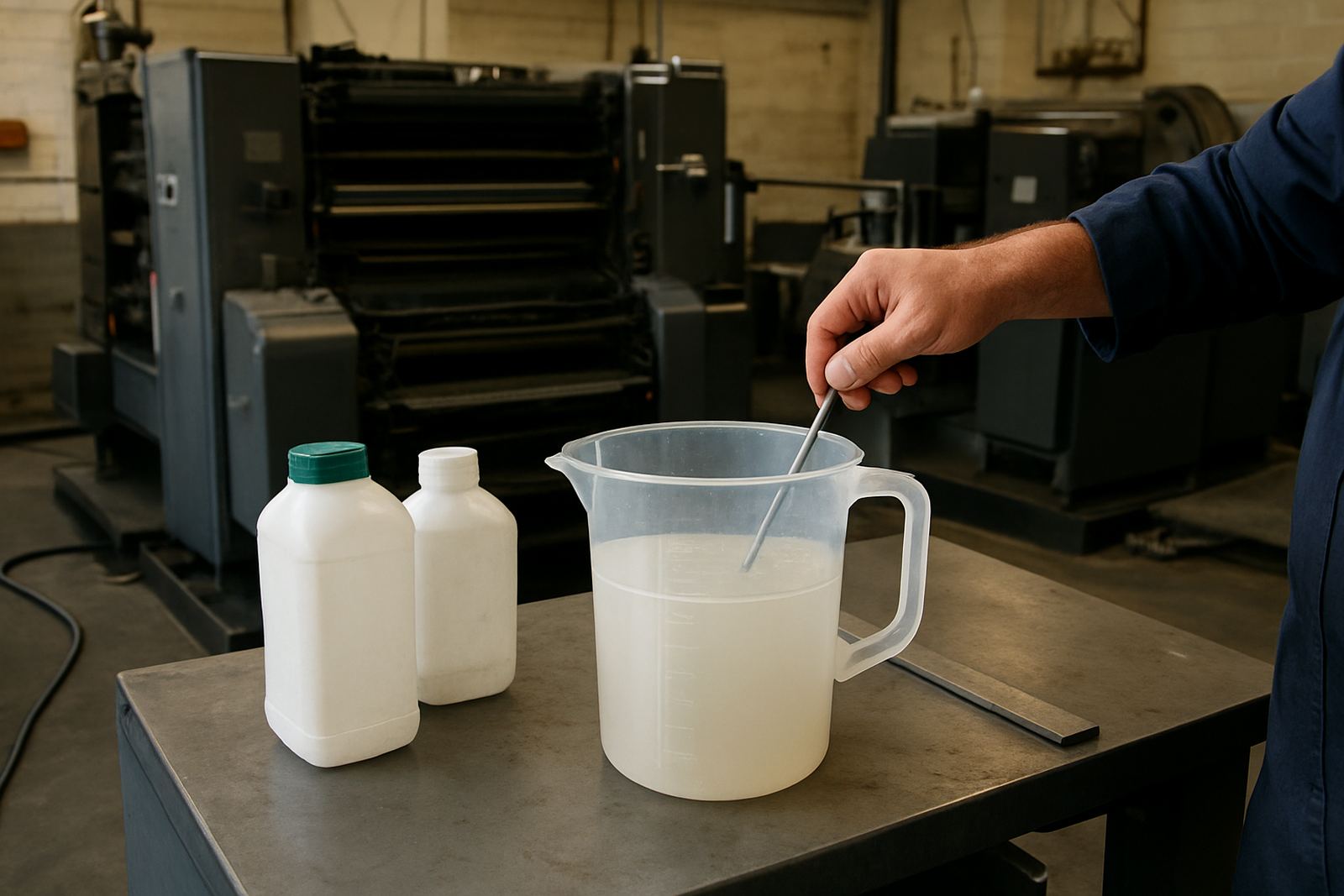
Too little gum and the plate is exposed. Too much or the wrong mix can leave residue, affect start-up, or cause cleaning time to creep up. The aim is not a thick coating. The aim is even coverage that protects without causing pressroom problems.
Problems often show up after storage, not immediately. A plate may look fine in the plate room but struggle at press start because the surface was not guarded properly. If the chemistry is out of balance or the plate is not fully dried before gumming, you can get patchy protection. That is where plate handling training and chemistry balancing matter just as much as the gum itself.
- Patchy coverage can leave edges exposed
- Heavy residue can slow press start-up
- Poor drying before gumming can trap moisture
- Incorrect handling can mark the image area
Storage habits that keep gummed plates usable
Gum is only one part of the storage process. A clean rack, controlled stacking and sensible rotation all help the plate hold its condition. In a South African plant, the best storage method is usually the one that matches real production flow, not just the textbook version.
If plates sit too long in warm rooms, even gummed plates can suffer. Keep them away from direct sun through the loading bay, from wash bay overspray and from traffic where boxes are opened and closed all day. In damp weather, humidity can also affect how long a gummed plate stays in good shape, so checking storage conditions is worth the effort.
- Store plates flat or in approved vertical racks
- Keep them away from solvent wash areas
- Label jobs clearly so old plates do not get reused by mistake
- Use first in, first out rotation for repeat work
Gum, press readiness and fewer wasted starts
When a plate arrives on press in good condition, the operator has a better chance of getting clean ink-water balance faster. That matters when a late file has already squeezed the schedule or the press crew is trying to recover a late run before knock-off. A protected plate is easier to mount, easier to assess and usually easier to bring up to colour.
Gum also helps where jobs are stopped and restarted. If a plate must come off and go back on, or if the press is held while another section waits on finishing, the protective layer reduces the risk of the plate drying out or picking up grime. That is especially helpful for smaller shops that do multiple short runs in a day.
Practical press rooms in Johannesburg do not have time for avoidable waste. A plate that starts clean can save metres of substrate, ink and time, and those savings show up quickly on the monthly numbers.
From plate room to press bay
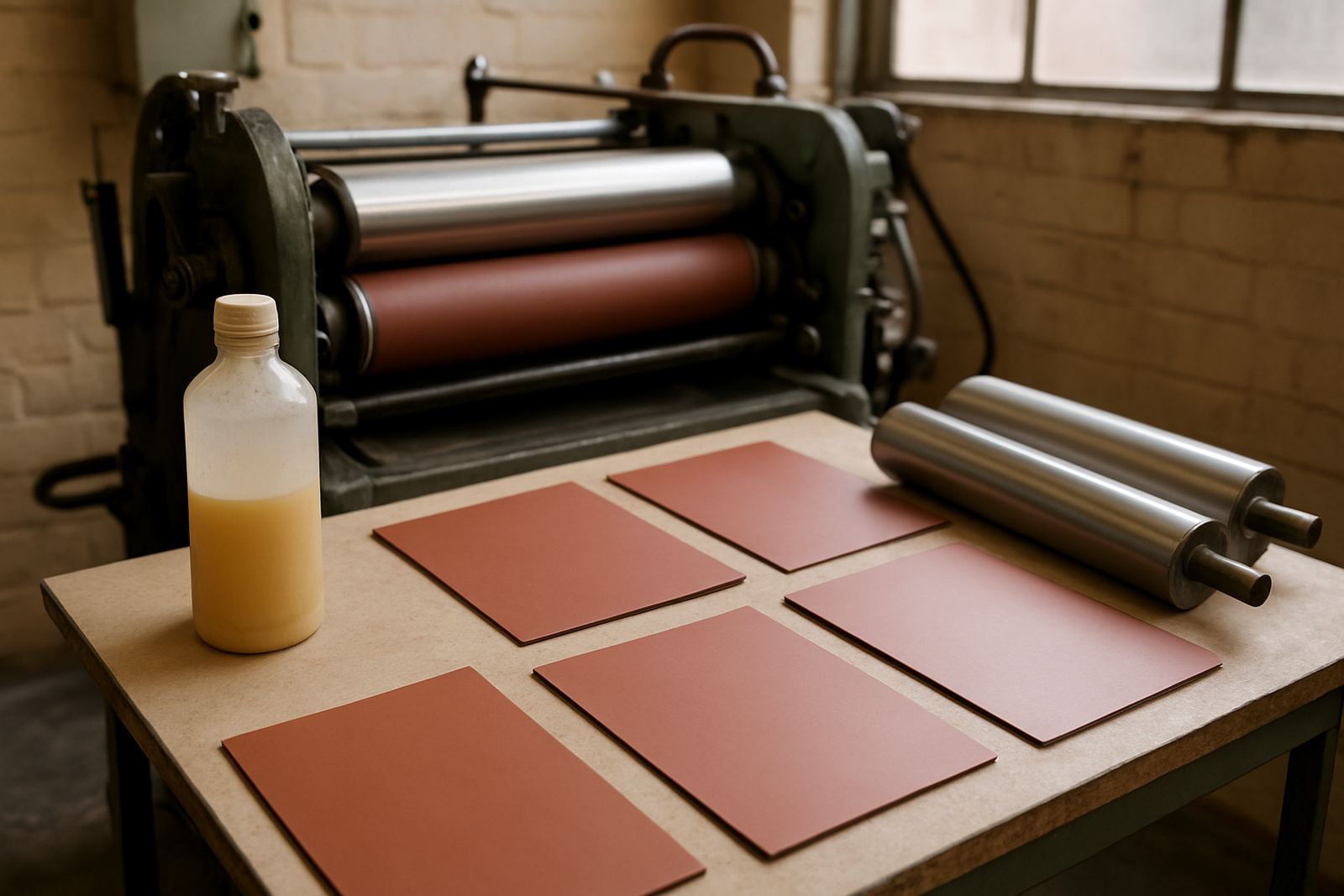
A mid-sized printer in Industria West might finish a morning batch of plates for a packaging job, then hold them while the board line clears. The plate room team gums the plates, dates the sleeves and stores them on a clean rack. By the time the job moves to press after lunch, the plates are still stable and ready for mounting.
Without gum, the same plates could pick up dust from nearby trimming, especially if the loading area is busy or the afternoon gets windy. That means extra wiping, slower start-up and a greater chance of colour drift before the job settles. One simple liquid, used properly, keeps the whole handover cleaner.
For operations in Roodepoort, Randburg and Midrand, that kind of control is what keeps production moving. It is not fancy, but it works, and in printing that is what counts.
When to review your gumming process
If plates are spoiling before press, if start-ups are getting slower, or if repeat jobs are not matching the previous run, the gumming step deserves a look. The issue may be the chemistry, the drying time, the storage room or the way plates are handled between teams.
A good review should cover the full chain from processor servicing to final storage. Check whether the gum is mixed correctly, whether the plates are fully dry, and whether staff know how to avoid fingerprints and scuffing. Small corrections here can make a real difference to output and waste.
- Review gumming concentration and application method
- Check plate drying before packing
- Inspect storage racks, sleeves and handling routes
- Link gumming with colour stability checks on press