

Choosing Materials for the Type of Work You Print
Not every printroom needs the same setup. A long magazine run in Midrand will call for different plate and chemistry choices than a short packaging job in Roodepoort, and both differ again from label or finishing work. The aim is to keep plates clean, image stable and the press running without avoidable stops.
When we look at a printroom application, we consider the press type, substrate, ink system, finishing steps and the number of impressions expected. That helps avoid under-specifying materials that wear out early, or over-specifying items that cost more than they should.
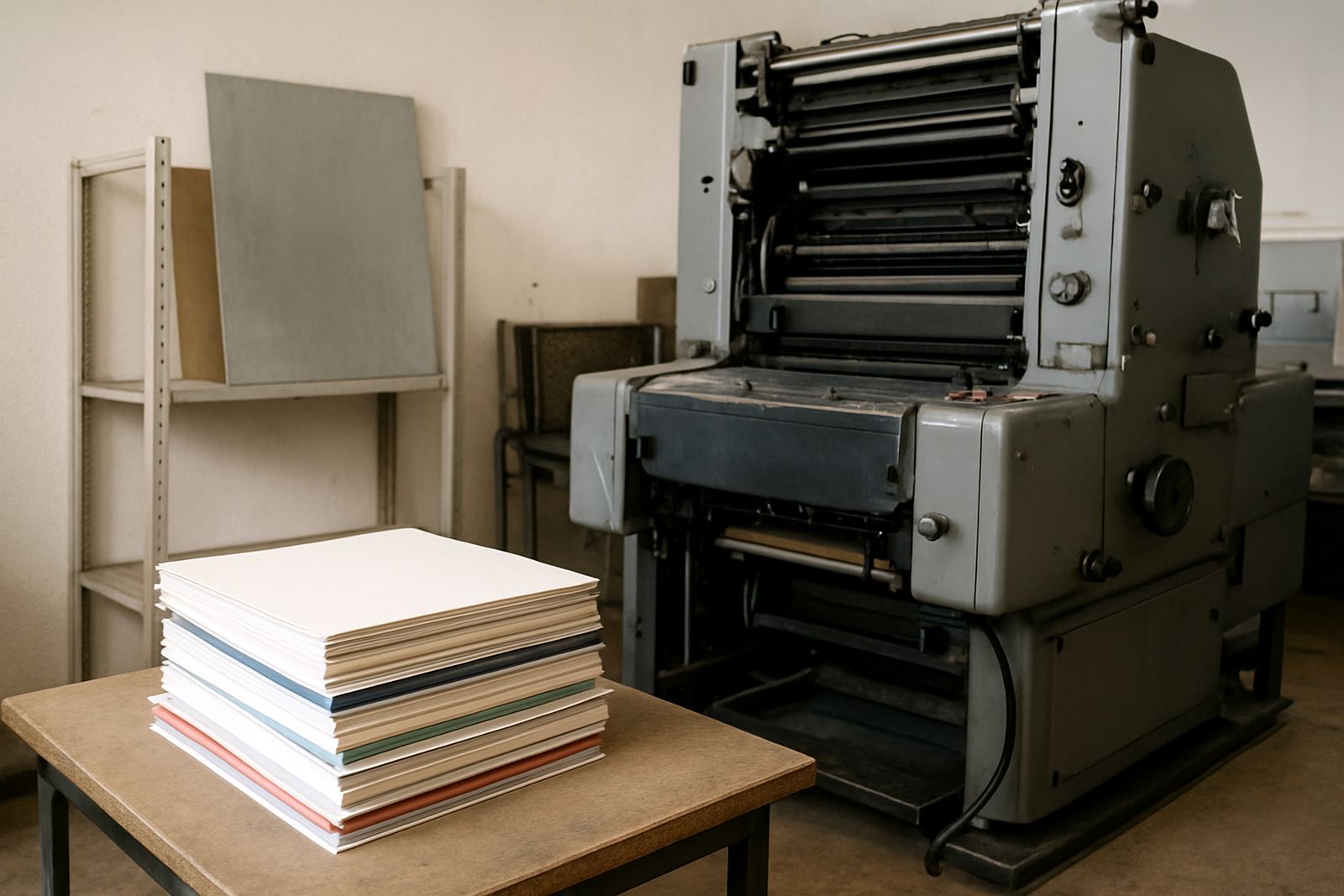
Offset Printing for Commercial and Short-Run Work
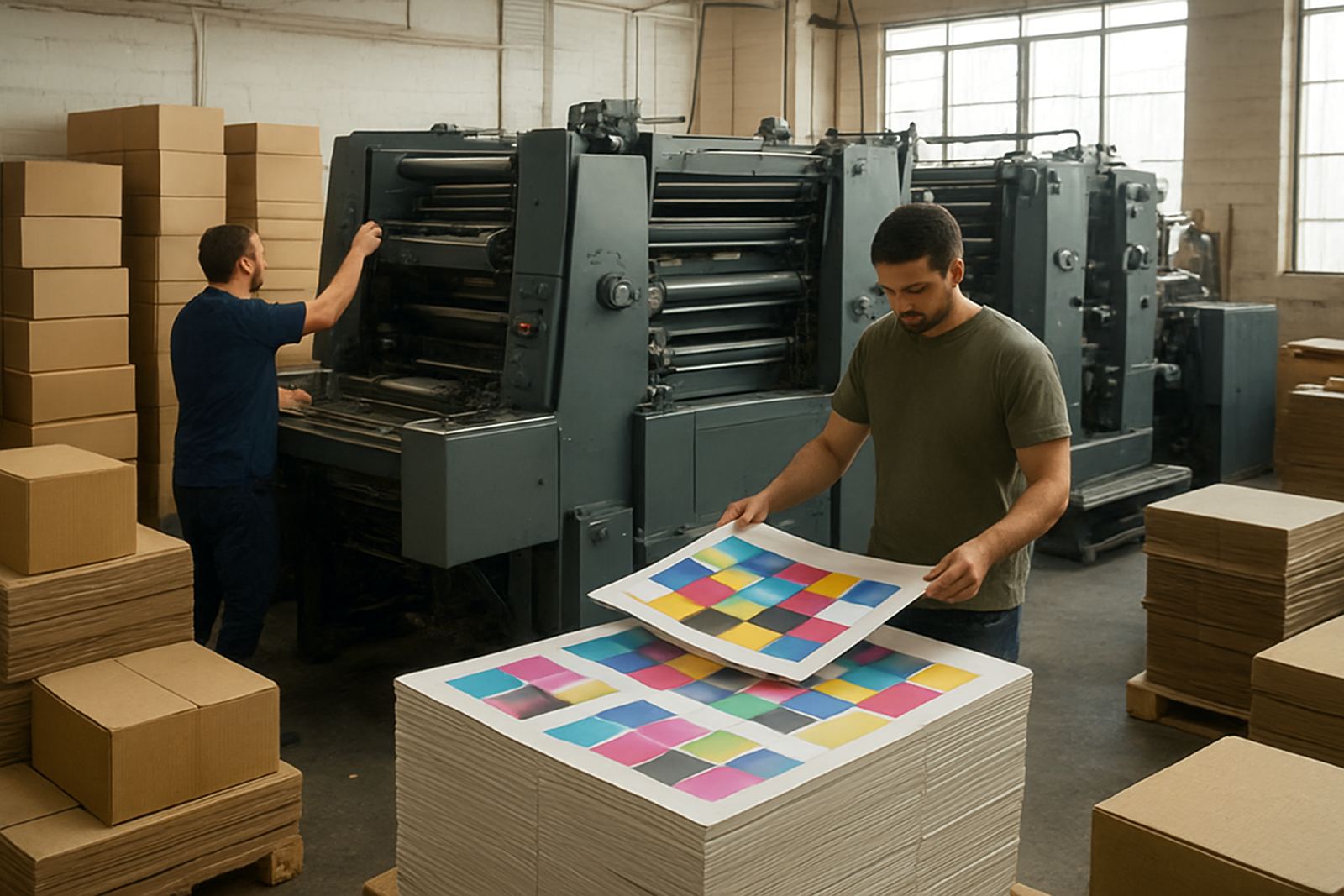
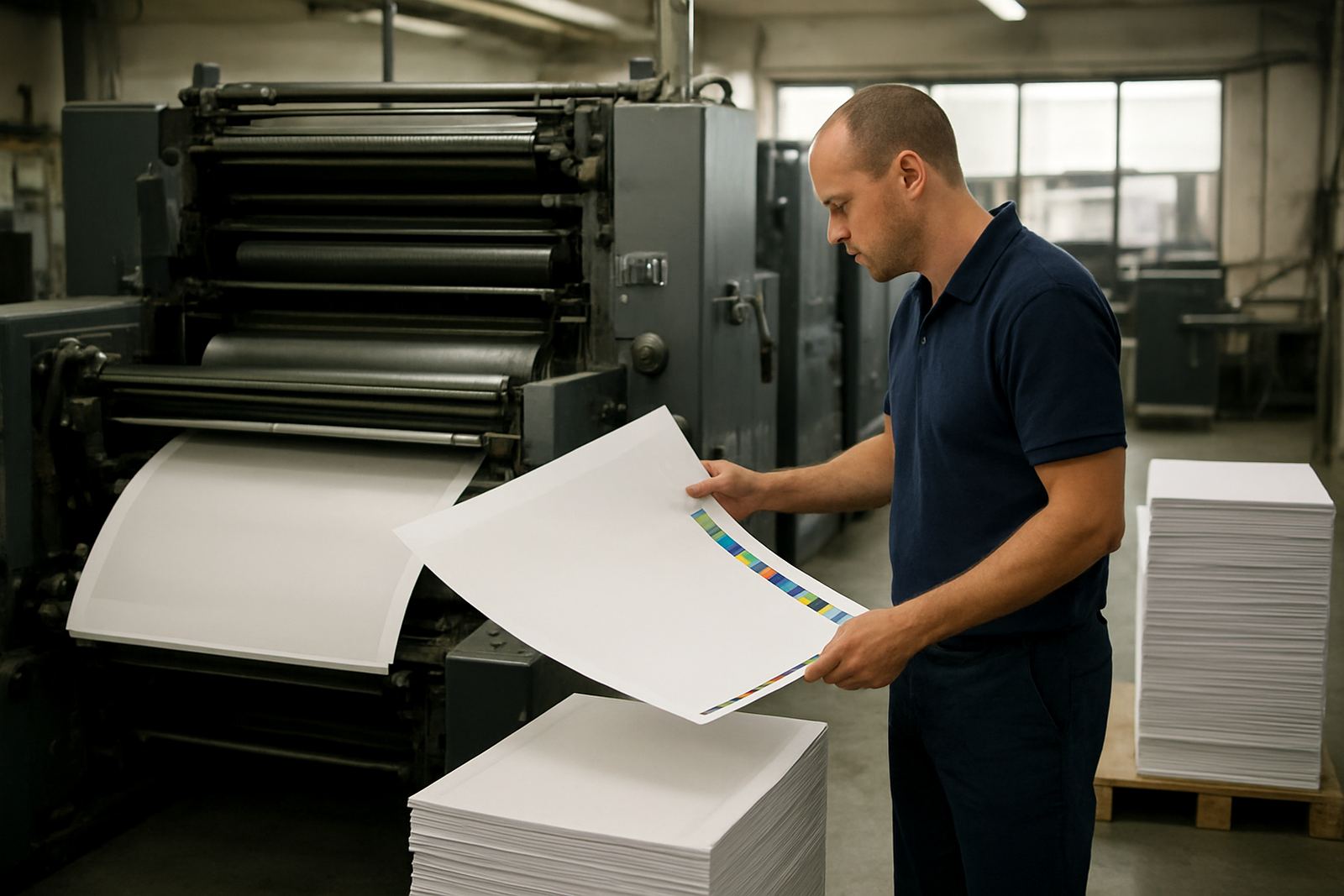
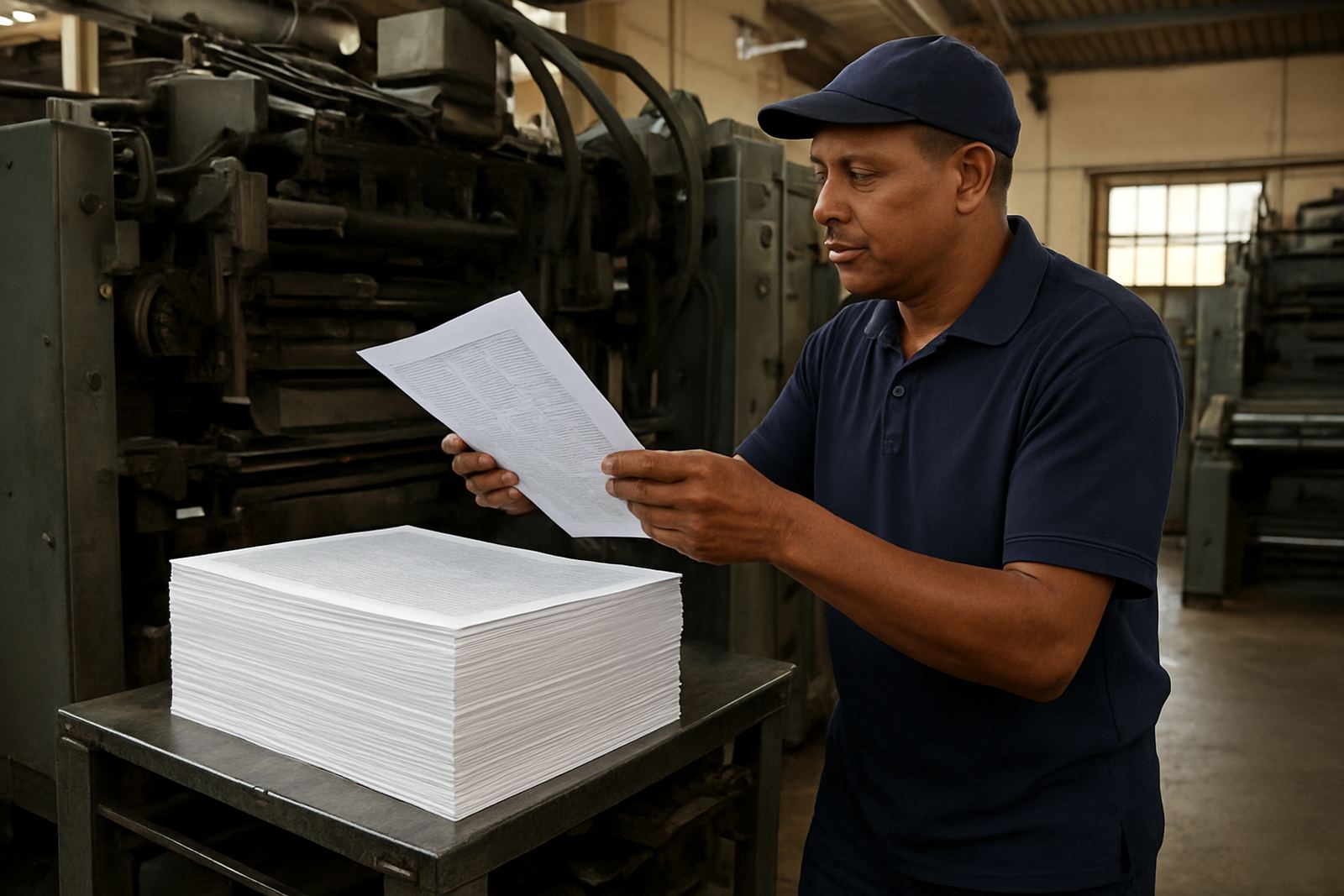
Offset remains a mainstay for commercial printers across Johannesburg, Pretoria and the wider Gauteng area. It suits brochures, stationery, magazines and many other repeat jobs where colour control and consistency matter.
- CTP plates matched to press speed and run length
- Developer and chemistry balanced for stable plate processing
- Blankets assessed for image transfer and sheet quality
- Wash programmes that suit the pressroom schedule and its changeovers
If a press is starting up after downtime, or if colour is drifting from shift to shift, the issue is not always the plate alone. Sometimes the problem sits in chemistry balance, blanket condition or plate handling on press side.
Flexo and Packaging Jobs Need Different Control
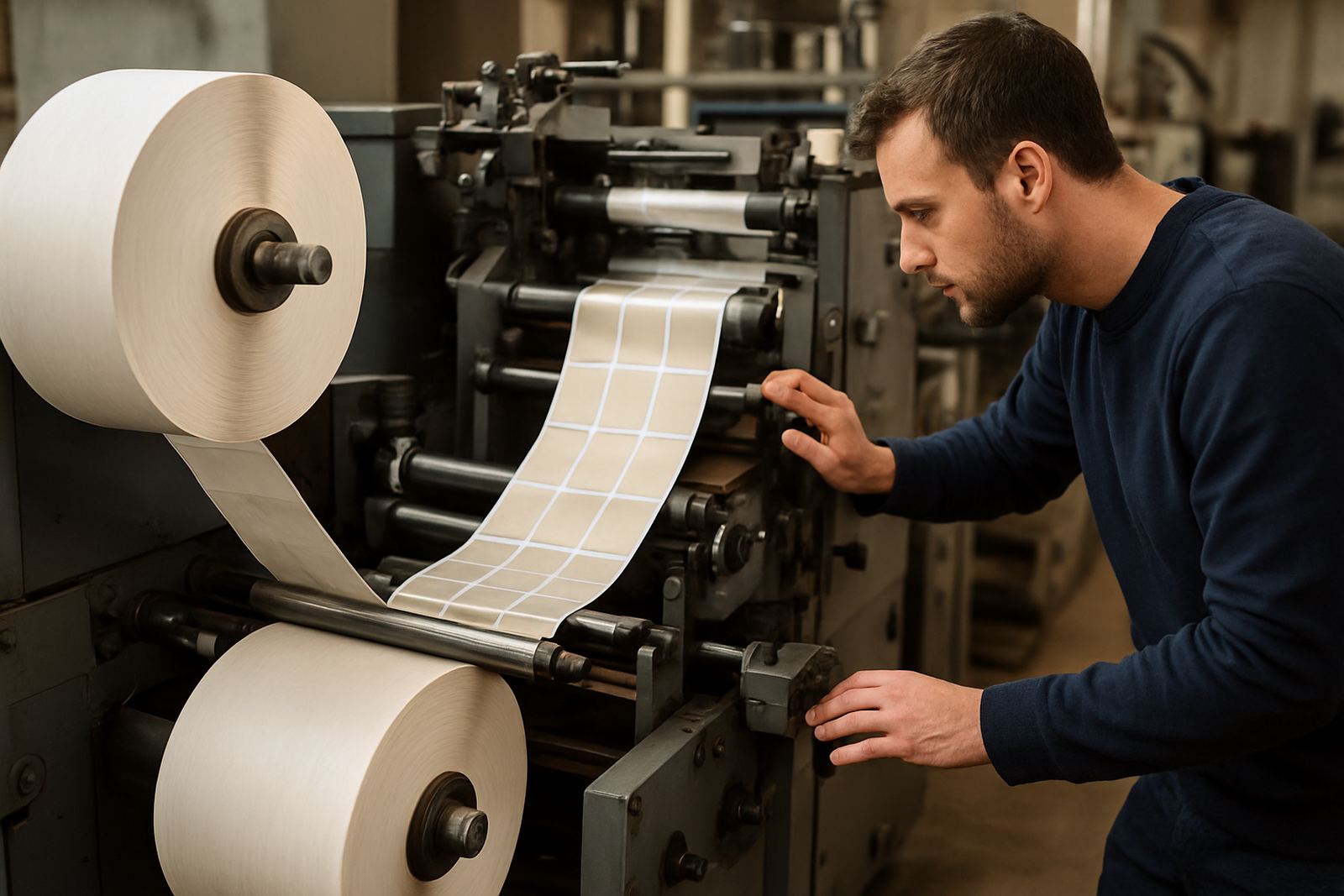
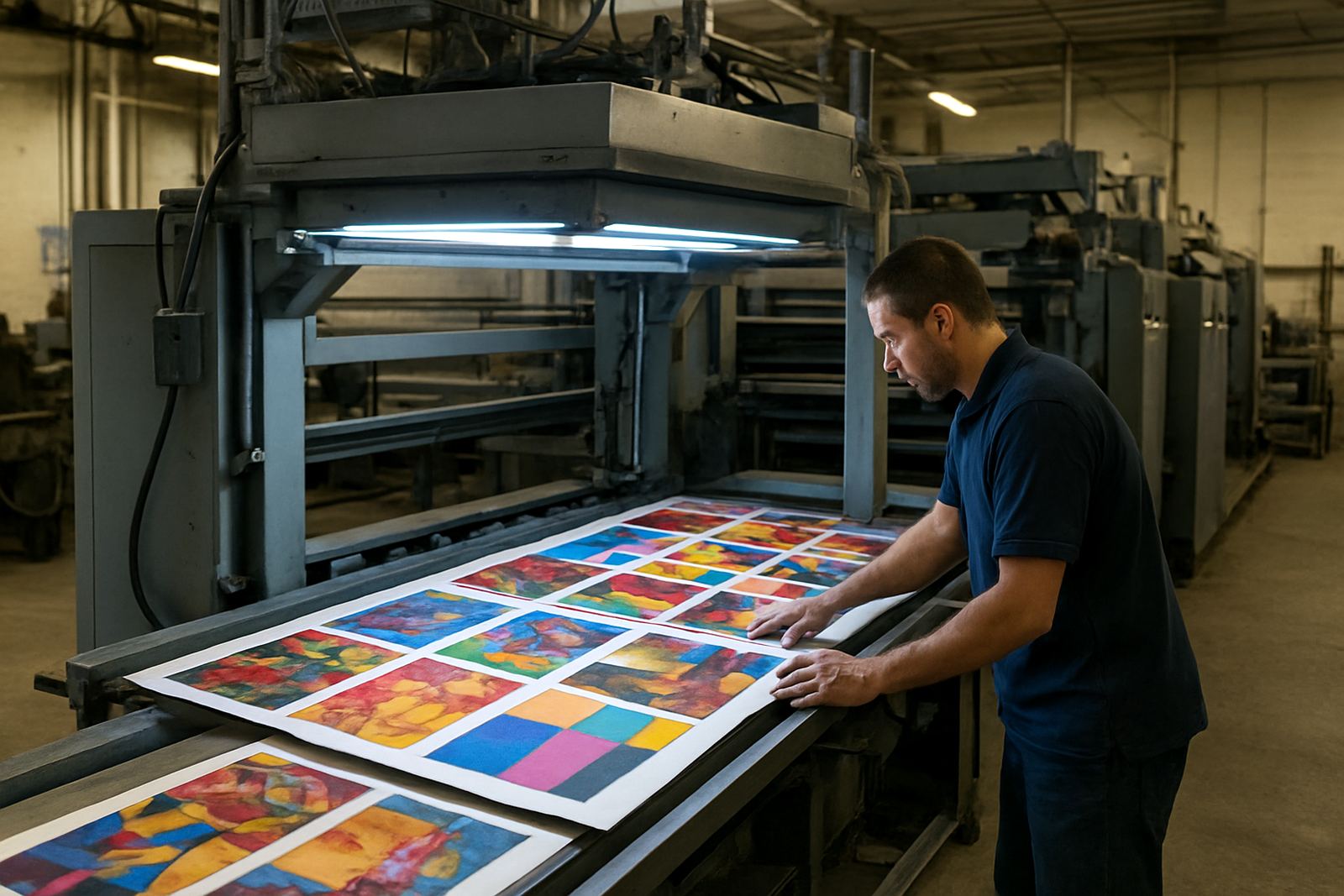
Flexographic work brings its own set of demands, especially where film, board or coated packaging substrates are involved. Small changes in plate condition or wash practice can affect registration, dot gain and overall print consistency.
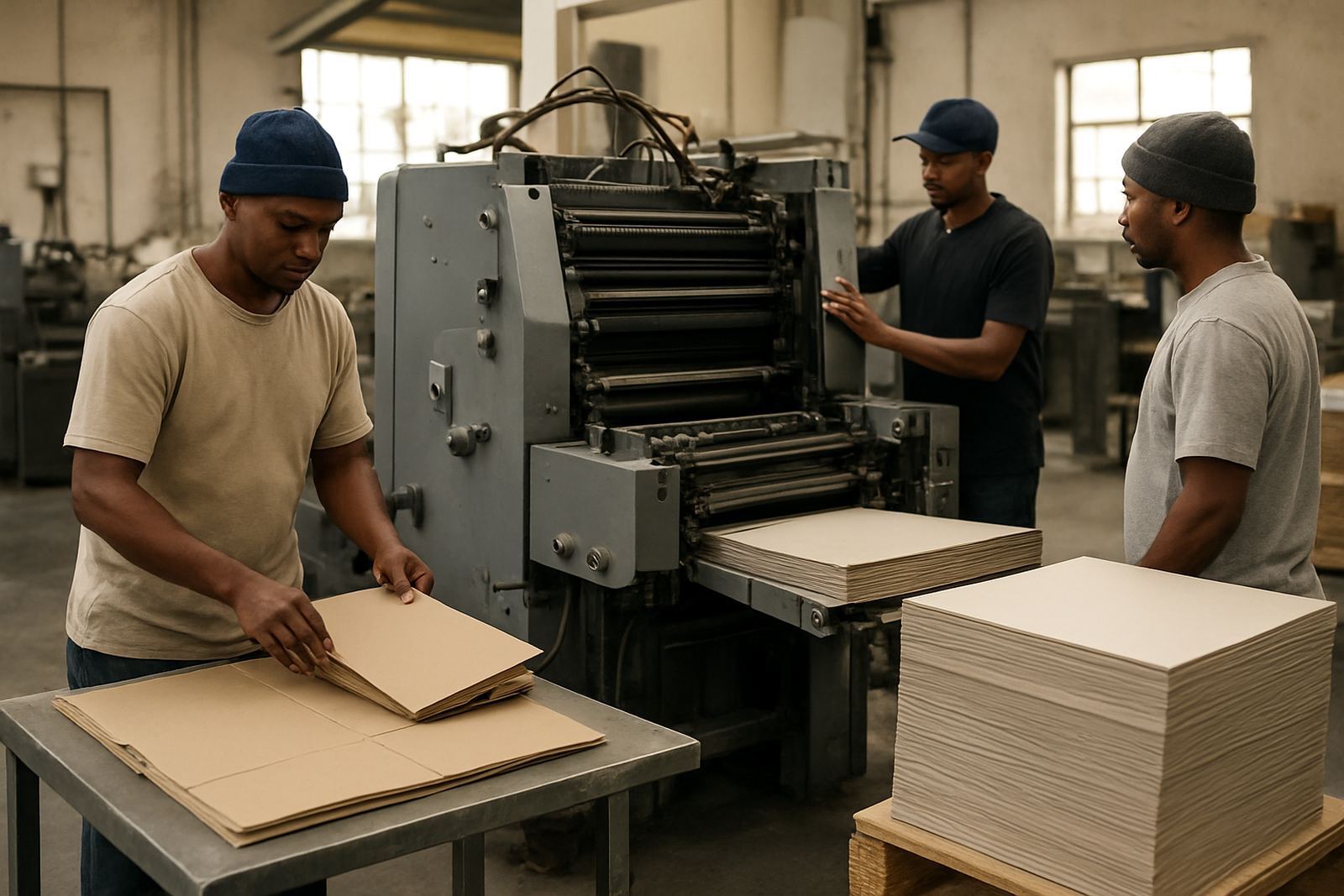
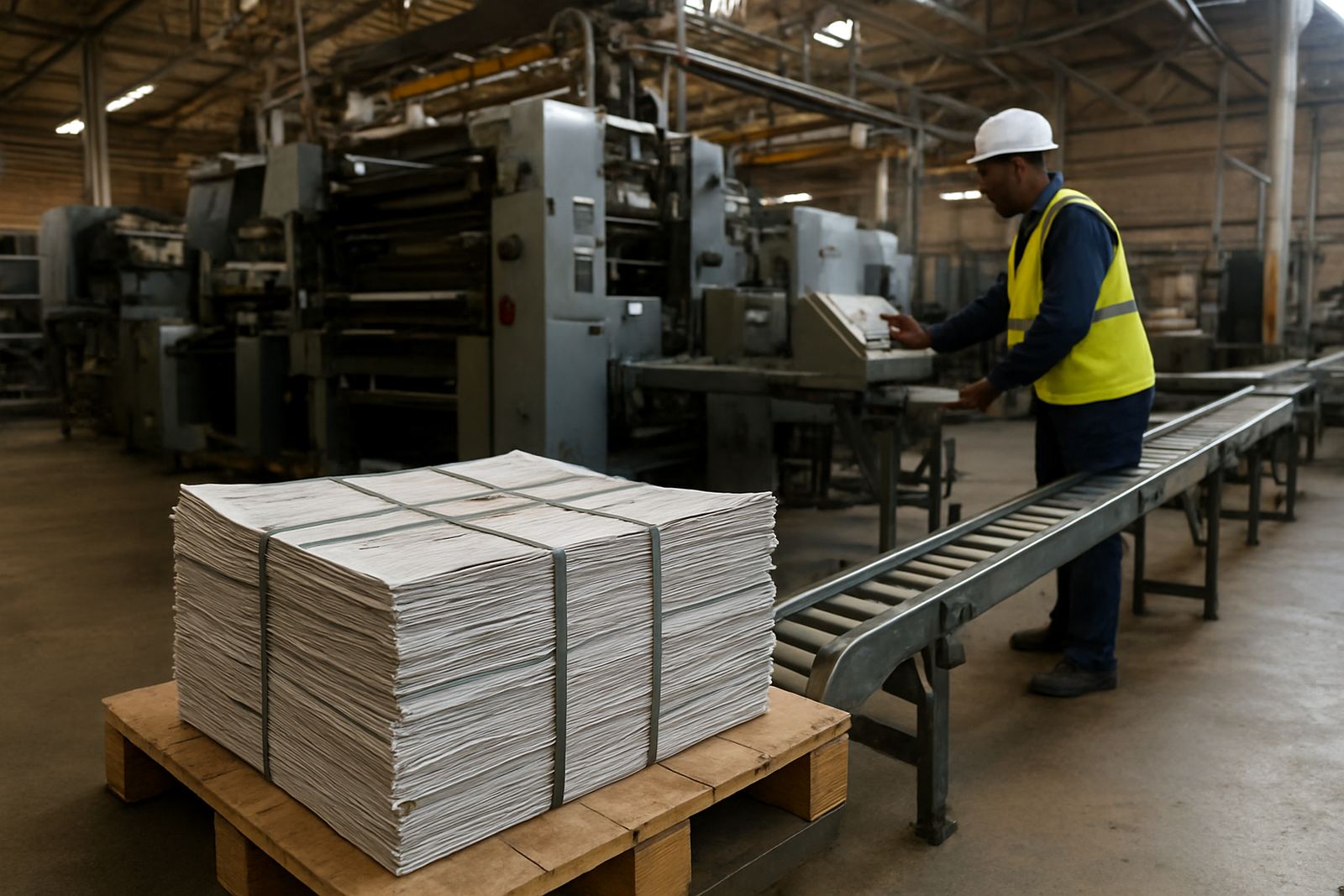
For packaging lines and related finishing work, we look closely at surface tension, ink carry, drying behaviour and the storage conditions in the plant. In humid or hot warehouse conditions, materials can behave differently than they do in a dry store.
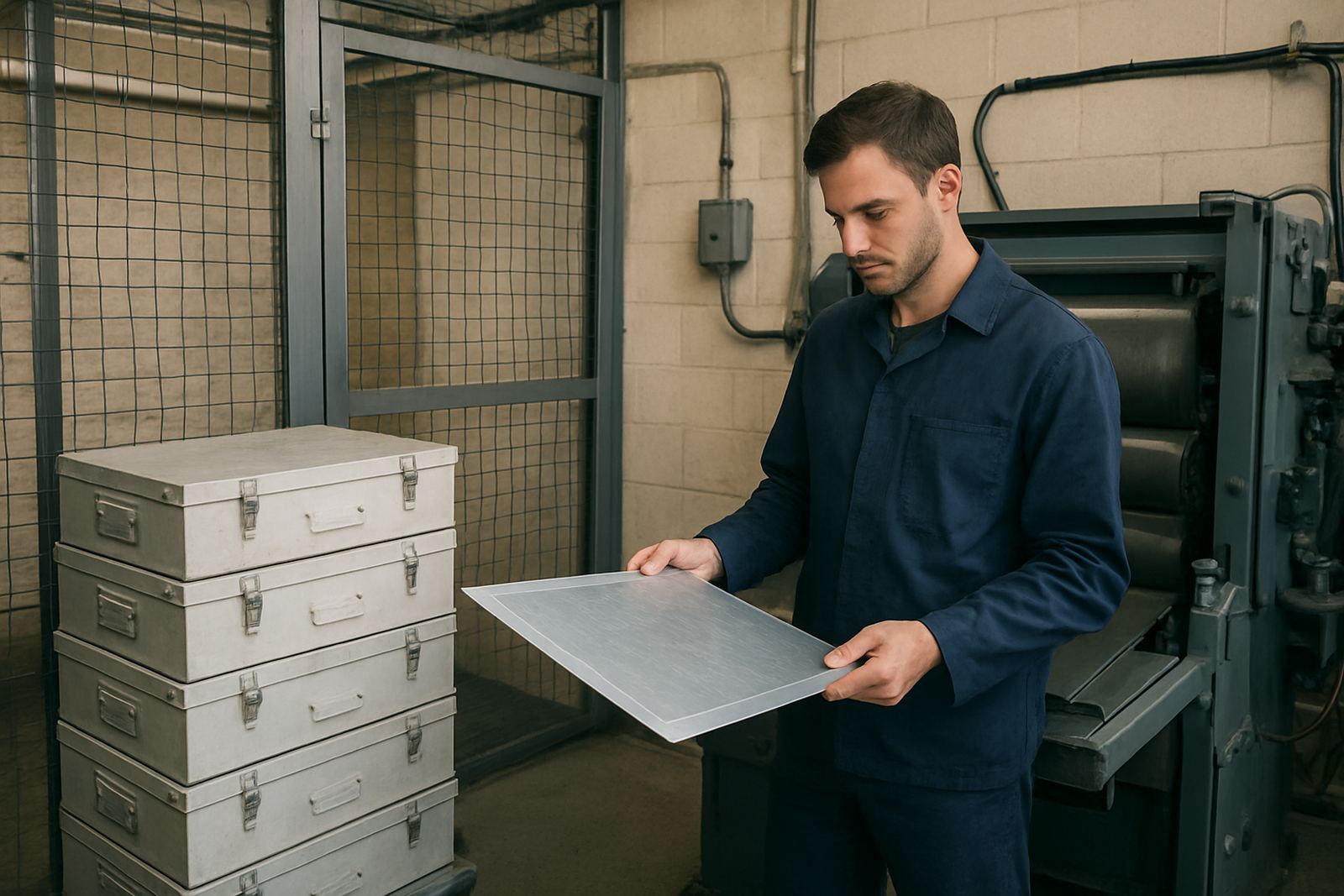
- Plate handling training for clean storage and safer movement
- Production troubleshooting when print defects appear during a run
- Planning stock around repeat work and busy seasons
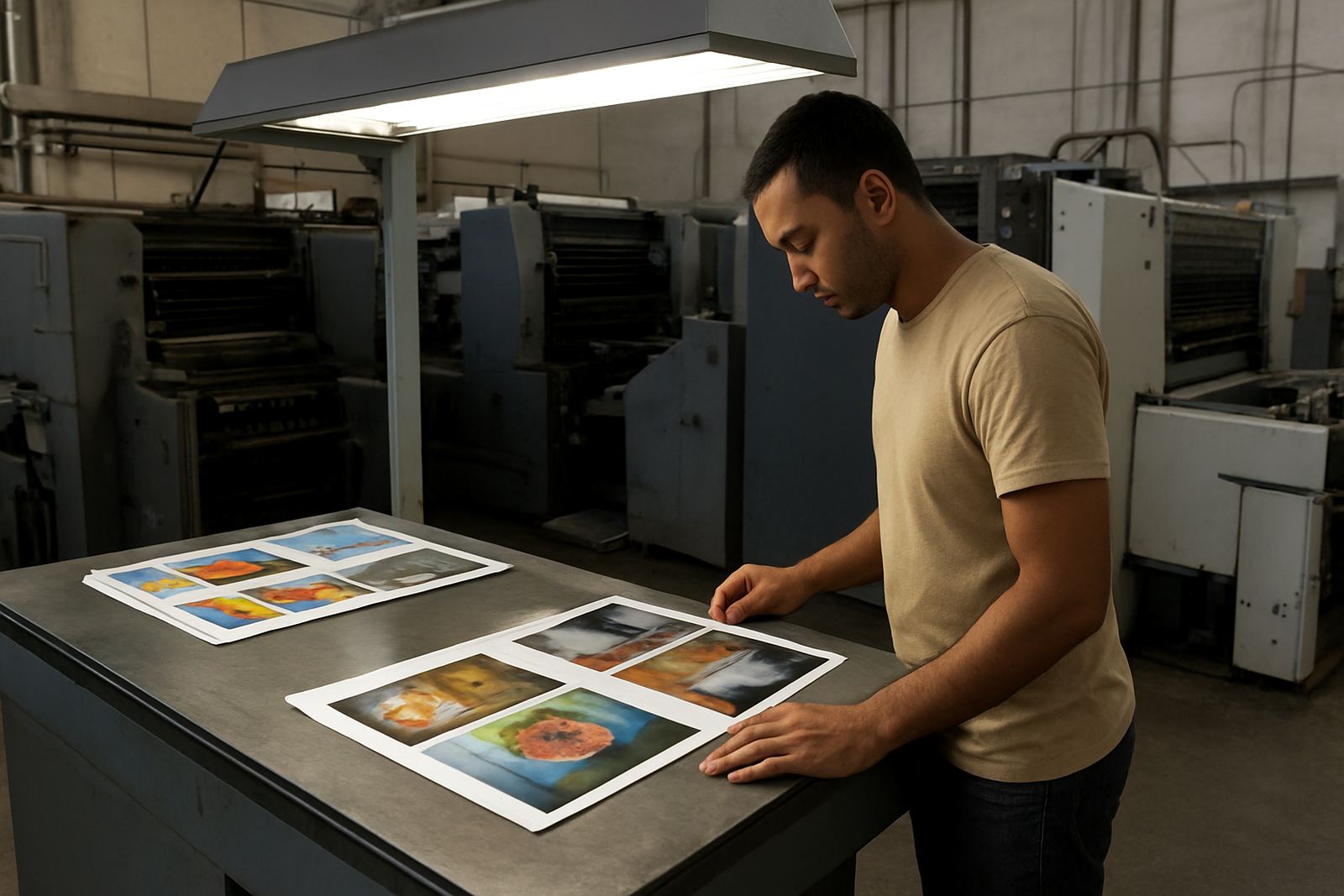
- Colour stability checks where customer approval standards are strict
Pressroom Chemistry That Matches the Process
Chemistry is not just a refill item. It affects plate life, processor performance, print consistency and the amount of cleaning needed at shift change. In busy plants, poor balancing can create waste very quickly.
We help printrooms choose chemistry based on processor condition, plate type and daily output. That includes guidance for wash programmes, replenishment practices and servicing schedules. A processor that is overdue for attention can cause problems even when the plates themselves are good.
For sites dealing with reduced staffing or night shifts, it helps to plan chemistry use ahead of time. That reduces panic buying and keeps the line moving when there is pressure on production.
Blankets, Handling and Finishing Support
Blankets and finishing materials often get less attention than plates, yet they have a direct effect on print quality. A tired blanket can leave marking, loss of detail or uneven transfer, and that creates rework on the pressroom floor.
We assist with blanket assessment so customers can judge whether replacement, cleaning or a change in set-up is the better answer. For finishing departments, the right consumables help avoid scuffing, blocking and handling damage before delivery.
- Blanket assessment for wear, swelling and loss of image sharpness
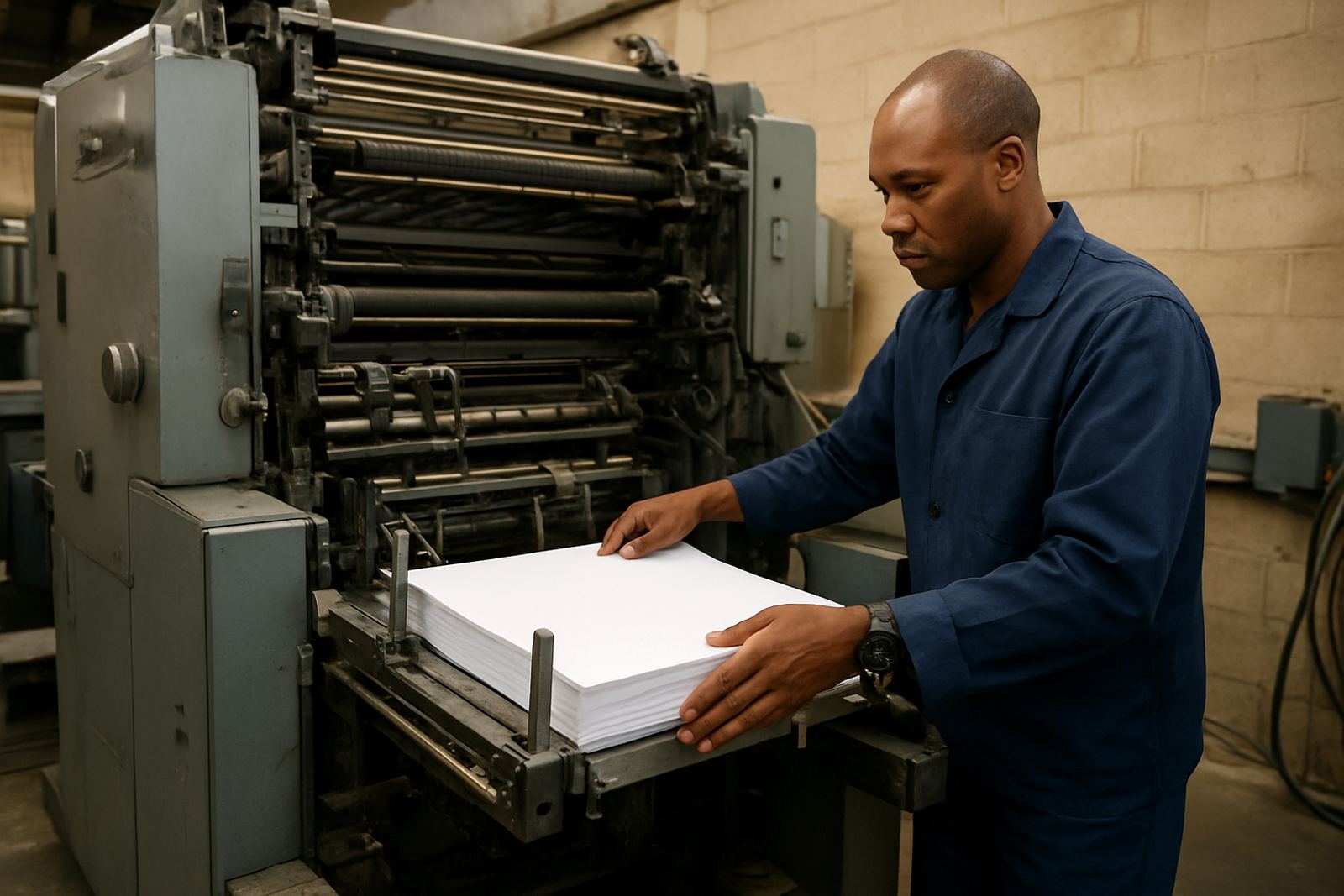
- Press startup help for new jobs or after maintenance
- Plate handling training to reduce scratches and contamination
- Supply planning for both print and finishing stock
How South African Printrooms Should Plan Supply
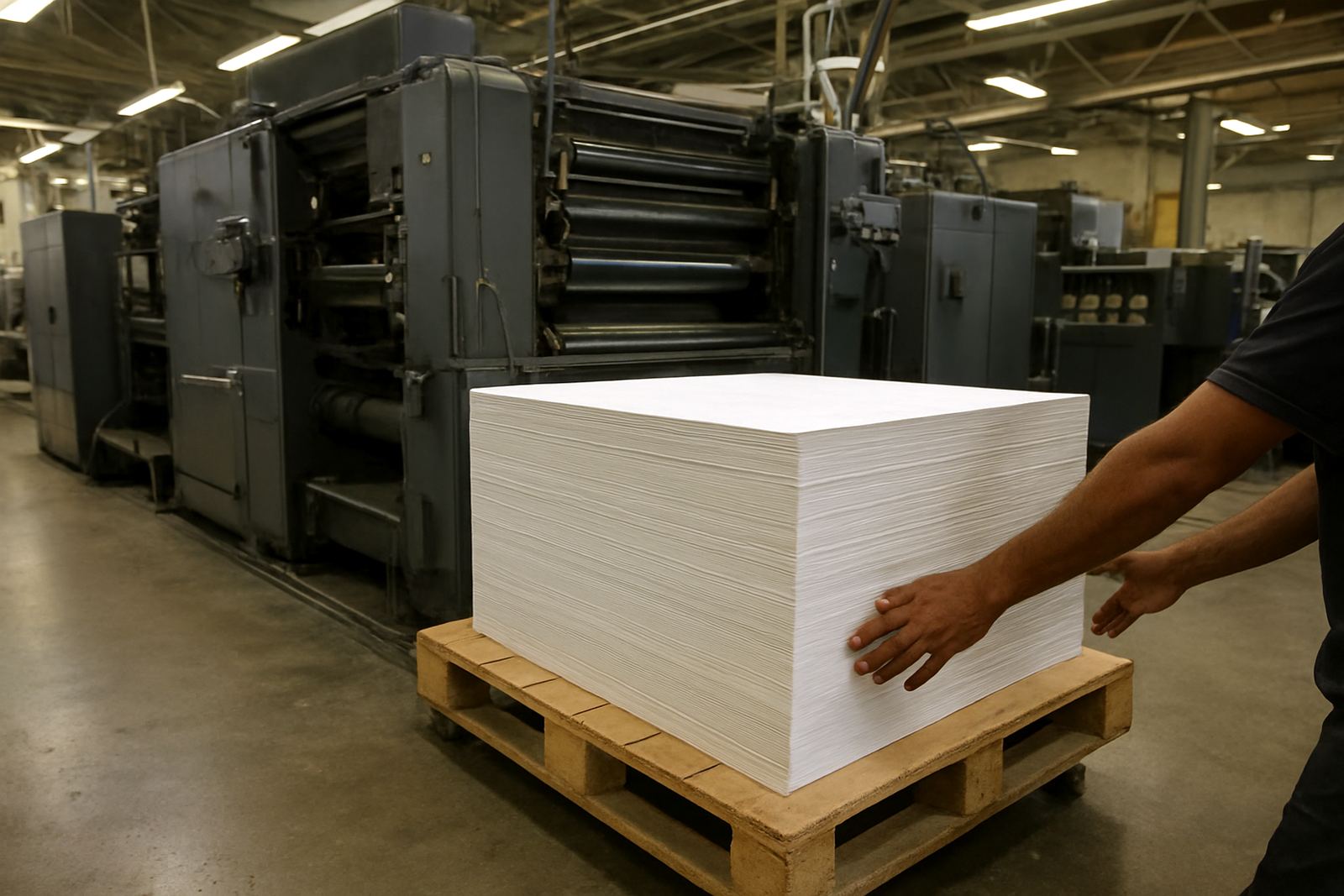
A good supply plan takes account of run length, substrate mix, local delivery times and the realities of running a plant in South Africa. A printroom in Industria West may need on-site technical support, while a site in Germiston or Randburg might focus on steady repeat deliveries and stock control.
We work with print businesses that need dependable plate and press supply nationwide, from one-off urgent calls to scheduled replenishment. The right plan keeps trade printers, converters and finishing teams from losing hours to preventable shortages. It also makes it easier to manage peak production periods without scrambling for last-minute stock.
Matching the Application to the Right Product Mix
The best printroom outcome usually comes from matching the application to the materials, not the other way round. Once you know the press type, substrate and expected run, it becomes easier to choose plates, chemistry and blankets that work together.
LithoPrinting Plates supports that process from our Industria West base in Johannesburg, with service across Roodepoort, Randburg, Midrand, Germiston and Pretoria. If you need a better fit for your production line, we help you narrow down the options so the shop floor stays productive and the output stays consistent.