When sheetfed work starts to slip, the press shows it quickly
Sheetfed offset sites usually feel the pressure first on commercial runs, short packaging jobs and specialist work where the same press must handle different paper stocks in one day. If the plate condition is uneven, the chemistry is drifting, or the blanket is not recovering well after long runs, the result is paper waste, colour swings and more time spent resetting between jobs. In a Johannesburg plant that means lost production hours and extra pressure on shift handovers.
We work with printers who need dependable consumables for two-colour, four-colour and spot colour work, plus finishing jobs where registration has to stay tight from the first sheet to the last. On older presses and newer units alike, the right support materials make a practical difference. The aim is not fancy talk, just clean imaging, steady ink transfer and fewer calls to the guillotine bay when a run has already started.
Typical pressroom set-up for commercial and packaging sheetfed jobs
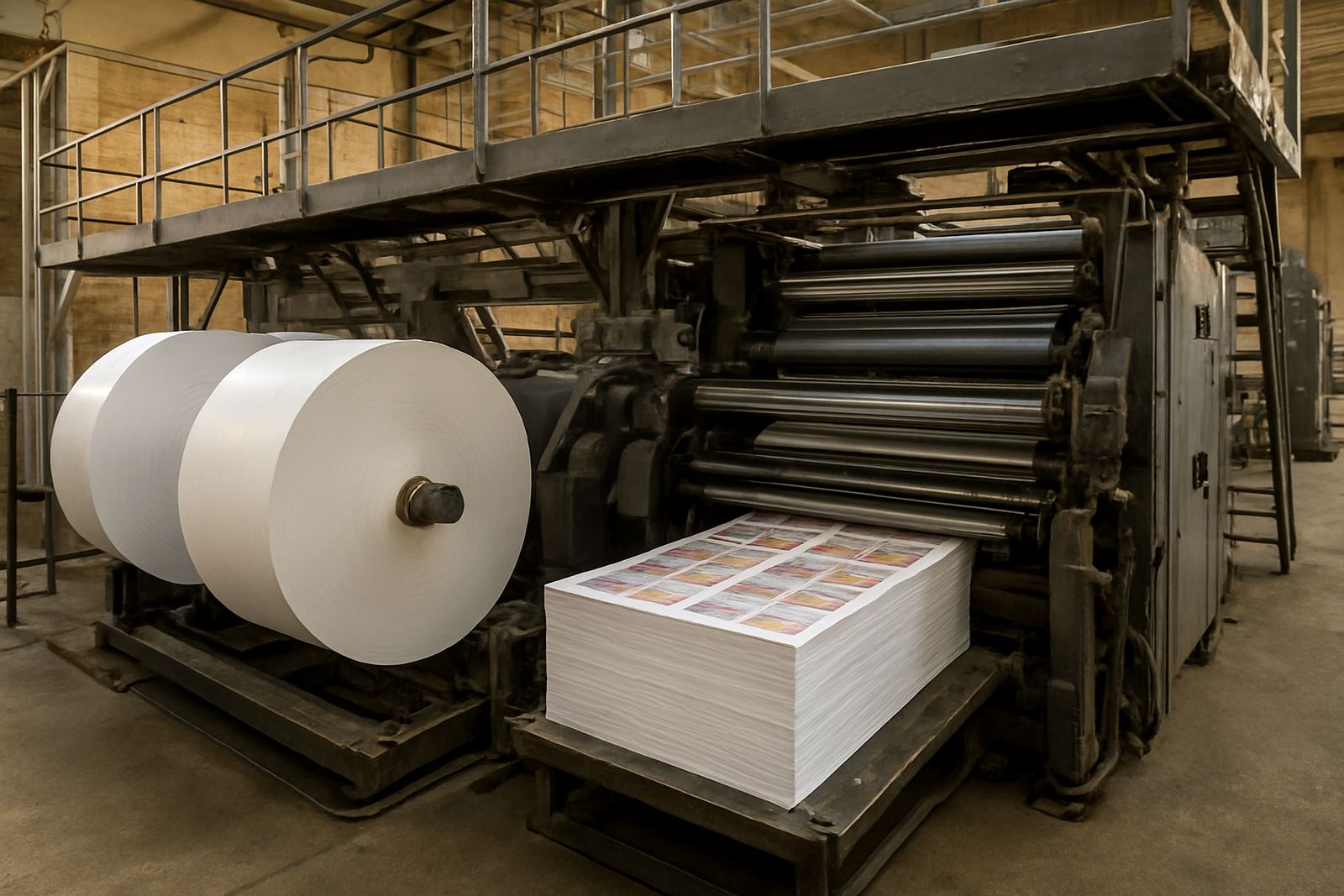
A sheetfed offset line can range from a single press with a basic plate processor to a fuller room with pre-press handover, inline damping, plate punch systems, separate wash-up stations and a finishing area for varnish or foil jobs. In many Gauteng plants the setup also includes air conditioning or dehumidification, because heat and moisture affect plate storage, chemistry life and blanket performance. Summer storms bring the same issue with humidity.
For a practical stock plan, we normally look at the following items:
- CTP plates matched to the plate setter and press speed
- Plate chemistry and replenisher for the processor
- Blankets for image transfer and packing control
- Wash programmes for rollers, blankets and cylinders
- Startup consumables for make-ready and first sheet checks
- Handling materials for storage, protection and movement
When these are selected together, the pressroom spends less time correcting avoidable errors. A shop running mixed commercial work in Randburg will not stock the same volumes as a packaging line in Germiston, so we also look at run lengths and turnaround time before suggesting quantities.
Choosing plates, chemistry and blankets for the job mix
Sheetfed work puts different demands on each consumable. Long commercial runs need plates that hold detail and stay consistent over the full impression count. Packaging work can call for stronger tolerance on solids and heavier coverage. Specialist work, such as fine text or tint builds, needs good dot reproduction and plate handling that avoids scratches at the plate room bench.
Chemistry has to suit the processor, water quality and plate load. If the balance is off, operators start chasing issues at press start up instead of getting onto production. Blanket selection matters just as much. A blanket that is too soft can give unstable dot gain, while one that is too hard can struggle on textured board or coated stock. We help with blanket assessment and plate selection so the consumables fit the work, not just the machine book.
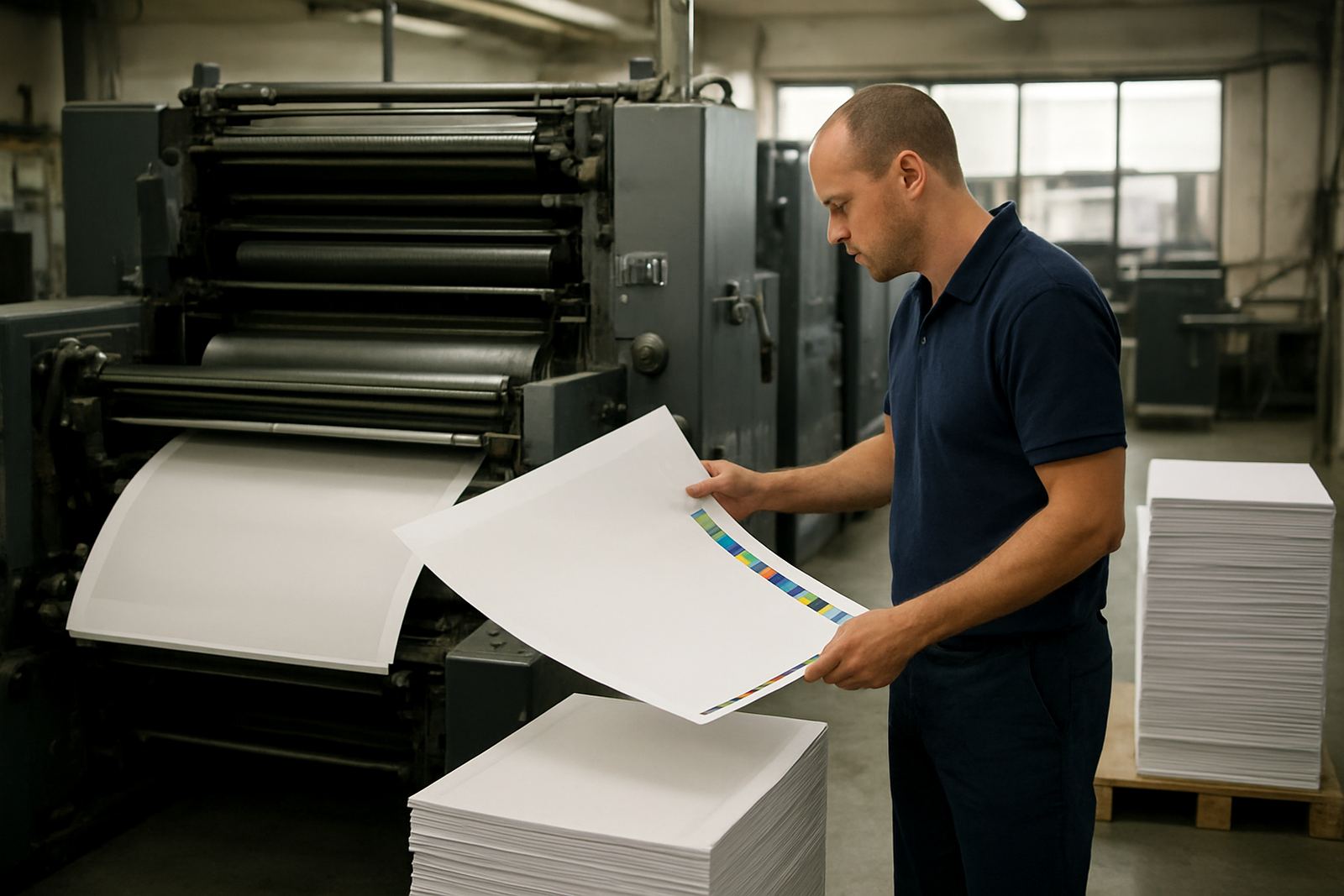
Our technical support also covers colour stability checks and production troubleshooting. That is useful when a press has been running in one town for years and then takes on a new customer with tighter tolerances. Small changes in paper, ink or dampening can show up fast, and it helps to catch them before the whole shift goes sideways.
Layout and storage advice for better day to day control
Good planning starts before the first plate is exposed. Plates should be stored flat, dry and away from sunlight, with clear stock rotation so older material is used first. Chemistry needs a clean, labelled area with records for mix ratios, top-up rates and service dates. Blankets should be handled carefully to avoid dents and edge damage, especially where pallets move through narrow corridors or where forklift traffic is busy.
We often advise production teams to separate the plate room from the press wash area if space allows. That reduces contamination from spray, dust and airborne solvent. If space is tight, then stronger housekeeping and clear shelving rules become even more important. With a tidy layout, new staff learn faster and every shift follows one process, which matters when staff rotation interrupts normal routines.
- Keep plates in a humidity controlled area if possible
- Label chemistry by batch and date received
- Store blankets rolled or flat as recommended for the type
- Keep make-ready items near the press but away from heat
- Record every processor adjustment and wash programme change
Common mistakes that cost money on sheetfed lines
One common mistake is buying plates on price only and discovering later that the image does not hold through the run. Another is running chemistry too long because the changeover seems expensive, only to lose more in plate rejects, dirty background and repeat work. Blanket wear gets ignored too, especially when the outer surface still looks acceptable but recovery has dropped and colour starts drifting on solid areas.
Press teams also lose time when they do not plan stock for the next two or three jobs. A rush order into Pretoria or Midrand can be managed, but if the plate and chemistry stock is already too low, the whole schedule gets squeezed. The same applies to training. If operators are not shown how to handle plates, check processor balance and assess blanket condition, small problems become repeat problems. It is a simple truth and easy to miss when the day is busy.
Budget ranges for sheetfed offset consumables in South Africa
Budgets vary a lot depending on press format, run length and how many shifts the site runs. As a rough working range, smaller sheetfed operations may spend from around R12 000 to R35 000 per month on plates, chemistry and blankets together, while busy commercial or packaging rooms can move into the R40 000 to R120 000 range and higher. Specialist work with tighter colour control, more wash cycles and frequent plate changeovers can sit above that.
The better question is not only what the monthly spend is, but what that spend protects. If a more suitable plate or blanket removes one wasted run, the saving can cover a fair bit of the month. We usually build a supply plan around actual job numbers, plate consumption, processor load and the make-ready time each press needs. That way the budget tracks production reality instead of guess work.
How LithoPrinting Plates supports sheetfed printers nationwide
From our base in Industria West, Johannesburg, we support sheetfed offset customers across City West and nationwide, including Roodepoort, Randburg, Midrand, Germiston and Pretoria. Our team works across plate selection, chemistry balancing, processor servicing, blanket assessment and press startup help, with supply planning that matches the way the pressroom actually runs. Mandla Johannes Mokoena leads the business, with support from Preshanthi Chetty, Willem van der Merwe, Thandiwe Khumalo, Jason Petersen and Dineo Seabi.
If you need to compare options or plan for a new job mix, we can help with plate handling training, wash programmes, colour stability checks and production troubleshooting. For practical enquiries, send a message through our contact form. The goal is straightforward: keep the press supplied, keep the process steady and avoid surprise stoppages when the work is already lined up.
- Commercial offset supply for daily production
- Packaging support for heavier coverage and tougher stock
- Technical checks for plate, chemistry and blanket compatibility
- Nationwide delivery from Johannesburg to major production centres