When book work needs more than just plates
Book production puts pressure on every part of the press room. Text pages must stay sharp over many impressions, solids cannot drift, and coated or uncoated stocks each behave differently once the run gets going. If the job mixes internal covers, text stocks and short turnarounds, small plate or chemistry issues show up quickly as scumming, tinting, dirty backs or weak solids.
That is why the right supply plan matters. For publishers, commercial printers and short-run book shops, we look at page count, run length, paper type and binding method before suggesting plate and chemistry options. A 64 page perfect bound catalogue may need a different plate profile and wash programme than a 192 page educational book with heavy coverage on the cover. The aim is simple: repeatable print that holds from makeready through to final copies.
In Johannesburg and across South Africa, many book printers also have to work around seasonal humidity and tight delivery windows. That means the consumables must store well, process cleanly and stay consistent even when the plant is under pressure. A plate that gives good dot control and a chemistry mix that stays balanced can save hours over a month.
Typical equipment set for long-form book production
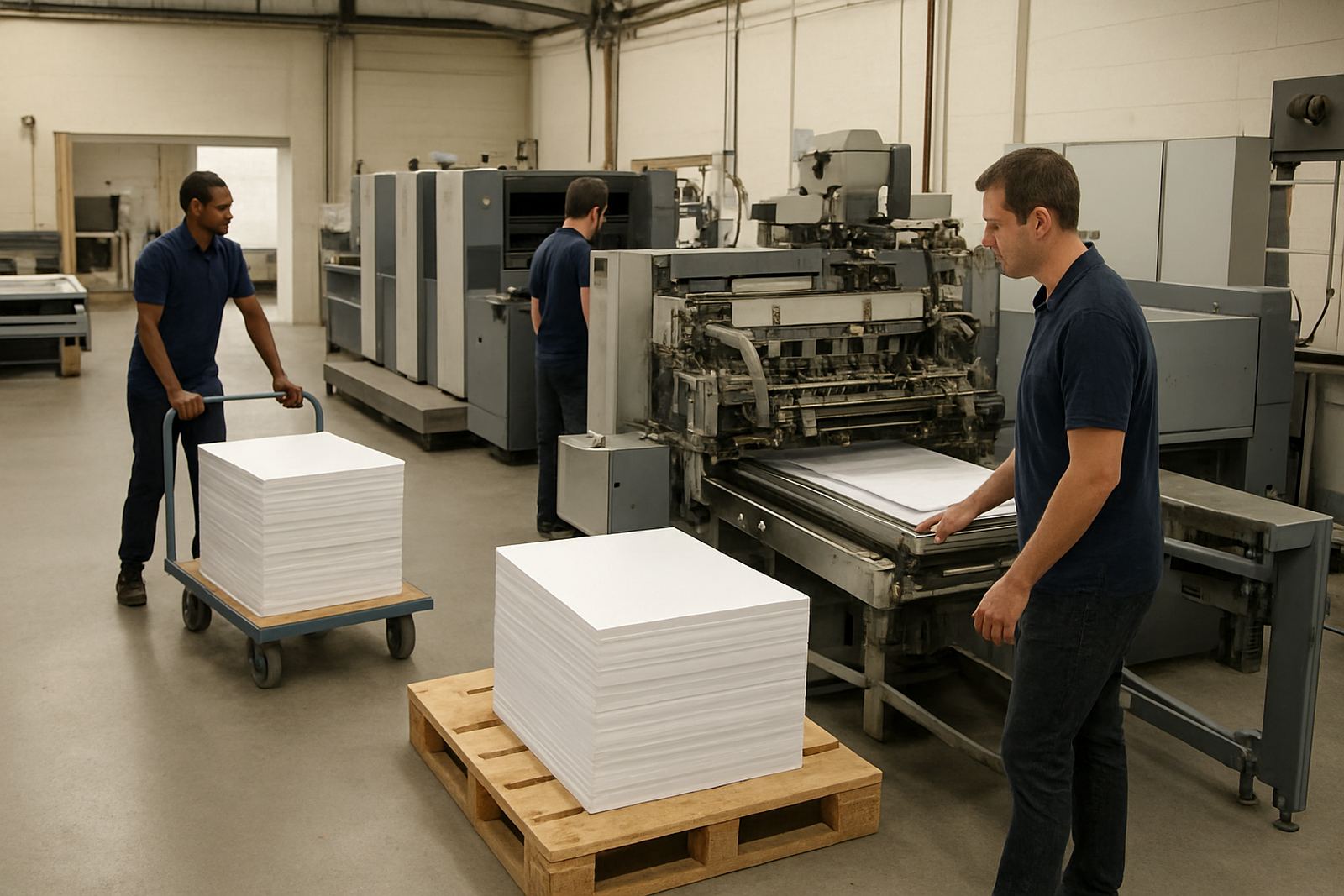
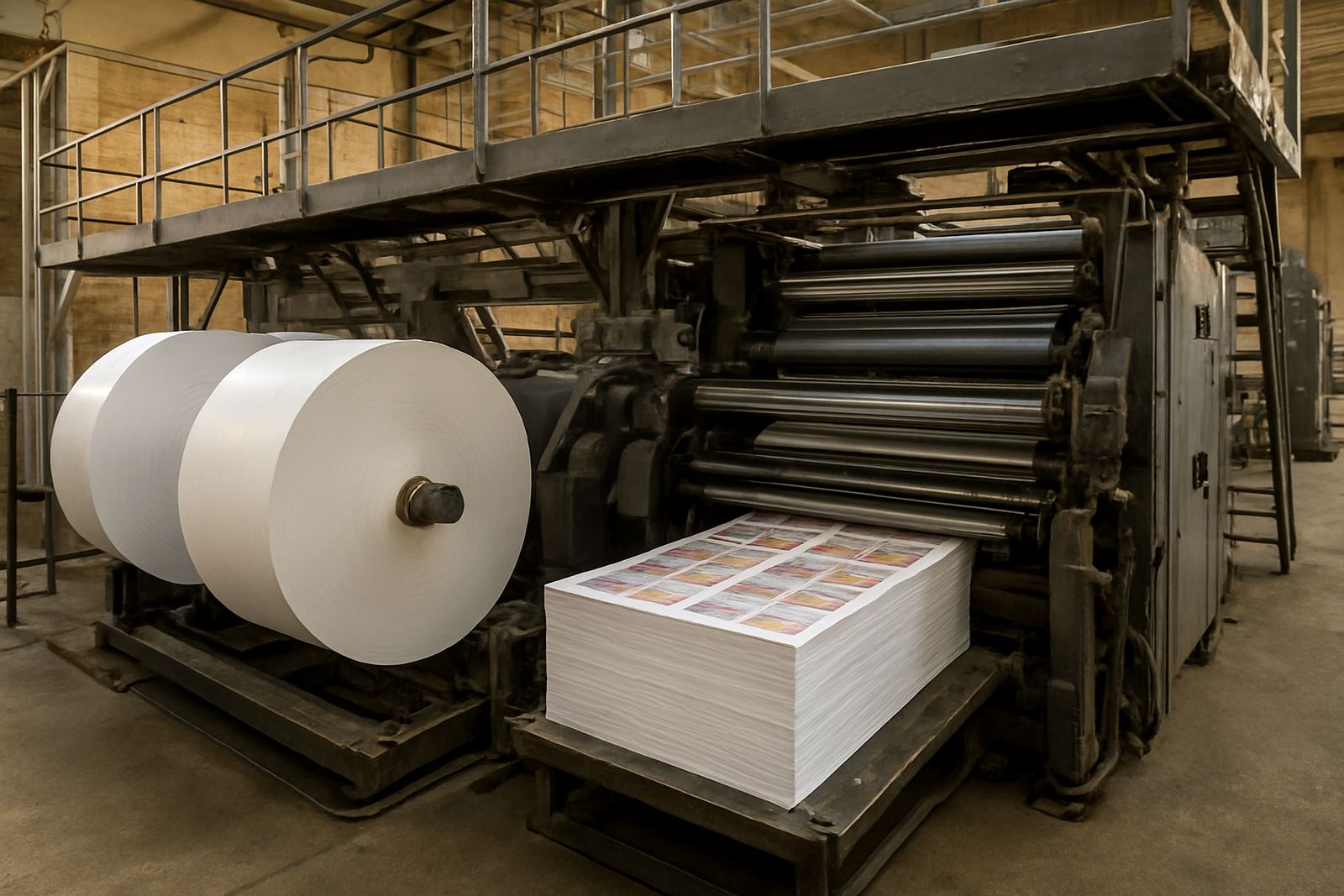
Book runs are usually built around standardised, dependable equipment rather than experimental setups. That includes computer-to-plate output, plate processors, offset presses in one to four colour configurations, and finishing lines for folding, gathering, perfect binding or saddle stitching. For some operations, flexo and finishing consumables also come into play for covers, wraps or special inserts.
We supply for production lines that need stable imaging, proper blanket contact and clean plate handling. In practice that means choosing plates that suit the press speed and room conditions, matching chemistry to the processor and cleaning cycle, and checking blankets for swelling, glazing or compression loss. If the press is running in a warmer area like Industria West or Germiston, chemistry control becomes even more important because evaporation and contamination can shift the balance faster than people expect.
- CTP plates for text, cover and repeated reprints
- Processor chemistry for developer, gum and wash systems
- Printing blankets for consistent impression and image transfer
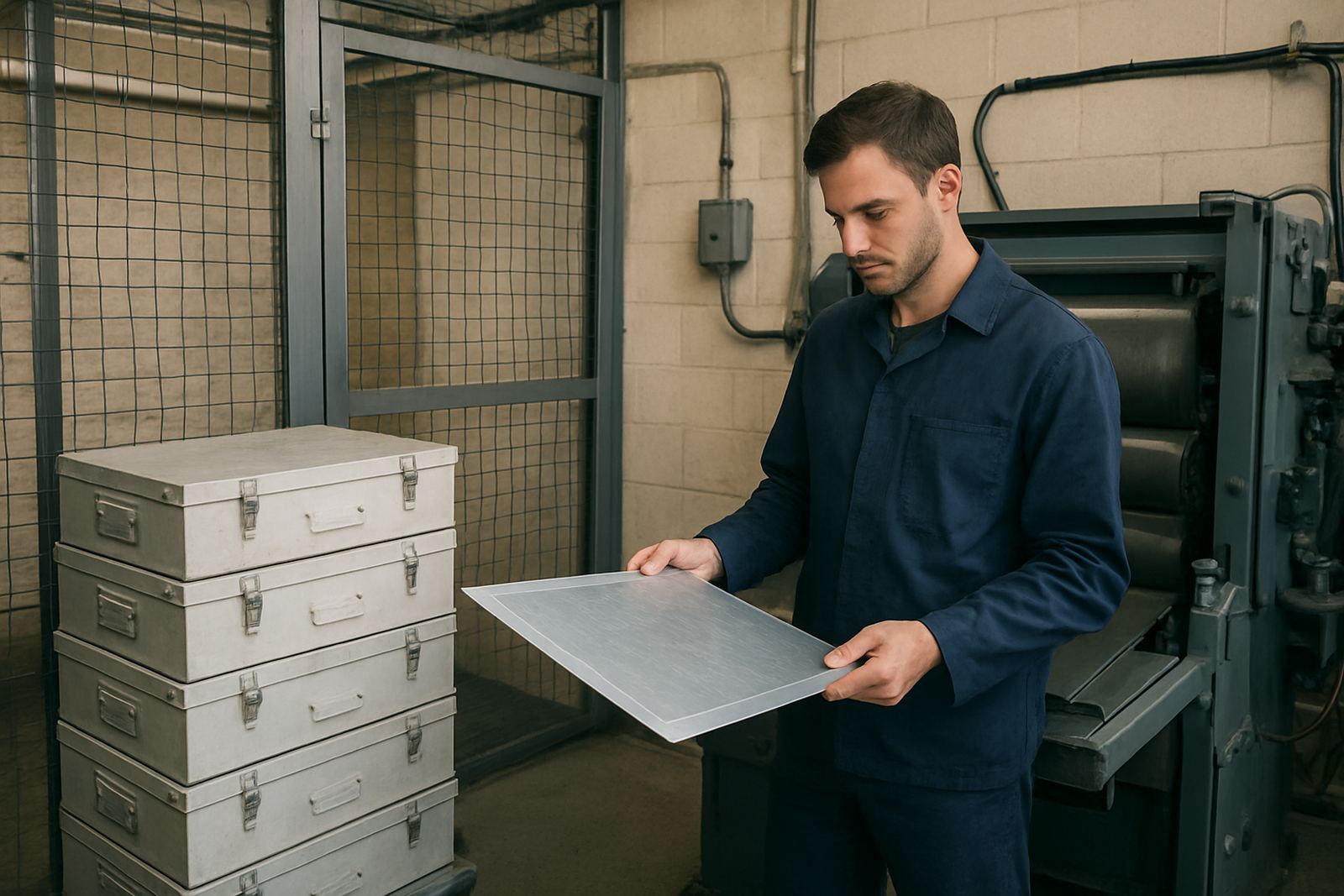
- Plate handling tools and storage guidance for clean room practice
- Wash programmes and colour stability checks for long runs
Layout and planning advice that saves time on press
Most book jobs go smoother when the planning starts before platemaking. A good layout reduces waste, shortens make-ready and helps the bindery receive cleaner folded work. We normally look at imposed signatures, pagination, ink coverage, the amount of solid black or rich colour, and whether the book includes varnish or special finishing. If those details are not settled early, the press team ends up adjusting on the fly and that costs time and paper.
For long-form work, it also helps to group similar paper stocks and ink densities together where possible. A run of school readers on lighter stock should not be handled like a full-colour coffee table book, even if both come off the same press. We advise on plate selection and press startup help so the operator has the right starting point for the job, not a guess.
- Confirm pagination early so plate sets are complete and correctly imposed
- Match plate chemistry to the processor and pressroom temperature
- Inspect blankets ahead of long runs rather than mid-job
- Plan for reprints if the book is likely to go into later editions
- Keep spare consumables on hand for rush jobs and late deliveries
Common mistakes on book runs
A lot of book waste comes from the same avoidable issues. Printers sometimes run with chemistry that is too tired for the volume, or they keep using blankets past the point where the surface has lost its lift. Another common issue is poor plate handling. Finger marks, scratches and bad storage can all show up as marks on repeat pages, especially on fine text and line work.
Another trap is trying to stretch supply orders too thin. A book plant may think it is saving money by buying minimal chemistry or just enough plates for the immediate job, but then the run expands or a reprint is needed and the downtime costs more than the saving. We often see this in smaller operations in Randburg, Midrand and Pretoria where work is booked tightly and there is no room for a missing component.
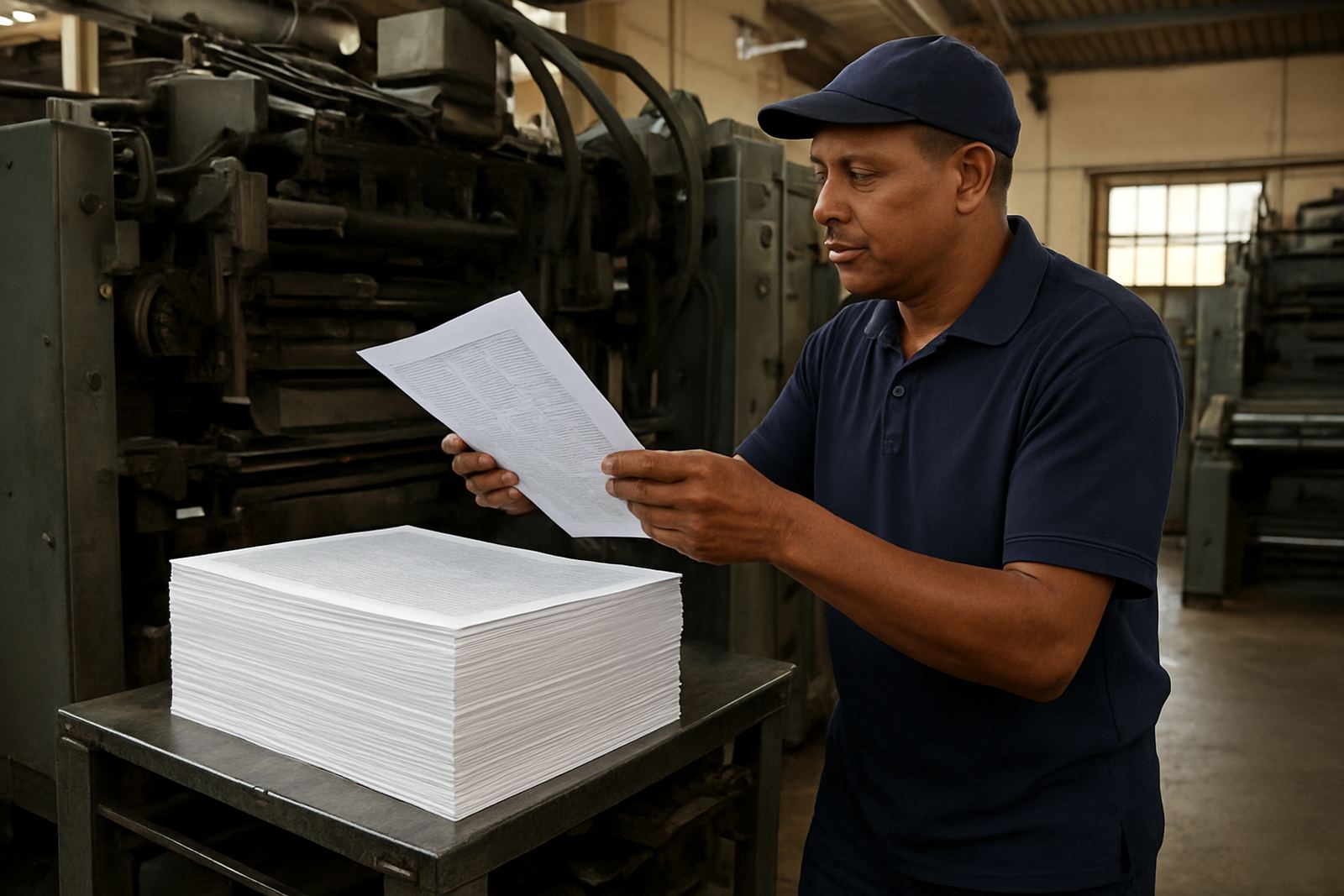
There is also the problem of skipping wash programmes and colour checks. On book work, consistency is more valuable than chasing tiny colour changes from one shift to the next. If a pressroom keeps a cleaner routine and measures stability regularly, the result is less spoilage and fewer customer complaints.
Budget ranges for book printing supplies
Book production budgets vary a lot depending on page count, run size and whether the job is black-only or full colour. As a guide, a small short-run book release may only need a few plates and limited chemistry, while a large educational print order can call for repeated plate sets, multiple blanket replacements and ongoing processor support. The numbers below are practical planning ranges and not a quote for every situation.
For smaller book jobs, consumable spend can start from about R2 500 to R8 000 for plates, chemistry and basic support items. Mid-volume work often sits between R8 000 and R25 000, especially where there are cover variations or repeat orders. Larger book programmes, including serial educational material, can move from R25 000 to R75 000 or more over a production cycle when you factor in reprints, testing and pressroom support.
- Short-run books and proofs: R2 500 to R8 000
- Regular commercial book work: R8 000 to R25 000
- High-volume or repeated editions: R25 000 to R75 000+
- Processor servicing and checks can reduce unplanned spoilage costs
The right budget is usually cheaper than the hidden cost of reprints, wash-ups and rejected sheets. That is where chemistry balancing and supply planning make a real difference.
How we support book printers from Industria West nationwide
LithoPrinting Plates works from Industria West in Johannesburg and supplies plate and press consumables nationwide. We support printers in Roodepoort, Randburg, Midrand, Germiston and Pretoria, as well as book producers further afield who need dependable delivery and straight answers. Our team includes Mandla Johannes Mokoena, Preshanthi Chetty, Willem van der Merwe, Thandiwe Khumalo, Jason Petersen and Dineo Seabi, so calls are handled by people who understand production pressure.
For book work, that means more than just sending stock. We help with plate selection, chemistry balancing, processor servicing, blanket assessment, press startup help, plate handling training, wash programmes, colour stability checks, supply planning and production troubleshooting. If a plant is struggling with repeatability on text pages or cover consistency, we can look at the whole chain from plate room to pressroom and recommend practical changes.
When the goal is clean, repeatable book production, the best supply partner is one that understands the pace of the job and the cost of delay. Send your page count, run length, press type and finishing details through our contact form and we can advise on the right setup for the next run.