When a commercial job must run without stops
Commercial print work is rarely complicated in one place, but it becomes costly when plates, blankets, chemistry or press settings are not matched to the job. A 5,000 brochure run in Johannesburg may seem straightforward on paper, yet a poor plate batch or unstable dampening mix can throw off colour after the first few hundred sheets. That means spoilage, reprints and delivery pressure that lands on the whole team.
We support printers who handle recurring corporate work, local campaigns, short-run manuals and seasonal flyer volumes. The aim is simple: keep the press moving, keep colour steady, and avoid the repeated interruptions that eat into margin. For many businesses this also means planning around after-hours finishing and wet weather that affects paper and blanket performance across the year.
In practical terms, our support suits print rooms that want a supplier who understands what happens on the floor, not just what is on the order. If your team is running multiple SKUs, tight delivery windows and frequent client approvals, the supply side has to be calm and accurate.
Typical equipment in a commercial print room
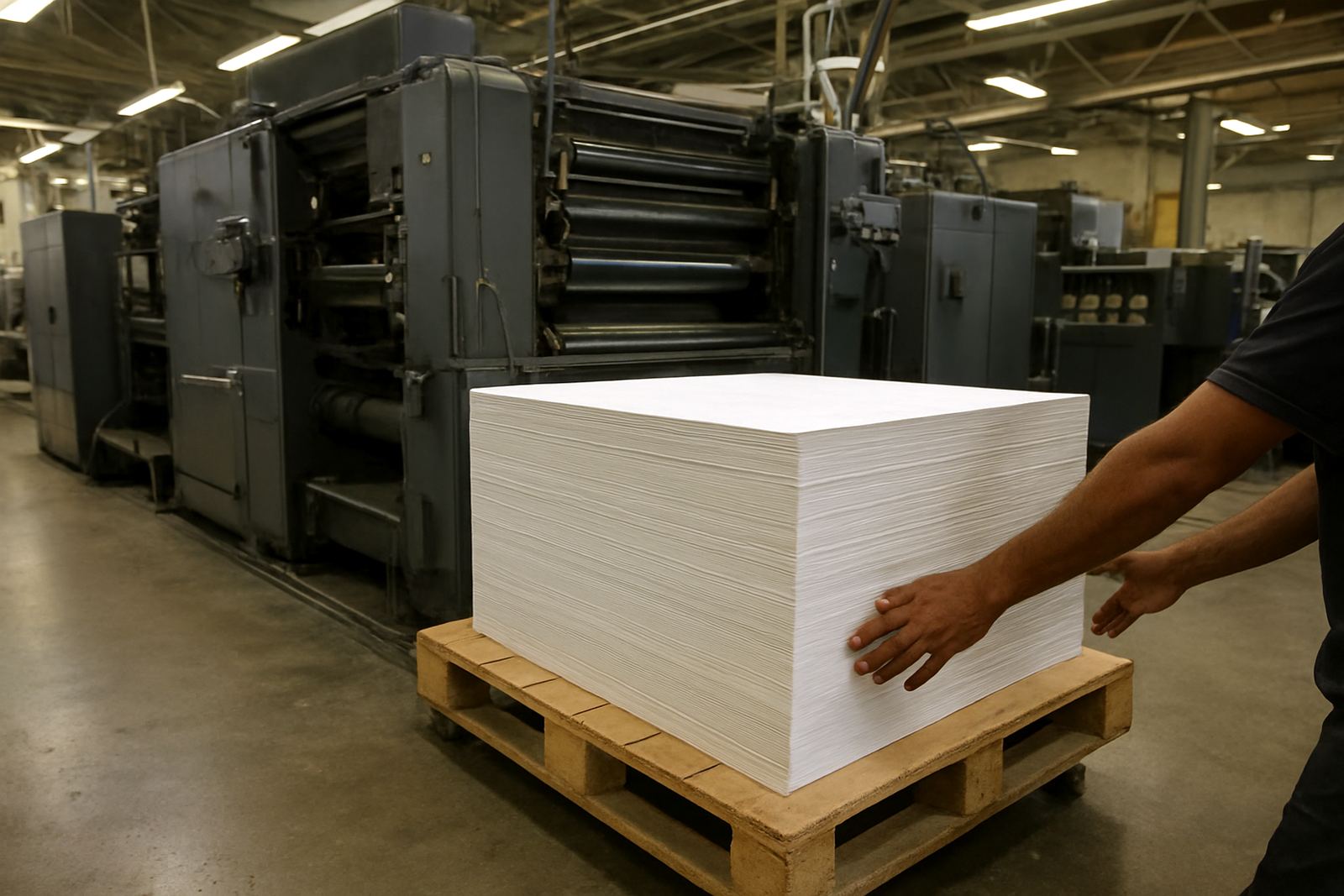
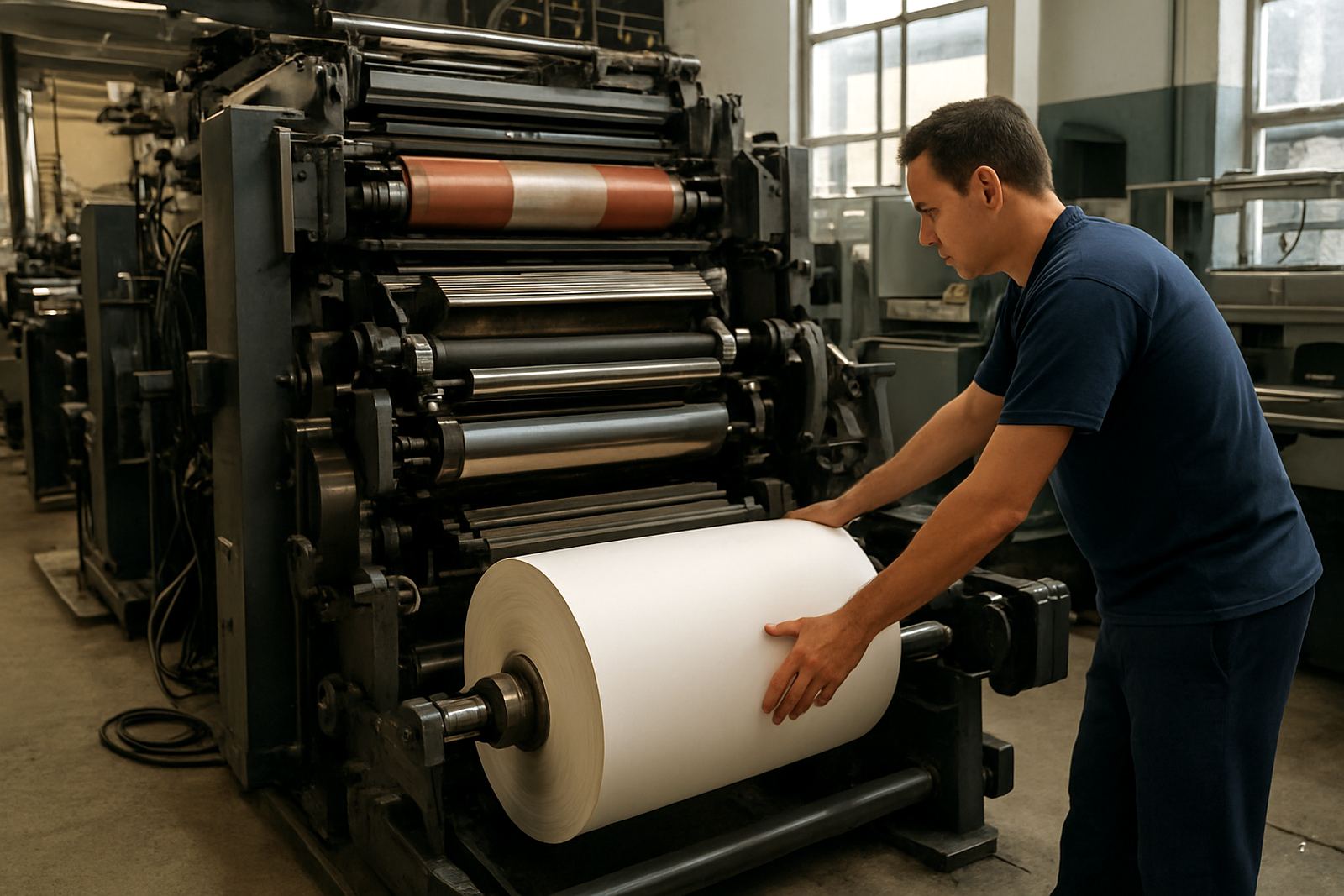
Most commercial operations we support work with a mixed set of offset and finishing equipment. That can include CTP plate setters, processors, plate bending and handling tools, proofing kit, dampening systems, wash-up units and finishing lines for folding, trimming, stitching or binding. Some sites also have flexo or hybrid lines for labels, inserts and packaging-adjacent work.
Our supply and support services are built around the machines that keep production going every day, including:
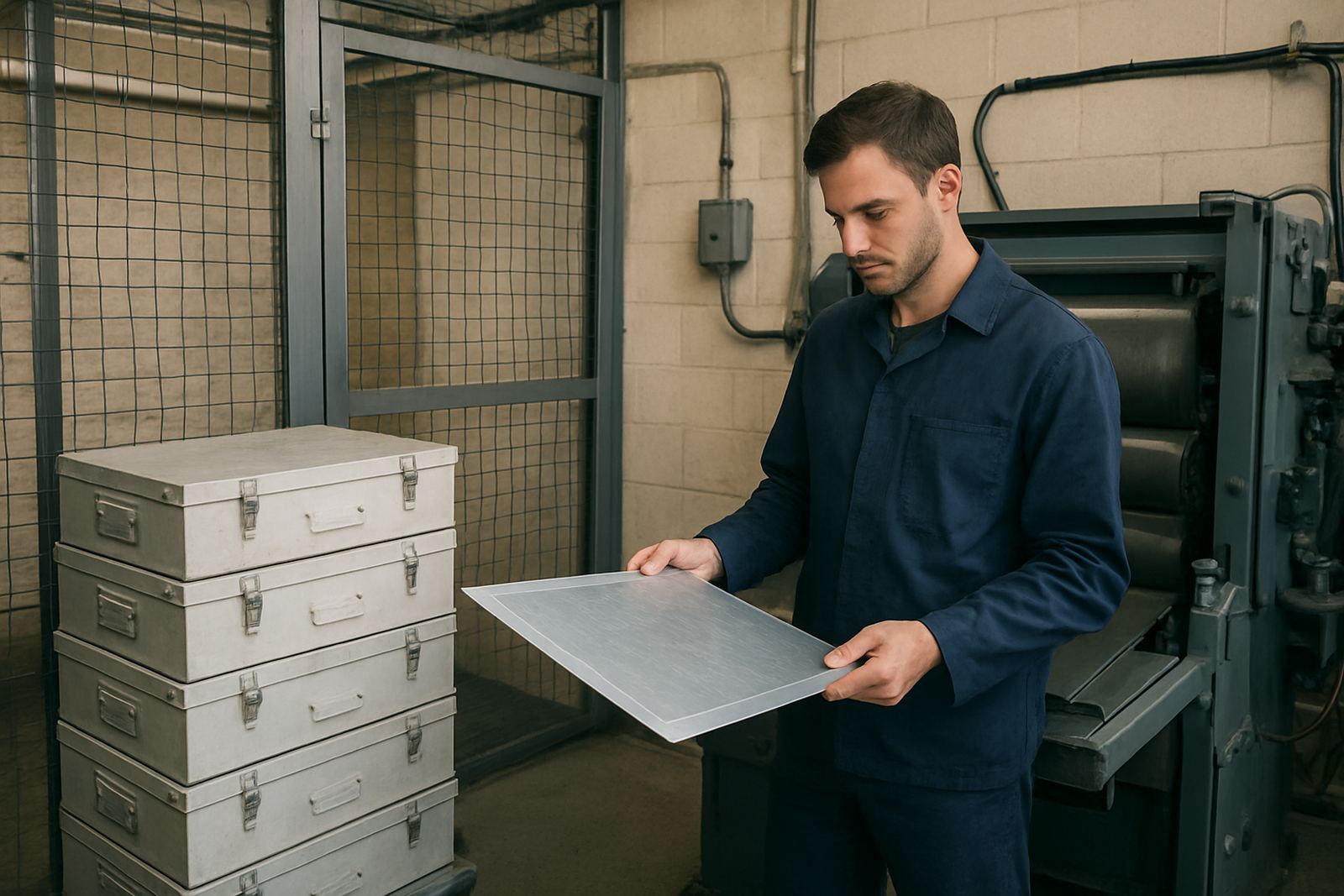
- CTP plates suited to the press format and plate run length
- Processor chemistry balanced for local water quality and room temperature
- Blankets assessed for wear, swelling and set-off control
- Wash programmes matched to the inks and paper stock being used
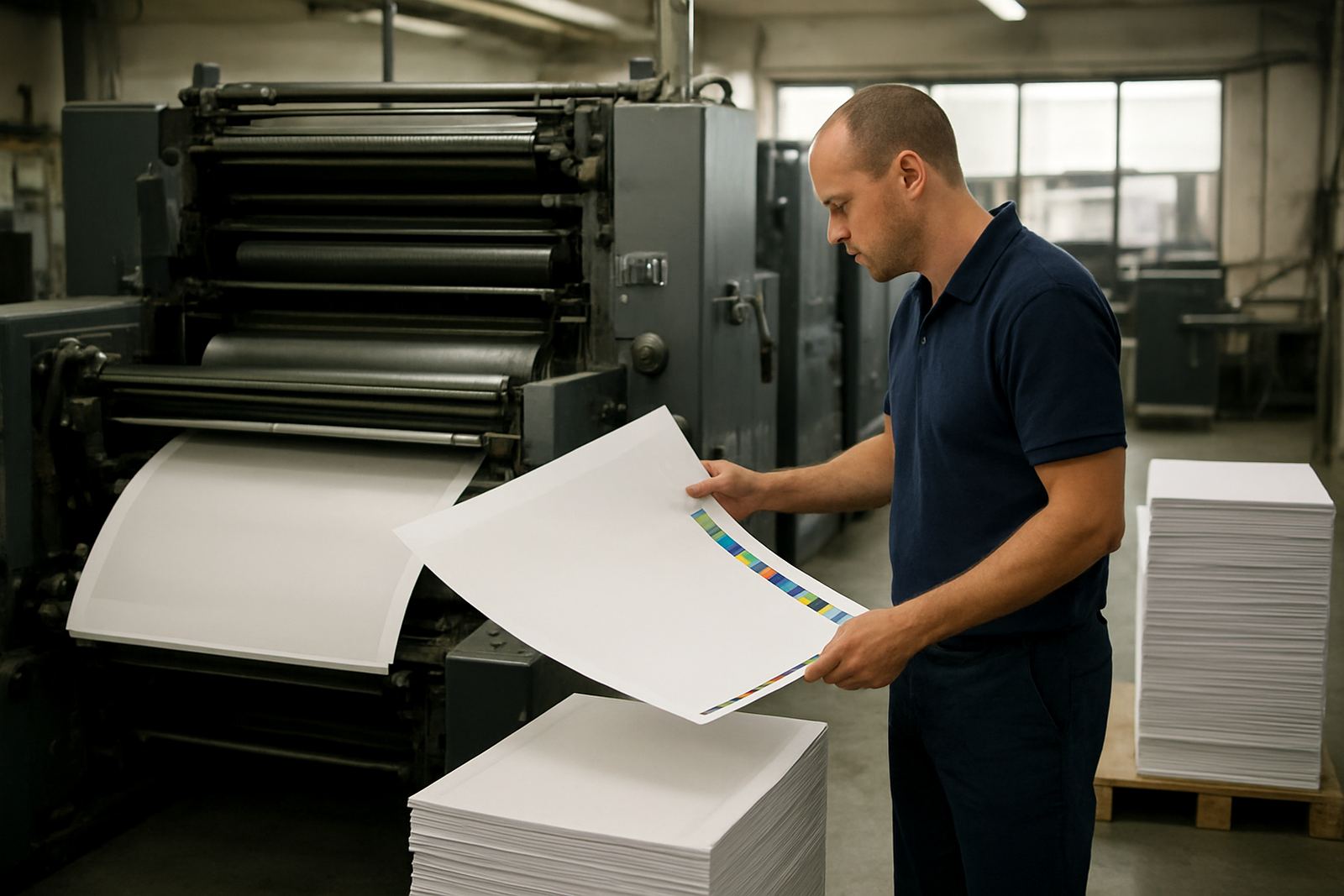
- Press startup help for new operators or changed job specs
In places like Industria West, Roodepoort and Germiston, a lot of print rooms need fast replenishment because jobs are scheduled tightly and there is no room for guesswork. That is where correct matching matters more than simply having stock on hand.
Layout and planning advice for brochure and flyer work
Good planning starts before plates are made. For brochure and flyer jobs, check page count, imposition, bleed allowance, paper grain and the finishing path. A job that looks fine at artwork stage can create folding problems if the grain direction is wrong or the trim allowance is too tight. The same applies to corporate reports, where binding needs to be considered early so that creep and registration are handled properly.
Before production, confirm these points with us:
- Final finished size and trim tolerance
- Paper weight plus coated or uncoated finish
- Number of folds, stitches or saddle-stitch positions
- Ink coverage expectations and drying time
- Delivery date, proof sign-off and backup supply on critical jobs
For printers managing work between Midrand, Pretoria and the West Rand, tight planning also helps with dispatch timing. If a job is due for next-day delivery, the make-ready has to be clean and the supply list complete the first time round.
Chemistry, blankets and colour stability on press
Commercial work lives or dies on colour repeatability. A flyer re-run should look like the first batch, not just close enough. That is why chemistry balancing and colour stability checks are such an important part of day-to-day support. Small changes in pH, conductivity or blanket condition can show up as scumming, toning, poor dot reproduction or dirty solids.
We help printers manage the parts that often get overlooked between long runs and rush work. Blanket assessment tells you when a blanket is no longer giving even transfer, while wash programmes need to be suited to the type of ink and the pace of the pressroom. On some sites, especially where temperatures swing during the day, a change that looks minor in the morning can become a press fault by afternoon.
Technical control matters even more when multiple operators use the same machine. A clear standard for chemistry and wash-up reduces waste, keeps start-up times predictable, and makes it easier for a new operator to hit the same result as the previous shift.
Common mistakes that cost commercial printers money
Most avoidable losses come from small things left unchecked. The plate is not wrong, but the handling has marked it. The chemistry is not empty, but it is out of balance. The blanket still looks usable, but it has lost its recovery and the pressman keeps chasing colour. These problems usually show up on the most time-sensitive job of the week.
Other common mistakes include ordering too late, mixing product types without confirming compatibility, and starting a long run before the startup sheets have been approved. In Johannesburg and Pretoria print rooms, we also see issues where teams try to stretch consumables beyond their useful life because the replacement order was delayed. That is false economy.
Keep an eye on these warning signs:
- Increasing make-ready time on jobs that used to run quickly
- Uneven colour across the sheet or between shifts
- Frequent blanket cleaning with little improvement
- Processor drift that needs constant manual correction
- Unexpected spoilage during the first 200 to 500 sheets
Budget ranges for commercial supply planning
Commercial print budgets vary by machine size, run length and the level of control needed. A small jobbing room doing local corporate flyers will spend differently from a plant handling high-volume brochures and reports every week. It helps to budget in bands rather than wait for emergency buying, because urgent orders nearly always cost more.
As a working guide, a basic monthly consumables plan for a small commercial print room may start from about R8,000 to R20,000, depending on plate usage, chemistry and blanket replacement needs. A mid-sized operation can move into the R25,000 to R60,000 range once multiple presses, more frequent plate turnover and tighter quality control are included. Larger sites with heavy production demands may budget well above that, especially where production runs across several shifts.
The best savings usually come from correct planning, not cutting quality. Ordering plates in line with actual volume, servicing processors before they drift, and replacing worn blankets before they affect colour all reduce waste. Checking first costs less than reprinting spoiled stock.
How LithoPrinting Plates supports print rooms nationwide
From our base in Industria West, Johannesburg, we support printers across South Africa with plate selection, chemistry balancing, processor servicing, blanket assessment, press startup help, plate handling training, wash programmes, colour stability checks, supply planning and production troubleshooting. Our team works with print rooms in Roodepoort, Randburg, Midrand, Germiston and Pretoria, as well as sites further afield that need dependable delivery and practical technical backup.
For commercial printers, the value is in getting the right support before a job turns into a problem. That means clearer planning, steadier production and fewer surprises when deadlines are tight. Whether you are setting up a new recurring flyer schedule or dealing with an old press that needs careful control, the right consumables and advice make the job easier.
If you want to plan for the next month instead of reacting job by job, speak to our team through our contact form. A short discussion about your presses, job types and volumes can save a lot of trouble later on.