What long run printing asks of your materials
Long run printing is less about a single perfect sheet and more about the same result on the 500th, 5,000th or 50,000th impression. When a job runs over extended shifts, small faults become expensive. Plate wear, blanket glaze, wash-up issues and chemistry drift can slow the press and lift waste quickly.
On long runs, supply choices show up directly in cost per sheet. A plate that images cleanly, a blanket that holds ink transfer over the full job, and chemistry that stays in balance can save hours over a week. In Johannesburg and Pretoria, the pressroom conditions also change how long materials stay stable. Heat, dust and damp each have an effect.
For long run work, the client usually wants fewer stoppages, predictable dot gain and a finish that stays consistent from the first ream to the last. The supply plan should match the job length, substrate, press speed and wash schedule, not just the press size.
Typical pressroom set-ups for extended runs
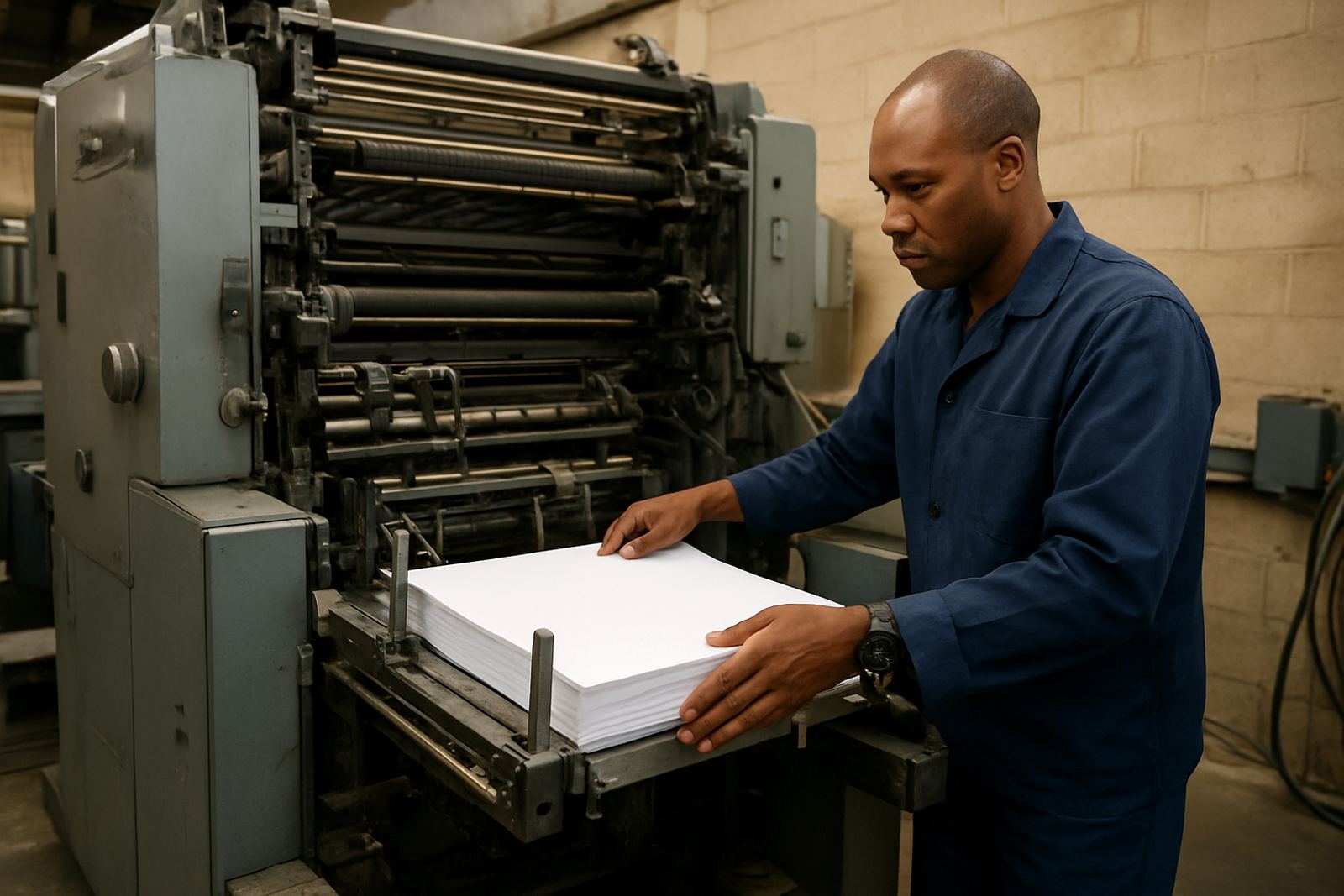
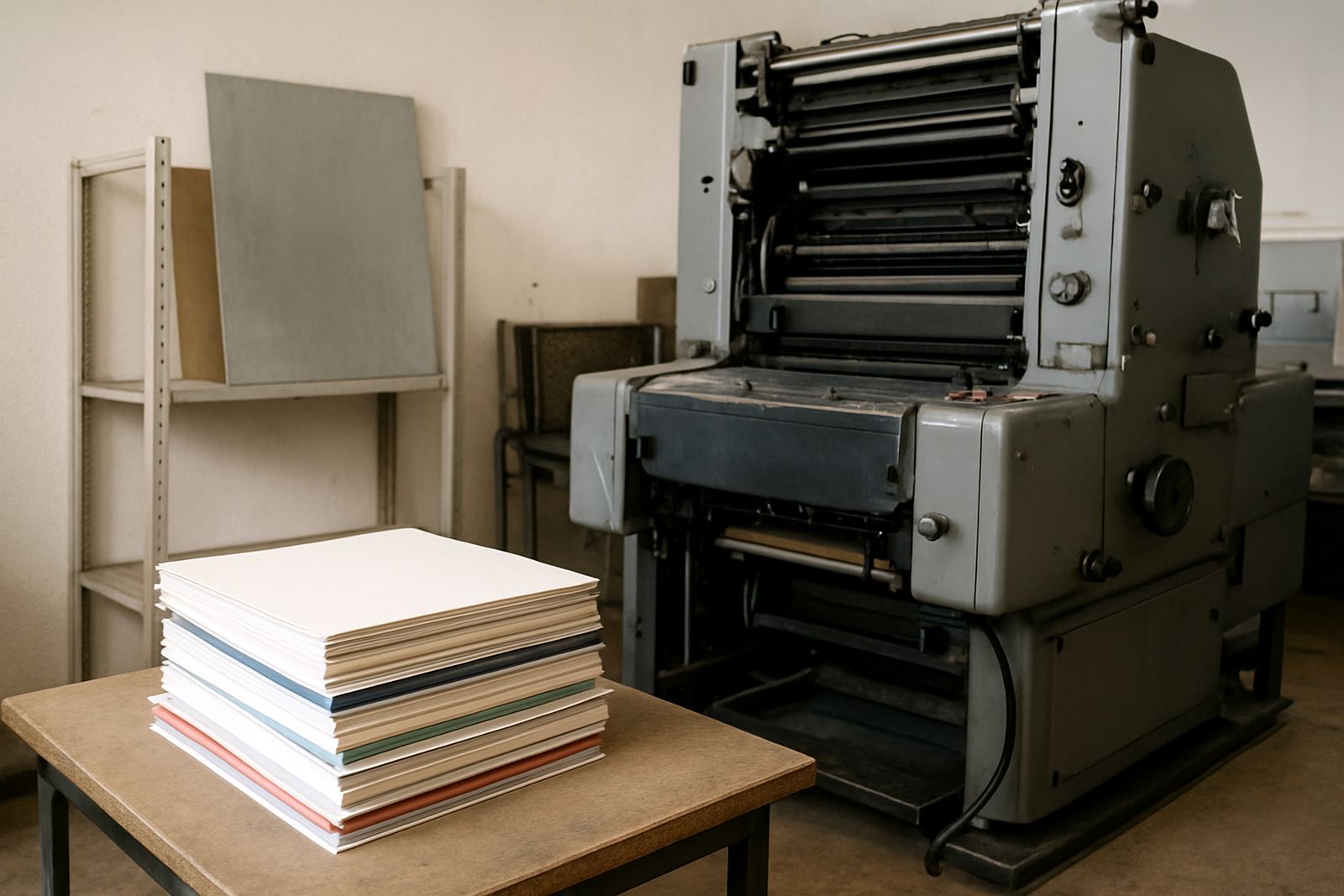
Most long run accounts use offset presses for catalogues, commercial work, books, labels or packaging related print. Some also pair this with flexo or finishing lines where the printed sheet has to fold, cut, varnish or bind without problems. The set-up usually includes a CTP room, plate processor, chemistry, blankets, press wash systems and a basic quality check routine.
For a busy shop, the layout should support fast plate movement and clear separation between clean and dirty areas. Plates should not be stored beside solvents or near an open delivery door where dust gets in. If the processor sits too far from the CTP unit, operators waste time carrying plates back and forth, and handling damage becomes more likely.
We often advise a simple flow: plate imaging, plate checking, processor output, drying, packing and issue to press in sequence. That keeps people moving in one direction and reduces mix ups. In high volume work, one wrong plate can stop a full shift and push makeready costs up by thousands of Rand.
- Plates on long-run jobs should be stored flat in a shaded, dry spot.
- Separate fresh chemistry from spent solution and rinse water.
- Allow enough floor space around the processor for servicing.
- Mark plate sizes and job batches clearly before issue to press.
Plate selection for repeatable output over long shifts
Long runs need plates that image consistently and hold detail without breaking down early. The exact plate choice depends on the press, the substrate and how fine the screen ruling is. For some customers the priority is speed through the CTP line, for others it is longer plate life on press. The better option is the one that fits both your quality target and your turnaround window.
In practical terms, a commercial printer in Midrand doing repeated monthly reprints may want a different plate specification from a plant in Germiston running heavy volume packaging all week. The same goes for blanket choice. A blanket that performs well on coated stock may not be the best match for work with more ink lay or frequent washing.
We help customers balance plate durability with pressroom handling. Good plate handling training matters here. If plates are bent, marked or left exposed too long, the best chemistry will not fix the result. For long run jobs, that kind of handling error shows up later as scumming, poor solids or unstable colour, and by then the waste has already started to climb.
Chemistry balance and wash programmes that hold steady
Over extended runs, chemistry drift is one of the main reasons a pressroom loses consistency. If the processor chemistry is weak, over mixed or contaminated, plate quality changes before anyone notices. On the press side, poor wash programmes can leave residues on blankets and rollers, then colour control becomes harder shift by shift.
Our chemistry balancing support looks at the full process, from plate development through to press cleaning. We check whether the wash cycles match the ink build up, the stock being used and the shift pattern. A plant running night shifts in Industria West has different needs from a smaller site that runs one day shift and then parks the press.
- Check processor strength at set intervals, not only when problems appear.
- Use a wash schedule that suits the ink load on the job.
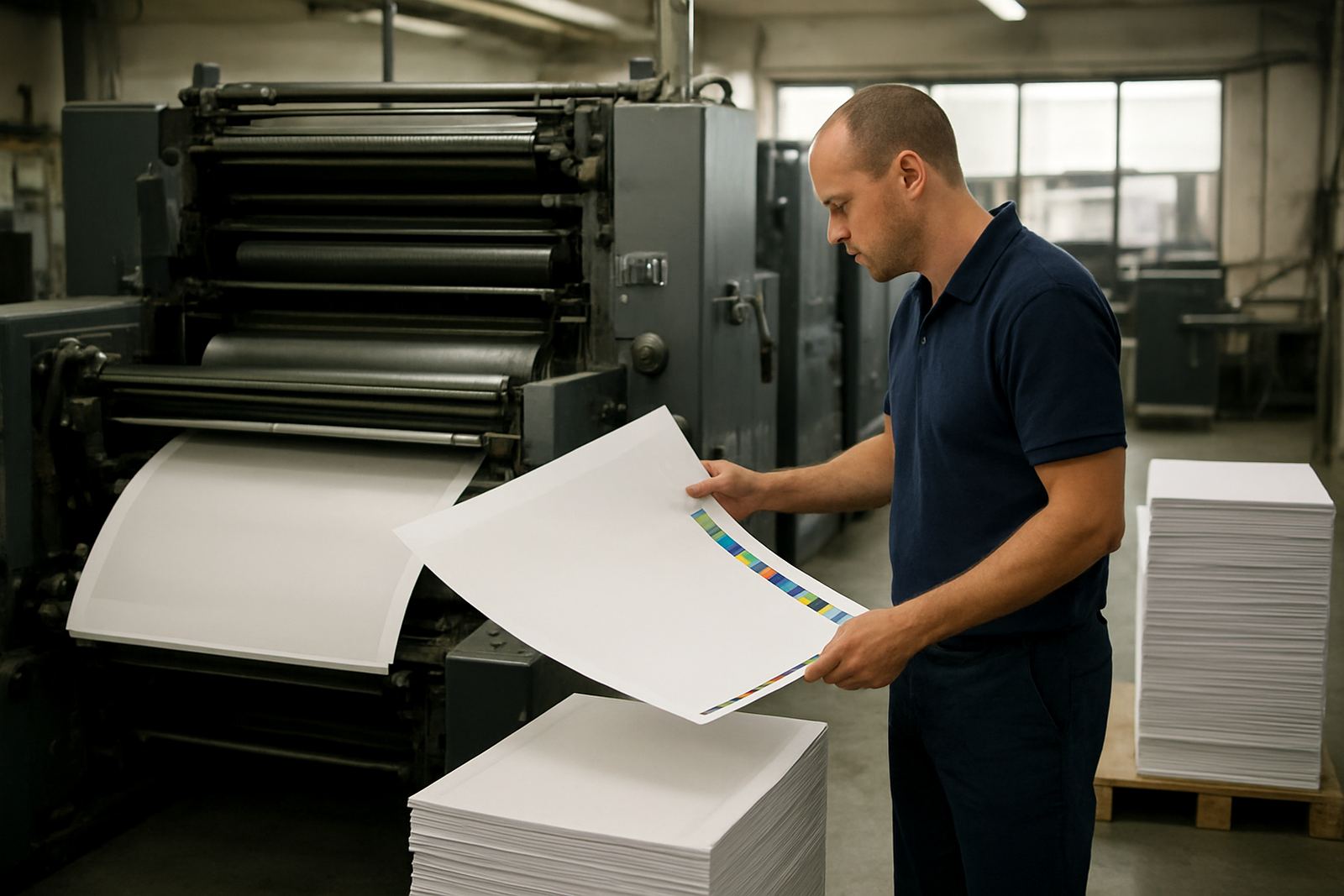
- Do colour stability checks during the run, not only at start-up.
- Keep a record of make-ready waste, stoppages and plate changes.
Where shops ignore chemistry and wash control, they often spend more later on blankets, rollers and reprints. Keeping the balance right costs less than trying to recover a press that has already drifted off spec.
Common mistakes on long run jobs
Long run production exposes weak planning very quickly. Running short of consumables is a common, costly error. If a job is planned for three shifts but only enough plates or blanket material is held for two, the team ends up improvising. Another common issue is not allowing for press startup help when a new job or new substrate is introduced.
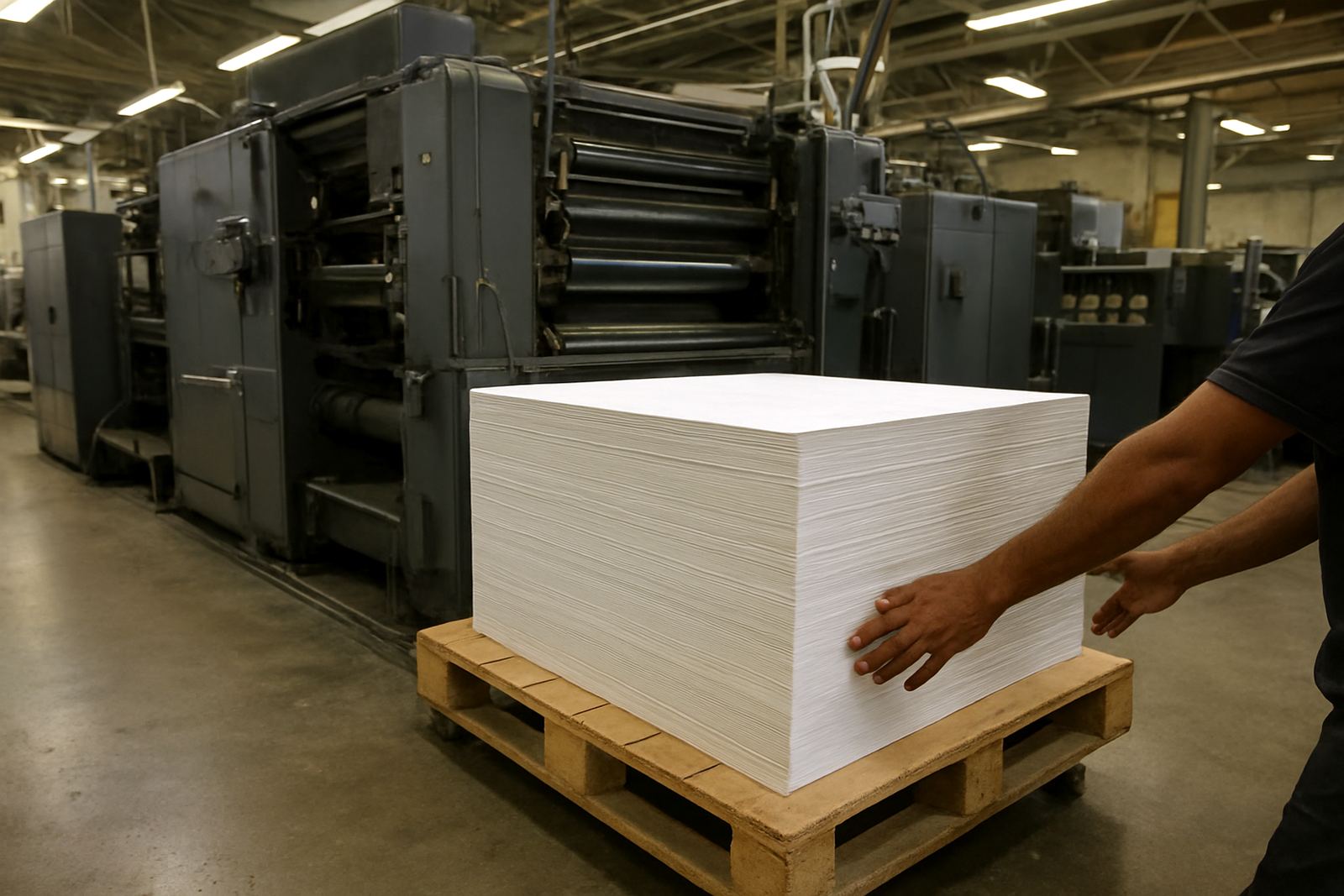
We also see poor stock planning. If the printed sheets are ready but finishing is delayed, the pressroom fills up and pallets start moving around the floor. That adds the risk of damage, mixed batches and late delivery. In some cases the print run itself is not the problem, the problem is that no one planned the path from plate to press to finishing line.
For customers in Pretoria, Randburg or Roodepoort, the practical fix is usually a short production review before the run begins. We look at expected volume, the press speed, how often the plates will change and what backup stock should be on hand. That simple step can save a lot of pressure once the run starts.
Budget ranges for extended production support
Budgets vary a lot by press size, job length and how many support items are needed on site. For a smaller long run account, consumables and basic support planning might sit in the low thousands of Rand per month. A busy commercial plant with multiple presses, regular chemistry use and ongoing blanket replacement will normally work in a much higher bracket.
As a working guide, plate and chemistry supply for routine long run production can range from around R15,000 to R80,000 and more over a month, depending on volume. Blanket assessment, processor servicing and startup support are usually quoted to the job or to a service cycle, especially where there are several machines. It is better to plan a realistic monthly spend than to chase emergency supply at higher cost when stock runs out mid week.
For many customers, the real saving is not only in the purchase price but in the reduction of waste, rework and downtime. A well planned supply line keeps the press running and keeps the numbers easier to manage.
Support across Johannesburg and nationwide
LithoPrinting Plates is based in Industria West, Johannesburg and supports plate and press supply nationwide. Our team works with printing businesses in Roodepoort, Randburg, Midrand, Germiston and Pretoria, as well as customers further afield who need dependable supply planning and technical back-up.
We can help with plate selection, chemistry balancing, processor servicing, blanket assessment, press startup help, plate handling training, wash programmes, colour stability checks, supply planning and production troubleshooting. If your work involves long runs and tight delivery windows, the best time to talk is before the job starts, not after the waste pile grows.
For pricing, stock planning or technical support, use our contact form and tell us your press type, run length and substrate. A clear brief lets us match the supply to the work, and that makes a real difference when the shift is long and the schedule is full.