When UV work starts causing pressroom problems
Most UV jobs begin with good intentions and then show the same warning signs. The plate image holds, but the press starts to fight back with build-up, scumming, poor release, or blanket wear that comes much faster than expected. In Johannesburg and Pretoria, humidity and temperature swings make that worse if the pressroom is not set up for the inks and wash systems being used.
We help print teams look at the full job flow, not only the plate or only the blanket. That means checking whether the chemistry, fountain solution, cleaning method and blanket choice all work together on the same press. UV curing changes the way residue behaves, so a setting that was fine for conventional work can become a headache on a UV line by the second shift.
Typical equipment set for UV printing lines
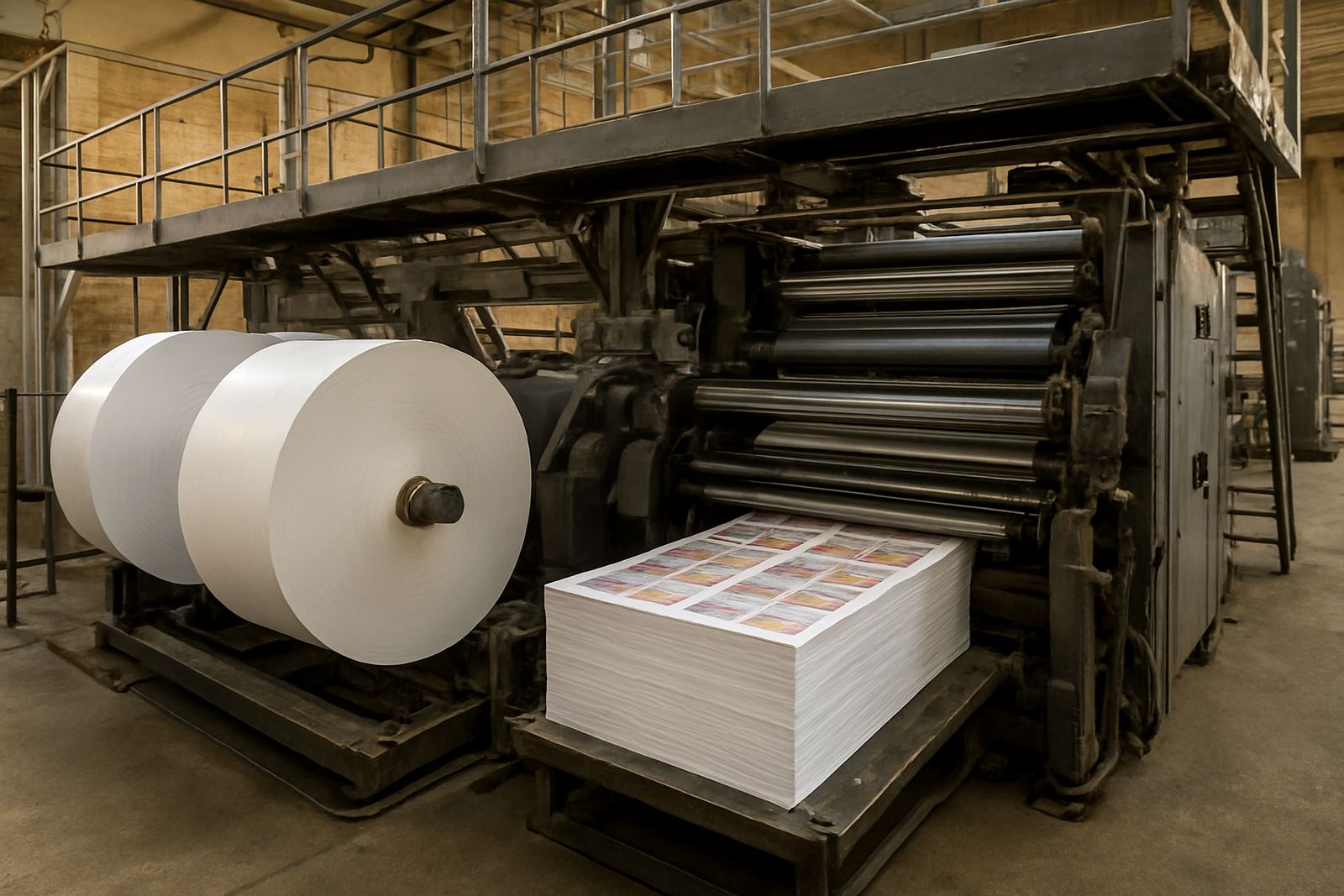
UV printrooms vary from a small finishing operation adding spot UV to a full offset shop running mixed production. The common equipment set usually includes CTP plates, processor chemistry, fountain solution, blanket packing, blanket wash, plate cleaner, consumables for plate handling and some form of press startup control. For flexo and finishing work, operators may also need cleaner control for sleeves, rollers and coating units.
- CTP plates matched to the plate processor and plate brand specification
- UV-compatible blanket material with the right compression and surface release
- Processor chemistry that holds stable enough for repeatable plate output
- Wash programmes suited to UV residue, not only standard ink clean-up
- Plate handling training to reduce scratches, fingerprints and edge damage
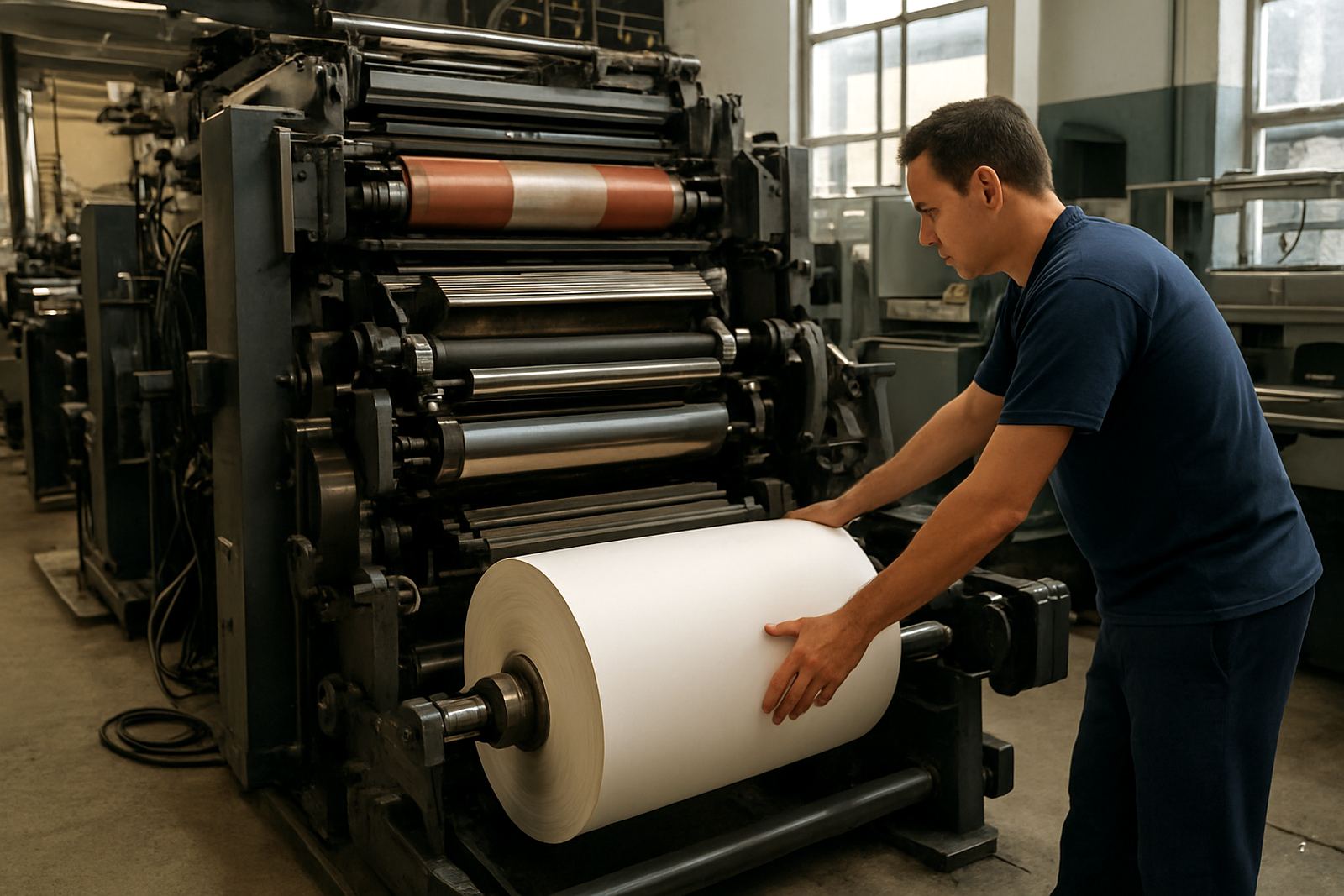
On newer presses with automatic wash-ups the temptation is to trust the machine settings and move on. That is where many shops lose blanket life. If the wash cycle is too aggressive or the chemistry is too hot, the blanket surface can harden, glaze or swell over time, and then print quality drops on every future job.
Layout and planning advice for UV pressrooms
A UV pressroom should be planned around heat, airflow and storage discipline. Keep chemistry away from direct sun, store blankets flat where possible, and avoid mixing open containers from different suppliers in the same wash area. If the room is near an outside wall in Industria West, Randburg or Midrand, you may need better ventilation and more consistent temperature control than you would for ordinary litho work.
Plan your stock by usage rate, not by price alone. A cheap blanket that needs replacement after a short run is usually more expensive than a better grade that lasts the month. The same applies to chemistry. If one wash product is slightly more expensive but protects rubber compounds better, the real saving shows up in lower blanket spend and fewer press stoppages.
- Keep a separate UV consumables shelf from standard pressroom stock
- Label chemicals by press line and use rate to avoid cross-mixing
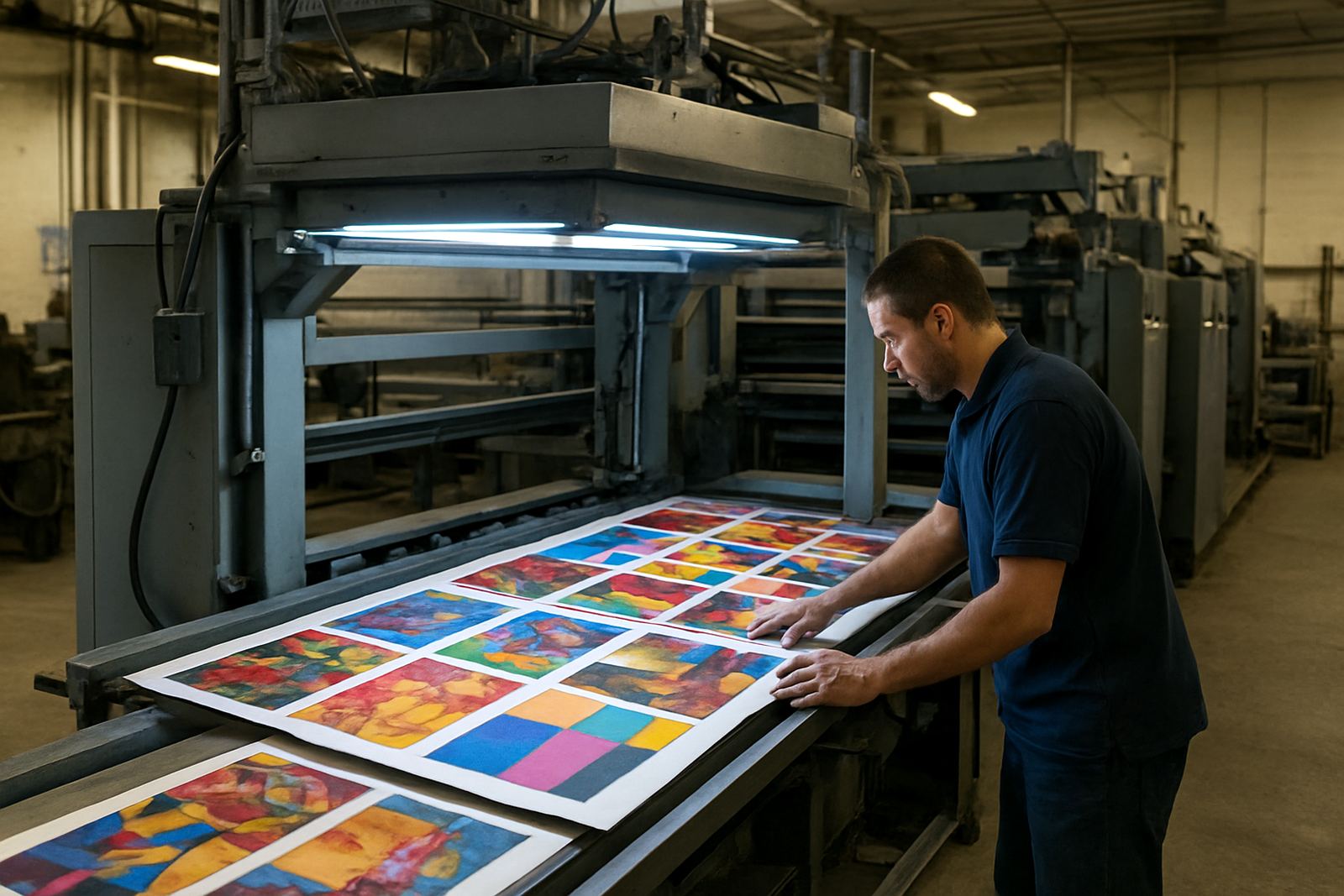
- Allow space for inspection tables, blanket checks and plate staging
- Build in enough stock for courier cut-offs and public holidays
- Use a log for blanket changes, wash changes and recurring faults
Common mistakes that shorten blanket life
The most common mistake is assuming all wash products behave the same. They do not. Some are too harsh for UV blanket surfaces and some leave residue that interferes with ink transfer on the next shift. Another mistake is running a blanket beyond its useful life because the print still looks acceptable on light coverage jobs. By the time solids and screens fail, the damage is already costing time.
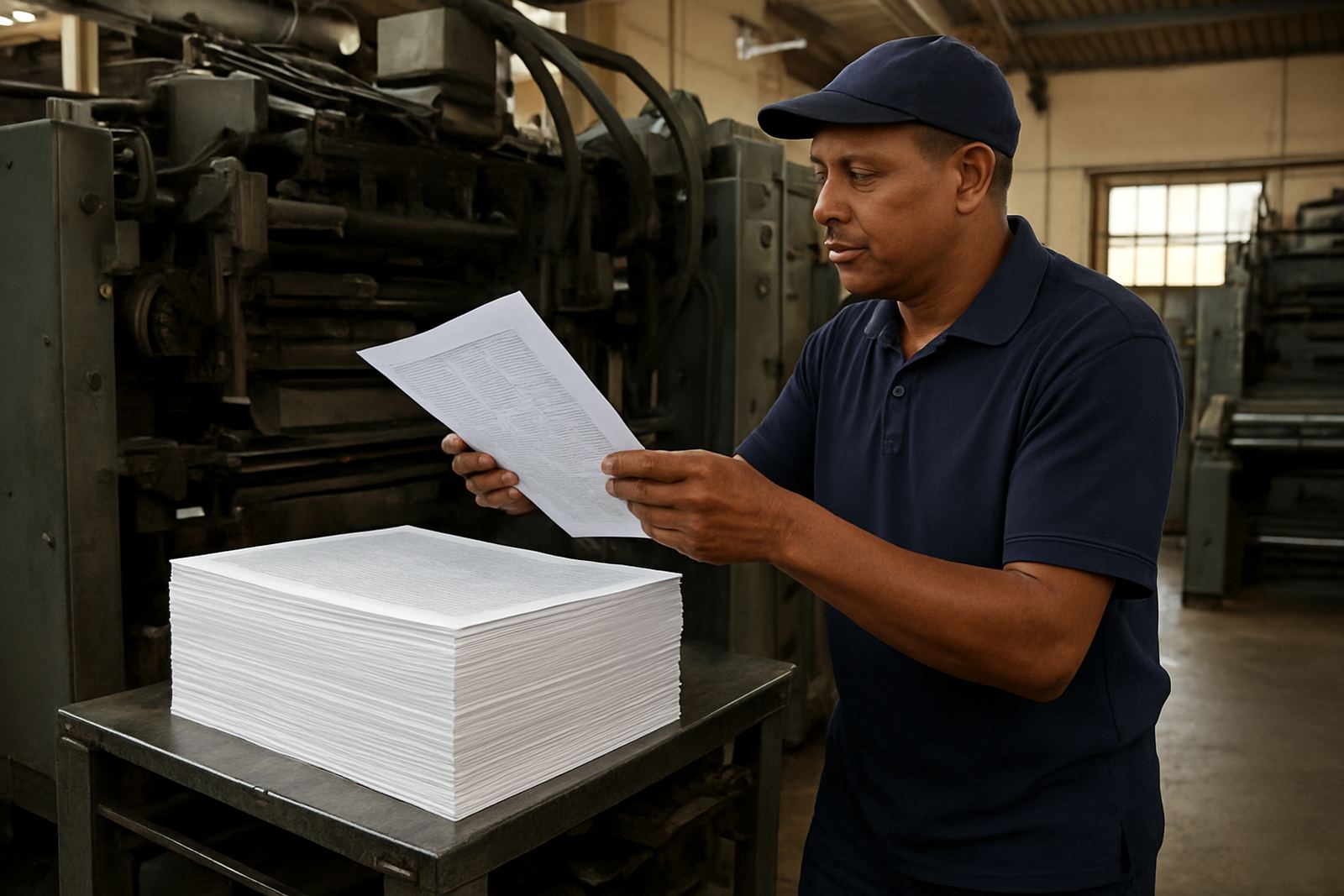
We also see poor plate handling every week. A plate can be technically correct yet still perform badly if it is nicked, bent or handled with dirty gloves. That is why plate handling training matters just as much as the plate supply itself. Press teams in Germiston, Roodepoort and Pretoria often save money simply by tightening the storage, handling and startup routines they already have.
Common problems to watch for include:
- Using general purpose chemistry on UV residue
- Over-washing blankets and hardening the surface
- Skipping colour stability checks during long runs
- Running plates with inconsistent processor balance
- Ignoring small scumming or build-up until the job is already late
Budget ranges for UV consumables in Rand
Every pressroom budgets differently, but UV work should be costed with enough margin for stricter consumable control. For a small to medium operation, plate and chemistry spend may start around R8 000 to R18 000 per month, depending on volume, plate size and how many presses are in service. A higher-output shop running multiple shifts can move into the R25 000 to R60 000 range once blankets, chemistry, wash products and replacement stock are included.
Blanket spend depends heavily on job mix and wash discipline. A shop with controlled startup routines and sensible cleaning methods may replace blankets less often, while a busy commercial printer doing frequent UV and conventional changeovers will spend more. It is better to budget for a slightly higher monthly consumable line than to buy only when something breaks or a job is already behind schedule.
If you are setting up a new UV workflow or correcting an existing one, start with a review of plates, chemistry and blanket life together. That gives a more accurate picture of operating cost than any single item on its own.
How LithoPrinting Plates supports UV production
We supply pressroom materials for UV work across Johannesburg City West and nationwide, with support from our Industria West base and regular service into Roodepoort, Randburg, Midrand, Germiston and Pretoria. Our team can assist with plate selection, chemistry balancing, blanket assessment, press startup help and production troubleshooting. If your line is unstable, the first step is often a practical review of what is happening at the plate, the blanket and the wash cycle.
UV printing is unforgiving when the basics are out. The good news is that most repeat problems can be reduced with the right consumables and a cleaner operating routine. Mandla Johannes Mokoena and the team work with print professionals who need dependable supply, not guesswork, and we keep the focus on what actually helps the press run.
For UV pressroom supply advice or a stock review, send a message through our contact form.