When magazine work starts missing tone and colour
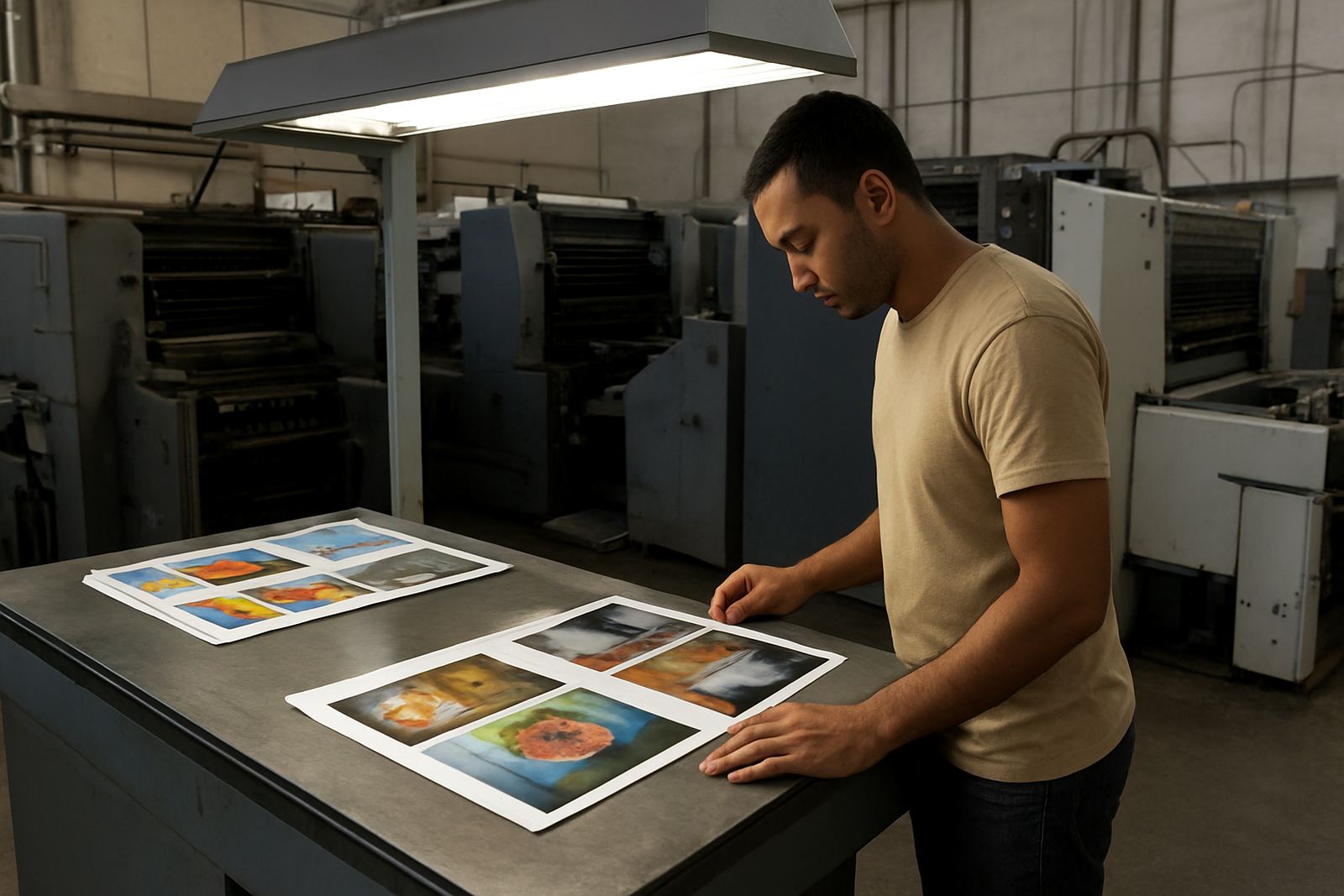
Magazine printing is unforgiving. Readers notice soft shadows, blocked skin tones, grainy solids and colour that drifts from page to page. In Johannesburg, Pretoria and beyond, the pressure is the same: keep the press moving and keep the pictures true, even when humidity or temperature swings put extra strain on the room.
We work with printers who handle fashion titles, catalogues, corporate magazines and in-house publications. The client usually wants clean reproduction on coated stock, quick make-ready, low waste and fewer reworks. That means the full chain matters, from plate choice to wash programme to blanket condition. If one part slips, the whole run shows it.
For this use case, the best support is practical. You need consumables that behave the same across shifts, clear advice on pressroom settings and enough stock on hand to avoid running out halfway through a run. A small mistake in chemistry or plate handling can cost hours, and in magazine work those hours turn into missed delivery times.
Typical pressroom setup for image-rich magazine runs
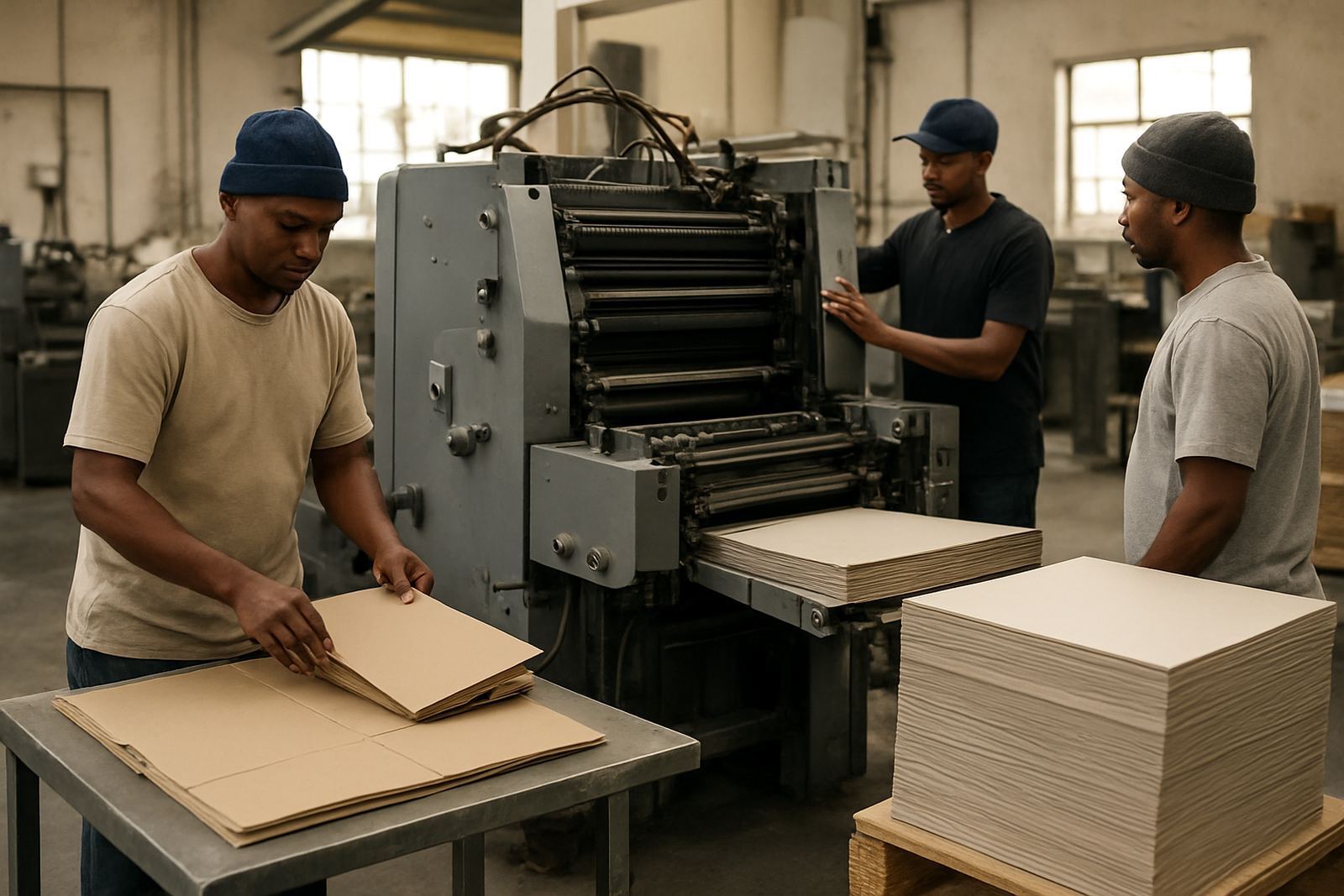
Most magazine lines rely on sheetfed offset presses, plate processors, measuring tools and a clean finishing area for folding, trimming and binding. Some sites also use flexo for special inserts, wraps or packaging linked to the publication. The consumables need to match the equipment and the paper range, from light coated stocks to heavier covers.
- CTP plates suited to the press format and run length
- Processor chemistry balanced for clean development and stable clean-out
- Blankets that hold dot detail and recover well after long runs
- Fountain solution controls for consistent ink and water balance
- Wash programmes that suit the ink set and paper dust levels
- Plate handling tools and training to reduce scratches and scuffing
On bigger sites, a technical support visit can help identify why a press is drifting between morning and afternoon production. Sometimes it is a blanket issue. Sometimes the processor is the real culprit. Sometimes the problem starts with how plates are stored in the room and not with the press at all.
Pre-press advice on imposition and planning
Good magazine production starts before the first plate is made. Plan the job mix by trim size, page count, paper type and expected ink coverage. A 64-page fashion issue on gloss art paper has very different demands to a 32-page trade magazine with heavy solids and fine text. If you know the run profile, you can plan plate quantities, chemistry top-ups and blanket replacements properly.
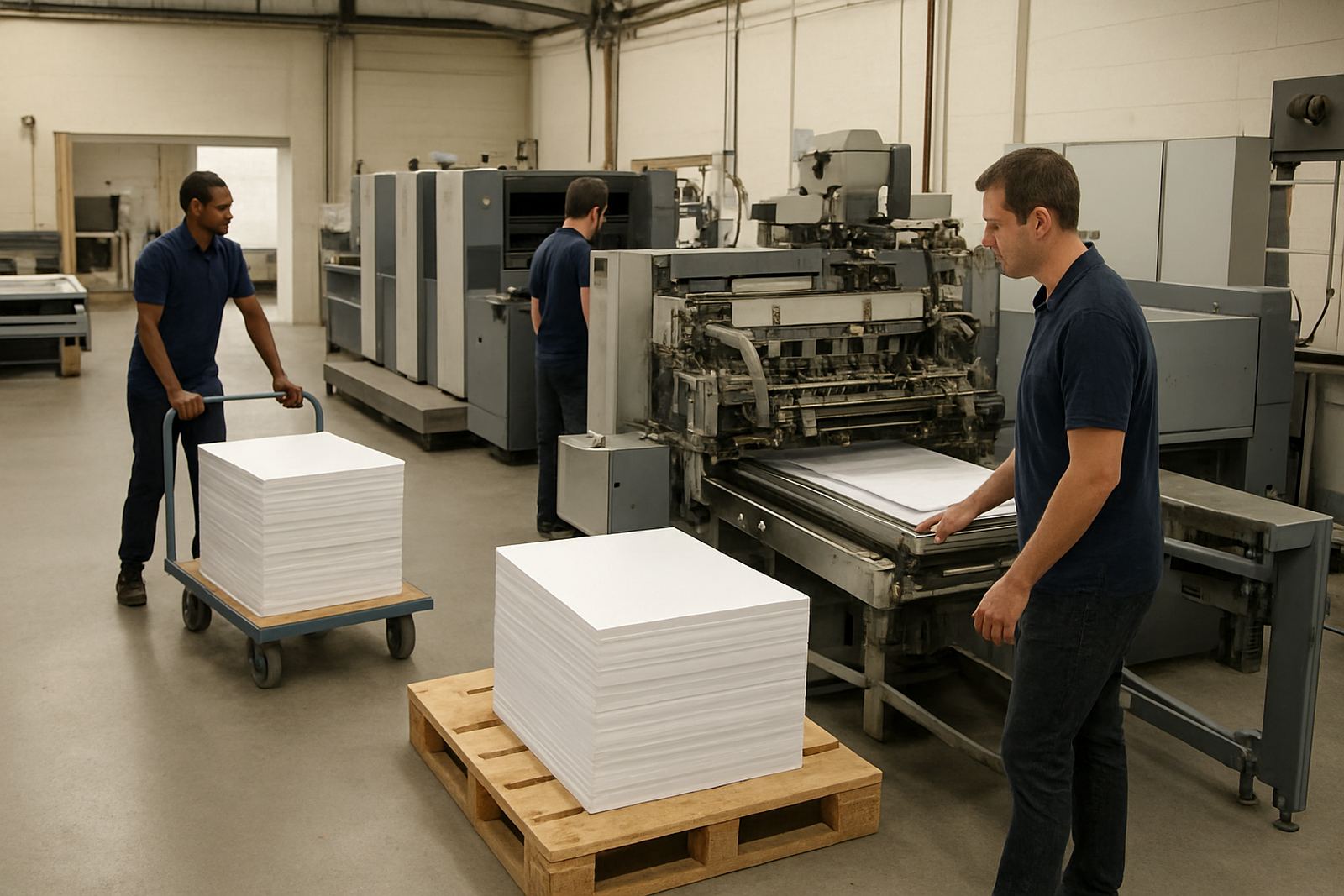
We often advise printers to split stock by press line and keep a separate allowance for late changes, spoilage and reprints. That is especially useful in Gauteng where traffic delays between Industria West, Roodepoort, Randburg, Midrand, Germiston and Pretoria can throw off collection times. If you are holding enough stock on site, the night shift does not have to wait for a missing consumable at 2 am.
For clients far from Gauteng, moisture control in transit matters as much as price. Plates and blankets stored badly can pick up dust or react badly to humidity. The result is slow start-up and unstable colour. A simple stock room plan, with sealed packaging and a clear first-in, first-out process, saves money very quickly.
Where magazine printers lose money without noticing
The biggest losses usually do not come from the obvious failures. They come from small repeat problems that keep nibbling at productivity. A blanket that is past its useful life may still print, but it will hold less detail and need more frequent cleaning. Weak chemistry can make plates look acceptable at setup then fall apart after a few hundred impressions.
- Using the wrong plate grade for the actual run length
- Over-washing or under-washing blankets and rollers
- Letting processor chemistry go out of balance
- Skipping plate handling training for new operators
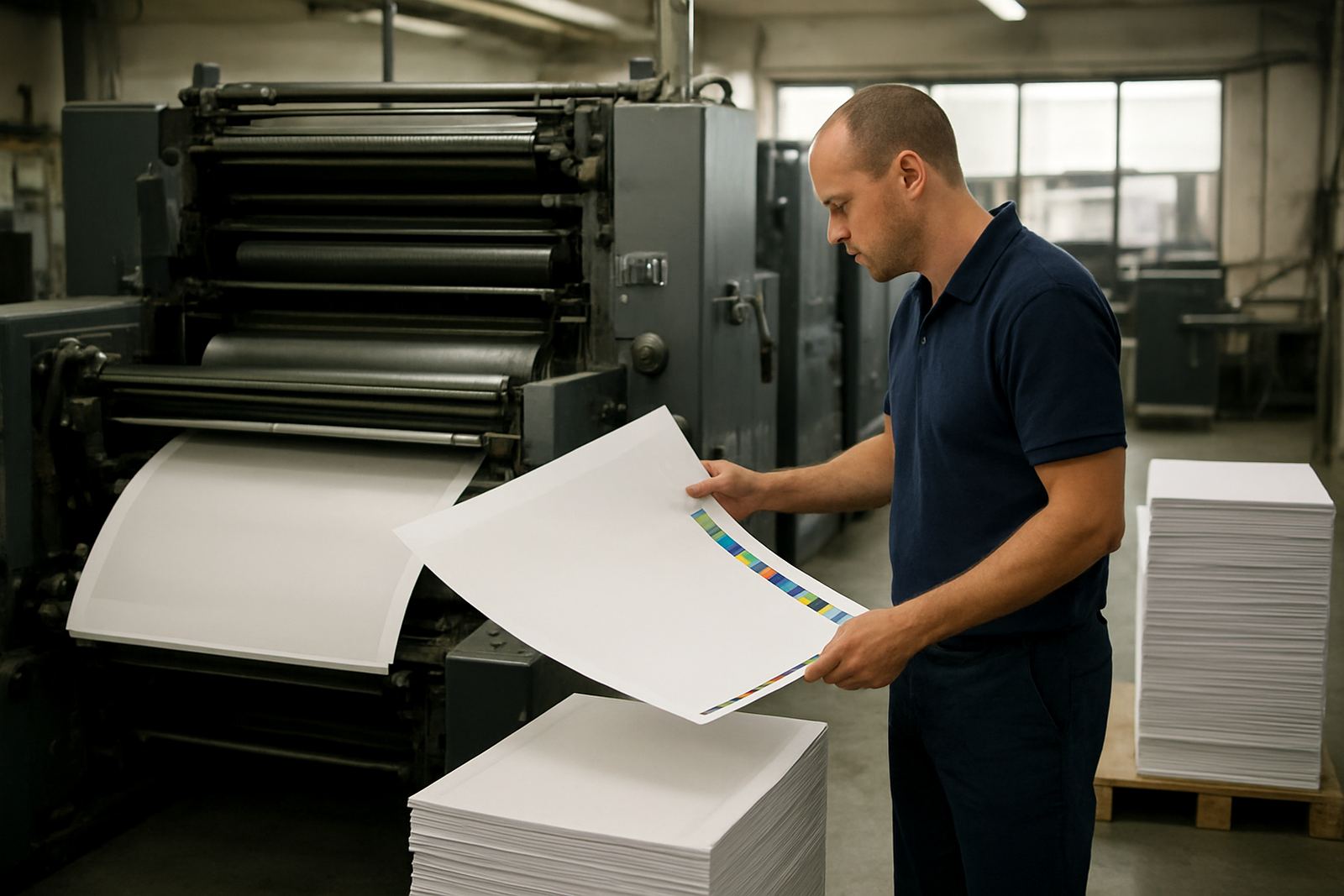
- Ignoring early colour drift instead of checking the source
Another common issue is trying to save a few Rand on consumables and losing much more in waste sheets and press time. In magazine work the margin is often won on stability, not on the lowest item price. A well-tuned supply plan reduces emergency buying and gives the production team room to breathe.
Budget ranges for magazine printing support
Budgets depend on format, monthly volume and the number of press lines in use. A smaller title with one sheetfed line may spend a modest monthly amount on plates, chemistry and blankets, while a multi-title publisher or commercial printer can move through far larger consumable budgets. The important thing is to budget by consumption pattern, not only by the invoice total.
As a working guide, short-run magazine support may start from about R8 000 to R20 000 per month for consumables on a single line, depending on run frequency and plate size. Mid-volume production can sit in the R25 000 to R75 000 range. Larger operations with multiple presses, plate handling training, wash programmes and scheduled servicing can move well above that. Final pricing should always match the equipment set and job mix.
Cost control works best when you include supply planning and technical checks, because fewer rejects often save more than any discount. If the room runs long shifts, factor in safe shutdown routines for processors too. A stopped press and spoiled chemistry can become expensive fast.
How LithoPrinting Plates supports magazine production
Our team works with printers across Johannesburg and nationwide from Industria West. We help with plate selection, chemistry balancing, processor servicing, blanket assessment and press startup support. For magazine printers, that means advice that is tied to actual production conditions, not general talk.
We also assist with colour stability checks, production troubleshooting and plate handling training, which is useful when staff changes or shift handovers create inconsistency. If a site needs supply planning, we help map the weekly and monthly consumption so the stock room stays ready. That keeps the focus on production and delivery.
Whether you are running a regional publication or a national title with complex print schedules, the goal is the same: steadier tone, cleaner plates and fewer interruptions. You can reach the team through our contact form for direct support from our Johannesburg base.