When carton work needs repeatable results
Packaging printers deal with tighter tolerances than many general commercial jobs. A folding carton, label carrier, sleeve or corrugated insert has to run cleanly, cut correctly and keep colour steady from the first sheet to the last. If plates break down early, chemistry drifts or blankets lose recover, the cost shows up fast in spoilage and rework.
From Industria West in Johannesburg, we support plants that run offset packaging, flexo support work and finishing lines across Gauteng and further afield. That includes suppliers in Roodepoort, Randburg, Midrand, Germiston and Pretoria, plus smaller converters in towns where delivery timing and stock planning matter because one missed run can hold up a whole customer order.
Typical equipment in a packaging print room
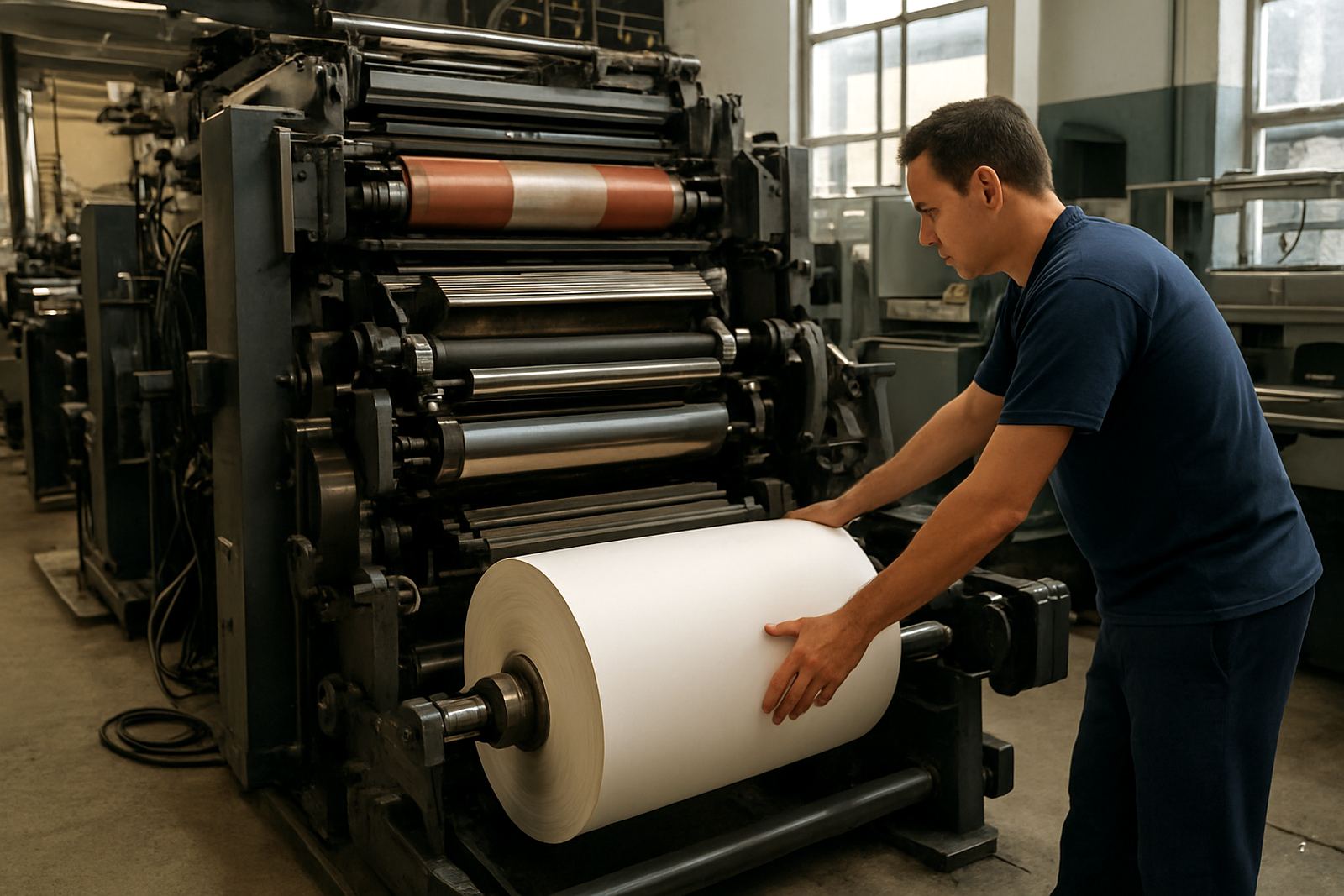
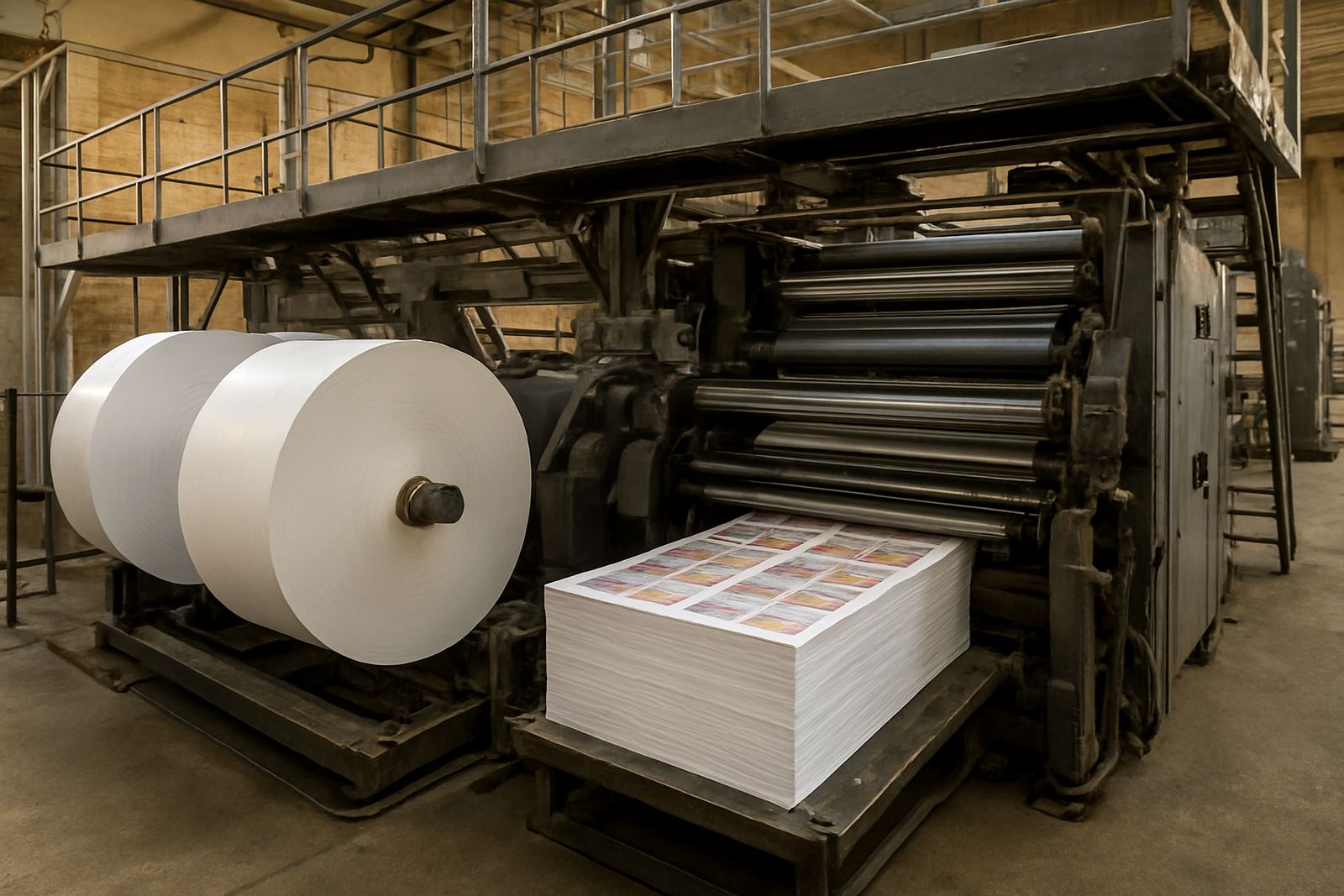
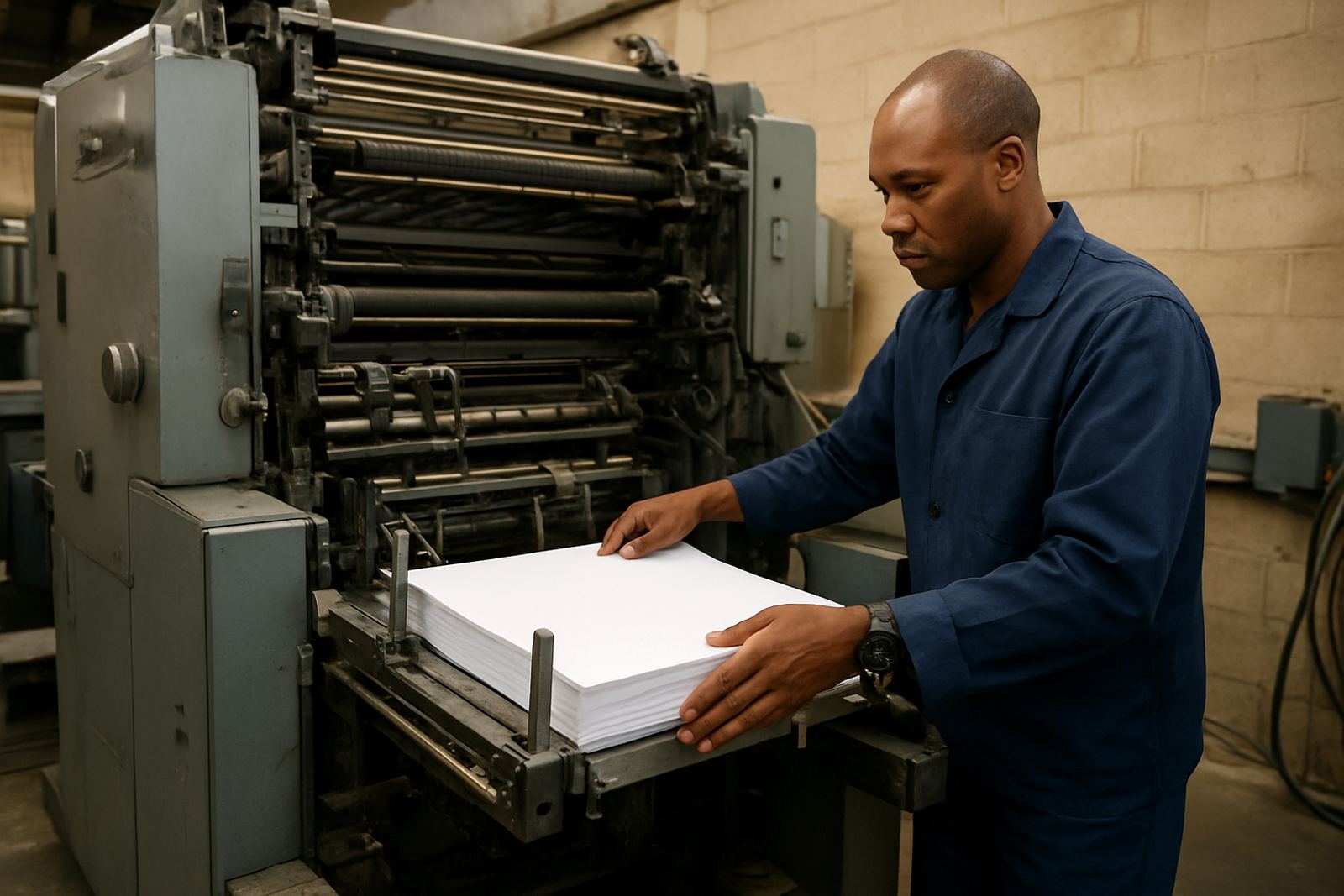
Most packaging operations are a mix of prepress, plate making and pressroom equipment, with finishing machines close by. The exact set-up depends on whether you run short packaging changes or high-volume repeat work, but the basics are often the same: a CTP plate line, processor, proof control, pressroom chemistry, and a blanket programme matched to the stock and ink set.
In humid conditions, plates and chemistry need careful handling and storage. In inland plants around Johannesburg, Pretoria and the East Rand, dust control and temperature swings can also affect consistency. Extended pauses add another layer, so a plant should plan for start-up delays, chemistry checks after a restart, and plates that do not sit exposed for longer than needed.
- CTP plates sized for the press and sheet format
- Developer, replenisher and cleaner chemistry for plate processors
- Blankets matched to board, coated stock or film work
- Wash-up and maintenance supplies for press stability
Floor layout that cuts packaging costs
Packaging production works best when the plate room and pressroom are arranged for short movement and clear checks. Plates should move from imaging to processing to press with as few handovers as possible. Chemistry should be stored away from direct heat and sealed properly, while spare blankets and fast-moving consumables need a defined location so operators do not waste time searching.
For many shops, the biggest saving comes from better production planning. If carton jobs are grouped by substrate and ink set, there is less cleaning and fewer colour swings. If the plate schedule is set with dispatch in mind, the team can avoid late-night changeovers that often lead to mistakes. A practical layout also helps with municipality inspections, waste control and safe storage of liquids.
- Keep plate storage dry, flat and away from heavy traffic
- Separate clean chemistry from used containers and wash waste
- Allow space for plate inspection before press start-up
- Plan for backup stock during month-end and peak season runs
Common mistakes on packaging jobs
Packaging work is unforgiving when the basics are ignored. A slightly wrong plate choice can change dot reproduction, and poor chemistry balancing can affect image contrast or cause dirty background areas. Blanket wear is another common issue, especially where board grades vary or the press is pushed hard to meet turnaround times.
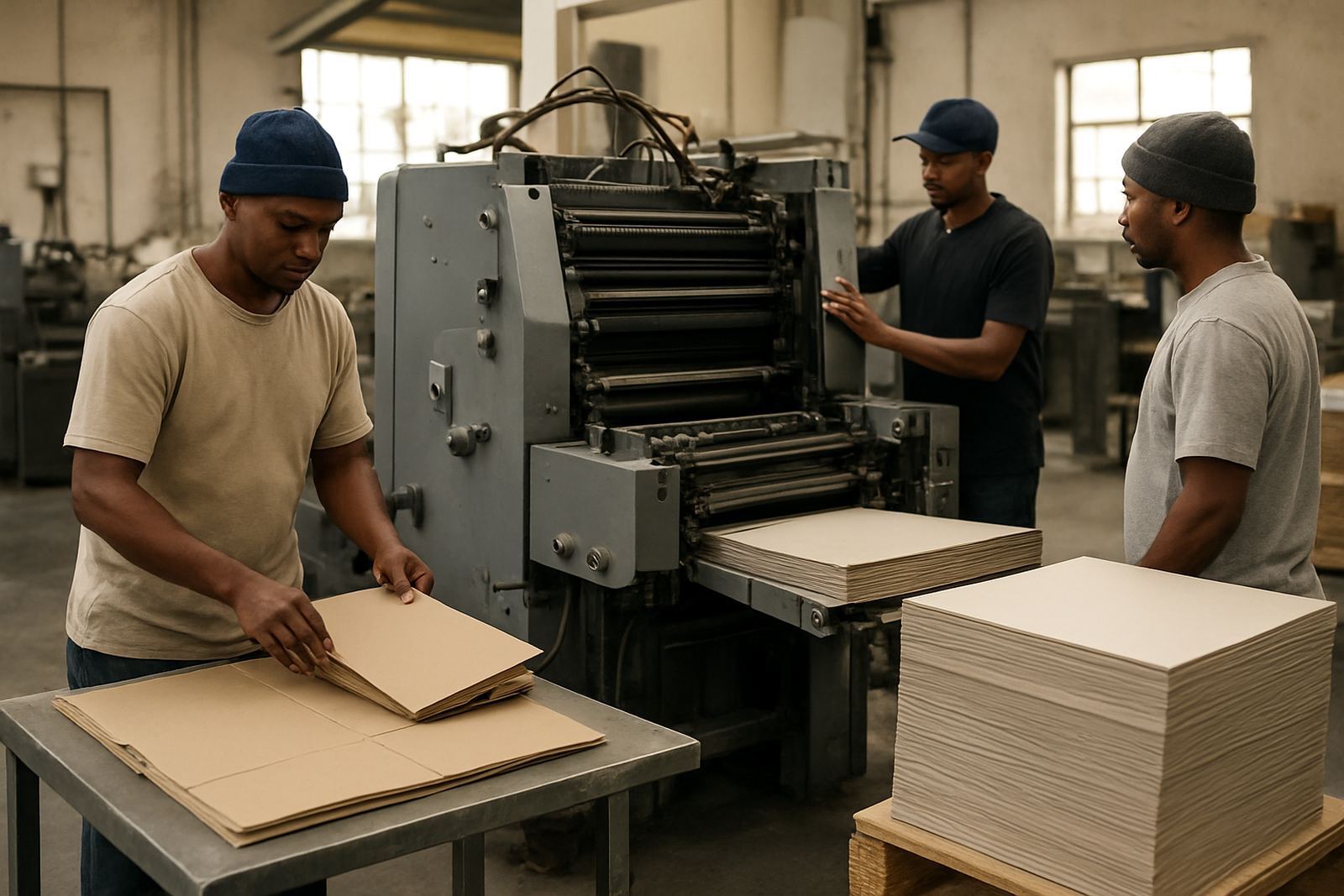
Assuming every board grade runs the same is another trap. Carton board, laminated packaging and uncoated inserts all react differently. If operators do not check image density, blanket condition and press-up sheets at the start of each run, the issue often only appears after a full pallet has been wasted. That is the costly part.
- Using one blanket programme for every substrate
- Letting processor chemistry drift before a major order
- Skipping plate handling training for night shift staff
- Ignoring colour stability checks after the press has stood
Budget ranges for packaging print supply planning
Budgeting for packaging printing should cover the full production cycle, not only the plate purchase. A small shop running short carton work may spend from about R8 000 to R25 000 a month on plates, chemistry and pressroom consumables, depending on volume and the number of changeovers. A mid-sized operation with regular repeat packaging work can easily sit in the R25 000 to R80 000 range.
For larger converters, especially those with multiple presses or extended shifts, monthly supply spend can move above R100 000 when plates, blankets, chemistry, maintenance items and troubleshooting support are all included. The useful approach is to budget by run count, not guesswork. That makes it easier to compare cost per job and spot waste from plate spoilage or over-cleaning.
Where a plant is scaling up, it helps to put aside a contingency for processor servicing and unplanned blanket replacement. One breakdown in the middle of a packaging run can cost more than a month of planned maintenance.
Support that keeps packaging lines moving
LithoPrinting Plates works with packaging printers who need dependable supply and straight technical support. Our team in Johannesburg assists with plate selection, chemistry balancing, processor servicing, blanket assessment and press start-up help. We also provide plate handling training, wash programmes, colour stability checks, supply planning and production troubleshooting for plants under pressure.
For operations in Industria West, Roodepoort, Randburg, Midrand, Germiston and Pretoria, local response matters. For nationwide customers, regular supply timing matters just as much. If you print carton and packaging work where consistency and durability are critical, the right consumables and advice will reduce waste and keep the press running when the schedule is tight.
Use our contact form for practical support and supply planning.