
Fast-turn newspaper plants need supply discipline
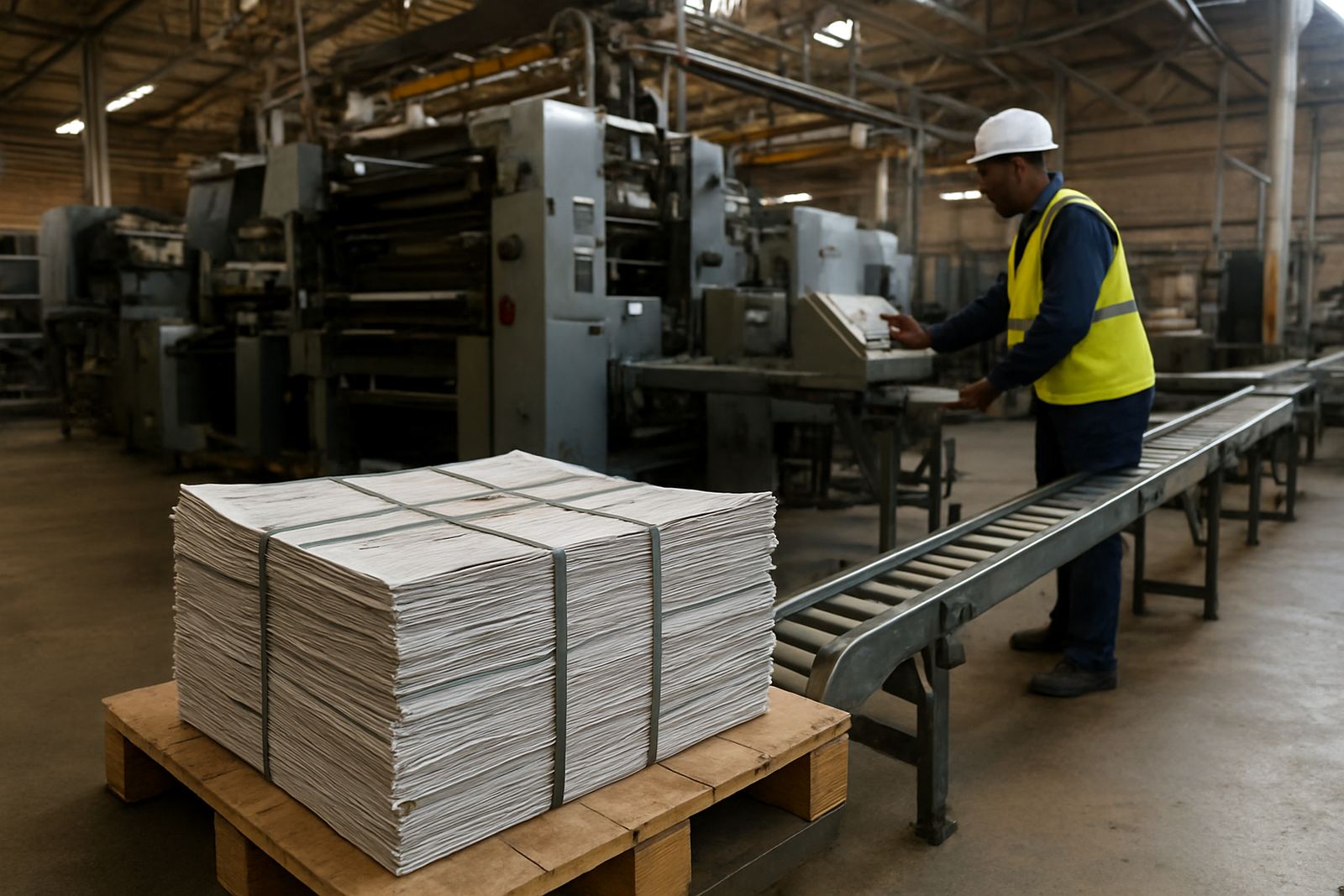
In newspaper production the pressure is usually on before first light. A paper can be running late from the newsdesk, an insert job may land after midnight, and the pressroom still has to hit distribution times across Johannesburg, Pretoria, and the wider Gauteng market. That means every consumable has to arrive in the right spec, in the right quantity, and with enough consistency to keep the line moving.
LithoPrinting Plates works with newspaper printers and insert houses that need high-volume plate supply, chemistry balancing and blanket support for repeated daily cycles. For this type of work, the issue is not only quality, it is predictability. If the plate room is short, the processor is unstable, or the blanket is worn past recovery, the whole schedule starts slipping and overtime climbs fast.
Typical equipment set in a newspaper pressroom
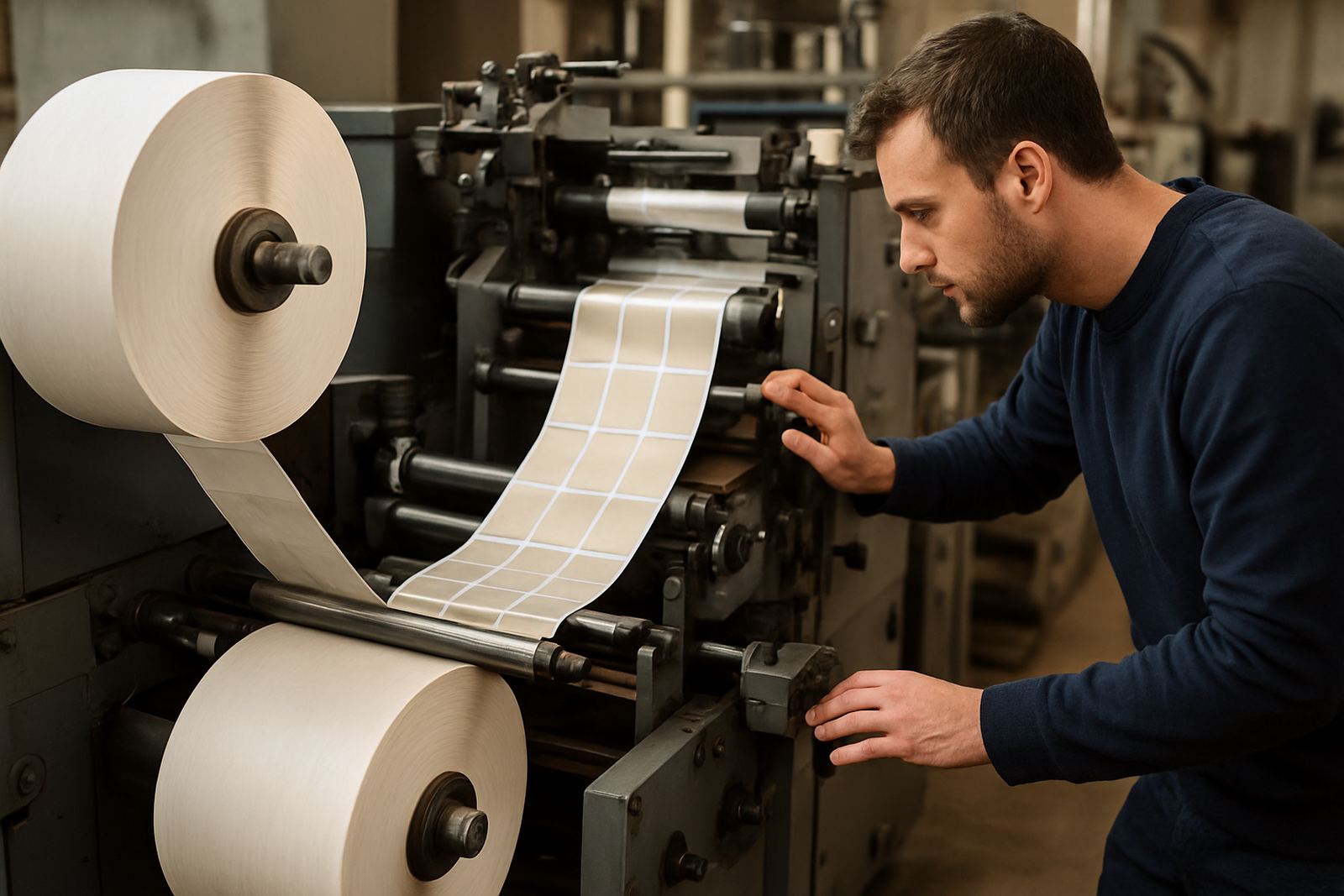
A newspaper operation often uses CTP plate output linked to a processor, plate handling stations, and blanket cylinders that take heavy repeat use. On the chemistry side, you are usually managing developer, replenisher, gum, fountain solution and wash products that must suit fast wash-ups and short changeovers. Where the site is humid or in a dusty industrial zone, those consumables need even tighter control.
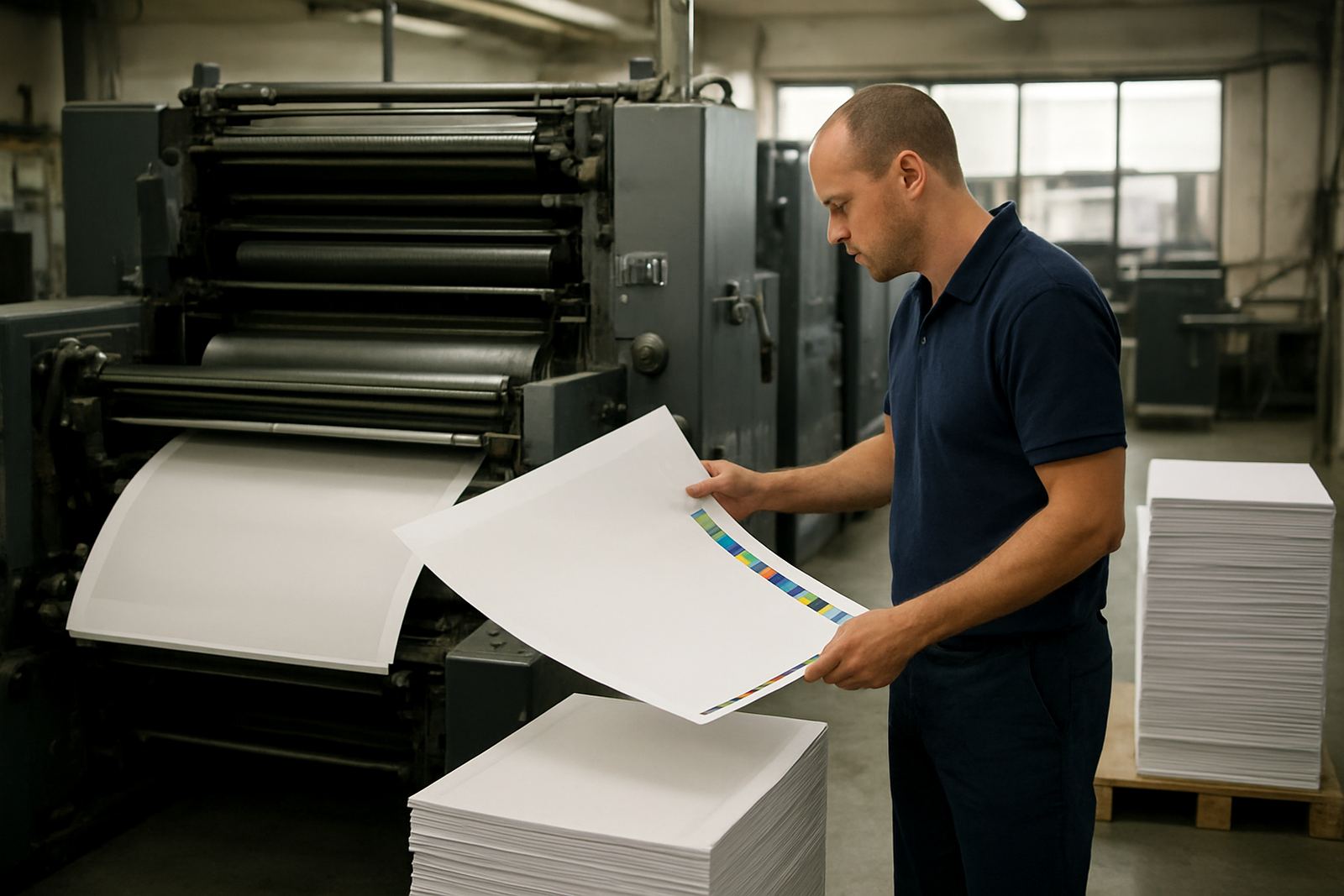
For many sites the pressroom also needs support around plate storage, safe handling, and training for operators who are changing plates under time pressure. If the wash programme is off, or the press startup sequence is inconsistent, the first copies can waste paper and ink before colour settles. That cost adds up quickly on a daily newspaper run.
- CTP plates matched to the press and processor setup
- Plate chemistry and gum control for stable processing
- Blankets checked for ink transfer, packing and wear
- Wash products suited to fast make-readies and short runs
- Support for insert printing and mixed publication schedules
Layout and planning advice for pressrooms with tight windows
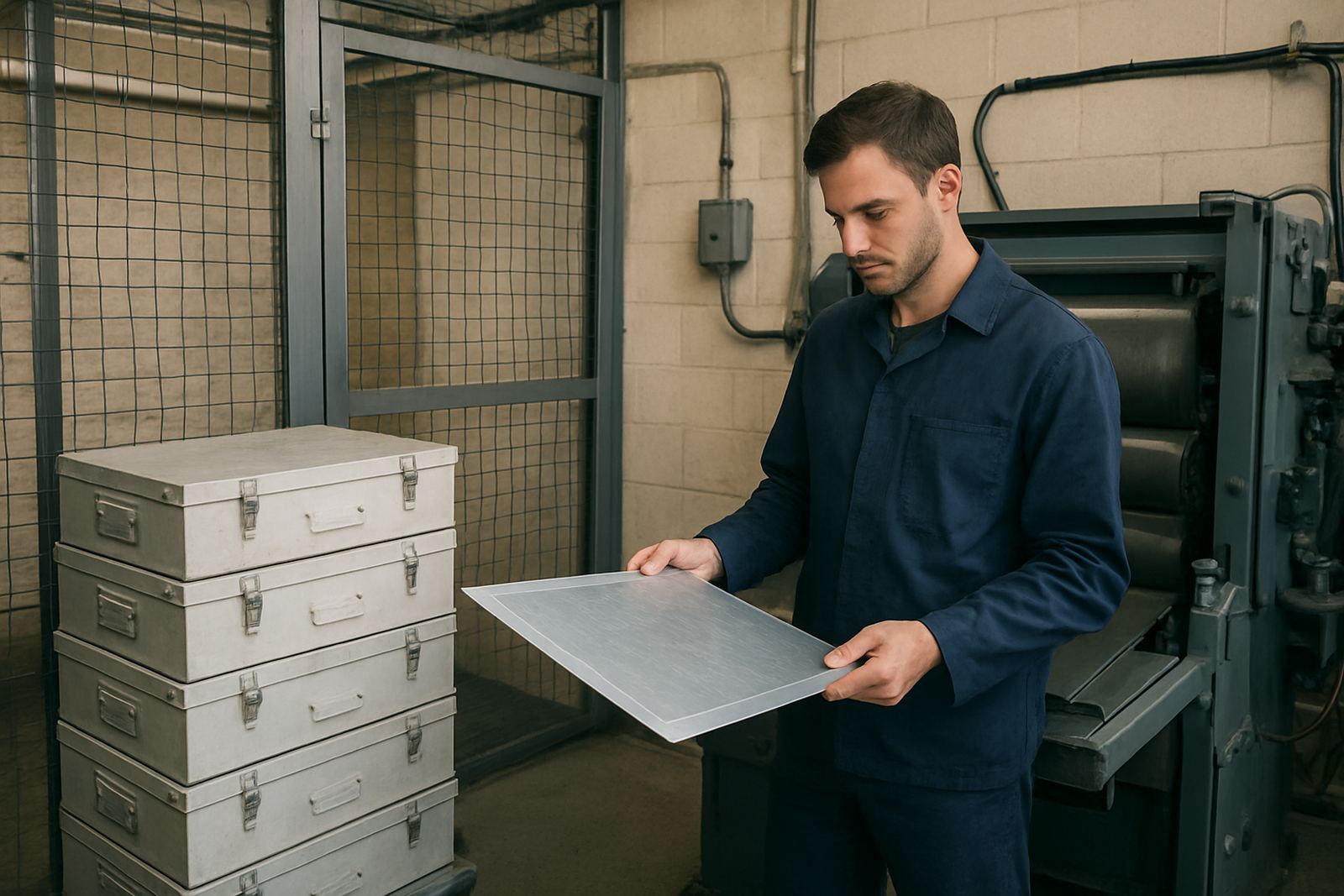
A newspaper plant should be planned around speed of movement. Plates need to travel from the output device to processing and then to the press without unnecessary handling. Keep chemistry in a cool, dry store with clear labels and spill control, especially where shift changes can interrupt normal routines. If the processor area is cramped, operators end up working around containers and tools, and that slows everything down.
We normally advise printers to keep the plate store close to the output path, with enough stock for peak days and emergency cover. A good planning rule is to carry extra stock for Monday recovery, special supplements, and insert printing changes. It also helps to keep a separate count for daily newspaper plates and commercial insert plates, because the usage pattern is not the same and the mistakes are easy to make under pressure.
- Keep plate stock near the output and processing area
- Separate daily press stock from insert and special-run stock
- Allow backup chemistry for rush jobs and delayed deliveries
- Plan blanket replacement before print quality starts falling
- Keep a simple written checklist for startup, wash and shutdown
Common mistakes that slow newspaper production
The most common problem is under-ordering. Newspaper plants often run lean, then one late supplement or a broken plate suddenly turns into an urgent courier job. Another issue is poor chemistry balance. If the processor runs too hot or too cold, or the replenishment rate drifts, plates can come through uneven and the pressroom starts chasing colour all night.
We also see blanket problems that are left too long because the press still “sort of” runs. That is expensive thinking. A worn blanket can cause image bounce, dirty solids and extra wash-ups. On older sites operators sometimes mix products that were not intended to work together, then blame the press when the real issue is compatibility. A short refresher on plate handling and wash routines usually saves money within the first month.
- Ordering too little stock for high-output weeks
- Using the wrong chemistry strength for the processor
- Delaying blanket replacement until print quality drops badly
- Mixing cleaning products and fountain solution additives carelessly
- Skipping plate handling training for new operators
Budget ranges in Rand for newspaper and insert work
Budget depends on plate size, volume, chemistry load, and how often the pressroom changes over. For smaller regional newspaper and insert operations, a starter monthly consumable budget can begin around R18 000 to R35 000 for plates, chemistry and wash products. Mid-size operations with higher daily volumes often work in the R45 000 to R120 000 range, while busy multi-line plants can spend well above that when special editions and seasonal inserts run together.
Blankets, processor servicing and emergency support should be planned separately. A blanket programme may need a few thousand rand per unit depending on specification, while a deeper service visit for chemistry or processor issues can be far cheaper than a day of lost print. The best approach is to budget by production week, then add a contingency for late news changes and public holidays.
For sites in Industria West, Roodepoort, Randburg, Midrand, Germiston and Pretoria, we can help match the stock profile to actual print volume so you are not carrying dead money on the shelf. The real saving usually comes from there.
Support for daily papers, inserts and tight deadlines
Newspaper production does not reward drama. It rewards good stock control, the right plate spec, and a team that knows what to do when the first run of the night goes off colour. LithoPrinting Plates supports printers from our Johannesburg base in Industria West with nationwide supply and practical production help for offset, flexo and finishing-linked print environments. If the job is newspapers, inserts, or fast turnaround publication work, the supply side has to be ready before the press starts.
We work with managing teams, sales, technical and logistics staff to keep the line moving. That includes plate selection, chemistry balancing, press startup help, colour stability checks and production troubleshooting. The aim is simple: fewer stoppages, cleaner starts, and better control over the daily cycle. In newspaper work, even a small improvement in consistency can save a lot of paper by Friday.
- Plate Selection
- Chemistry Balancing
- Processor Servicing
- Blanket Assessment
- Press Startup Help
- Plate Handling Training
- Wash Programmes
- Colour Stability Checks