What label converters need on a busy shift
On labels, even a small fault is obvious. A light stain, weak dot edge or uneven blanket impression can throw off a repeat job, especially on short runs where changeovers are frequent. We work with print teams handling self-adhesive labels, wrap-around labels and small-format packaging that must stay consistent across reorders.
The common need is simple: plates that hold detail, chemistry that keeps the processor steady, and blankets that give clean transfer without swelling or picking. In a Gauteng plant with start-stop production and warm machine rooms, the supply needs to be consistent too. If the chemistry drifts or the plates are not matched to the press conditions, waste climbs and colour checks take longer.
For many label houses, the real pressure is not only speed. It is repeatability. You need the next run to match the last one, even if the substrate changes from paper to film or the job comes back after several months.
Typical equipment set in a label print room
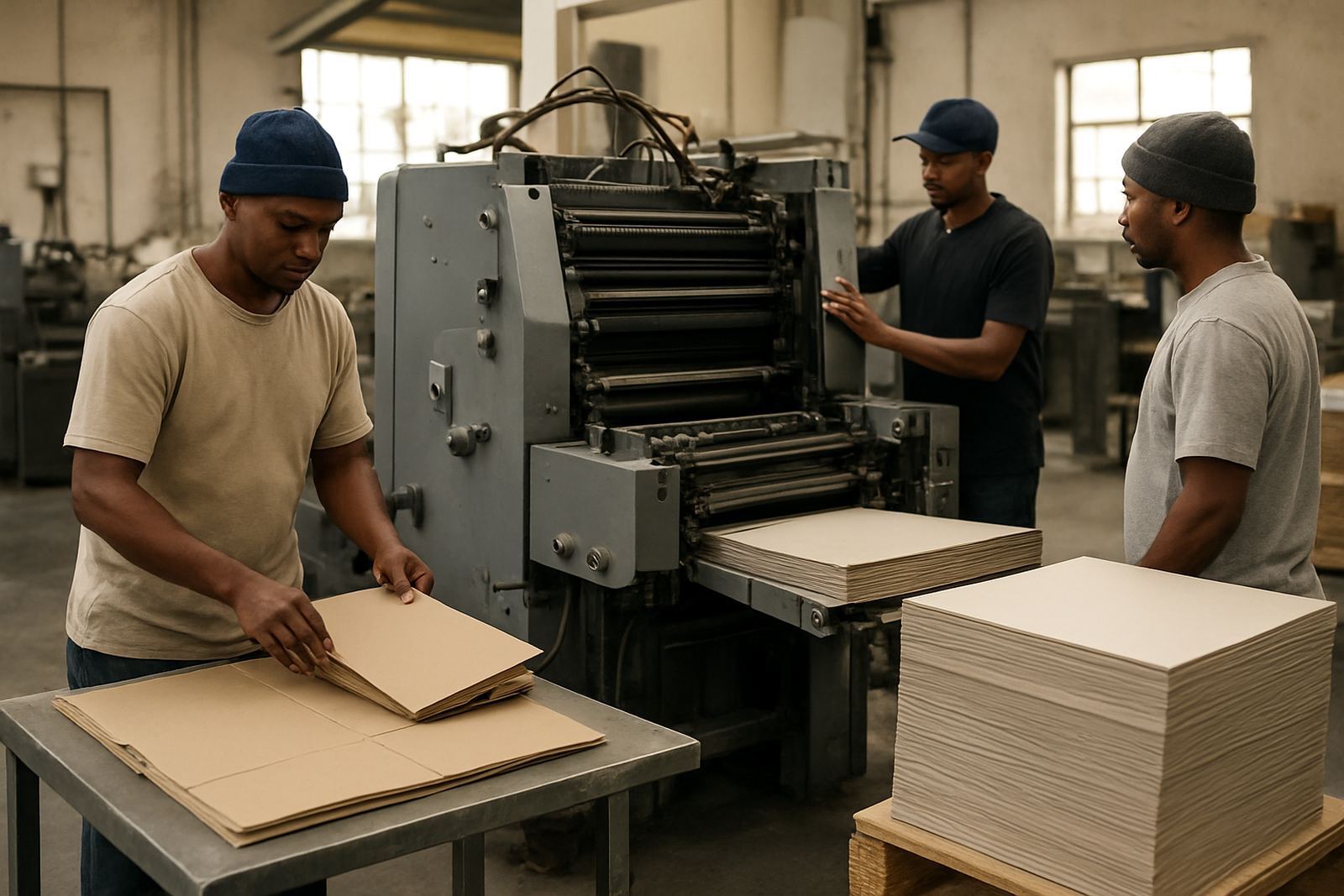
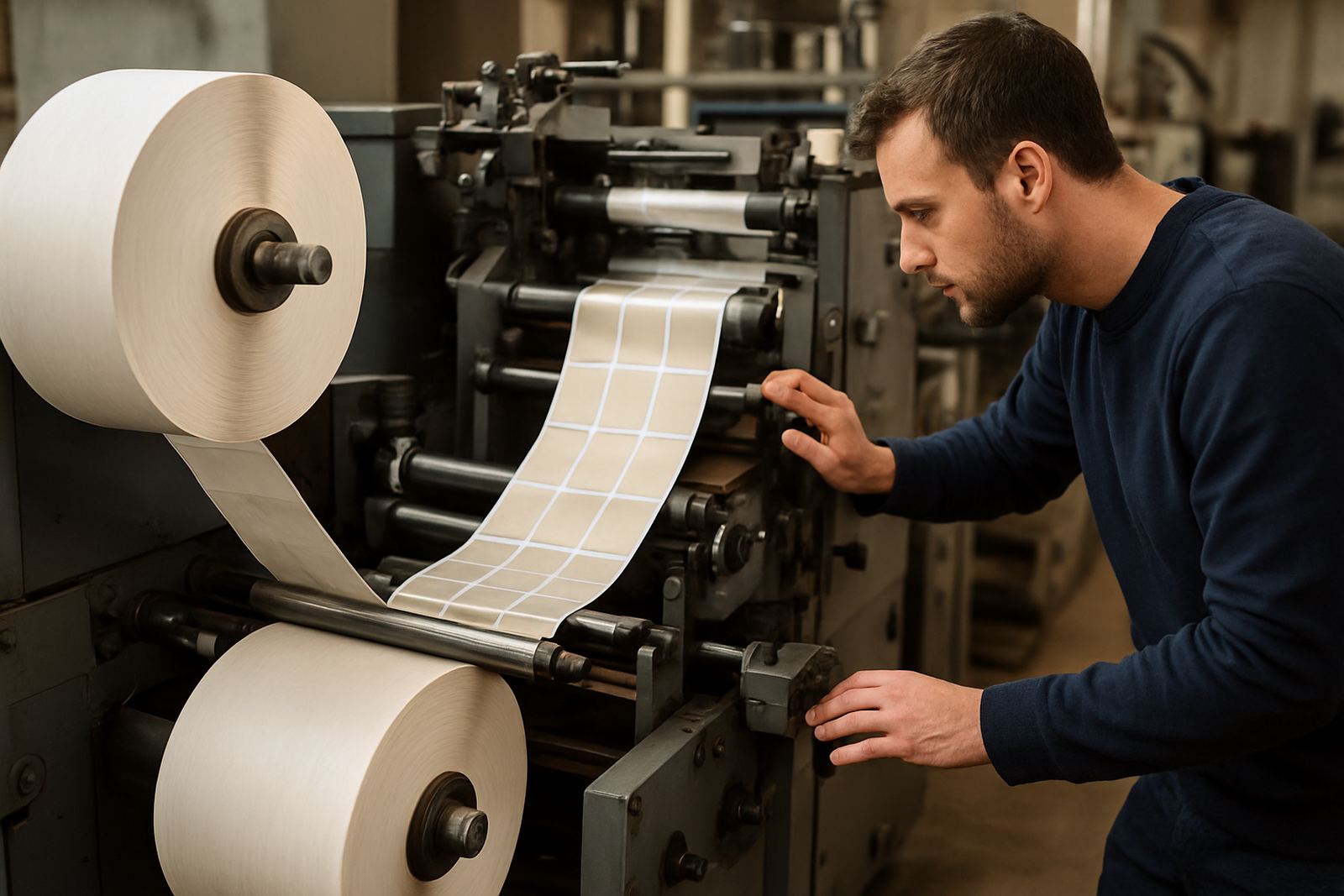
Most label operations use a compact but demanding setup. The plate room may include a CTP plate setter, processor, punch or bending tools, and a clean storage area away from dust and direct sun. On press, the line may include a narrow-web offset unit, flexo sections, varnish units and finishing stations for die-cutting, slitting or rewinding.
- CTP plates matched to the press format and run length
- Processor chemistry that suits the plate type and local water conditions
- Rubber blankets for clean transfer and stable density
- Wash-up programme materials for fast changeovers
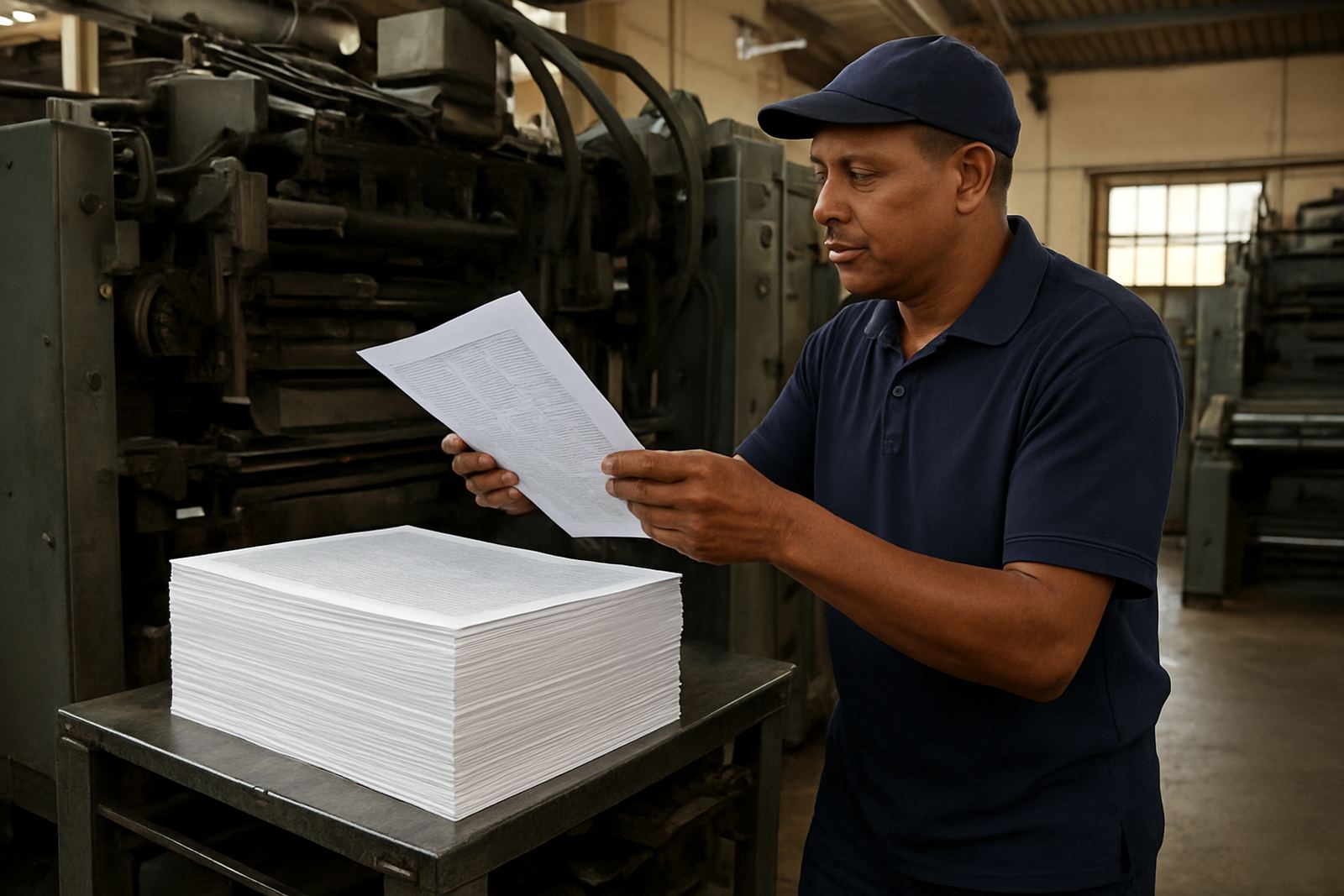
- Inspection tools for plate handling and colour checks
In areas like Industria West, Roodepoort and Germiston, many plants run mixed shifts. That means the plate room must be kept practical, with clear stock separation and enough consumables on hand for the next job, not only the current one. A missed plate size or wrong blanket thickness can hold up an entire run.
Planning the plate room for repeat label work
Good planning starts with the job history. Keep a record of plate type, screen ruling, chemistry settings, blanket life and substrate used. For label converters doing repeat orders for food, household or industrial applications, this helps reduce trial time and keeps the pressman from guessing. It also makes handover easier when a night shift picks up where the day shift stopped.
We often advise teams to set up stock by job family and not by random delivery date. Plates for high-volume repeats should be stored separately from short-run promotional work. Chemistry should be checked on a set routine, because hot weather, top-ups and contamination can shift performance quicker than expected. A clean, labelled mixing point saves trouble later, especially where the same press handles multiple jobs in one day.
- Keep a written plate and blanket record for each repeat client
- Test chemistry at fixed intervals, not only when quality drops
- Allow extra plates for changeovers and spoilage
- Keep stock in a covered, dry spot out of the sun
Where label jobs lose money
One of the biggest mistakes is treating label work like general commercial printing. Labels are smaller, faster to inspect and often less forgiving. If plate handling is rough, the image edges can mark or scratch before the job even reaches press. If the blanket is worn, you may still get a print but the solids and fine type will not sit cleanly, especially on coated stocks and film.
Another issue is ignoring press startup time. Some teams factor only the print run and forget the settling time needed to get colour stable. That creates a false budget and leads to pressure on the press team. We also see poor wash programmes, which leave residue in the system and shorten plate life. In humid storage rooms, this gets worse and a small storage mistake can become a bigger production issue.
It helps to look at the full chain: plate room, press, wash-up and finishing. A fault in one area often appears as a colour complaint in another.
Budget ranges for label production supplies in Rand
Budgets for label printing vary with format, run length and press type, but it helps to work with practical ranges. Small converters with short-run label work may spend a few thousand Rand a month on plates and chemistry, while higher-volume plants can move into tens of thousands depending on the number of presses and the frequency of changeovers. Blankets and processor servicing need to be planned separately, because those costs are often delayed until wear becomes obvious.
For a new production line or a room refresh, we usually suggest budgeting for:
- Routine plate and chemistry supply for the month
- Spare blankets for critical press positions
- Initial training on plate handling and startup routines
- Contingency stock for rush orders or transport delays
In Johannesburg, Pretoria and Midrand, many label shops work to tight schedules and cannot wait for emergency orders. It is often cheaper to carry sensible stock than to lose a day of production because a plate or chemical line runs out at the wrong time.
Support for presses, processors and production teams
LithoPrinting Plates supports label converters with plate selection, chemistry balancing, processor servicing, blanket assessment and press startup help. We also assist with plate handling training, wash programmes, colour stability checks, supply planning and production troubleshooting. That support matters when a plant is moving between repeat labels, seasonal runs and urgent corrections.
Our base in Industria West, Johannesburg lets us work closely with clients in Roodepoort, Randburg, Midrand, Germiston and Pretoria, while supplying nationwide. For teams with humid stores, we can talk through storage, wrapping and handling so the materials arrive ready for use. Mandla Johannes Mokoena and the team focus on practical support, not guesswork, because label production needs answers that hold up on press.
If your label room is fighting waste, slow startup or unstable colour, start with the basics. Plates, chemistry and blankets must all match the job, and they must be kept in good order. That is where steady production begins, even on a packed week.