Teach the route a plate travels first
When a new operator joins a print room in Johannesburg or a satellite site in Pretoria, the first lesson should be how the job moves from file to plate, from plate to press, and from press to finished sheet. That full path helps staff understand why a small handling mistake can show up later as dirty print, weak image transfer or extra wash-ups.
Begin with the basic purpose of each consumable. CTP plates carry the image, chemistry prepares the plate for clean processing, and blankets transfer the image to paper or board. Once the operator sees how these parts work together, it becomes easier to explain why timing, temperature and cleanliness matter every day.
Take a short run at a Roodepoort shop during a busy month end. If the plate room is rushed and the chemistry is already tired, the press team spends the rest of the shift chasing tone and cleaning up scumming. Proper introduction avoids that cycle.
Teach plate handling as a control point
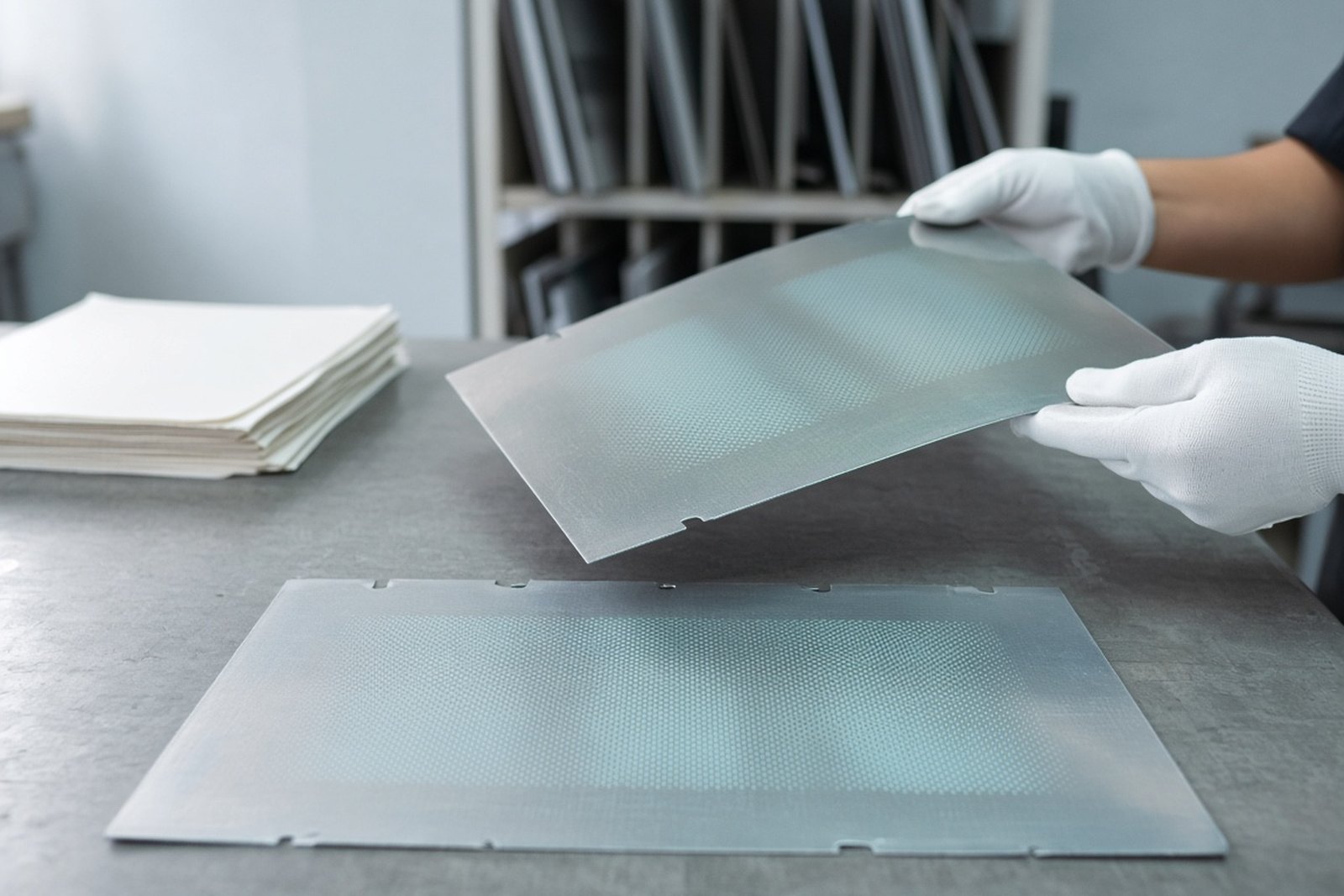
Many problems start before the plate ever reaches the press. New staff should learn how to carry plates, how to avoid edge damage, and how to keep plates away from dust, fingerprints and moisture. In humid weather, stock that sits too long in an open bay can pick up contamination faster than expected.
Operators should also know the signs of poor handling. Bent corners, scratches, uneven drying marks and careless stacking all lead to waste. The team needs a simple routine for receiving, labelling, storing and moving plates so there is no confusion during busy production windows.
- Wear clean gloves when handling exposed plates.
- Plates go flat, dry and out of the sun.
- Keep processed plates separated from unprocessed stock.
- Check plate edges before they go onto the press.
- Log any damage immediately so the job can be re-planned.
Chemistry balancing is a daily discipline
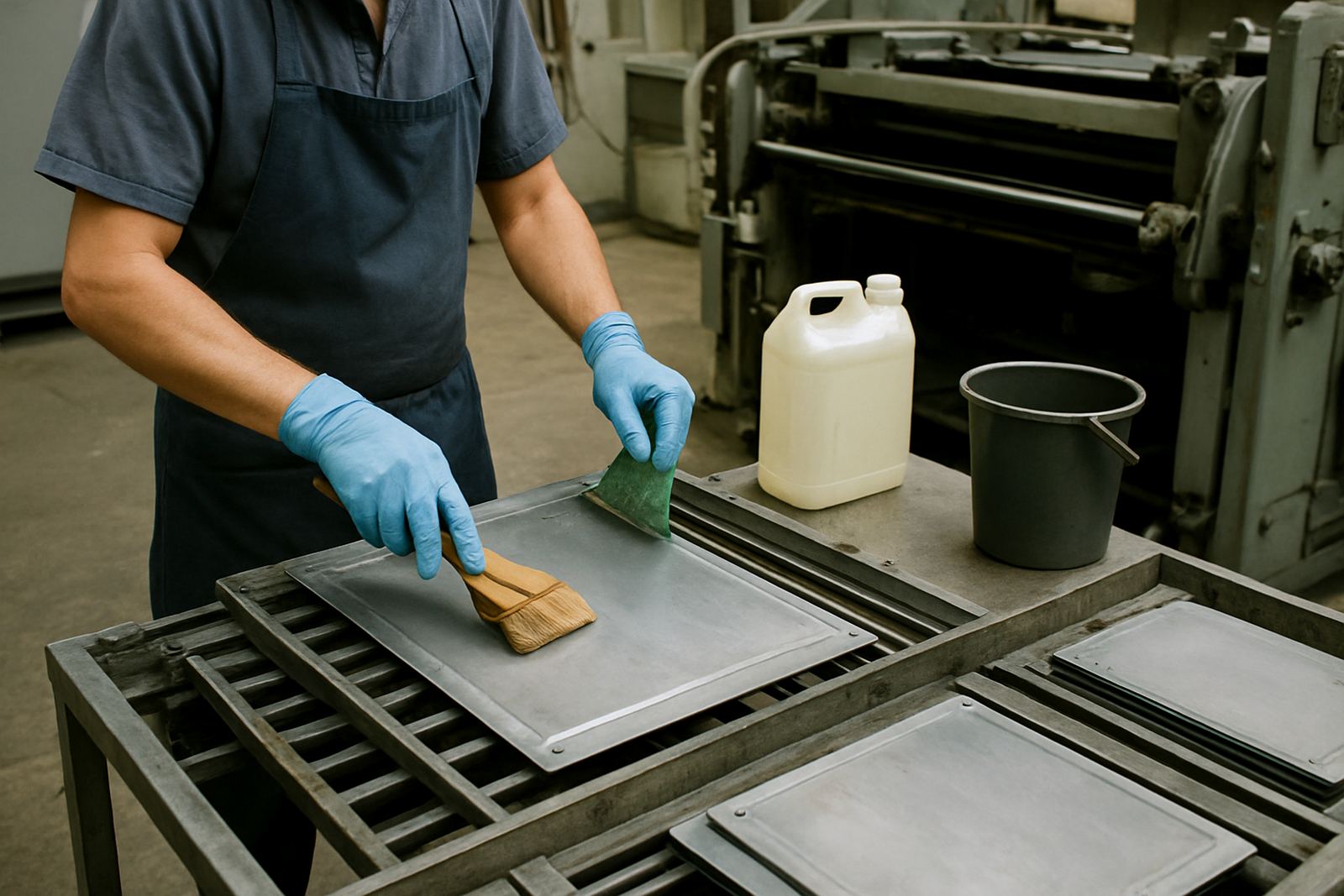
New operators often think chemistry is only about topping up a tank, but the balance of solution has a direct effect on image quality and machine stability. They should be shown how to check concentration, temperature and pH where applicable, and how to record readings at the same time each day. A steady routine matters more than guessing from appearance.
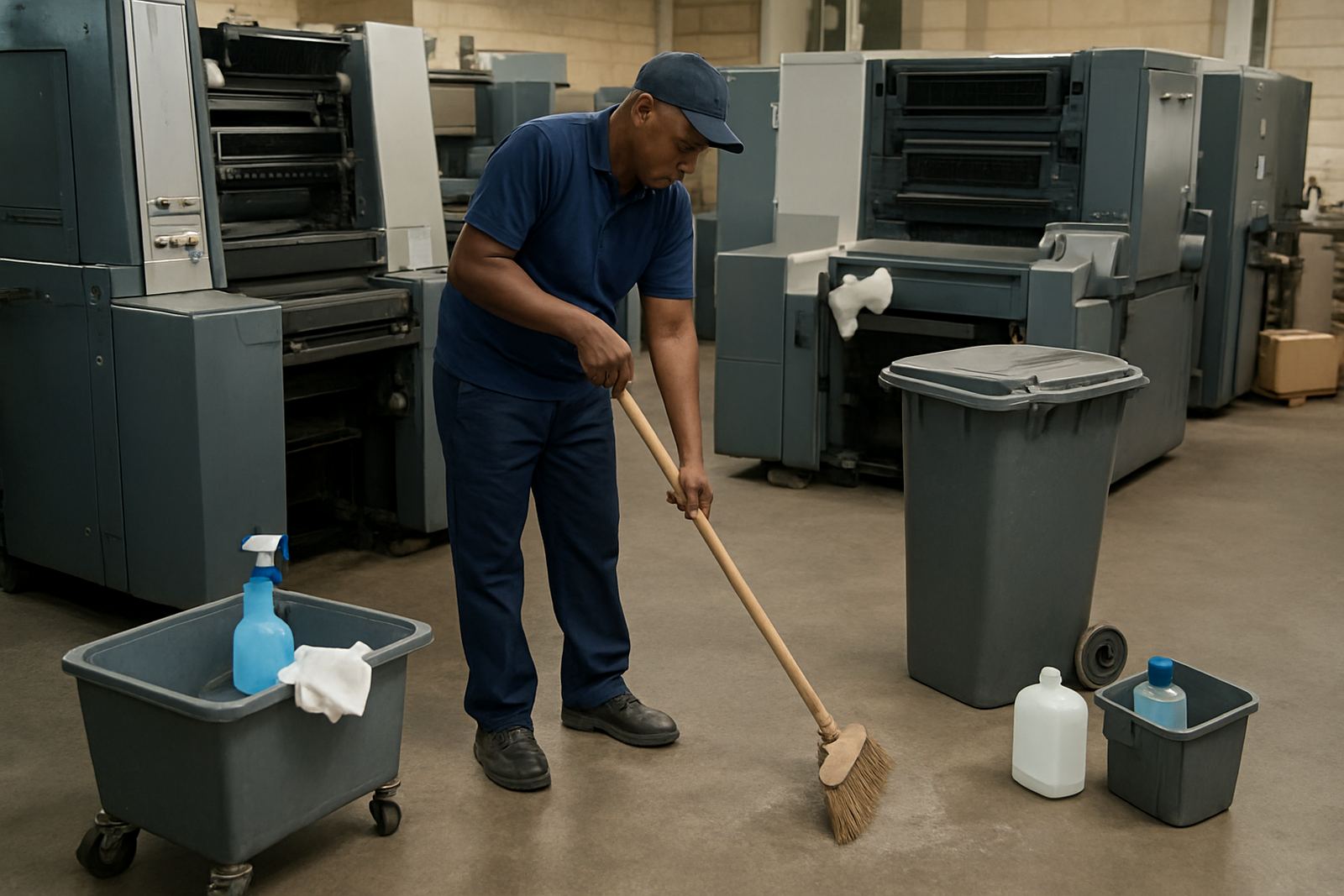
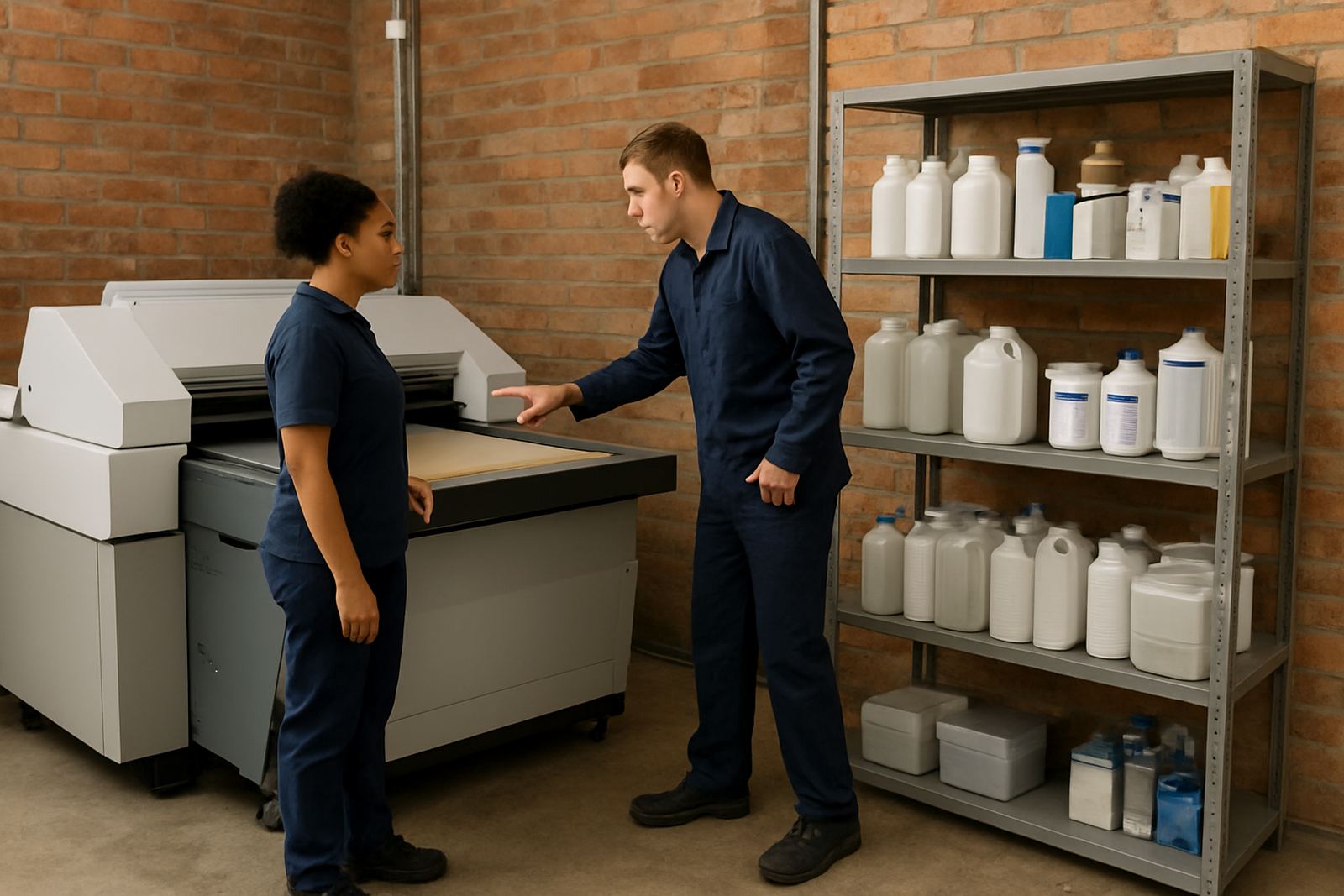
Training must cover safe handling too. Labels, measuring containers, storage rules and spill response all need to be understood before someone works alone. In a busy Germiston plant, one untrained mix-up can contaminate a whole line and cause unnecessary downtime. The goal is not to make the operator a chemist, only to make sure they know what changes matter and when to call for support.
If a team member notices foaming, odour changes or sluggish plate processing, that issue should be reported straight away. Early reporting saves plates, blankets and press time, and it prevents the same fault from repeating across multiple jobs.
Show the link between blanket condition and print quality
Blankets are often treated as a maintenance item, yet they are part of operator training from day one. Staff should know how a worn blanket affects dot transfer, trapping and solid areas. They should also know how to inspect for glazing, cuts, swelling and contamination after wash-ups.
Explain what a blanket can and cannot do. If the substrate is dusty, the plate is underdeveloped, or washup is incomplete, a new blanket will not fix the problem. That lesson helps new people stop blaming one part when the fault actually sits somewhere else in the process.
- Check blanket packing and pressure during setup.
- Clean blankets with the correct wash programme for the ink system used.
- Look for early wear at the lead edge and grip side.
- Replace damaged blankets before they begin affecting output across multiple jobs.
Build a short troubleshooting routine for press startups
Press startup training should be practical and repetitive. New operators need a fixed sequence they can follow under pressure, especially when the shift is behind schedule or a burst water main has delayed prep work. A simple checklist reduces panic and helps the operator make calm decisions.
Start with plates, then chemistry, then blanket condition, then ink-water balance and final register checks. If the team works across Midrand, Randburg and Industria West, the same routine should be used everywhere so the standard does not change from site to site. That consistency makes handovers easier and reduces the chance of one team correcting another team’s mistake.
Include production troubleshooting examples in training sessions. For example, if a job starts with weak image areas, the operator should know whether to inspect plate exposure, development, fountain solution or blanket pressure first. That order of thinking saves time and prevents wasted sheets.
Use training records to keep standards steady
Good training is not finished after one afternoon. Supervisors should keep simple records showing who was trained, what was covered and what still needs practice. This matters when staff move between shifts or when a new operator is sent from Johannesburg to a branch area like Pretoria or Roodepoort for cover.
Set review points after the first week, first month and first busy production cycle. Ask the operator to explain the handling steps back to you in their own words. If they can describe the process clearly, they are more likely to apply it under pressure when the pressroom is busy and the phones are ringing. It also helps pick up small misunderstandings before they become expensive faults.
For many print rooms, the best result comes from keeping training short, direct and repeatable. A new operator who understands plates, chemistry and blanket care will work with more confidence and less waste, which is good for the whole floor.