Run Length Starts With The Real Job Count
Run length is the number of good impressions a job is expected to produce before the plate, blanket or press setup needs attention. That sounds simple, but in practice it shapes whether a short run is better handled with quicker turnaround materials or whether a longer run needs stronger wear resistance and tighter process control. A 2,000 leaflet job in Randburg is not managed the same way as a 120,000 brochure run moving through a finishing line in Midrand.
When printers in Johannesburg City West quote a job, the estimated quantity should include spoilage, start-up sheets, proof approval and any rework. If the client orders 10,000 finished pieces, the pressroom may need to plan for 10,500 or more depending on colour criticality, plate setup and finishing complexity. That extra margin is not waste if it prevents under supply and costly reprints.
Run length also affects the way the job is scheduled. Short runs may benefit from simpler press setup and minimal plate handling, while longer runs often need better wash programmes, more attention to blanket condition and a chemistry balance that stays steady across the shift.
Why Plate Choice Changes With Impression Volume
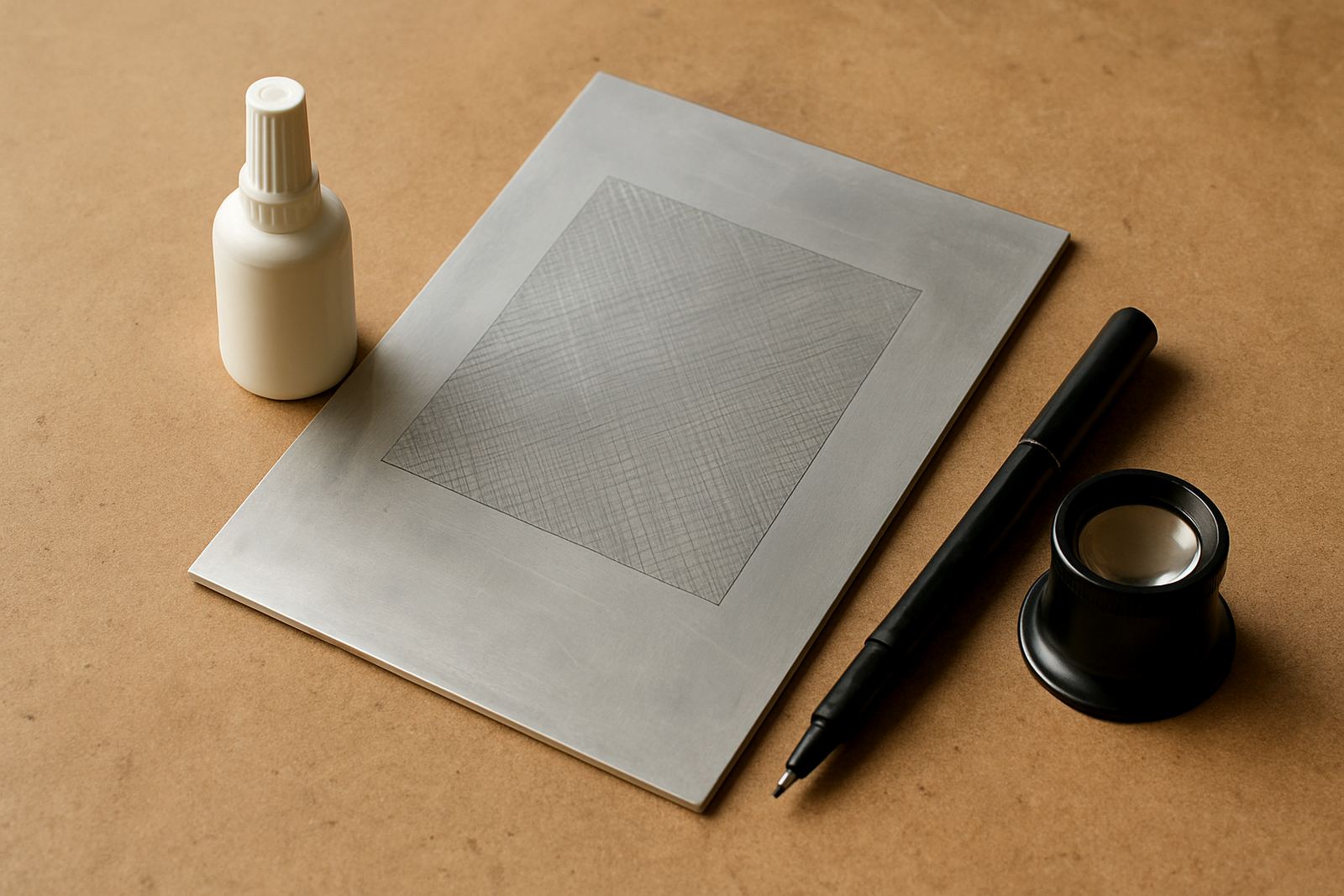
Not every plate is the right choice for every run. The expected impression count should guide how you match plate durability, imaging quality and processing needs to the job. A plate that works well for a short seasonal promotion may not hold up as well on a longer packaging or publication run with tight colour control and several plate changes.
For print shops handling offset work across Pretoria, Germiston or Roodepoort, the decision often comes down to how much handling the plate will see before it is on press and how long it must stay consistent once the job starts. Plates used on longer runs should support stable dot reproduction, predictable ink transfer and resistance to handling marks during mounting and make-ready.
- Short runs usually favour quicker setup and lower wasted material during approval stages.
- Medium runs need a balance between plate cost, repeatability and press efficiency.
- Long runs demand better consistency, cleaner processing and reliable plate life under pressure.
- Jobs with several colour units need plate quality that supports stable registration from start to finish.
In practical terms, the plate is not just a consumable, it is part of the job’s cost structure. Choosing the right grade early can reduce plate replacements, avoid press stops and help keep the quotation honest.
Handling Matters More When The Run Is Long
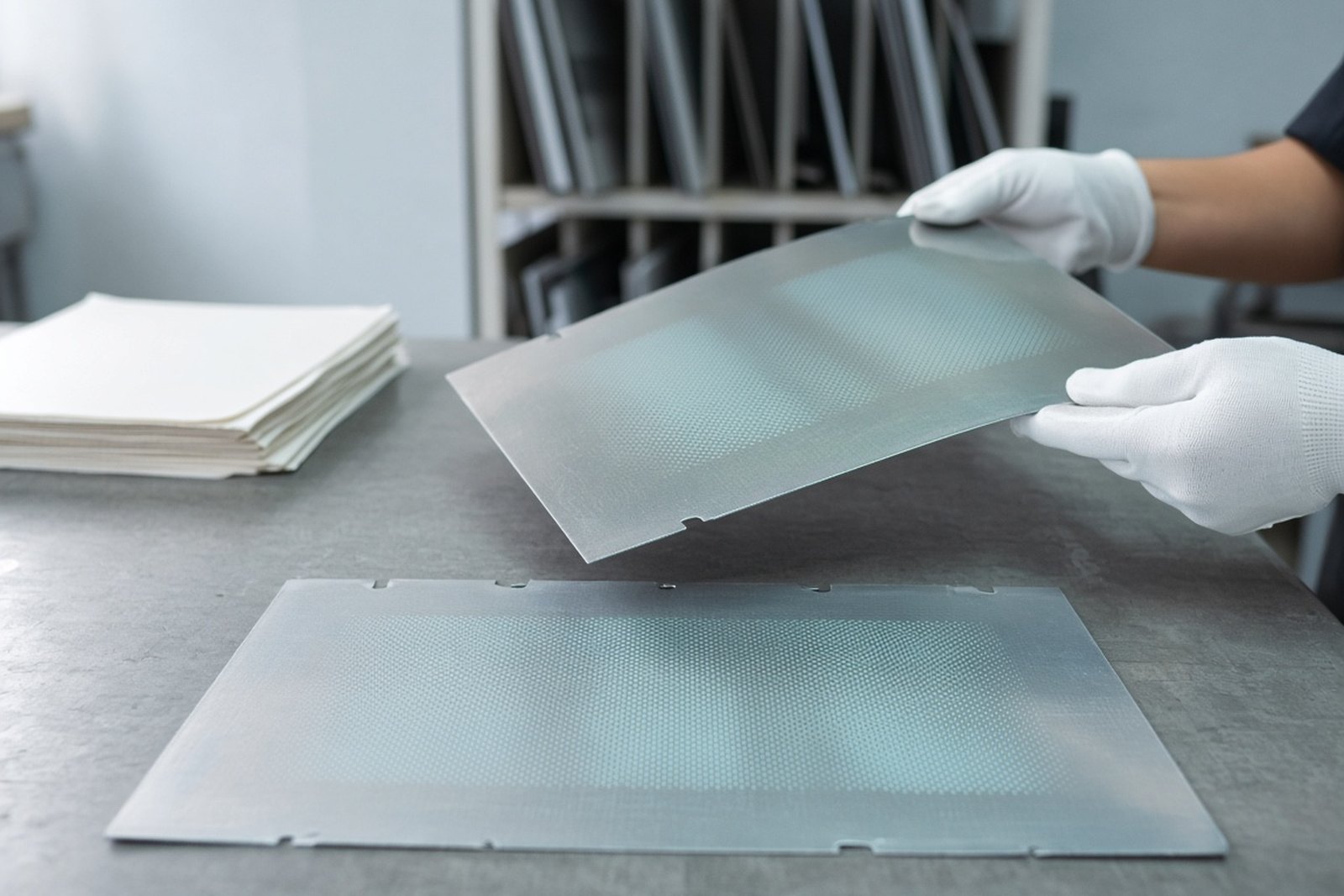
Rough handling undoes a good plate. Longer runs put more strain on the whole workflow, from plate stripping and transport to mounting and pressroom storage. If plates are scratched, bent or exposed to poor conditions before they reach the press, the job may start with a problem that shows up as scumming, poor register or colour variation.
In humid weather or on hot Johannesburg afternoons, small handling errors can become expensive. Plates stored incorrectly can pick up moisture, dust or surface damage. That is why plate handling training is worth including in the production plan, especially when the same team is juggling multiple jobs and tight delivery times.
- Keep plates flat and clearly labelled by job and colour.
- Avoid touching imaging areas with bare hands where possible.
- Move plates in clean sleeves or carriers, not loose across the floor.
- Check storage areas for heat, damp and dust before shift start.
When the run is lengthy, even minor damage can add up. A plate that gives trouble at impression 500 may be caught quickly on a short run, but on a longer run it can cause repeated stoppages and spoilage. That is why handling discipline is part of cost control, not just housekeeping.
Chemistry And Blanket Decisions Follow The Impression Target
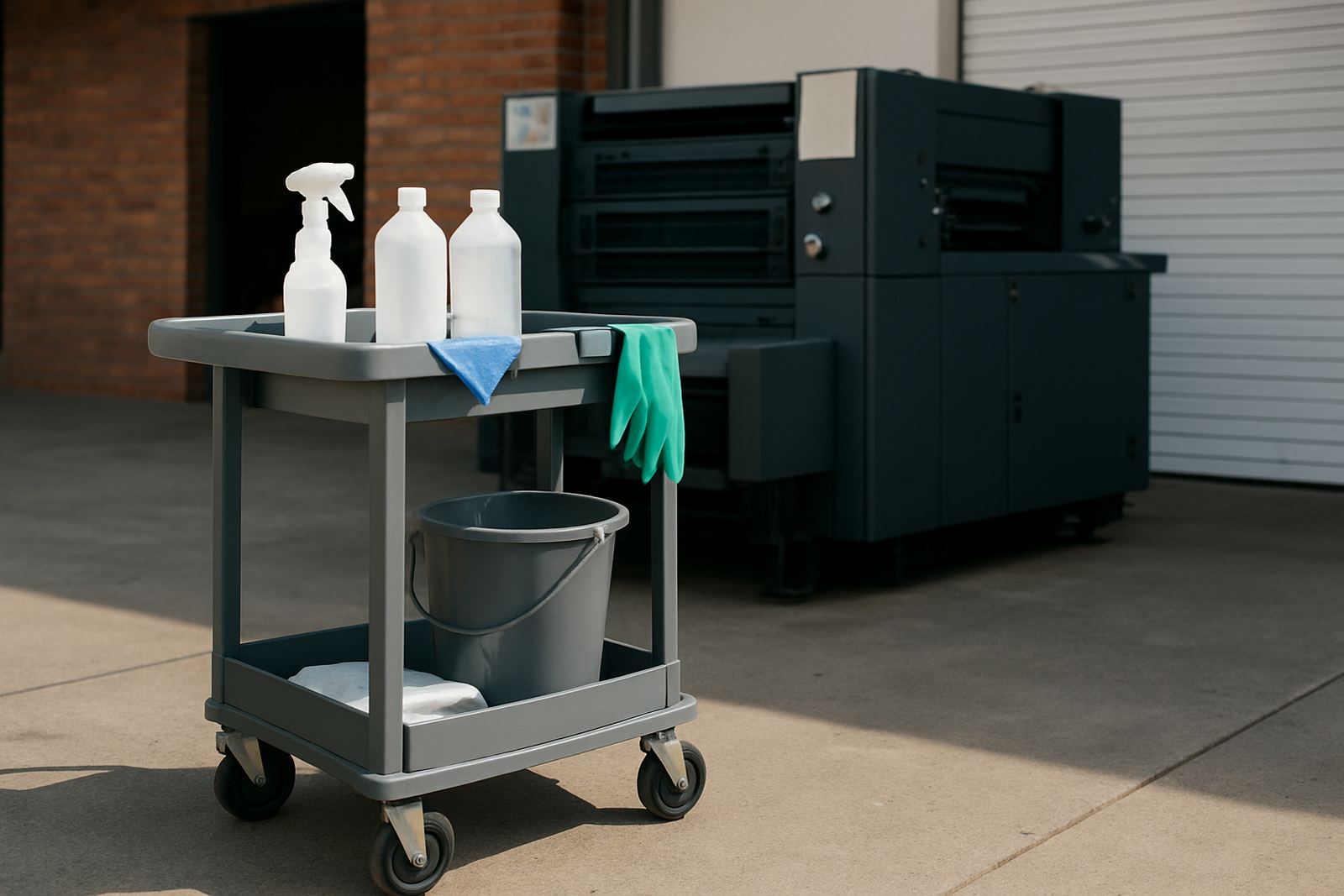
Run length also changes the way chemistry and blanket support should be planned. On short runs, you may get through the job before chemistry drift becomes a major issue, but on longer jobs the pressroom needs better control over developer, fountain solution and wash cycles. If the chemistry goes out of balance, you risk inconsistent colour, plate wear and unnecessary downtime.
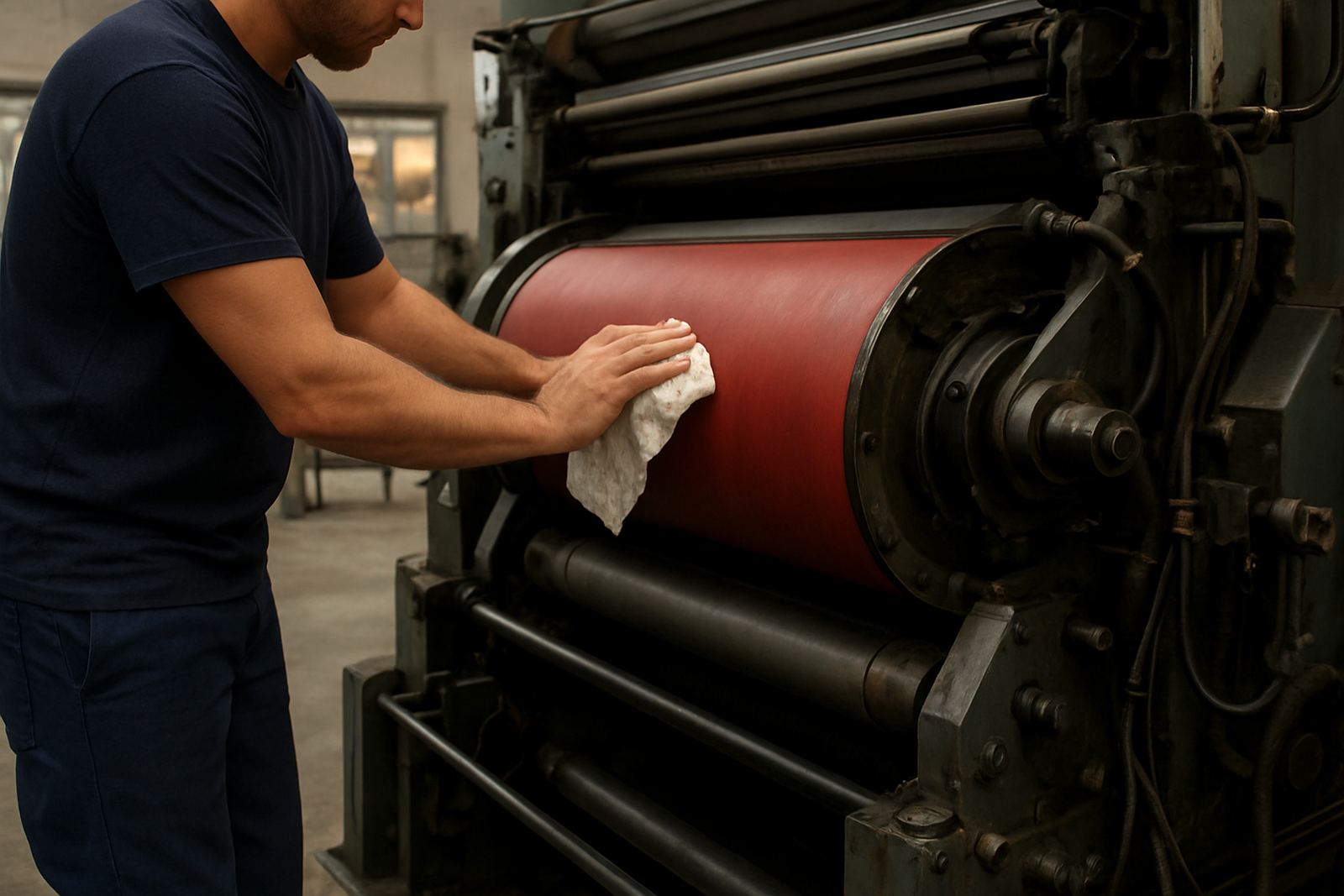
Blankets deserve the same attention. A blanket that is fine for a shorter run may begin to show signs of wear, compression or contamination on a longer one. Blanket assessment should therefore be part of your pre press and in press checks, particularly where the job uses heavy solids, fine screens or multiple units. Pressrooms in Industria West and surrounding areas often need to factor in dust and heat, both of which can affect blanket condition if cleaning and storage are not managed well.
Good planning is simple: if the run is longer, build in more frequent checks for colour stability, blanket cleaning and chemistry readings. That way the job stays on target instead of being corrected halfway through when the damage is already done.
Cost Planning Gets Clearer When Run Length Is Known
Many pricing problems start because the impression count was guessed rather than measured. A proper run length estimate helps a printer plan plate usage, chemistry consumption, machine time and finishing labour with far greater accuracy. It also helps sales teams explain why two apparently similar jobs may have very different costs.
A Pretoria order makes this plain. A Pretoria client may request 3,000 copies of a four colour flyer for a one day event, while a Soweto retailer asks for 30,000 copies of a similar flyer for a month long campaign. The artwork may look similar, but the second job needs stronger supply planning, more press attention and likely tighter production troubleshooting if colour drift appears during the longer press window.
When you cost a job properly, you should include:
- Plate output and handling time.
- Expected waste at make-ready.
- Chemistry and wash usage.
- Blanket wear and replacement risk.
- Press time, labour and possible downtime.
- Finishing and delivery timing.
That is how a run length estimate becomes a practical budgeting tool, not just a technical note.
A Simple Run Length Check Before You Release The Job
Before a job reaches the pressroom, ask a few direct questions. How many finished pieces are needed? What spoilage allowance is realistic? Are there colour sensitive elements, special finishing steps or multiple reprints planned? Will the job run once or be repeated later from the same plates? These answers shape plate selection, chemistry balancing and whether extra training or processor servicing should be scheduled first.
For print businesses serving Johannesburg, Midrand, Randburg and the wider Gauteng area, a short pre release check can save a lot of trouble. It also helps the team spot when a job that looks straightforward actually needs more care because the quantity is high or the delivery window is tight. Especially when several deadlines land on the same day, that early check can stop the pressroom from being forced into rushed decisions.
- Confirm the finished quantity and allowed spoilage.
- Match the plate type to the expected impression count.
- Check blanket condition before the first sheet goes on press.
- Test chemistry and wash programmes ahead of production.
- Plan storage and handling so plates stay clean and flat.
At LithoPrinting Plates, run length is not treated as a side note. It is one of the main figures that helps a printer choose the right consumables, protect press stability and keep costs under control from the first sheet to the last.