What plate correction products are meant to fix
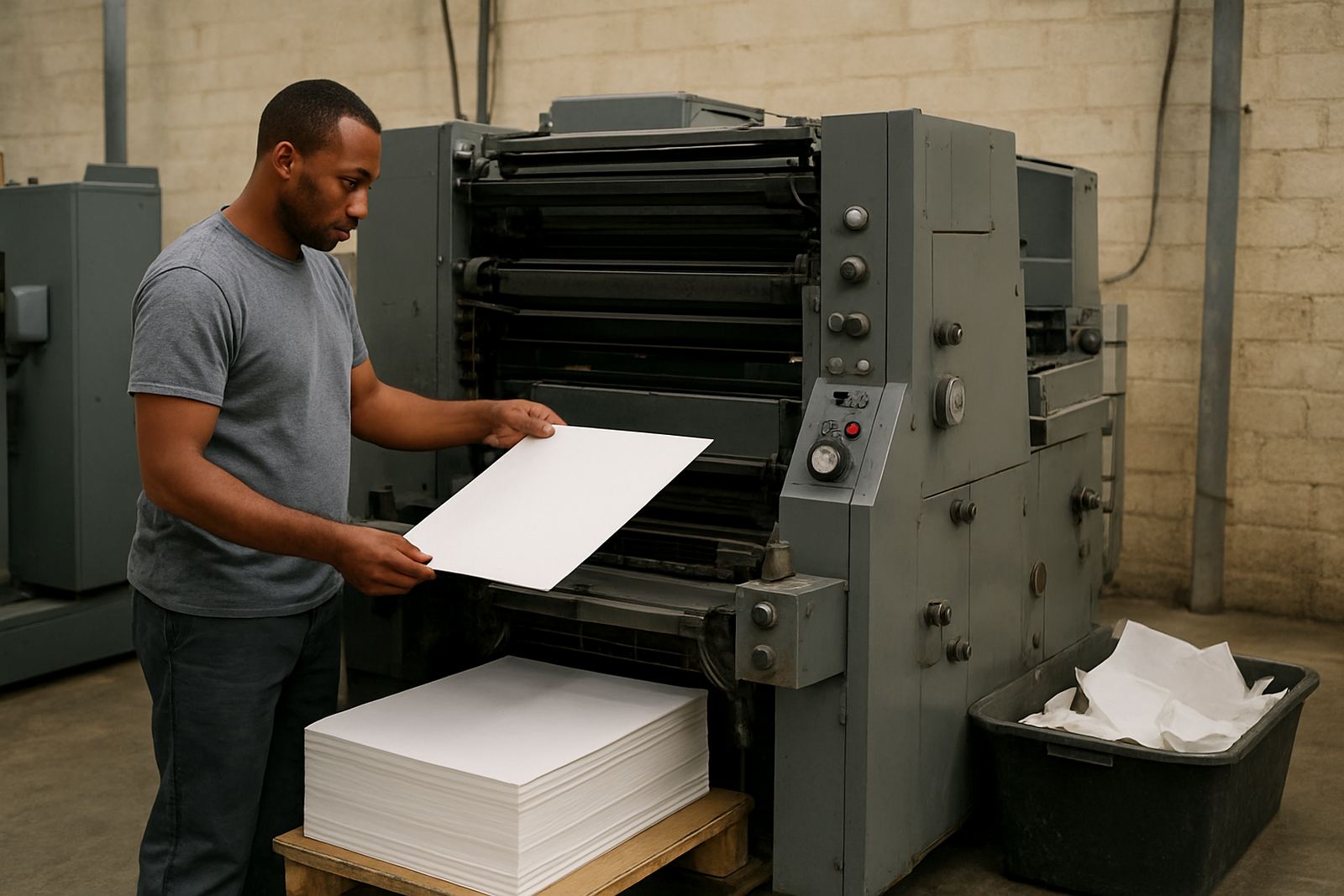
Plate correction products are for small practical changes on an imaged plate, not for rescuing a bad setup or a worn out process. In day to day printing, they are used to reduce unwanted image, clean up tiny marks, soften a stubborn edge or make a minor adjustment before a plate goes to press. The aim is to solve a specific fault quickly without disturbing the rest of the job.
For shops in Johannesburg, Roodepoort and Germiston, the common pressure points are tight turnaround times and plate room interruptions. When a plate comes back with a tiny pinhole, a stray mark, or a slight toning issue, a correction product can often keep the job moving instead of sending the whole sheet back for a remake. That said, the correction has to be matched to the plate type and the fault. Wrong product, wrong timing, and the plate can be damaged further.
When correction is worth doing and when to remake the plate
The decision is usually simple if you know what you are looking at. If the fault is localised and the image is still sound, correction may be the right move. If the problem affects registration, screening, coating strength or broad image quality, remaking the plate is usually safer. A quick patch is not a cure for a weak file, poor chemistry or a tired processor.
- Use correction for tiny scuffs, stray marks, small pinholes and limited image clean-up.
- Remake the plate if the defect is spread across the sheet or affects multiple colours.
- Check whether the issue came from handling, chemistry, blanket condition or press set up.
- If the same fault repeats on different plates, do not keep correcting. Fix the cause first.
On a pressroom floor, it helps to ask one question first: is this a plate fault or a process fault? That step saves time and money, especially during a late-afternoon catch-up when everyone is rushing.
How to use correction products without creating a bigger problem
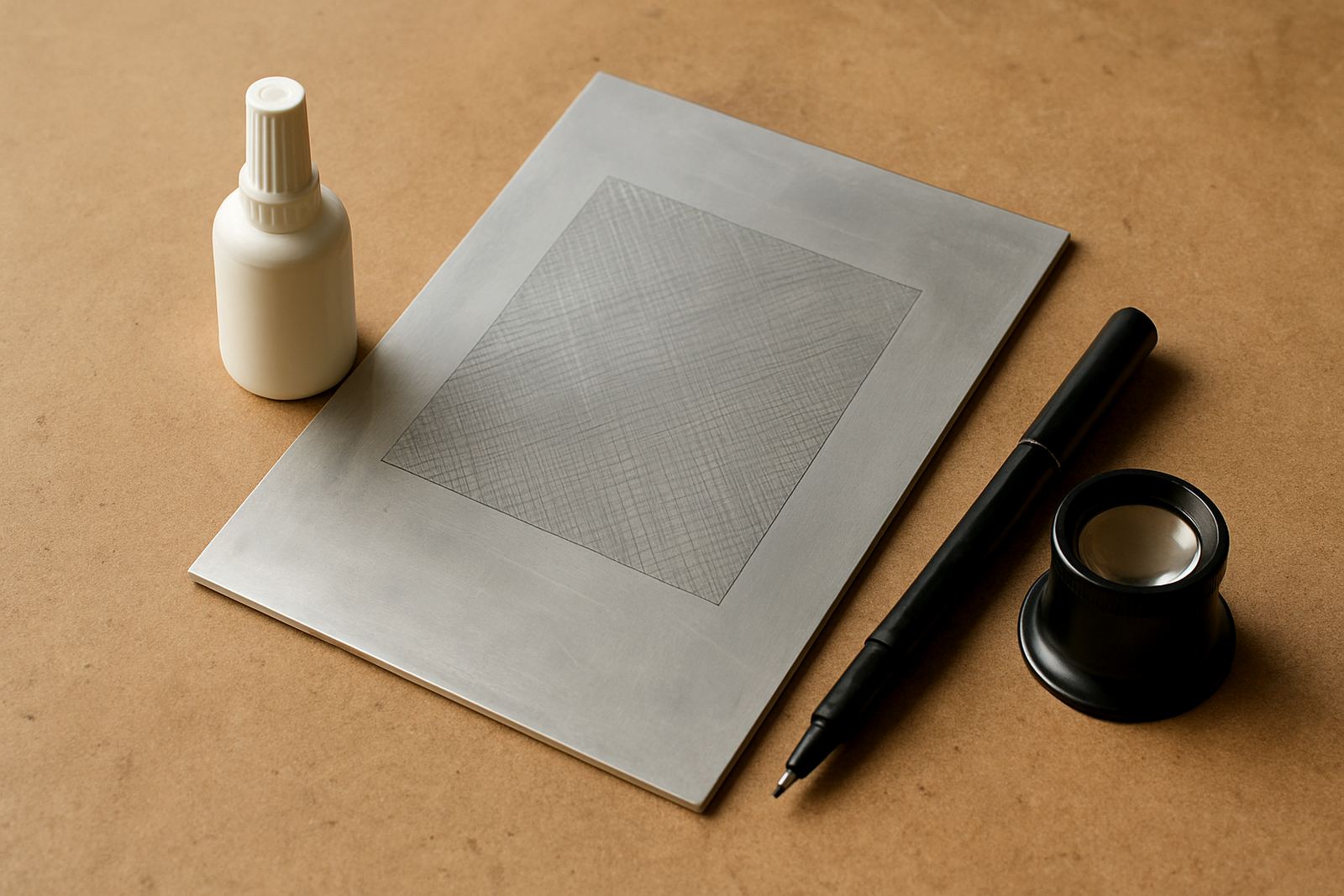
Start with clean hands, a clean cloth and a plate under good light. Confirm the fault and mark the area lightly so you do not overwork the plate. Apply the correction product sparingly and only where needed. Too much pressure or too much solution can alter the image beyond the repair zone. If the plate is sensitive, test on a small area first.
Let the plate dry properly before it goes back into production. In humid weather, especially in parts of Gauteng after a storm, drying can take longer than expected and a rushed plate may pick up fresh contamination. Keep the plate flat, avoid stacking it while wet, and never rub hard just because the mark is not disappearing fast enough. That is usually how a minor fault becomes a plate replacement.
- Use a soft lint free cloth rather than abrasive wipes.
- Cap correction fluid between uses.
- Label products clearly so chemistry is not confused.
- Gloves on, and read the SDS for each product before use.
Chemistry balance and plate life go together
Corrections link back to imaging, processing and press setup. It works best when chemistry is balanced and the processor is running properly. If developer is too weak, too strong or carrying too much contamination, you may see weak imaging or background tone that people try to fix with correction products when the real issue sits in the processor. The same applies to rinse quality and replenishment.
A shop in Midrand or Pretoria with steady plate volume should record correction use, chemistry readings and processor service dates together. That record helps spot patterns. For example, if corrections suddenly increase after a chemical change or a service call, you know where to look. This is the practical value of keeping notes, even if the note book is not neat.
Plate life also matters. Frequent correction on the same type of plate can point to handling problems, blanket wear, dirty rollers or drying issues on press. Fixing the symptom once is useful, but repeated correction is a sign that the workflow needs attention.
Common faults seen on South African print floors
Most correction requests fall into a few familiar categories. Small scratches from handling, fingerprints, dust specks, broken dots from debris, and slight background contamination are among the usual ones. In flexo and finishing rooms, minor image adjustments may also be required after a change in substrate or a press startup issue. The correction product and the method need to match the fault, otherwise the repair can become visible on press.
- Dust marks after poor storage or transport between branches.
- Pinholes caused by handling or contamination during plate processing.
- Minor background tone from chemistry drift.
- Small image edge issues after last minute plate handling.
- Light scuffing from stacking or moving plates across the room.
At an Industria West operation supplying sites across Gauteng and beyond, these are not unusual complaints. The smarter response is to confirm the cause, apply the smallest possible correction and then check the plate again under the same viewing light used in the plate room.
Keeping correction work controlled and repeatable
The best plate room habits are simple. Train staff to identify the fault, choose the right product, and stop once the problem is gone. Keep correction steps written down so the night shift does things the same way as the morning shift. That is especially useful when the job is moving between Roodepoort, Randburg, Germiston and a client site in another province.
For better control, build correction checks into your normal plate handling routine:
- Inspect plates before they leave the plate room.
- Confirm the correction area after treatment.
- Log repeated faults and the action taken.
- Review chemistry, processor servicing and storage conditions monthly.
When correction is treated as part of the production system, not a quick fix, it protects press time and keeps waste down. A small plate repair done well can save a full run. Done badly, it can add another plate, another delay and another invoice.