Why humidity matters before the first plate goes on press
Prepress is often treated like a clean, dry holding area, but air moisture has a direct effect on how plates behave. If the room is too damp, plates can pick up surface moisture, stick together, or attract dust and fingerprints. If it is too dry, static can make handling difficult and increase the chance of surface marks during packing and sorting.
In Johannesburg west, winter mornings are often dry, while summer storms can push humidity up quickly. A pressroom that feels fine at 9am can be far less stable by lunch. That shift matters when plates must stay flat, clean and ready for the next shift. Even small changes can affect registration and make start-up slower than it should be.
How moisture affects plate storage and handling
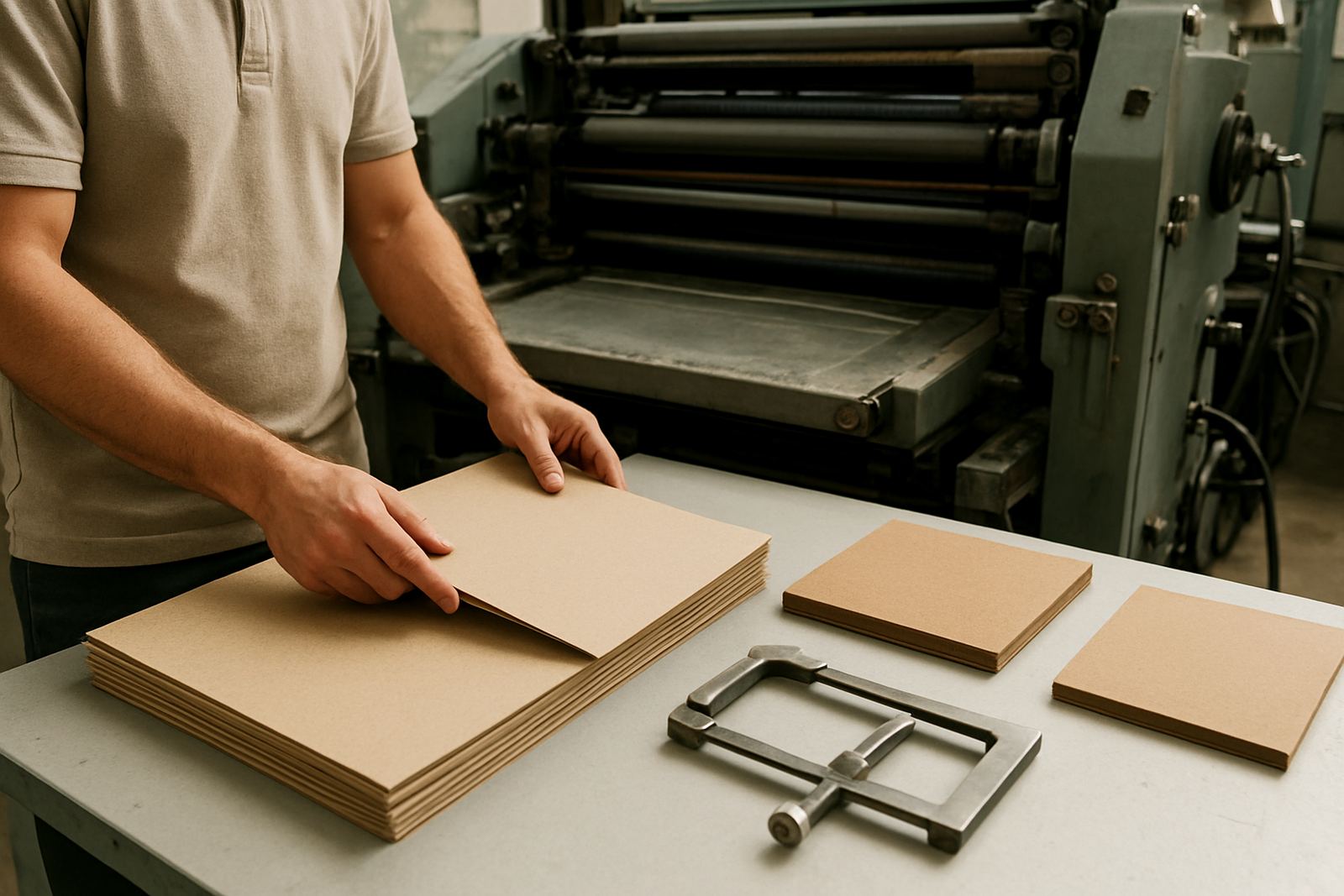
CTP plates need a steady environment from receipt to mounting. High humidity can encourage edge waviness, packaging softening and inconsistent handling. Low humidity can make sheets cling to one another and to operators gloves, which increases the risk of scratches or bent corners.
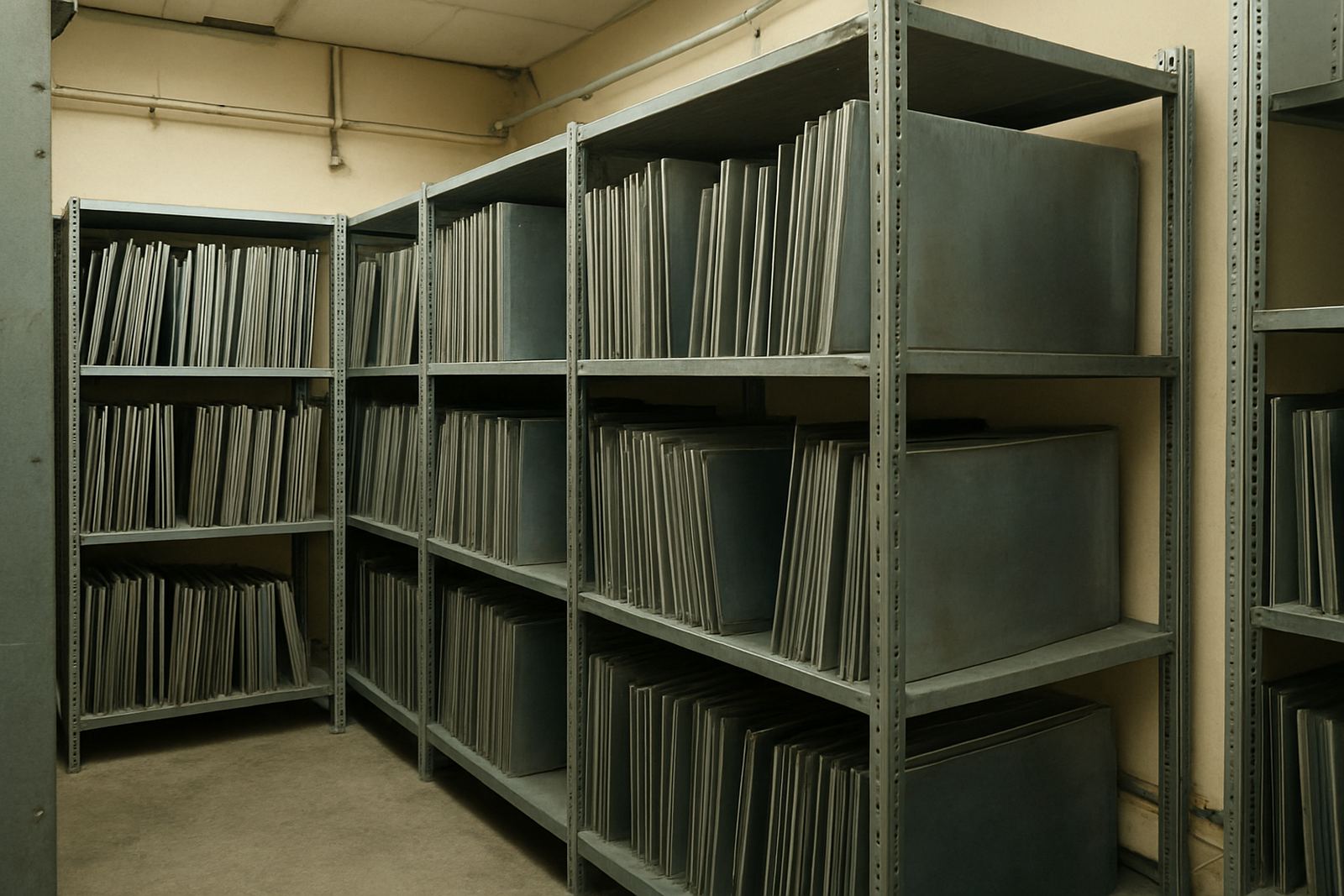
- Store plates in their original wrap until needed.
- Raise pallets on racking, well back from the roller doors.
- Avoid placing stock near wash areas, roof leaks or open loading bays.
- Let incoming plates acclimatise before unpacking if they come from a cooler store room or vehicle.
Simple discipline here saves a lot of grief. One damp carton left against a wall on an Industria West floor can create a problem for an entire shift, especially when the weather turns midweek.
What changes in the chemistry room when the air shifts
Humidity does not only affect the plate itself. It also changes how chemistry performs in processors and wash programmes. In a more humid room, evaporation slows and some solutions can behave differently on the surface of the plate. That can affect coating stability, rinse behaviour and the consistency of the non image area.
Press teams often chase a print issue on the machine when the source started earlier in prepress. If chemistry is out of balance, the plate may look acceptable at the beginning but drift during the run. Temperature, pH and replenishment should be checked together, not in isolation. A quick test in the morning and again after a hot afternoon is often more useful than one reading only.
- Check processor settings at the same time each day.
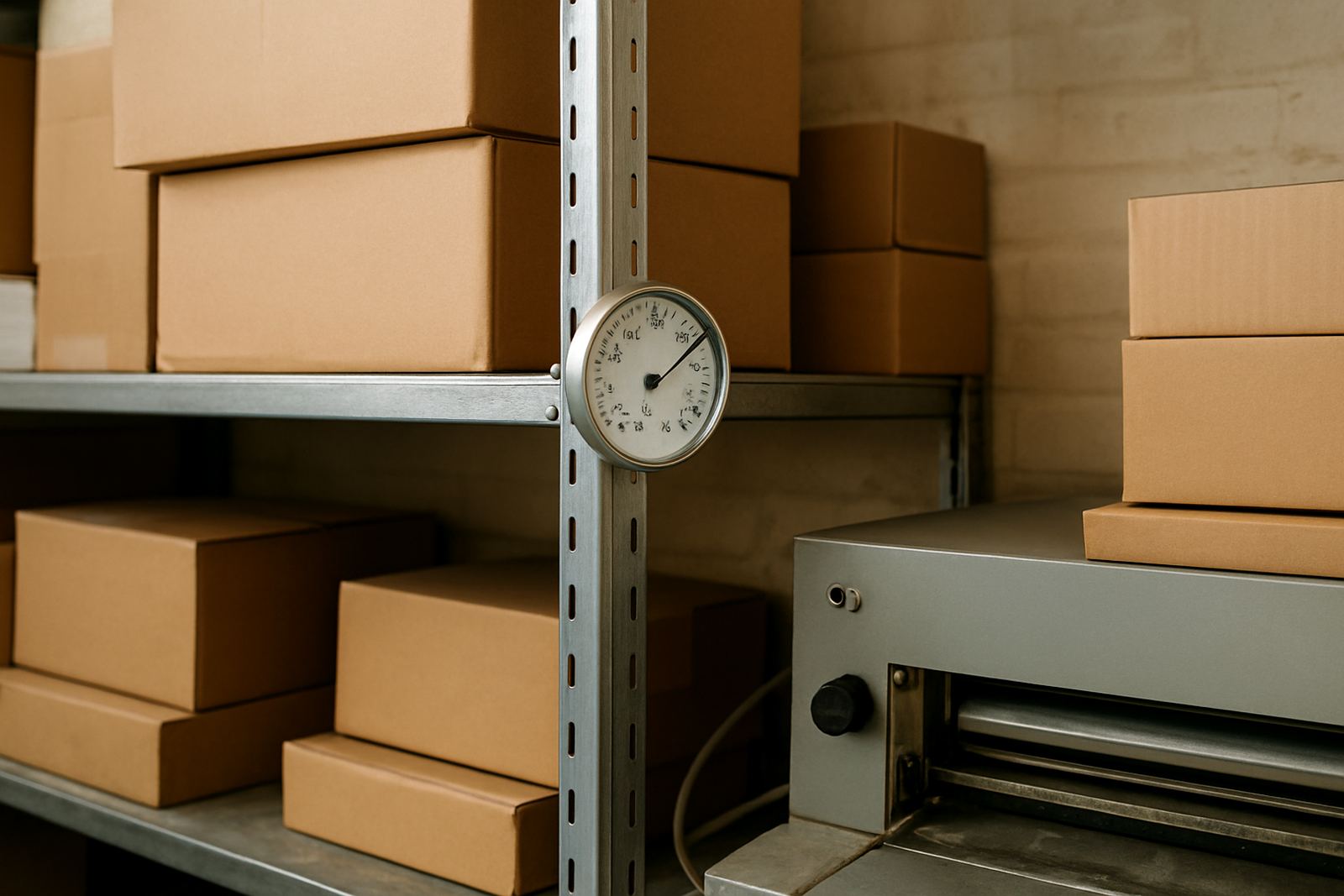
- Record room temperature and humidity where possible.
- Watch for changes after weekend shutdowns or holiday breaks.
- Replace contaminated wash solution before it starts to drag down plate cleanliness.
South African seasons create different prepress risks
What works in Midrand in July may not hold up in Germiston in February. Inland sites often battle dry air in winter and dust from nearby yards, while summer storms bring moisture that can affect metal surfaces and packing materials. The result is not the same everywhere, which is why one storage routine does not suit every plant.
In Pretoria, a team may need more attention to static and dust control. In Roodepoort or Randburg, a busy warehouse door opening all day can swing conditions fast. Humid nights can also make overnight storage more sensitive, especially if plates are moved between air conditioned offices and hotter production areas. The handover point is where trouble often starts.
Treat humidity as a daily check, not an emergency. Measure, note, adjust and repeat. That is often enough to stop recurring plate marks and make output more stable from month to month, even when weather conditions keep changing.
Practical controls that keep plates steady
Most prepress rooms do not need expensive changes to improve humidity control. They need better habits and a few sensible checks. A well run room protects stock, reduces waste and keeps operators from chasing avoidable faults.
- Keep doors closed where possible and use strip curtains if traffic is heavy.
- Seal windows and repair roof leaks quickly.
- Use pallet wrap correctly so cartons do not breathe in damp air overnight.
- Separate fresh stock from used plates, solvents and cleaning cloths.
- Move plates in smaller batches when the weather is unstable.
Airflow should steady the room's conditions. If extraction pulls in wet outside air, the system may be doing more harm than good. The same goes for air conditioners that are set too cold and then switched off overnight. When the temperature jumps back, condensation can form fast and damage handling quality.
Inside a City West prepress room
A printer in City West was seeing random scuffing on plates that had been stored correctly on paper. The issue only showed up after heavy afternoon rain. On inspection, the problem was not the plate stock itself but the path from store room to press. A loading bay door stayed open for long periods, and the room next to it picked up moisture each afternoon.
The fix was simple enough. They moved stock further from the bay, shortened the time plates spent outside the wrap, added daily humidity checks and reviewed their wash programme after every wet weather change. Within a few weeks, start-up waste dropped and press crews stopped blaming the plate material for what was really an environment issue. It was not glamorous work, just the kind that keeps a plant steady.
Good prepress control is often about noticing the small things first. The smell of the room, the feel of the wrap, the way a sheet separates cleanly or sticks awkwardly. Those clues tell a story before the print result does.
When to ask for support before the run is already at risk
If humidity changes keep causing plate handling problems, it is worth reviewing the full chain from storage to press start-up. That includes plate selection, chemistry balancing, processor servicing, blanket assessment and production troubleshooting. In many cases the fault is a mix of storage, process and handling rather than one single item.
For teams across Johannesburg, Roodepoort, Randburg, Midrand, Germiston and Pretoria, the best results usually come from a practical site check and a clear routine. Keep records, watch the weather and act before a damp room becomes a production delay. It saves time, stock and pressure on the press crew.
For plate and press supply queries, send a message through our contact form. A short conversation early in the problem is often enough to prevent repeat waste and help the room stay under control.