Why speed on newsprint is really a plate and chemistry question
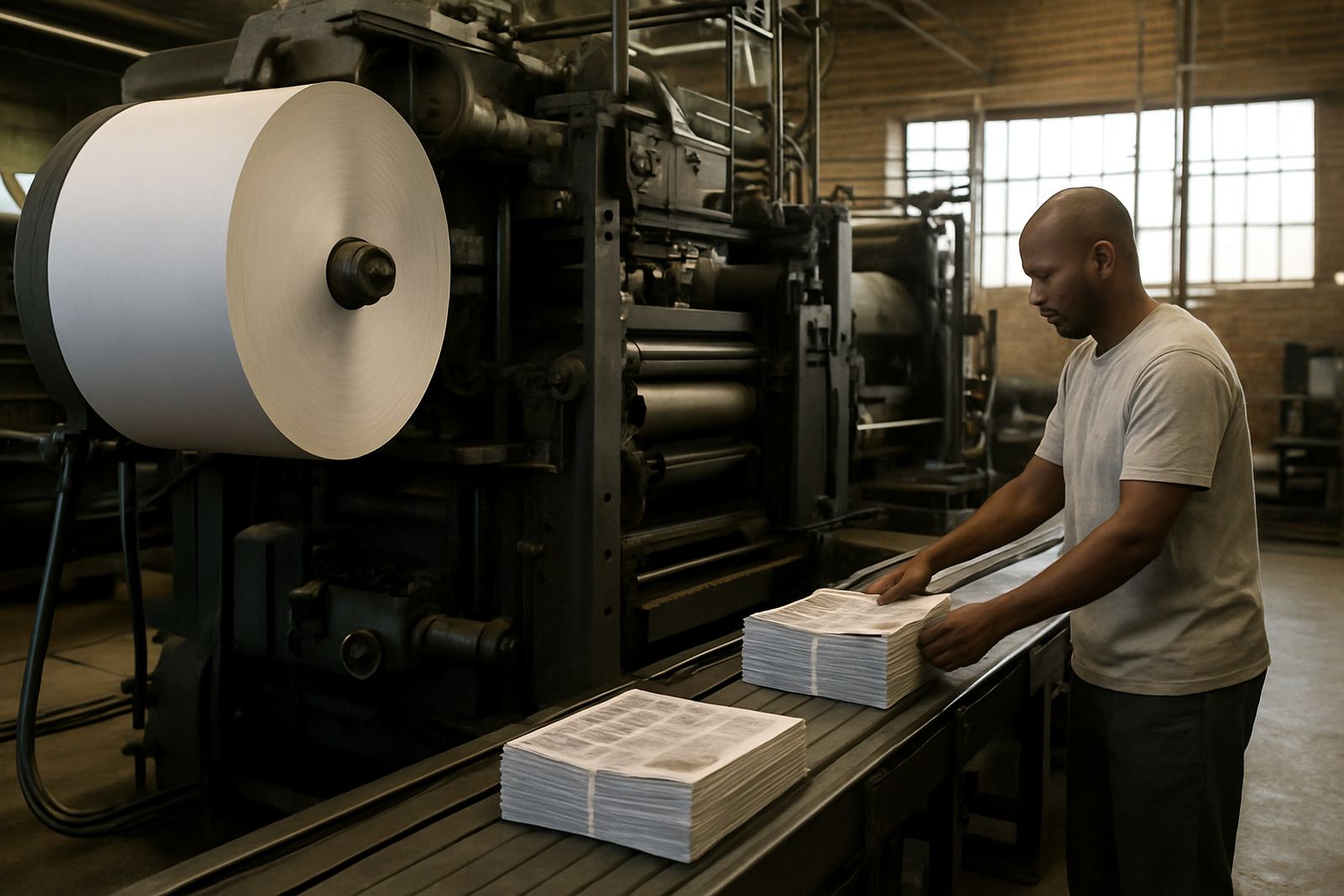
When a newspaper press is running hard, people often talk about speed in terms of web metres per minute or how fast the folder can keep up. In practice, the real constraint is often image stability on plate, consistent plate processing and how well chemistry is managed through the shift. If the plate image starts to weaken or the plate surface is not clean, the pressman ends up fighting set-off, toning and colour drift instead of making clean copies.
For City West print teams, the pressure is even higher because many jobs move between morning deadlines and late-breaking inserts. A plate that works well on a slower commercial job may not hold up on newsprint where the stock is absorbent, the ink film is thin and the turnaround is unforgiving. Good plate selection reduces correction time, and that matters when the crew is trying to keep register and colour within a narrow window.
Speed is also linked to consistency across plates. If one plate comes out slightly underprocessed, it may appear fine on the light table but behave differently once it reaches the press. That is where chemistry balancing and plate handling discipline make a direct difference.
Plate choice for high-speed newspaper work
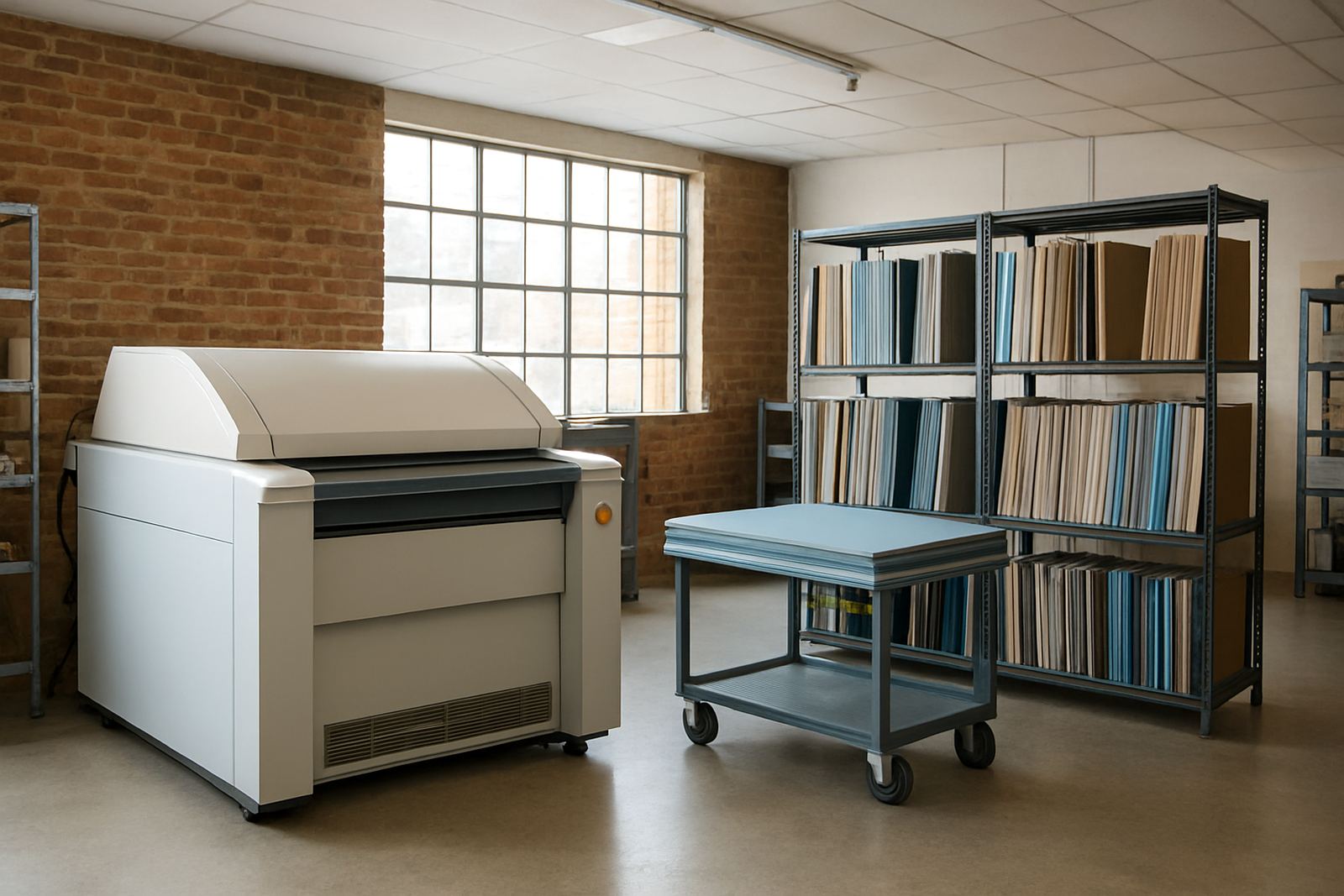
Not every CTP plate behaves the same on a fast newspaper line. The right choice depends on the plate set-up, the pressroom temperature, the fountain solution, and how much handling the plate will see before it reaches the cylinder. In a busy plant, plates may be moved from imaging to processing to dispatch in less than an hour, so the surface has to tolerate that workflow without scuffing or contamination.
For newsprint, the usual priorities are clean dot reproduction, strong run length and predictable chemistry response. If a plate is too sensitive to handling, the press team spends time chasing marks and reworks. If it is too soft in processing, you can lose highlight detail and notice it as soon as the press comes up to speed.
- Choose a plate that matches your press speed and typical run length.
- Check compatibility with your processor settings and developer strength.
- Ask for plate handling guidance if plates travel long distances before make-ready.
- Keep a record of which plate performs best in humid months and in winter.
On jobs that move from Randburg to a pressroom in Industria West, temperature changes alone can affect how cleanly plates dry and store. That is why one plate type may give better repeatability than another, even when both are technically suitable.
Chemistry control keeps the press out of trouble
Teams that keep a simple log usually catch problems earlier. Note the date, plate batch, developer condition, room temperature and any make-ready issues. After a few weeks patterns become visible, and it gets easier to see whether the issue is the plate, the processor or the press setting.
- Test chemistry at the same time each shift.
- Replace filters before they cause contamination.
- Keep wash water clean and consistent.
- Watch for plate scum after long idle periods.
Press startup in a newspaper plant needs a shorter learning curve
On a fast newspaper run, press startup is where time is won or lost. The plate has to come up clean, accept ink quickly and settle into colour without excessive adjustments. If the plate is well made and correctly stored, the operator should not need to spend the first half of the shift fighting haze or ghosting.
We often see that press teams in Germiston, Midrand and Roodepoort face the same issue in different forms. One site has a plate handling problem, another has chemistry drift, and another loses consistency because blankets are not being checked often enough. The quickest improvement usually comes from looking at the full chain rather than one machine setting.
- Confirm blanket condition before a long night run.
- Check plate mounting for damage or contamination.
- Make sure the fountain solution is within the correct range before startup.
- Do a colour stability check after the first few hundred copies.
A clean startup also protects the schedule. If a paper is due on trucks before dawn, every extra correction minute matters. It is far better to spend a few minutes on plate prep than to lose twenty minutes later hunting for stable ink-water balance.
A City West newspaper shift under pressure
A typical example comes from a Johannesburg City West operation that had recurring issues on a late-night newsprint shift. The press was mechanically sound, but the crew was losing time every second or third run because plates were inconsistent after processing. The developer was drifting, and the wash stage was leaving the plate surface slightly patchy. Nothing was catastrophic on its own, but together it caused slow make-ready and recurring colour touch-ups.
After tightening the chemistry checks, improving plate handling and revising the wash programme, the plant reduced startup waste and got better repeatability between shifts. The biggest change was not a new press part. It was a steadier plate result, more predictable colour and fewer stoppages through the night shift. That kind of improvement pays back quickly in a business where deadlines are fixed and paper does not wait.
For teams in Pretoria, Randburg or along the west side of Johannesburg, the lesson is the same. Fast newsprint work needs plates that image cleanly, chemistry that stays in range and a pressroom routine that does not rely on guesswork.
What to monitor before the next deadline
If your newspaper line is missing speed targets, start with the basics and work forward. It is usually easier to stabilise the plate room than to force the press to compensate for poor inputs. One good morning shift can tell you more than a week of guesswork.
Useful checks before the next deadline include:
- Developer strength and replenishment rate
- Plate image uniformity across the full sheet
- Blanket wear and contamination
- Wash quality and drying consistency
- Operator handling between processor and press
At LithoPrinting Plates, the focus is on practical support for pressrooms that need dependable plate supply and better control over the small things that affect speed. That includes plate selection, chemistry balancing, processor servicing, blanket assessment, press startup help, wash programmes, colour stability checks and production troubleshooting. When those pieces work together, newsprint runs faster and with less drama.