Pick the blanket for the job on the press
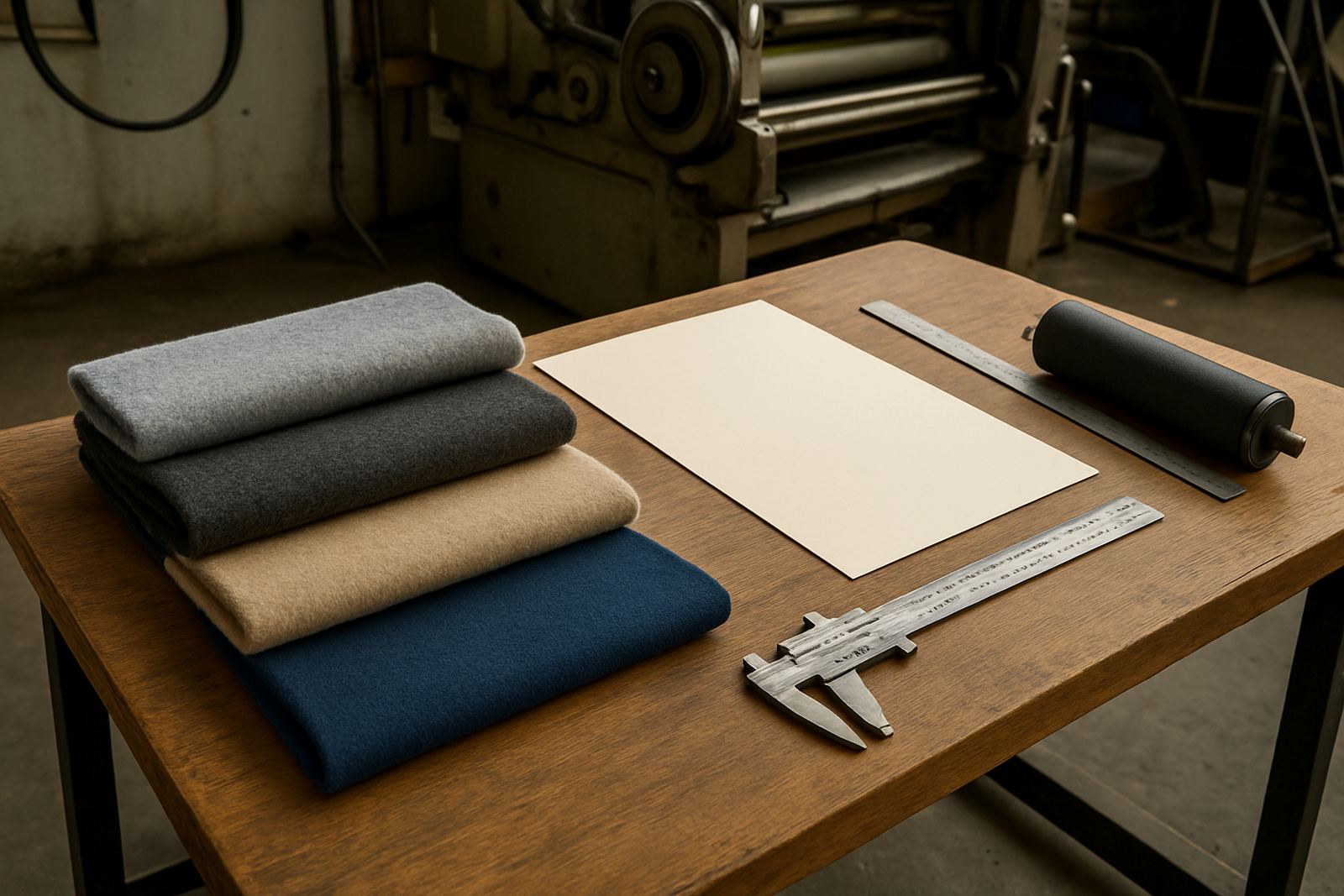
In offset printing, the blanket sits between plate and substrate, so it has a direct say in image transfer, dot sharpness and how cleanly solids land on paper. A blanket that works well on coated art paper may behave differently on uncoated stock, cartons or synthetic material. That is why the first question should be what the job needs, not what happens to be on hand.
Good blanket selection also affects make-ready time. If the blanket compresses too much, you can lose detail. If it is too hard for the application, impression pressure may need to be pushed up and that can create problems elsewhere on the sheet. In practical terms, the aim is simple: stable transfer with the least amount of adjustment.
For printers in Industria West, Roodepoort or Midrand, where mixed work is common, one blanket cannot always cover every line. A packaging job in one hour and a commercial run the next may call for very different surface behaviour and recovery.
How substrate changes the way a blanket performs
Substrate is often the biggest influence on blanket choice. Smooth coated paper needs a different touch to rough uncoated paper. Board and heavy cartons place more demand on the blanket because the surface can be less forgiving and the impression area is larger. Film and synthetic stock can also need careful handling because they do not absorb ink in the same way as paper.
- Coated paper usually suits a blanket that gives clean dot transfer and good release.
- Uncoated paper may need a blanket that can tolerate a bit more surface irregularity.
- Board and carton work often needs durability and strong recovery under repeated pressure.
- Synthetic substrates can demand controlled release so the print does not smudge or ghost.
Humidity matters too, especially in rainy months and in storage areas where stock may sit for a few days before printing. If paper takes on moisture, it can change the feel of the sheet and alter how the blanket lays down ink. A shop in Germiston may see a different result from one in Durban even on the same job, because the sheet condition is not identical.
Ink body, tack and drying time all affect the decision
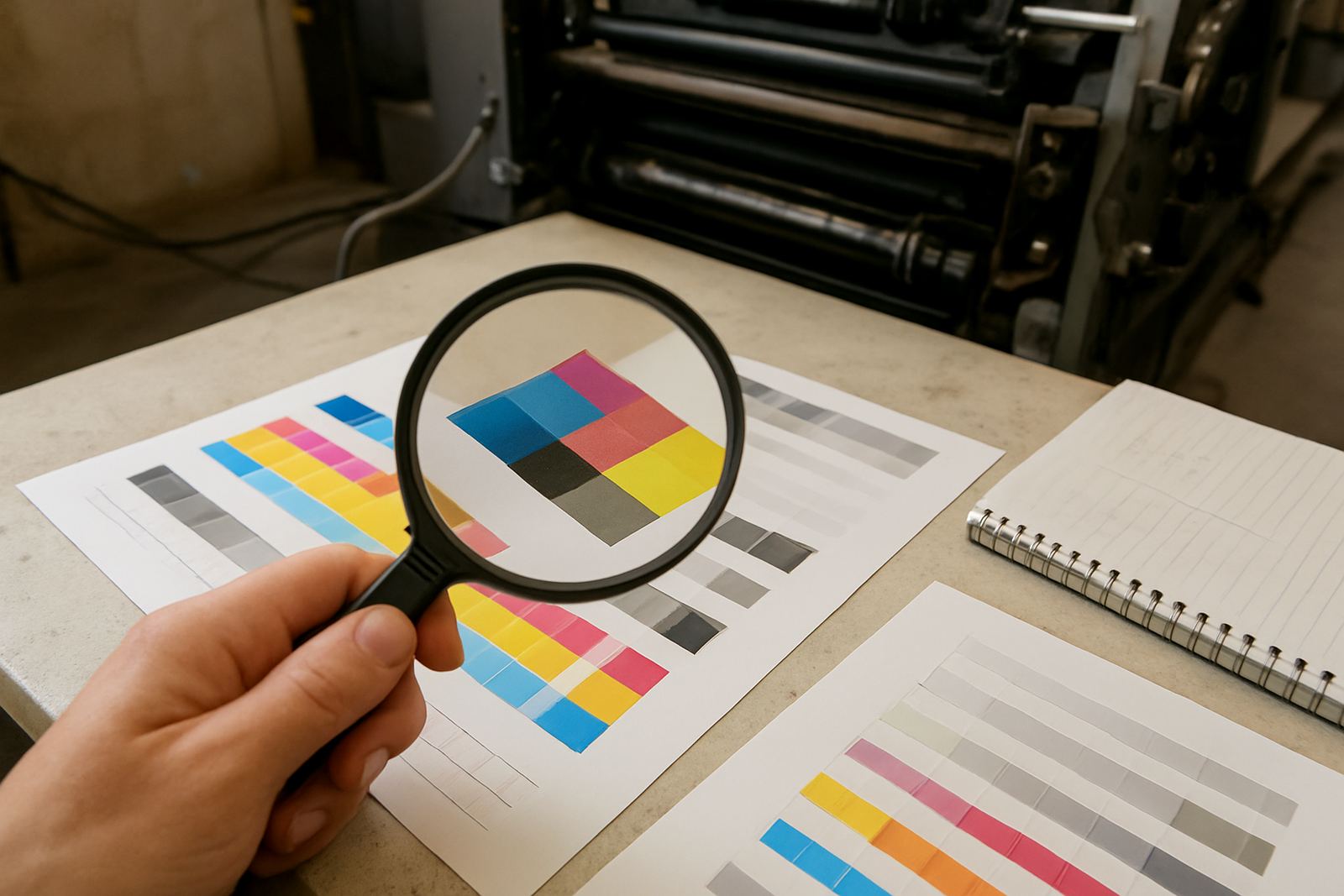
Ink is another part of the equation that cannot be ignored. High tack inks grip more strongly and can place extra stress on the blanket surface. Heavy solids, metallics and some spot colours also behave differently from standard process work. If the blanket surface is not suited to the ink, you may see picking, dirty back-up or a dull image where you expected clean density.
Drying time matters on the press as well. In South African plants, especially where rush orders reshape production planning, jobs are often pushed into tighter windows. That can mean stacking sheets sooner than planned or turning work around faster than the process would ideally allow. The blanket must still perform consistently when the run is moved ahead or restarted after a stoppage.
Watch for these signs on press:
- Ink build-up at the blanket edge or in image areas
- Poor release on solid blocks
- Slurring when speed is increased
- Set-off or scuffing during handling
- Uneven gloss or density across the sheet
Pressure, packing and impression: the three things that must agree
Even the right blanket will struggle if pressure settings are out. Packing under the blanket, packing on the plate cylinder and impression pressure to the substrate all have to work together. Too much pressure can crush the blanket, shorten its life and cause dot gain. Too little can lead to weak transfer, pinholing and poor solid coverage.
A simple test is to look at the job under normal running speed, not only at slow make-ready pace. Some problems only show once the press is under load. If a blanket is chosen for a lighter stock but later used on thicker board, the settings may need to shift and the operator should not assume the same packing will hold up.
This is where technical support helps. A short blanket assessment can prevent hours of chasing a print fault that is really coming from pressure mismatch. In many cases the issue is not the ink or plate alone, it is the whole contact setup.
A practical checklist before you fit the blanket
Before fitting a new blanket, it helps to go through a short checklist. That keeps choices tied to the job and not to habit. It also helps when several operators share the same press and each has a different style of setup.
- Confirm the substrate type and thickness
- Check whether the ink is standard, fast drying or high tack
- Review the press speed and expected run length
- Look at the image area, solids and fine detail on the form
- Check cylinder condition and packing consistency
- Allow for local storage conditions and moisture changes
- Note the blanket that worked for use on the repeat job
In a busy plant, this takes a few minutes and can save a lot of paper. It also makes supply planning easier because you are buying for actual production needs, not just replacing what failed last week.
What a Johannesburg job teaches about blanket matching
Take a common example from the City West area. A printer in Industria West may run a coated flyer in the morning and a short carton job later the same day. The flyer needs fine detail and clean image transfer. The carton job may need better crush resistance and more tolerance for heavier impression. If the same blanket is used for both without adjustment, the second run can show wear sooner and the first may not reach the sharpness the client expects.
That is why local support matters. When a press team can talk through substrate, ink and pressure with someone who knows the practical side of printing, the result is usually better. A blanket is not just a consumable, it is part of press control. Choose it well and the machine runs steadier, waste drops and colour stays more predictable from sheet one to sheet last.
For printers in Randburg, Pretoria or across the wider Gauteng market, the most reliable method is still the same: match the blanket to the job, test it under real press conditions and keep notes on what delivered the cleanest result.
When to review blanket performance instead of replacing by habit
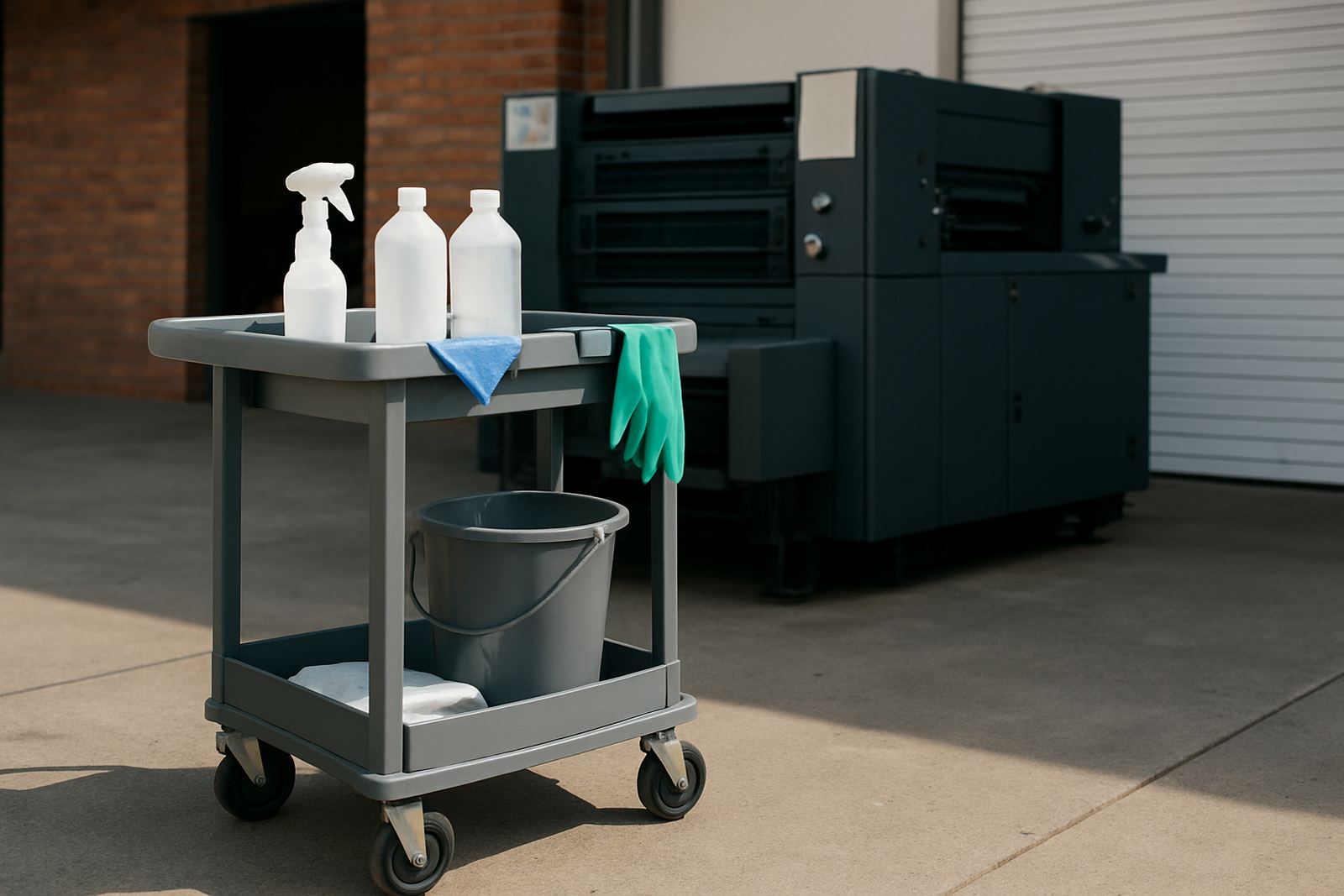
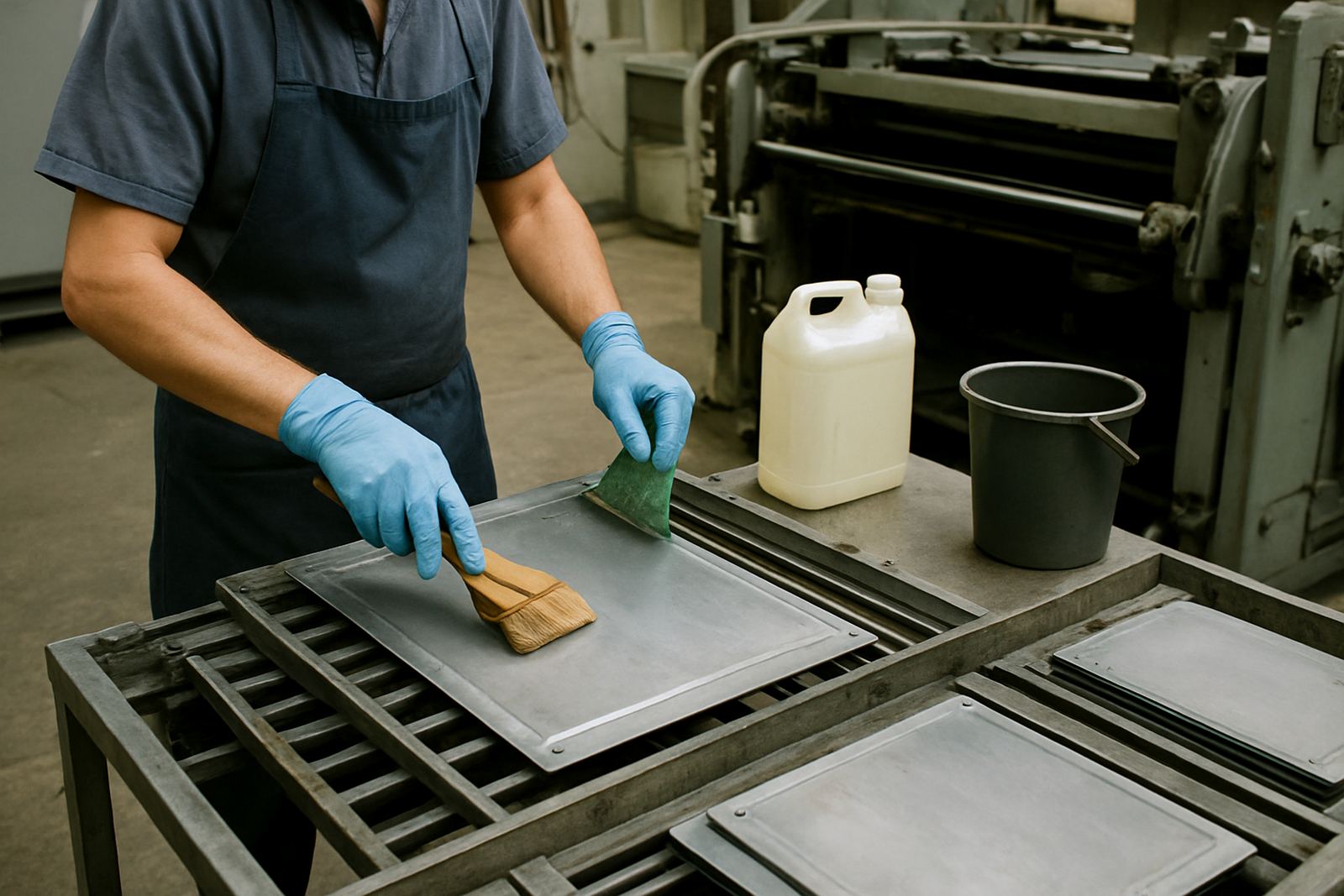
Some blankets are changed too early and some are left in too long. A blanket does not need replacing every time a print issue appears. First check whether the fault comes from plate condition, packing, wash-up practice or substrate change. At the same time, do not keep a tired blanket in service just because it still looks usable.
Review the blanket if you notice repeated scumming, image distortion or rising make-ready waste. If the press starts needing more pressure to hold the same quality, that is another sign. In plants with a mixed workload, a regular blanket assessment can be as useful as processor servicing or colour stability checks. It keeps the pressroom honest and the output steadier.