Start with a wash-up routine that suits the press and the shift
Wash-up is not just about removing ink, it is about setting the press up for the next run. A proper routine should match the ink type, paper coating, blanket condition and the pace of your production schedule. If you run short jobs in Industria West, then long runs for clients in Pretoria or Midrand, the same quick wipe will not work for every job.
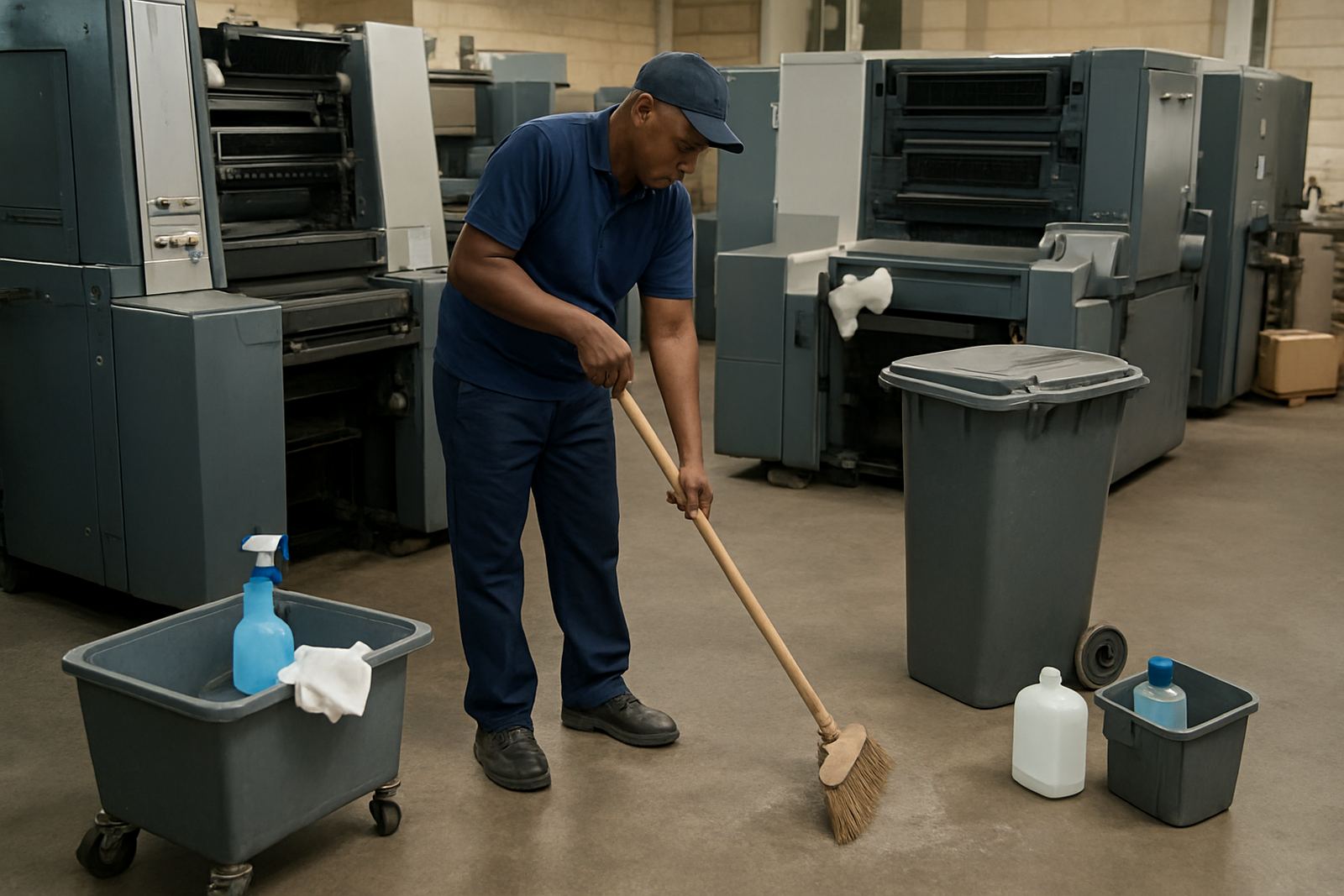
Keep the process simple and repeatable. Dry scrap should be removed first, then the approved wash used in the correct amount, followed by a final check on blankets, rollers and guards. Do not flood the machine with cleaner because excess liquid can drip into bearings, soften certain rubber surfaces and leave residue that affects the next colour run.
- Remove loose ink and paper dust before applying wash.
- Use just enough cleaner to lift residue, not soak the press.
- Check that cloths, pads and containers are clean before each shift.
- Record any unusual build-up so the next operator knows what changed.
Protect blankets so they keep carrying clean solids
Blankets are often the first place where poor wash-up shows up. If pigment and glaze are left to sit, the blanket can become shiny, hard or uneven, which leads to ghosting and inconsistent solids. A blanket that looks clean may still hold a thin film of dried ink, especially on long runs in hot weather or where dust is common.
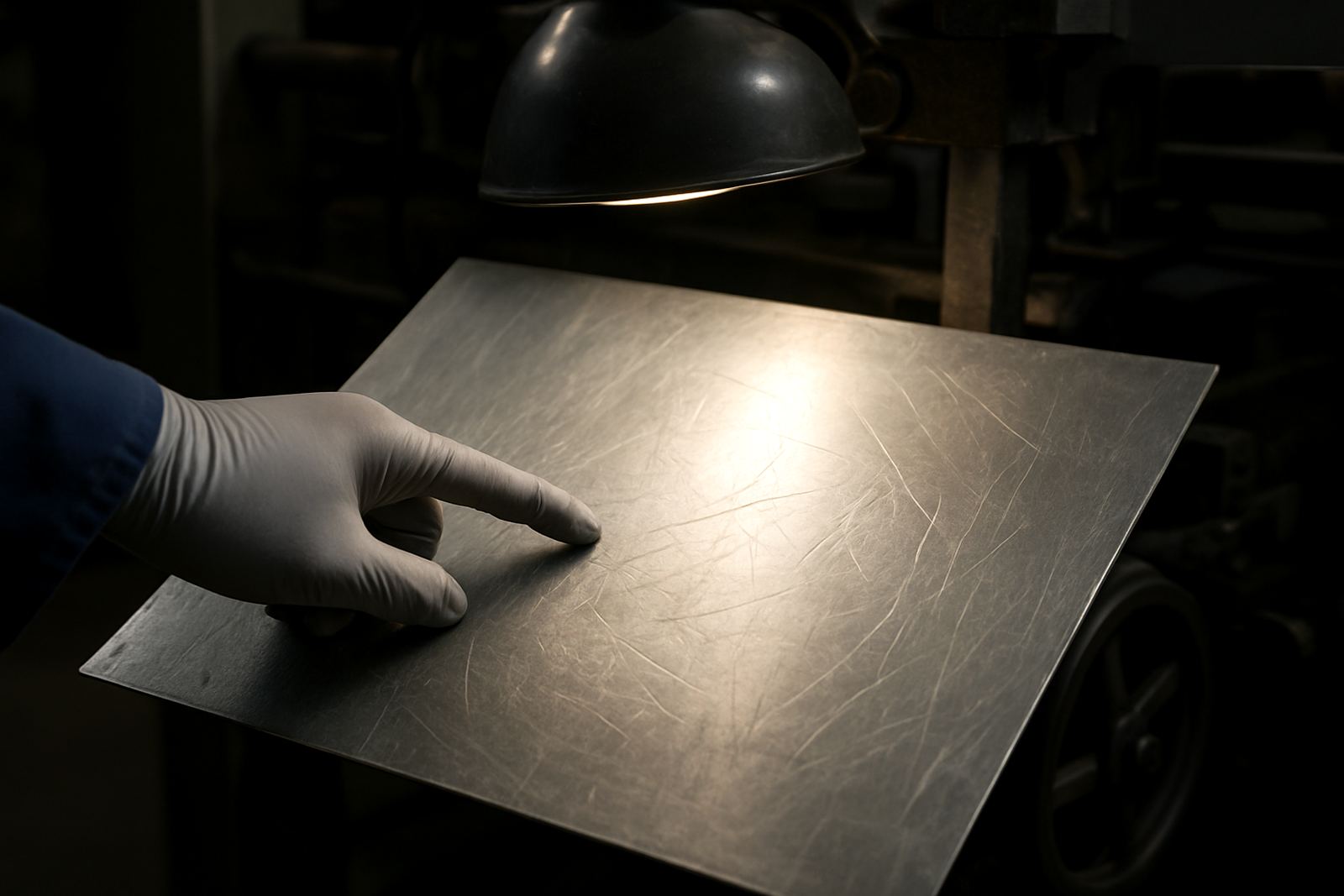
Use a light, even cleaning action and avoid aggressive scrubbing. For coated blankets, the goal is to lift contamination without roughening the surface. Where jobs change from dark solids to fine screens, inspect the blanket under good light. A small nick or uneven patch can throw off the whole sheet if it is missed. In humid areas near Germiston or after long freight movements, blankets can also pick up grime faster than expected, so regular assessment helps.
- Check blanket tension and surface feel after wash-up.
- Replace worn cloths before they start leaving lint behind.
- Wipe the blanket area dry where residue tends to sit.
- Log recurring marks so the root cause can be traced.
Rollers need the right balance between cleanliness and protection
Rollers carry ink and moisture through the press, so they need to stay clean without being stripped dry or damaged by harsh handling. Too little cleaning leaves glazed deposits, while too much force can wear the roller surface and disturb ink transfer. That is why chemistry balancing and washer choice matter just as much as the hands doing the cleaning.
Operators should watch for signs like slow ink response, uneven laydown, squeal during rotation or a glazed shine on the roller train. If you are seeing repeated issues after wash-up, the problem may be the cleaner strength, the contact time, or the cloth not lifting residue properly. This is often where a quick process adjustment saves a larger stop later on.
- Use cleaner only as recommended for the roller material.
- Do not leave rollers sitting wet for long periods.
- Inspect for glaze, swelling or uneven wear after cleaning.
- Keep a separate routine for heavy ink colours and lighter house colours.
In summer, pressrooms can run warmer and cleaners flash off faster, so the same method may need a small adjustment. That is normal, and it is better to adapt early than force the machine to compensate later.
Choose wash areas carefully to cut risk and improve safety
Not every area of the press needs the same level of wash-down. Focus on the blanket, rollers, ink trays, feeder area and any point where build-up can drop back into the run. Avoid unnecessary wetting of electrical points, sensors and control faces. A clean pressroom is useful, but over-washing can create slip risk and can also push solvent smell through the room for longer than needed.
A tidy wash-up area counts as much as the wash. Keep cloth bins covered, empty waste regularly, and store chemicals in their proper cabinet or bunded area. In many Johannesburg plant rooms, the real problem is not the cleaner, it is the trail of drips and rags left behind after the job. That is where accidents start.
- Keep walkways dry and clear after each wash-up.
- Store solvents and cleaners away from ignition sources.
- Use gloves and eye protection for the product being handled.
- Dispose of contaminated cloths according to site rules.
Set up your wash-up process around stops and changeovers
South African production schedules are often disrupted by late deliveries, file changes or sudden job swaps. That makes wash-up timing more important than ever. If a press is going to sit idle, it should be left in a condition that protects rollers, blankets and plates from drying residues or contamination. If the team is moving straight into the next job, then the wash-up needs to be thorough enough to avoid carry-over.
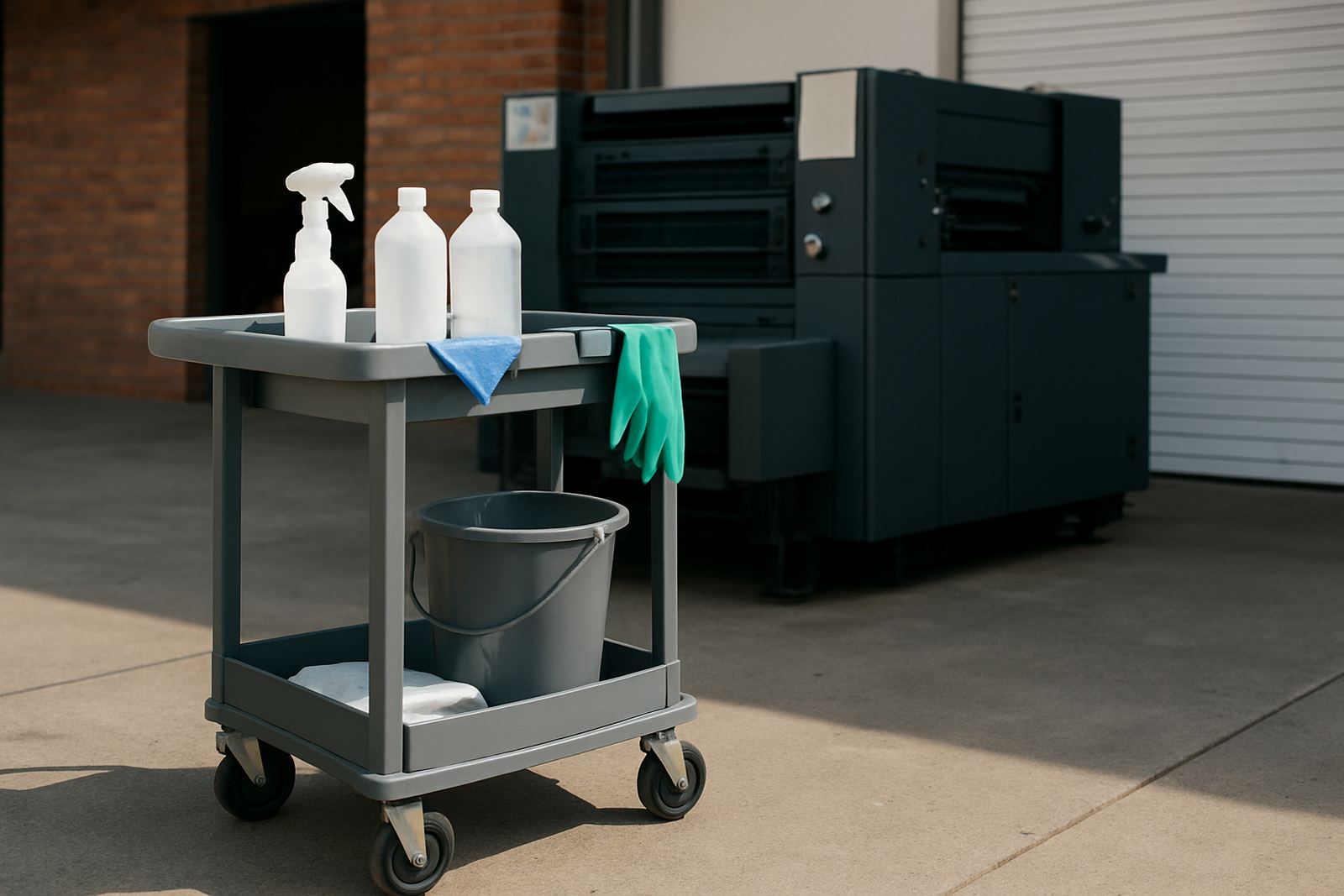
When the print window is uncertain, plan cleaning tasks around it. Keep the correct cloths, cleaner and spare consumables close to the press so the operator does not waste time searching. A good pre shift check also helps. If a job is likely to change fast, the team should know which areas need full cleaning and which can be left for the next break, without compromising quality.
For example, a print shop in Randburg that runs mixed work from morning to evening may need a faster turnaround than a plant handling larger repeat orders in Roodepoort. The point is not speed alone, it is knowing where you can save minutes without building problems into the next run.
Use checks and training to keep standards steady
Best practice only lasts if everyone follows the same standard. Train operators to recognise what a clean blanket looks like, how a proper roller wash feels, and when the press area needs more than a quick wipe. Short refresher sessions work well because people forget small details when production gets busy. A single missed step can show up as scumming, set-off or colour drift on the next sheet.
Simple checks make a difference. Keep a wash-up checklist at each machine, with notes for cleaner type, cloth change points, and any recurring faults. If a press keeps showing the same mark after cleaning, do not keep repeating the same routine and hope for a better result. Investigate the cause, whether it is the chemistry, the blanket, the roller condition or the handling method.
That is where practical support helps. A production team that understands plate handling, blanket assessment and chemistry balancing is more likely to hold quality through a full shift. The cleaner the wash-up discipline, the less time is lost to chasing avoidable print defects.
What a better wash-up routine delivers in daily production
A good wash-up routine pays off in fewer stoppages, less spoilage and better consistency across the run. It also protects expensive consumables. Blankets last longer when they are cleaned correctly, rollers respond better, and operators spend less time fighting preventable faults. Over a month, that can make a real difference to production cost and press uptime.
For printrooms across Johannesburg, Pretoria and the wider Gauteng area, the goal is practical: keep the press clean enough to run well, but not so aggressively handled that parts wear out early. That balance is what separates an organised operation from one that is always chasing the next problem. If your team gets that right, the press starts the next job in better shape every time.