Start the shift by clearing yesterday's carry-over
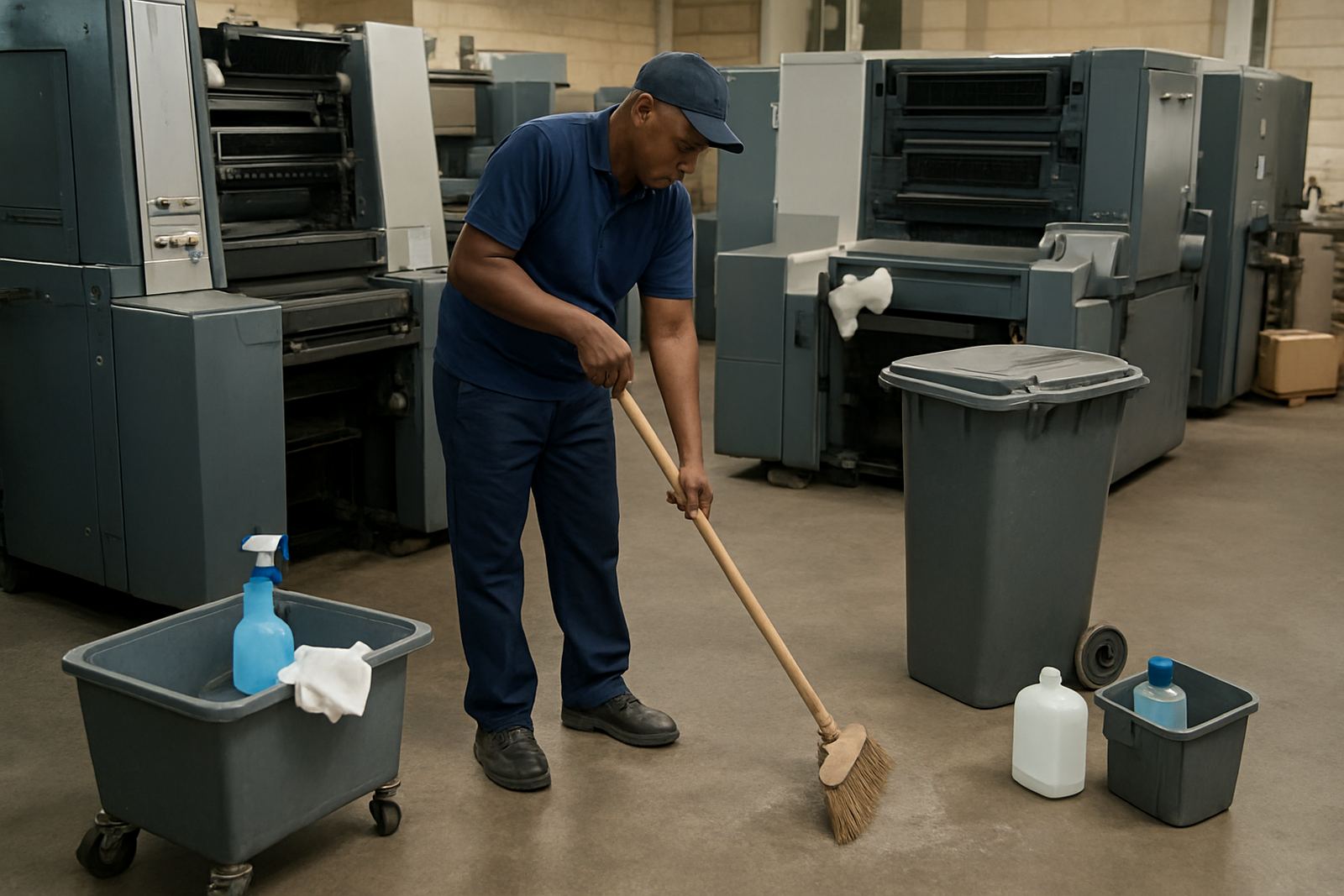
The first 10 minutes of the day set the tone for the whole shift. Before the press is brought up to speed, check for leftover paper dust, offcuts, empty ink tins, tape, rags and loose cartons around the machine and the plate handling area. In busy plants around Industria West or Germiston, these small items build up quickly and they tend to end up where they should not, under wheels, around sensors or next to a wet floor.
A clean start also helps with safety. Operators can spot leaks, missing tools and worn consumables before production begins. If the floor is swept, the wash area is clear and the next job ticket is ready, the team spends less time looking for things and more time making good sheets.
- Empty waste bins before they overflow
- Wipe down common touch points like handles and control panels
- Keep plate boxes and blankets in marked storage spots
- Check for leaks under the press and around the processor
Keep plate handling tidy from the plate room to press
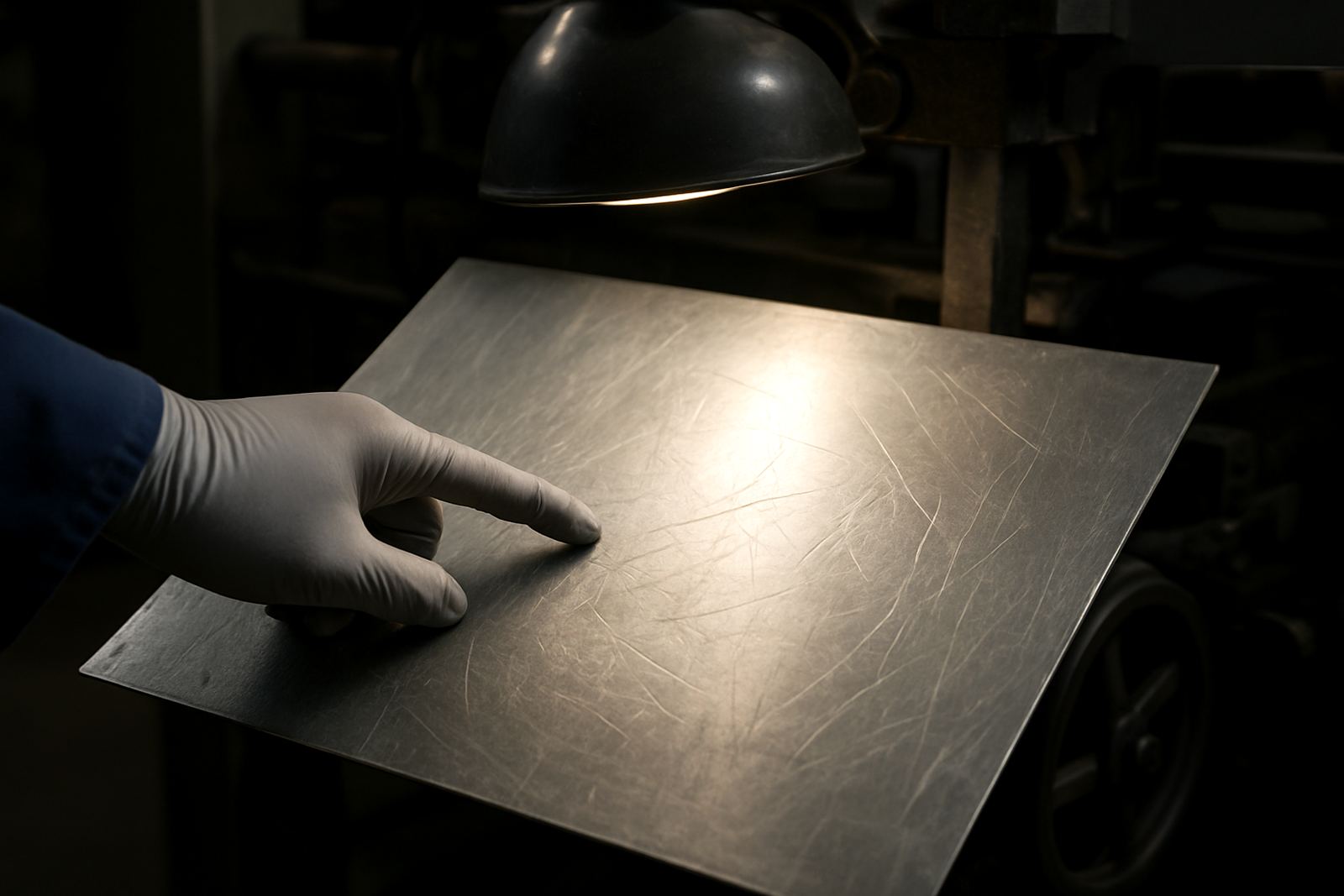
Most plate damage happens between the plate room and the press, not on the machine itself. Finger marks, scratches, bends and dust can all affect consistency once a plate goes on press. Simple handling discipline makes a real difference, especially where teams are working on tight turnaround jobs and a late plate delivery has shifted the day by an hour or two.
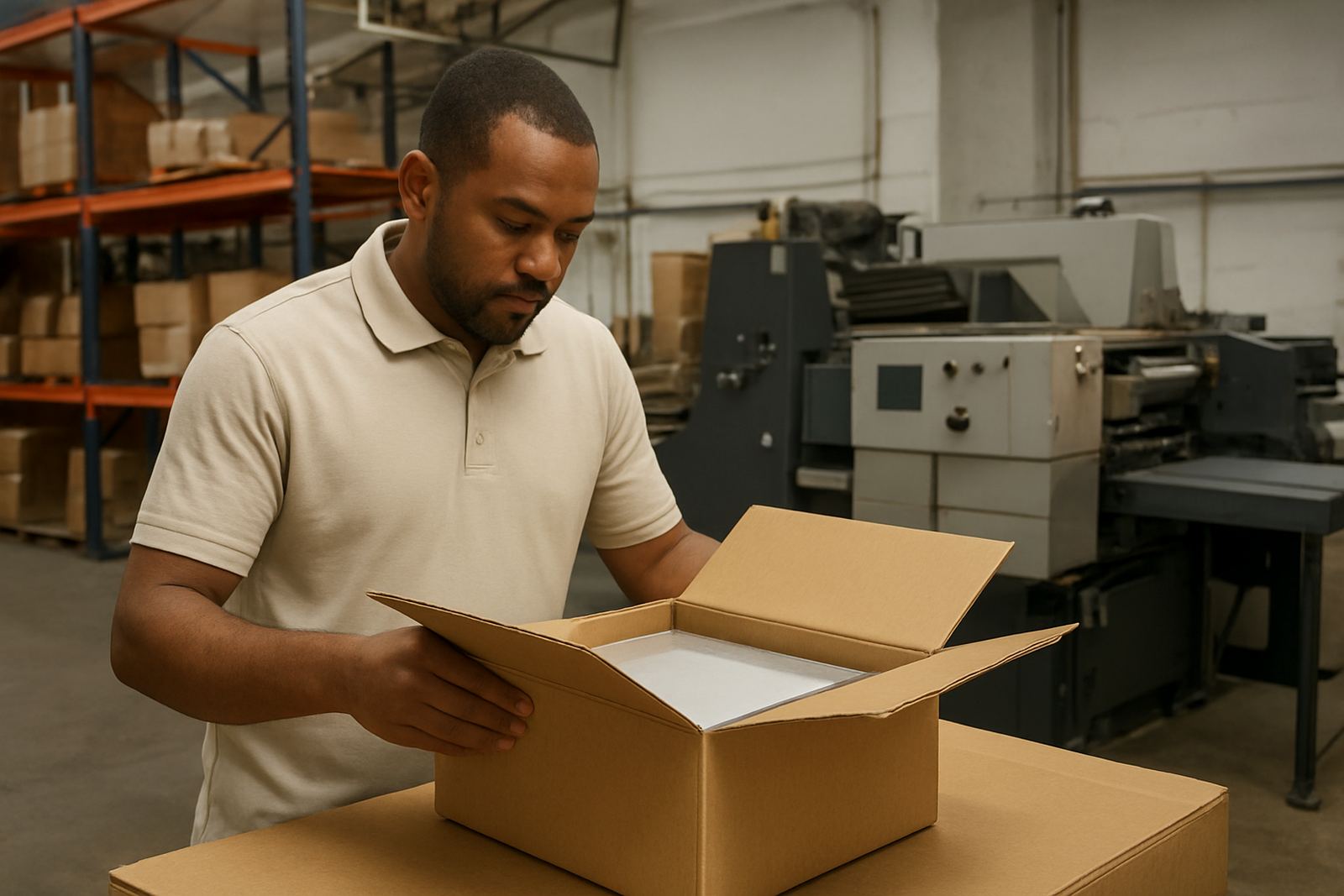
Plate handling training should cover how plates are carried, stacked and labelled. Use clean gloves, keep cutting edges protected and never place plates directly on a dirty bench or pallet. If a plate is dropped or has a visible mark, separate it immediately so it does not reach the press by mistake.
- Store plates flat and off the floor
- Label jobs clearly to avoid mix-ups
- Keep trimming and packing areas free of dust
- Inspect plates under good light before mounting
Balance chemistry before it starts costing you sheets
Pressroom cleanliness is not only about what you can see on the floor. Chemistry that is out of balance can create scumming, dirty rollers, unstable colour and extra wash-up time. That means more stop-start running, more waste sheets and more cleaning than necessary. In a humid storm week the issue can show up in a different way to a dry winter morning, but the result is the same: poor control.
Daily checks should cover mix strength, top-up levels and contamination. A quick test before the first run often catches a problem before it affects the whole shift. If the same press keeps needing extra cleaning, the root cause may be the wash programme, the fountain solution or a processor issue, not the operator.
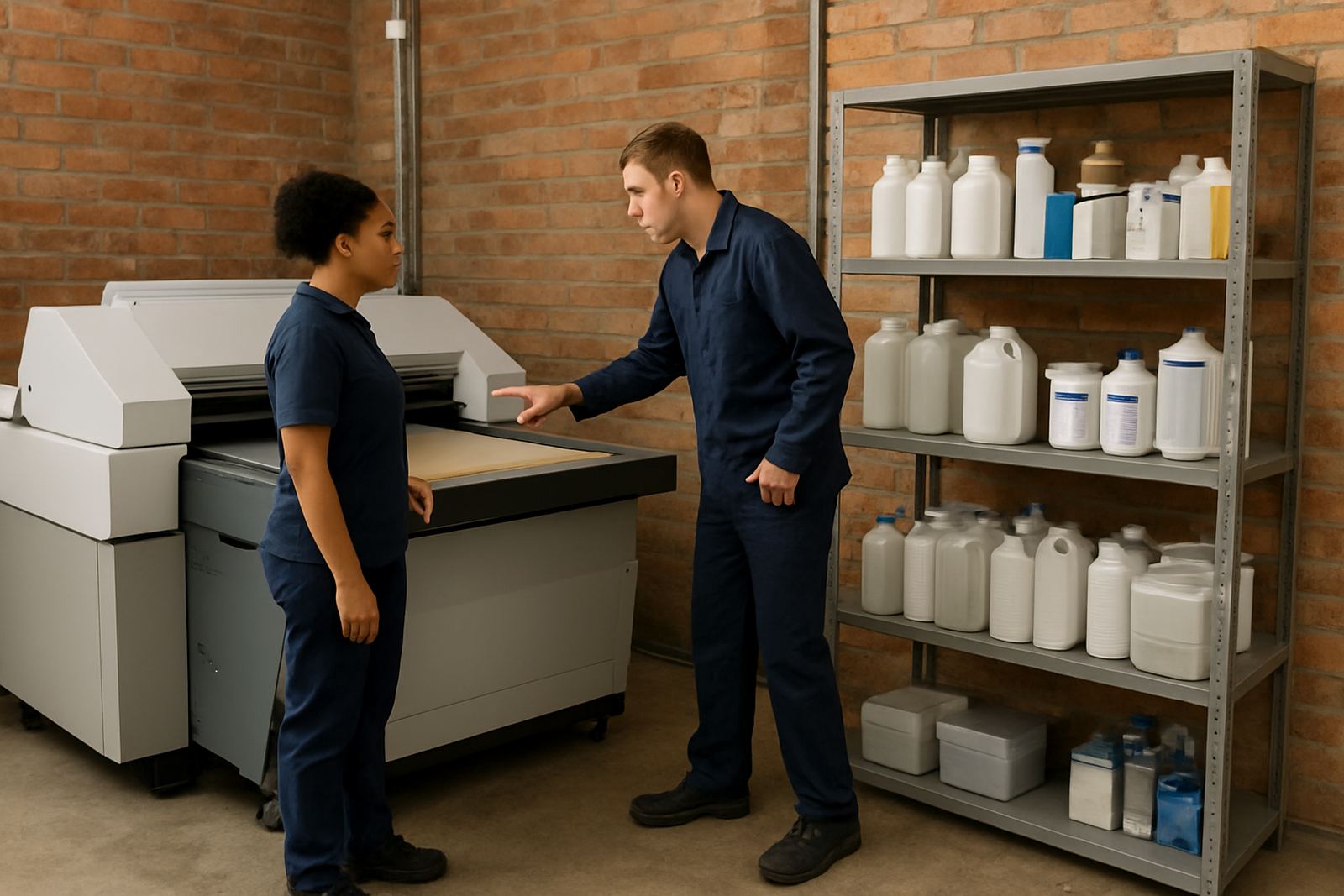
- Check chemistry levels at the start of every shift
- Log each reading so a drift shows up on paper
- Keep mixing containers and hoses clean
- Use the same measuring method every time
Treat blankets and rollers as daily control points
Blankets and rollers carry a lot of the pressroom load, so they should be checked every day, not only when print quality slips. Dust, paper lint and dried ink all affect transfer and can lead to patchy solids or hickies on sheetfed work. For finishing jobs, that kind of inconsistency shows up fast and it is often blamed on the wrong stage of production.
A short daily blanket assessment can prevent bigger damage. Look for cuts, swelling, glazing, build-up and uneven wear. If the blanket surface is dirty, do not just add more wash and move on. Check whether the wash programme is right for the stock and the ink being used, then confirm that the cleaning cloths are not leaving lint behind.
Common warning signs include:
- Repeated set-off in the same area of the sheet
- Uneven lay on solids or tints
- Frequent blanket wash-ups between similar jobs
- Visible dirt lines or trapped particles
Make wash routines short, consistent and practical
Good wash routines do not need to be complicated. They need to be regular. A press that is washed the same way each day is easier to keep stable than one that is only cleaned when things already look bad. This matters in busy facilities in Roodepoort, Midrand and Pretoria where teams may hand over shifts and the next operator needs a clear machine at once.
Keep separate cloths for ink, blankets and general wipe-downs. Do not let solvent containers sit open, and store cleaning materials away from heat and sparks. If the floor near the press gets slippery after a wash, the routine needs adjusting because a cleaner pressroom is not useful if people are slipping around in it.
- Use a set sequence for each press
- Replace dirty cloths before they spread residue
- Dispose of used materials in covered bins
- Check that runoff does not pool near walkways
Plan supply so cleaning never falls behind production
Many pressrooms run into trouble because cleaning supplies are treated as an afterthought. If wipes, chemistry, gloves or wash materials run out on a Friday afternoon, the team starts improvising and standards drop fast. Good supply planning keeps the work area cleaner and prevents the sort of patchy housekeeping that develops when people are sharing the last box of materials between lines.
Set minimum stock levels for the items used every day and review them against actual consumption. It also helps to assign responsibility clearly. One person should know what needs topping up, who checks the levels and when the next delivery is due. That is especially useful where production runs across multiple sites or where deliveries have to move between Industria West, Randburg and the eastern side of Gauteng.
For better control, keep a simple daily checklist for:
- Plates and plate storage
- Chemistry levels and top-up needs
- Blankets, wipes and cleaning materials
- Waste removal and floor condition
A cleaner pressroom pays off in fewer stops
The best daily routines are the ones people can actually keep up. A pressroom does not have to look like a showroom, but it should be orderly enough that faults are easy to see and waste is easy to control. When operators know where everything belongs and cleaning is part of the shift, not an extra chore, production becomes steadier.
In a Johannesburg plant running a mix of offset and finishing work, a few minutes spent on housekeeping each day can prevent a full hour of lost production later in the week. That is the practical value of a cleaner pressroom: fewer surprises, better colour stability and less rework.