First Check: Paperwork Against Pack Count
Before any boxes are opened, compare the delivery note with the order and your internal receiving record. Check the plate type, size, gauge, coating, quantity and batch reference if it is supplied. In busy yards across Industria West, Roodepoort and Midrand, stock can move quickly from receiving to store room, so it helps to have one person responsible for the count and one person signing off the condition.
Count cartons, packs and loose bundles carefully. If a shipment is meant to contain 40 packs of plates and only 38 arrive, note it immediately on the consignment note. If there is visible damage, write it down on the carrier paperwork before the driver leaves. Doing it at receiving avoids a dispute afterwards.
- Match product code, size and coating to the order
- Check quantity against the invoice and delivery note
- Record shortages, over deliveries and damaged packs on receipt
- Keep a signed copy for your accounts and production files
Look for Moisture, Bends and Edge Damage
Printing plates are sensitive to handling and storage. Even when the carton looks fine from the outside, the inside packs can show corner crush, bowed sheets or scuffing from poor stacking. In Gauteng, where rain can come through during the afternoon and warehouse doors stay open for loading, moisture checks matter just as much as count checks.
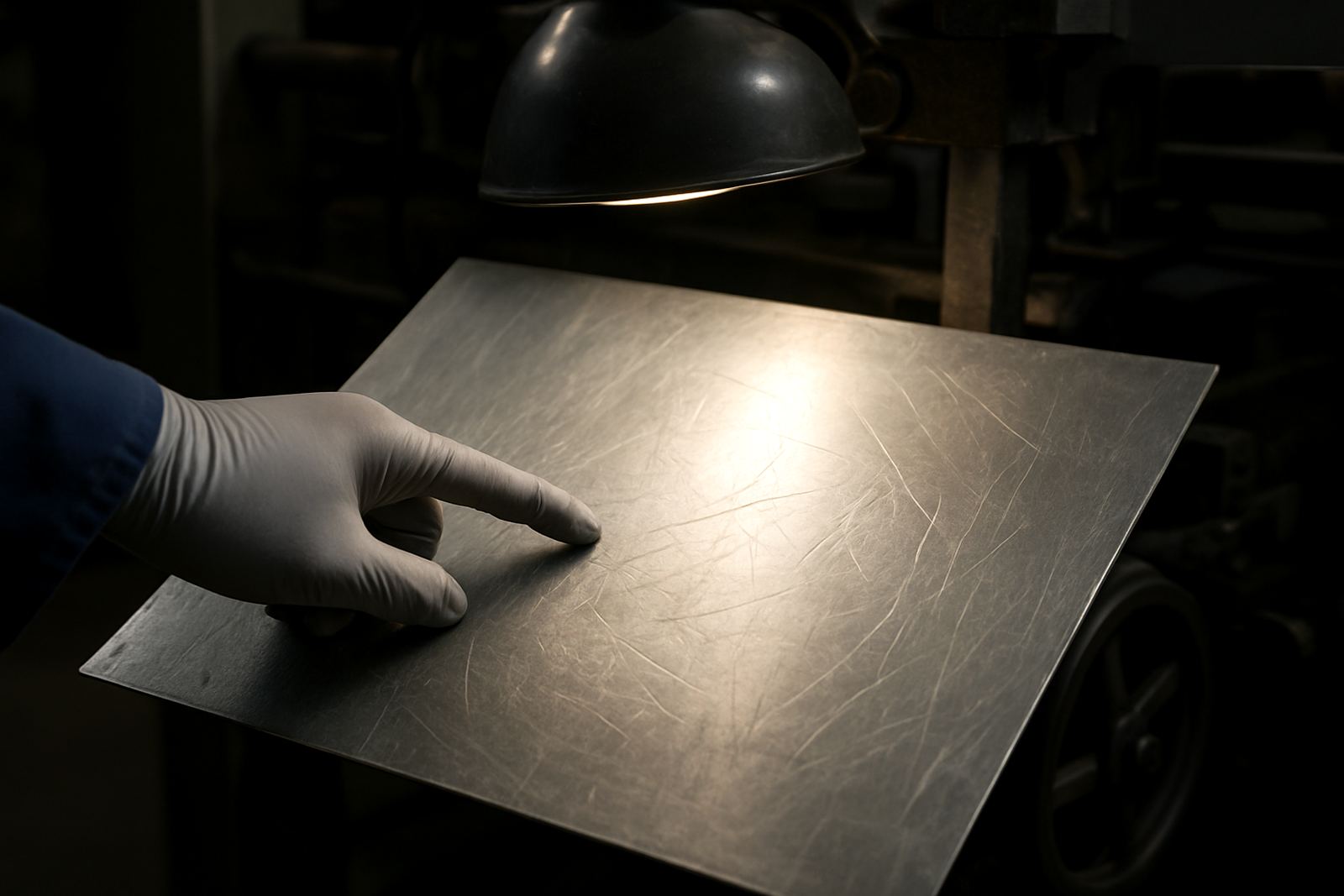
Open one or two cartons from each pallet and inspect the outer plates first. Look for water marks, curled edges, dents, scratches and any sign that the wrapping has been split. If the plates have been delivered into a hot truck or kept near direct sunlight, let them acclimatise in a clean dry area before final use.
- Inspect corners for crush or pressure marks
- Check for curling, waviness or plate bow
- Look for fingerprints, dust or pack contamination
- Reject or isolate any pack with water ingress
Verify Plate Size, Thickness and Surface Finish
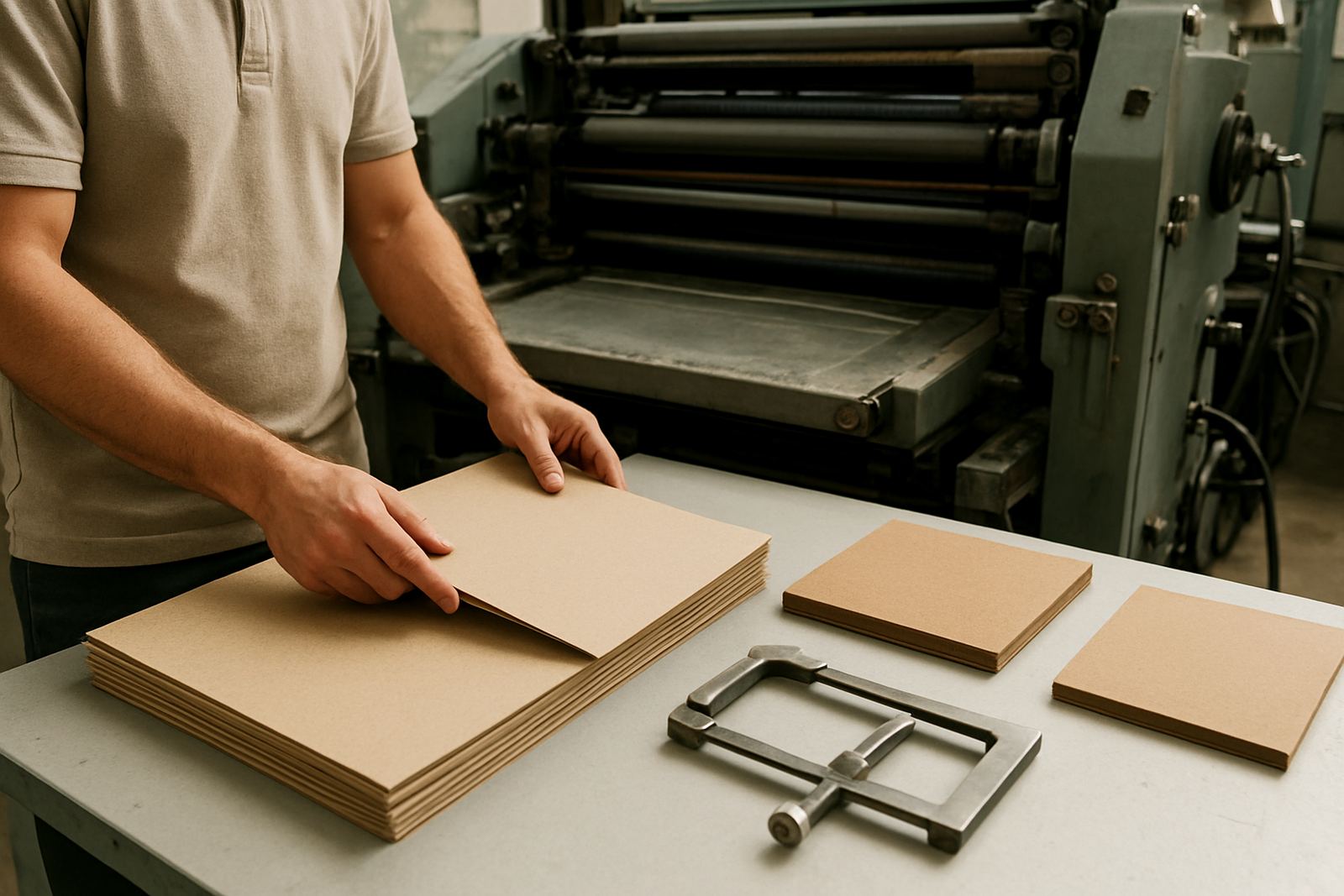
One of the most common receiving problems is a plate that looks correct at a glance but is wrong for the job. A few millimetres can affect clamp fit, registration and waste on press. Measure a sample from each batch, especially if you are running different press formats or separating work between litho and finishing lines.
Check that the plate thickness matches your press requirement and that the surface finish is consistent across the pack. If you run work for commercial print in Pretoria or packaging jobs in Germiston, consistency is important because setup time is often tight and machine stoppages cost money. Use a clean ruler or gauge and keep a written record by batch number.
- Measure width and length from a sample pack
- Confirm thickness for the press and processor setting
- Check coating consistency across multiple sheets
- Set aside any plate that looks out of spec
Keep Chemistry and Plate Stock Aligned
New plate stock does not work in isolation. It has to suit the chemistry, processor settings and pressroom conditions on site. If the wrong processor chemistry is used, you can end up with weak image areas, staining or poor development. That is why every receiving check should link back to the production environment and not just the label on the box.
For sites in Johannesburg City West and surrounding industrial areas, a practical receiving routine is to log the batch and then confirm the matching developer, replenisher and wash programme before the plates are issued. If your team has just changed suppliers or adjusted press speed, make sure the technical team is informed so they can watch for first-run changes.
- Log batch numbers with the chemistry used on site
- Check expiry dates or storage limits where shown
- Confirm that plate stock matches the processor setup
- Alert production if a new batch needs test runs
Store Plates Correctly Before They Reach the Press
Good stock can still be wasted by poor storage. Plates should be moved straight to a clean, dry and stable area, away from floor moisture, open solvents and heavy traffic. In older warehouses around Randburg and Industria West, it is common to see stock stacked against a wall with no airflow. That is not ideal, especially where temperature swings and humidity can affect condition.
Keep cartons flat on pallets, not directly on concrete. Leave space for air movement and avoid stacking too high. If the yard is dusty, try not to leave receiving doors open longer than needed. A short lapse in control can bring in dust and moisture, and that affects the next shift.
Simple storage rules for new plates:
- Dry storeroom, even temperature
- Pallets, not bare floor, for every pack
- Do not open more stock than needed for the shift
- Label batch dates so older stock moves first
Tightening the Receiving Process
A mid-size print shop in Midrand received a mixed pallet of plates on a Thursday afternoon while the team was preparing for a Friday morning start. The outer packaging looked fine, so the temptation was to put the stock straight into the store room. One receiving check found two corners crushed, a small moisture mark on one carton and one pack that was the wrong size for the job. Because the team checked before signing off, they separated the affected stock, phoned through the issue and kept the rest of the run on track.
A delivery check earns its keep right there. It does not slow production down, it protects it. A few minutes at receiving can save hours of make-ready time, plate remakes and press waste later on. If your site handles regular deliveries across Pretoria, Roodepoort or Germiston, build the check into the handover every time so it becomes part of normal work rather than an extra task.
When the process is consistent, the press team gets cleaner stock, fewer surprises and better control over production from the first run.