Why UV offset needs a different consumable mindset
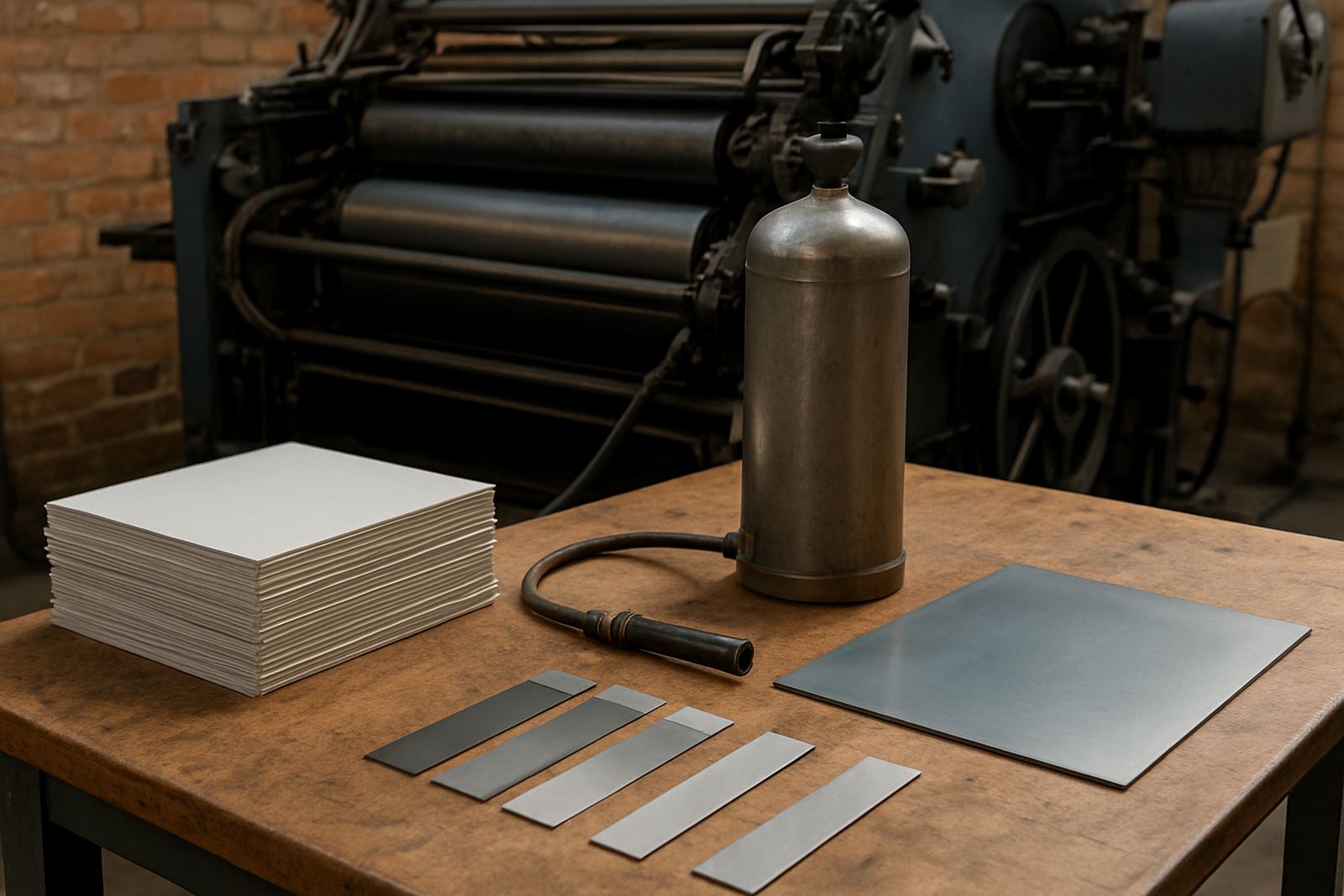
UV inks cure fast, which is useful on short turnarounds and coated stocks, but it also means the pressroom has less room for error. A plate that performs well in conventional work may still show dot gain, scumming or dirty non-image areas when UV chemistry and blanket conditions are not right.
For South African printers, the practical issue is usually consistency. Winter mornings in Johannesburg, summer humidity and heavy dust around industrial areas all affect how plates, blankets and wash-up systems behave. If you want fewer interruptions, the consumables must be matched to the way the press is actually run, not only to the spec sheet.
- Check whether the plate is suited to UV ink and your plate processor settings.
- Keep blanket condition under review, especially where fast turnaround work is common.
- Allow for dust control and storage conditions in hot or humid rooms.
Plate handling and chemistry control at press speed
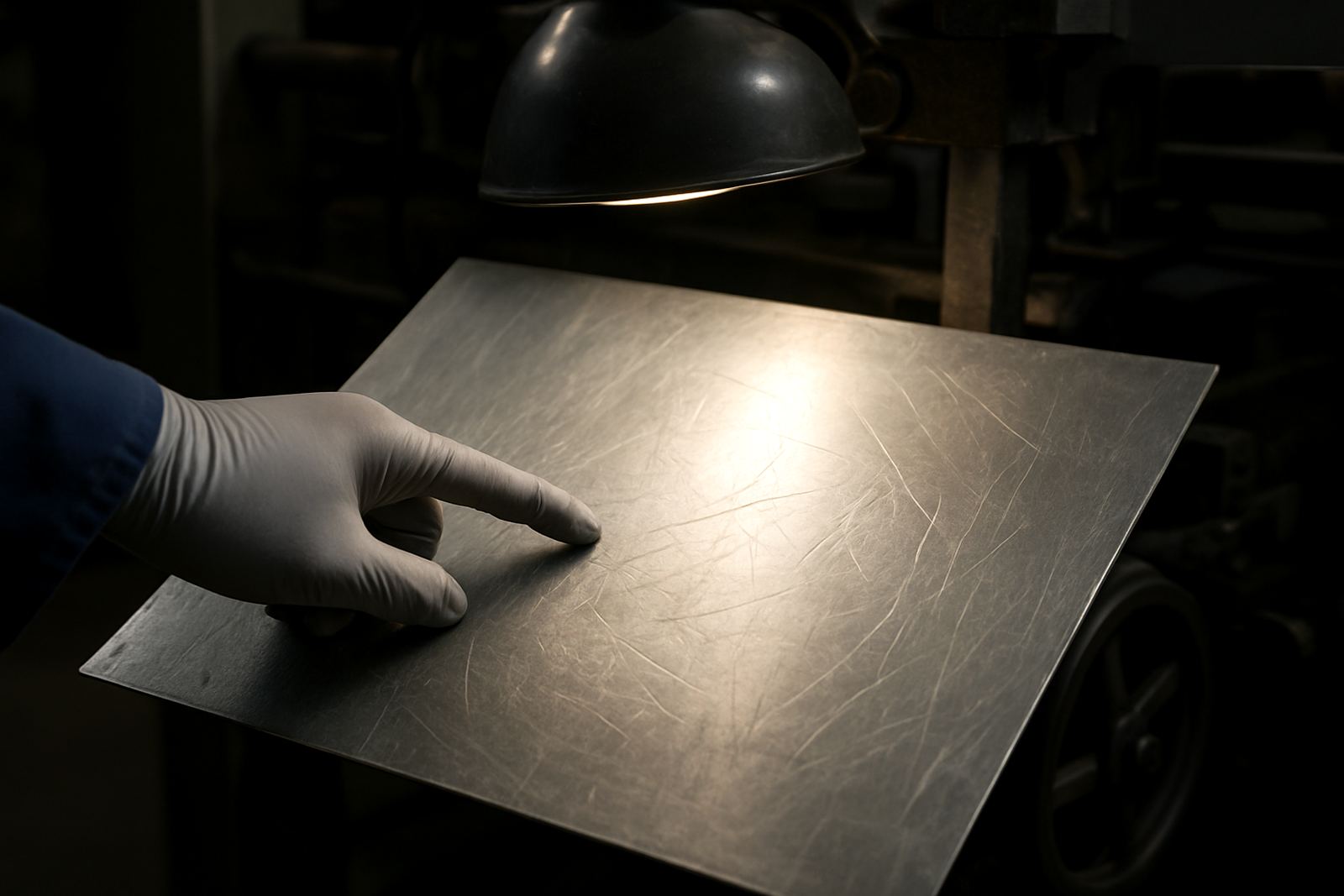
UV work tends to punish poor plate handling. Finger marks, poor desensitising, or inconsistent processing can show up quickly on press as toning or unstable solids. If plates are not rinsed and dried properly after processing, chemistry carryover can also affect the plate surface and shorten useful life.
In many South African shops, the first warning sign is not a dramatic breakdown but small changes in plate cleanliness across the run. A plate that looked fine on make-ready may start to lose water balance after the first few hundred sheets. That is why plate selection, chemistry balancing and processor servicing should be checked together, not one at a time.
- Keep processor temperature and replenishment under regular review.
- Record wash-up and plate cleaning practices for each shift.
- Replace worn rollers, filters and pumps before quality starts drifting.
Blankets, substrates and the UV ink interface
Blankets in UV offset need close attention because cured ink build-up and aggressive wash programmes can harden the surface over time. Once a blanket starts to glaze or lose compression, you may see poor ink transfer, pin-holing, or set-off issues that are blamed on the press but actually start at the blanket.
Paper and board selection matters too. Many local printers run coated boards, self-adhesive stocks, and packaging grades that behave differently under UV lamps. A blanket that performs well on commercial sheet work may not be the best option for heavier packaging or spot varnish jobs, so blanket assessment should be part of routine pressroom planning.
- Inspect blankets for swelling, surface cracking and image ghosting.
- Match blanket type to the job mix, especially if switching between finishes.
- Use the correct wash programme so the blanket does not harden too early.
Press startup checks that prevent waste
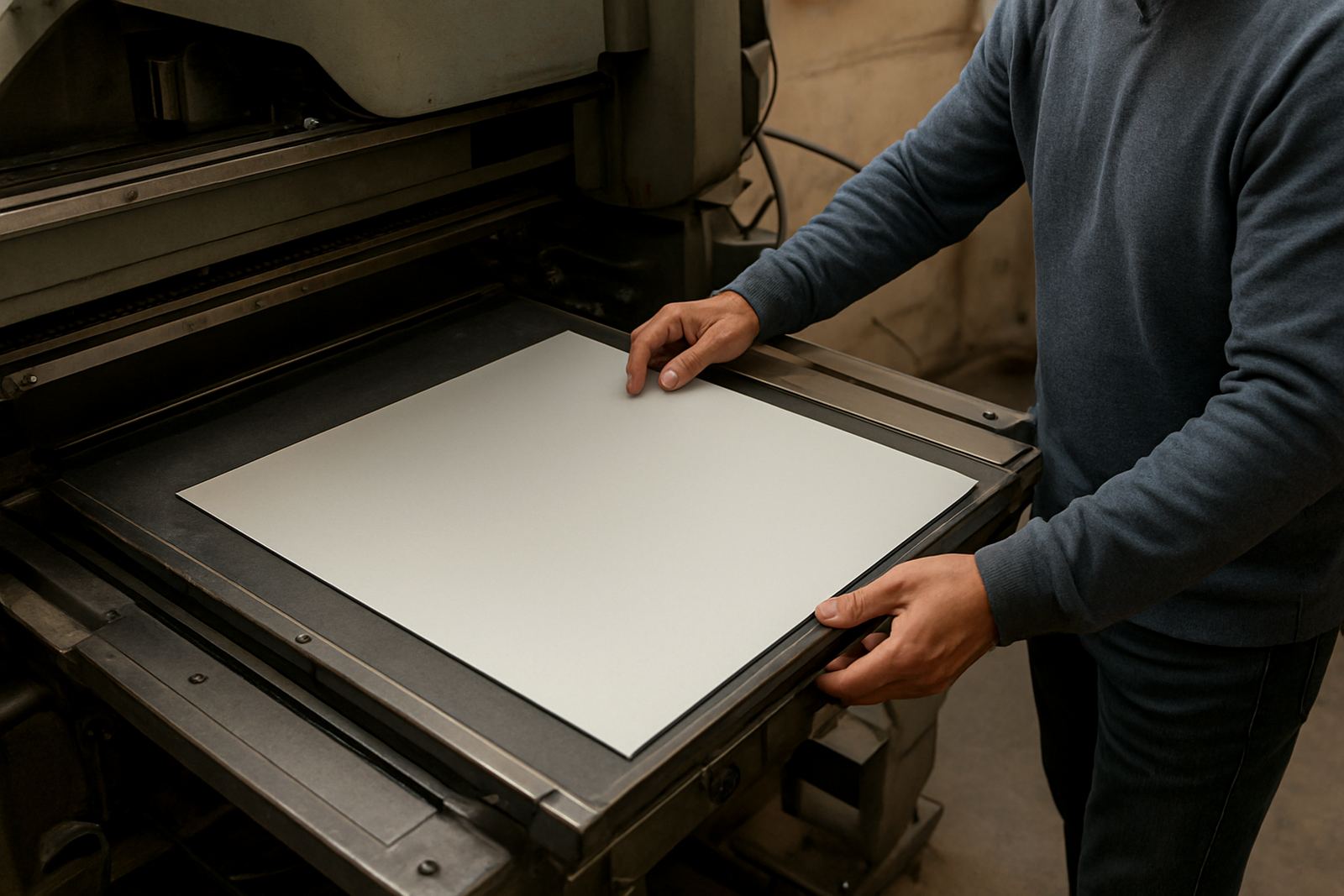
UV print jobs often start under time pressure, which is exactly when shortcuts cause the most waste. Before start-up, check plate alignment, blanket condition, roller settings and lamp readiness. If one area is off, the press may still run but the first 200 sheets can disappear fast.
For a shop in Industria West or Roodepoort handling same-day commercial work, that wasted start-up can affect the full schedule. Good press startup help is not only for big breakdowns. It is about setting the press correctly before the first sheet goes through, then keeping an eye on colour stability through the run.
- Confirm all unit settings before loading expensive UV stock.
- Pull sheets early, midway and late in the job to compare colour.
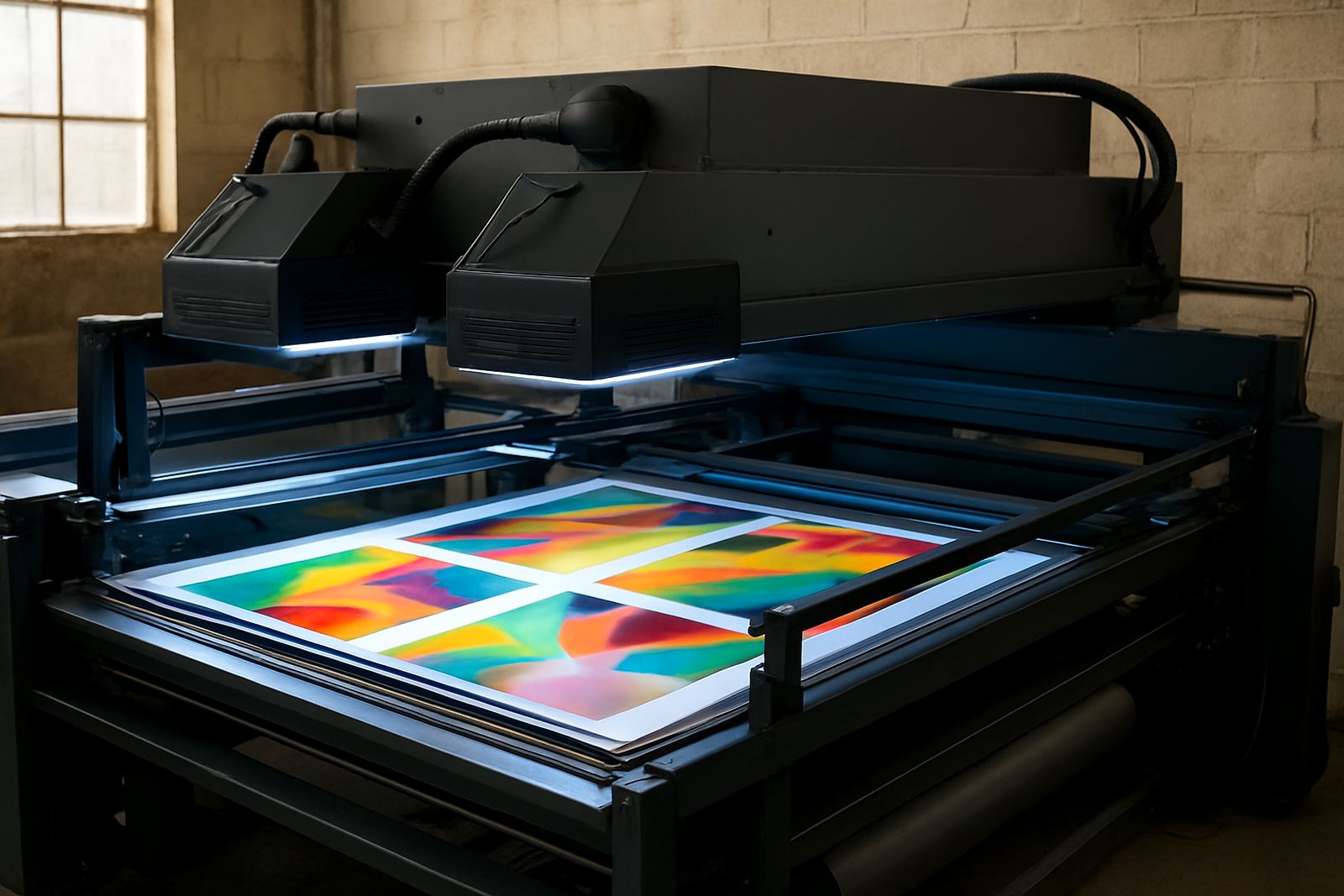
- Allow for lamp warm-up and curing checks before full production.
Controlling the room through Highveld seasons
Environmental control is often overlooked until a problem starts. In dry areas around Johannesburg, static can affect sheet handling and dust can settle on plates and blankets. In the rainy season, the opposite issue is moisture, which can upset drying, storage and wash performance. Both conditions influence UV output in different ways.
That is why supply planning should account for season, location and storage space. Plates, chemistry and blankets should be kept in clean, temperature-stable conditions where possible. On the production floor, simple habits like sealing containers properly and keeping wash-up materials away from open dust can prevent avoidable pressroom trouble, and it saves money as well.
- Store plates and chemistry away from heat, sunlight and damp walls.
- Keep the pressroom clean around loading and cleaning stations.
- Review stock levels before month end so critical items do not run out.
Practical support for shops running UV work nationwide
UV print environments reward shops that treat consumables as part of the production system, not as separate purchases. Plate selection, chemistry balancing, processor servicing, blanket assessment and production troubleshooting should all be aligned to the same operating standard. That makes the work more predictable and helps avoid unplanned stoppages.
LithoPrinting Plates works with print businesses from Industria West, Randburg, Midrand, Germiston, Pretoria and beyond, supplying plate and pressroom materials nationwide. For a pressroom in Midrand handling packaging follow-ons, or a Johannesburg City West shop doing short-run commercial work, the right support can keep colour steadier and reduce waste across the week.
- Ask for help with plate handling training when new staff join the pressroom.
- Review wash programmes if blankets are hardening too quickly.
- Use colour stability checks to catch drift before the client sees it.