
Why packing sits at the heart of pressure setup
In offset printing, packing controls how much squeeze the blanket and plate see at impression. Too little packing and the press may not make clean contact. Too much and the image can crush, the blanket can wear fast, and fine detail starts to close up. On a busy job in Industria West or Roodepoort, that difference shows up in the first few hundred sheets.
Pressure setup is often blamed on ink, paper, plates or blanket condition, but the packing stack can be the quiet cause underneath it all. If the cylinder heights are correct but the packing is not matched to the stock, the press may still give poor transfer. That is why packing should be checked with the same care as chemistry balancing or plate handling, not treated as a quick cut and fit job.
What underpacking does to print transfer quality
Underpacking means there is not enough material under the blanket or plate to give the correct impression. The result is usually weak transfer, patchy solids and text that looks thin on one side of the sheet. In flexo and finishing work, similar problems can show up as poor laydown or uneven contact at speed. The machine may look fine, but the sheet tells a different story.
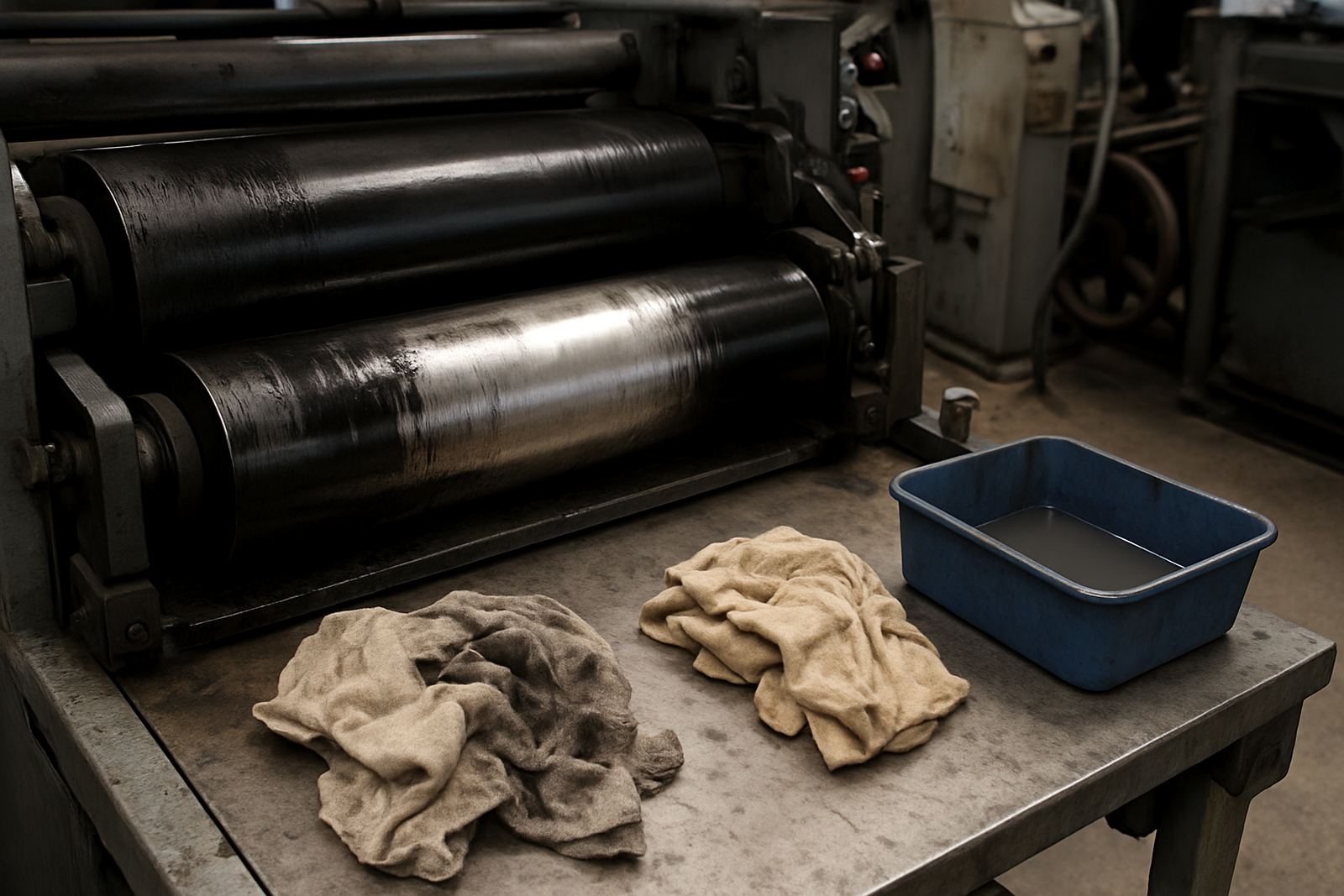
When the packing is too light, the pressman often increases impression to compensate. That can create a false fix. You may get a stronger image for a short while, but the extra pressure can cause dot gain, ghosting, faster blanket wear and even sheet marking. It also makes colour stability harder to keep once the job warms up or the stock changes. little issues like this can waste a lot of paper.
- Weak solids and broken highlights
- Uneven transfer across the sheet
- More blanket wear and premature polishing
- Higher risk of dot gain and image distortion
- Extra make-ready time on every changeover
Matching packing to stock, blanket and plate build
There is no single packing recipe that suits every pressroom. A heavier board on a packaging job needs a different pressure profile from coated work for commercial print. The blanket build, plate thickness, packing sheets and even the age of the impression cylinders all matter. If one part is out, the rest has to work harder.
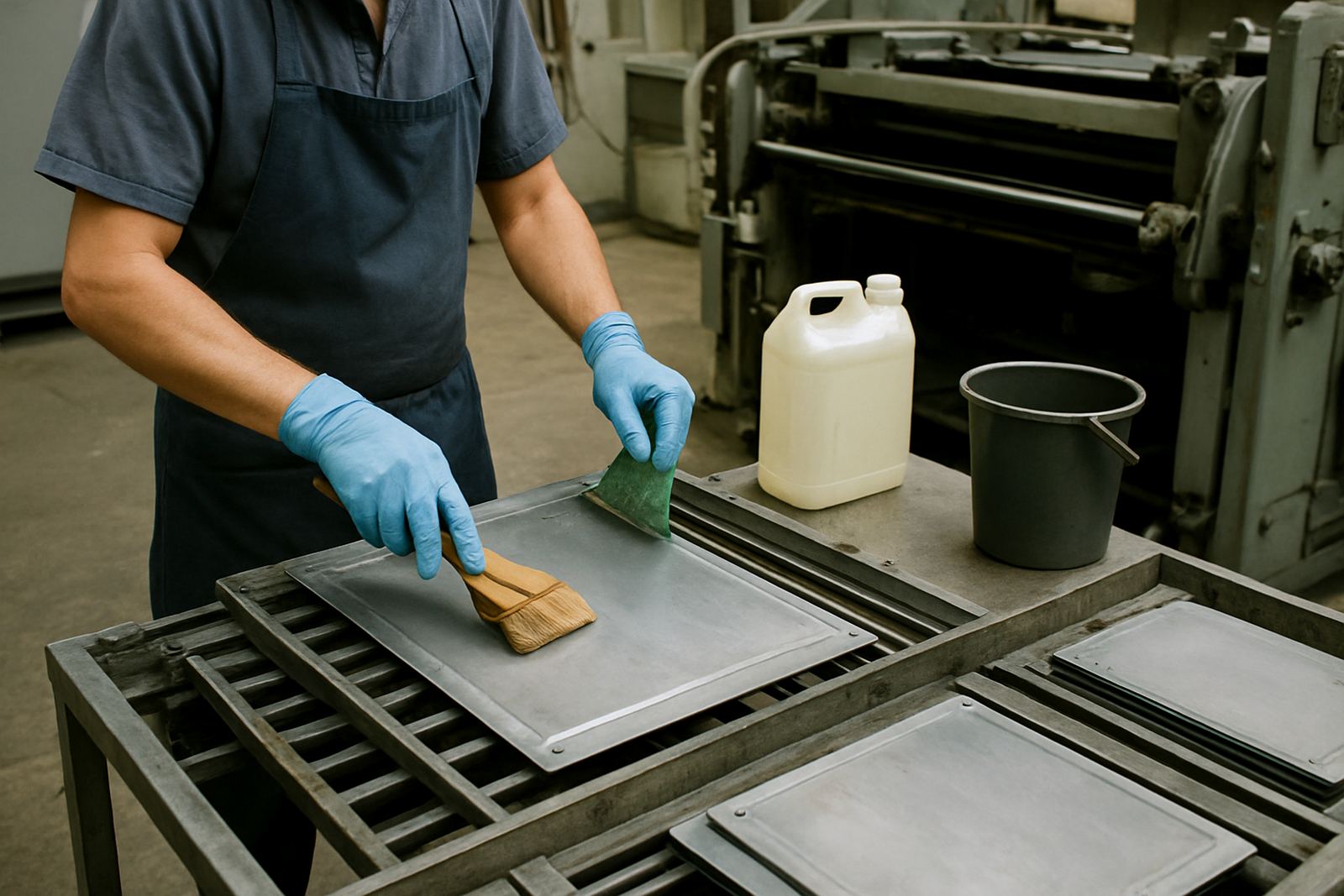
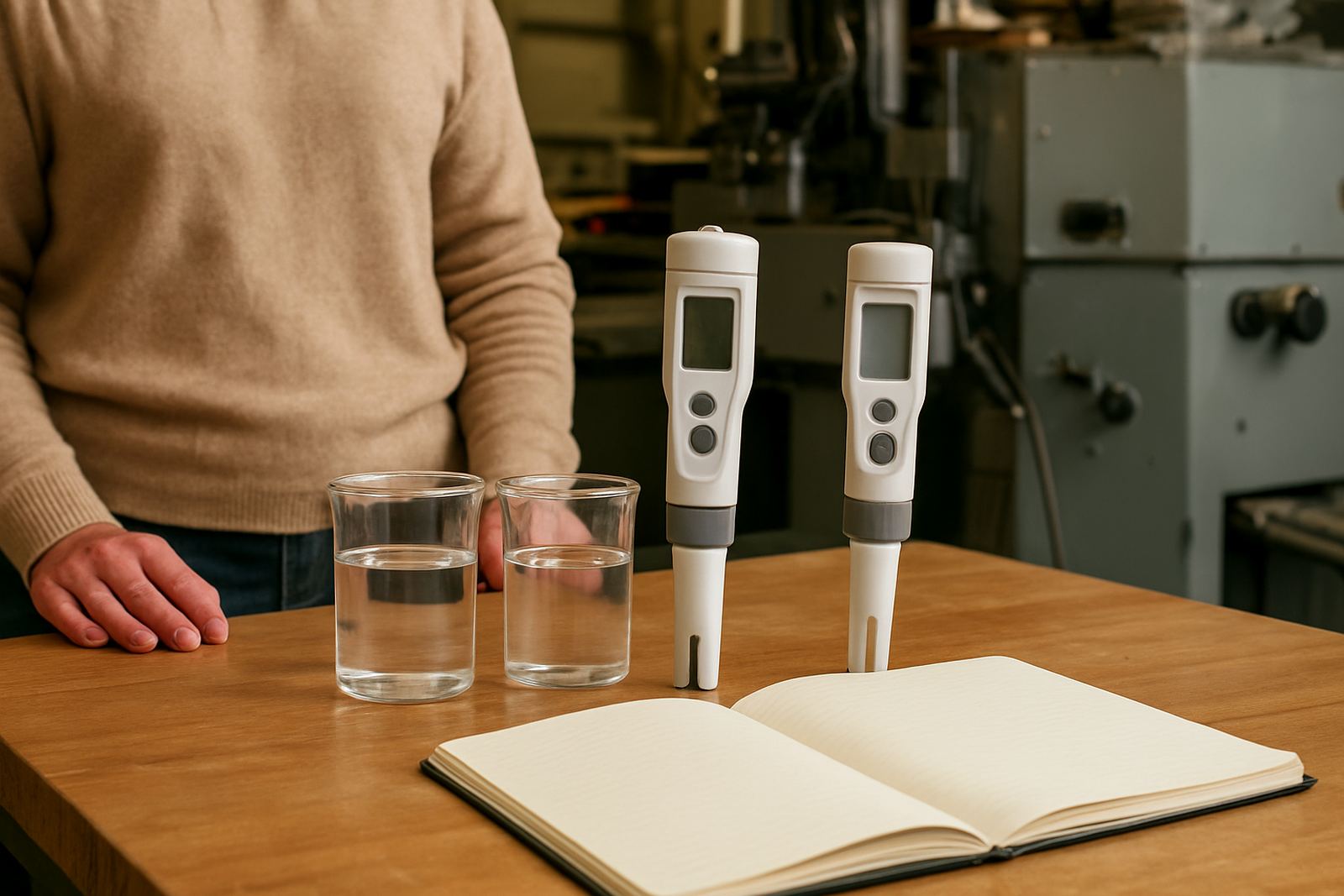
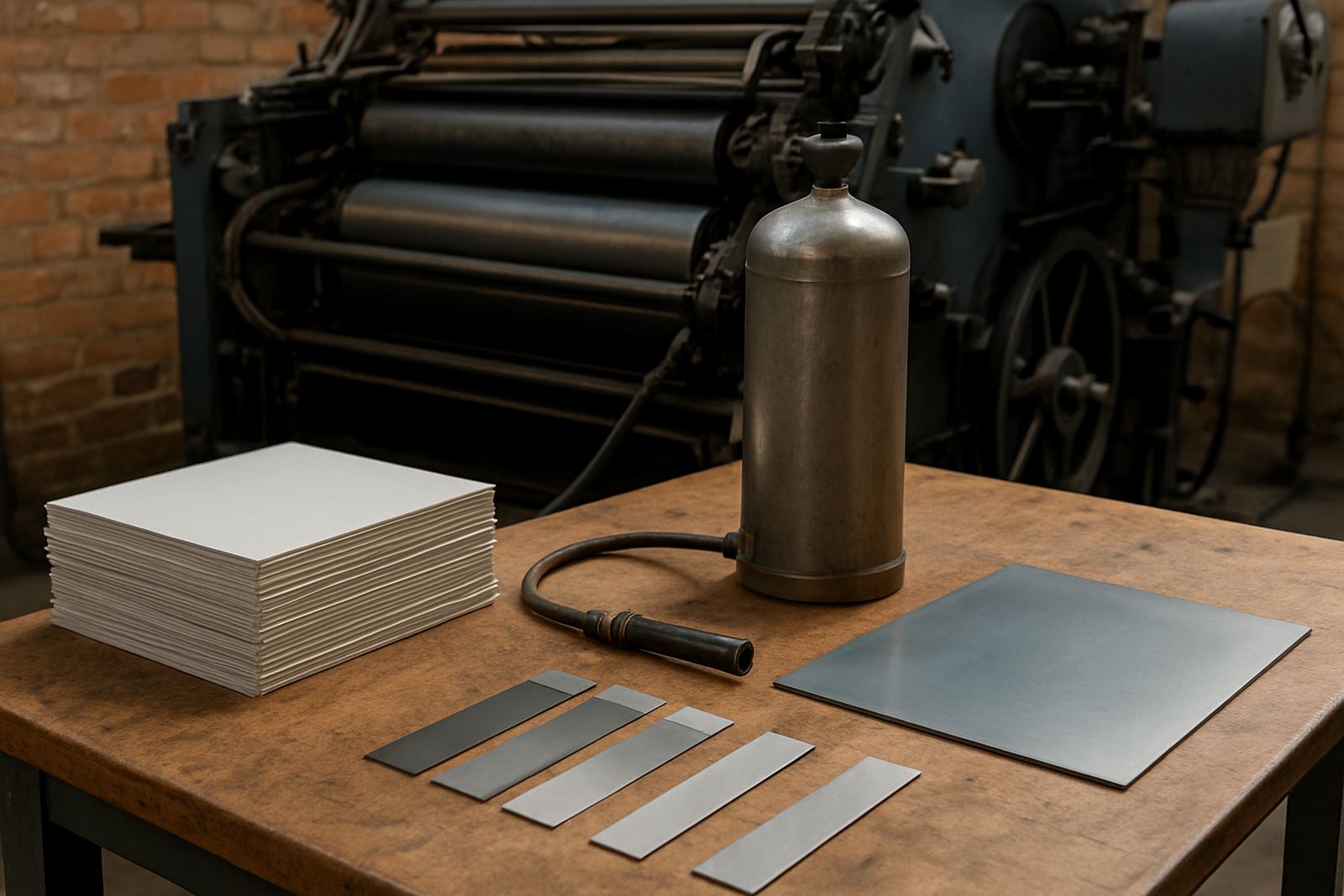
A proper packing check starts with measuring, not guessing. The press should be set with clean cylinders, correct blanket tension and known plate or blanket thickness. Then the operator can build the stack in small steps and test transfer on the actual stock. In humid conditions, especially around Johannesburg summer storms or paper deliveries from long-haul routes, stock movement can also affect the reading, so the final check should be done on the same paper that will run the job.
- Confirm plate and blanket thickness before adding sheets
- Use accurate gauge checks on both sides of the cylinder
- Test with the real stock, not a substitute
- Recheck after the first production restart
Signs the packing stack is wrong on press
The crew on the press tends to spot it first. The press may need more impression than normal, the first unit may print differently from the last, or the image may look better at slow speed than at production speed. If colour holds in one area and fades in another, packing should be one of the first things checked.
Another clue is repeat trouble after plate changes or blanket changes. If the same run keeps coming back with transfer issues, the problem may not be the chemistry or the plates alone. It could be that the pressroom has built a habit around the wrong packing thickness, then keeps chasing the job with ink keys and impression settings. That is a costly way to run, especially when municipal turnaround times and delivery windows are tight.
From make-ready to steady running
A mid-size printer in City West was handling a mixed commercial run with solid blocks, fine reverse type and a coated sheet that was arriving slightly softer than usual after storage. The pressman kept increasing impression to hold the solids, but the fine type began to fill and the blanket picked up wear marks too quickly. After a packing review, the team found the stack was light by just enough to affect transfer across the sheet.
Once the packing was corrected, the impression could come back down, the solids settled and the colour stayed steadier through the run. The result was not dramatic, just practical. Less waste, fewer stops and no need to fight the press every 10 minutes. That is the real value of proper packing, it saves labour and keeps the job moving.
How pressrooms can keep packing under control
Good packing control is a routine, not a once off fix. It belongs in the same service habits as processor servicing, wash programmes and production troubleshooting. When the team knows the correct build for each press, each blanket and each common stock, make-ready becomes faster and the transfer stays more predictable.
LithoPrinting Plates works with pressrooms across Johannesburg, Pretoria, Midrand, Germiston, Randburg and Roodepoort on plate and press supply, start-up support and practical training. For a stable run, the details matter, and packing is one of the easiest details to get right once the team is measuring properly. If the press is fighting back, the stack under the blanket is often where to start.
- Keep written packing records by press and job type
- Train operators to measure before they adjust impression
- Check blanket condition after heavy runs and wash-downs
- Review packing again after plate or blanket replacement