Why processor cleaning matters before plate problems start
Processors tend to decline gradually rather than stop suddenly. More often it slows down through small build ups of chemistry, paper dust, gum residue and plate debris. When those deposits stay in the machine, they change the way solution moves across the plate and that can affect coating removal, gum protection and drying. The result is often a plate that looks almost right, but causes issues later on press.
In a busy shop, the pressure is usually on output and turnaround. That is why cleaning is not just a maintenance job, it is part of print quality control. A clean processor supports cleaner plates, steadier processing times and fewer repeat jobs. If you are running plates for offset work in Industria West, Roodepoort or Midrand, the conditions matter too. Dust, heat and frequent stops can all affect how chemistry behaves inside the machine.
Even a simple routine can help your team spot trouble early. If residue is collecting faster than usual, it may point to overused chemistry, poor replenishment settings or a rinse stage that is not flushing properly. Catching that early is far cheaper than replacing worn parts or scrapping a run of plates.
Daily checks that take minutes but save plates
The best cleaning routine starts with small daily checks. These should happen before the first plate run and again at the end of the shift if the machine is in heavy use. The idea is to stop buildup before it hardens. In South African print shops, especially where shifts run long, skipping these basics often leads to unnecessary stoppages the next morning.
Daily processor checks can be straightforward if the routine stays consistent. Keep them consistent and make sure the same steps are followed by each operator.
- Wipe visible residue from feed and exit areas with a clean lint-free cloth.
- Check for loose plate debris around rollers, trays and guides.
- Inspect the tank level and look for clouding or unusual colour in the chemistry.
- Confirm that spray bars and rinse points are flowing evenly.
- Remove any paper dust or scrap that may have gathered near the entry section.
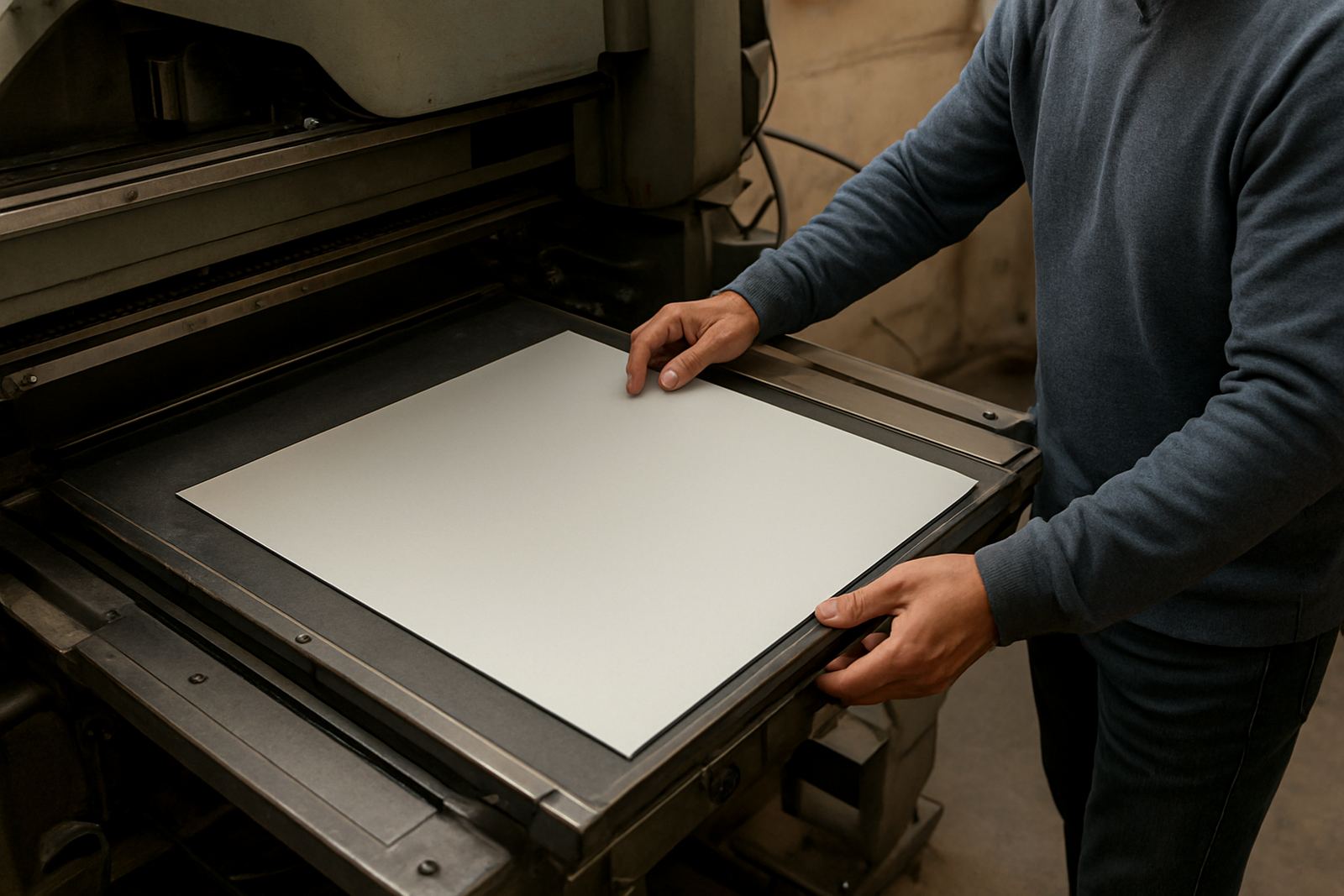
If a plate comes out with a dull patch, streak or uneven gum finish, do not just push through the next run. Stop and check the processor first. A five minute inspection can prevent a much bigger plate handling problem later in the day.
Weekly cleaning tasks for rollers, tanks and filter points
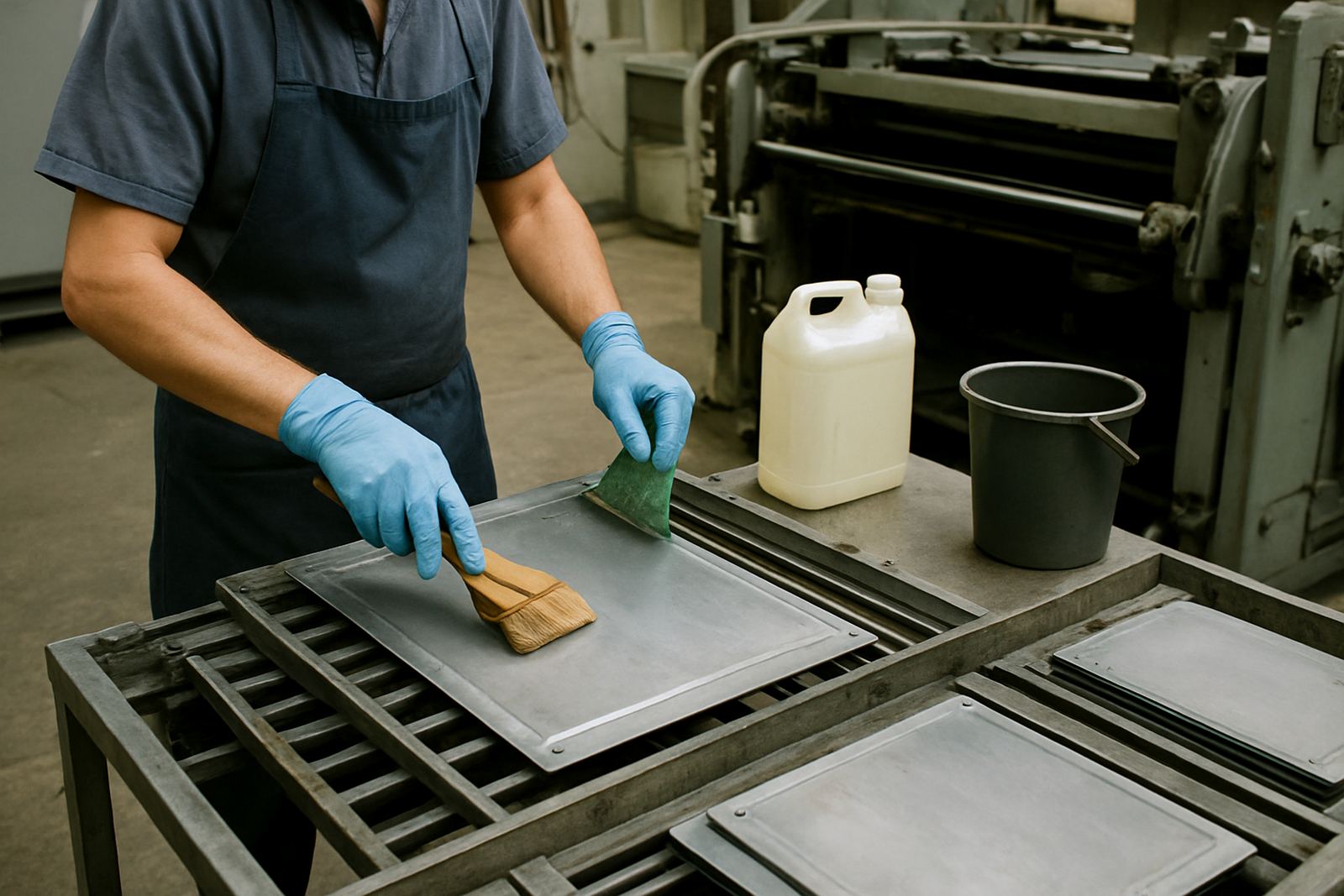
A weekly routine goes deeper than the daily wipe-down and should focus on the parts that collect fine residue over time. This is where many shops lose consistency, because the machine still runs but the cleaning performance slowly drops. If chemistry is left to sit with solids in it, those solids can settle in low points and narrow the flow path.
Assign a fixed day for weekly cleaning so the job does not get pushed aside. In a well-run plant in Germiston or Pretoria, for example, this is often done at the end of the last shift before heavier production starts again. The cleaner the processor, the less chance of residue marking up the plate surface.
- Clean rollers according to the equipment guidelines, using the correct solution and cloth type.
- Flush filter points and check for trapped sludge or particles.
- Inspect splash guards, drip trays and drainage paths.
- Check seals and covers for wear, cracks or chemical build up.
- Wipe the outside panels so dust does not move back inside the machine when covers are opened.
Do not use harsh cleaners that leave their own film behind. That can interfere with chemistry balance and make the next plates harder to process. If you notice recurring buildup at the same point each week, there may be a flow issue or a worn part causing the problem.
How chemistry balance and cleaning work together
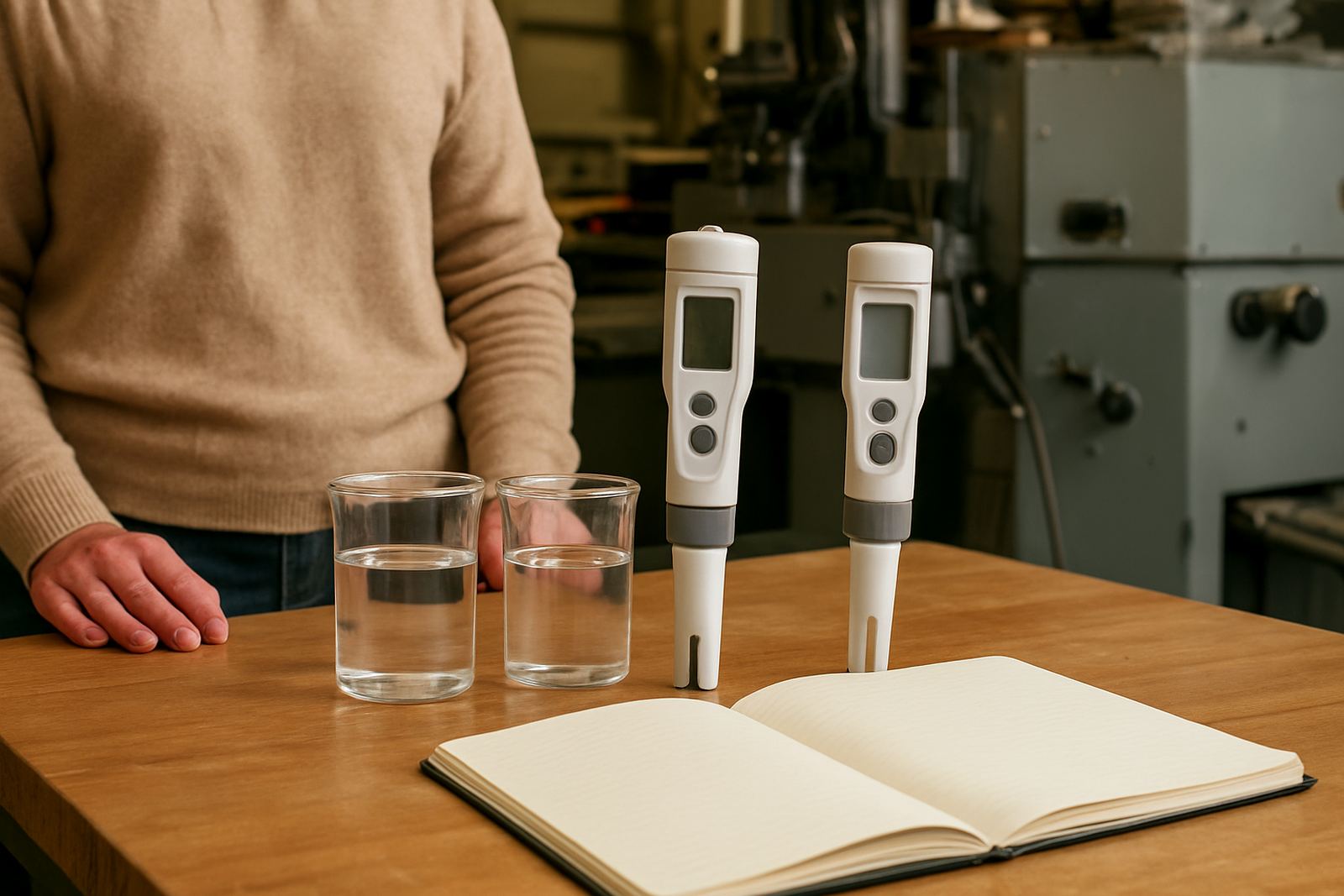
Cleaning alone will not fix a processor if the chemistry is out of balance. The two go hand in hand. If the solution is too weak, too strong or contaminated, residue can stick faster and plates may not process evenly. That often shows up as soft image edges, dirty non-image areas or inconsistent gumming.
For many shops, the root cause is not the plate itself but the condition of the bath and the way it is maintained. Temperature changes, evaporation and topping up with the wrong amount of concentrate can all affect performance. In humid weather the effect can be even more noticeable, while in hotter inland conditions the chemistry may change quicker than expected.
Watch for these warning signs:
- Brown or milky residue collecting faster than usual.
- Uneven plate finish after the same setup that worked last week.
- Odour changes from the processor bath.
- More frequent plate retouching before press startup.
If these signs appear together, review both the cleaning routine and the chemistry balance at the same time. Fixing one without the other usually gives only a short term result.
When to call for processor servicing instead of another rinse
Sometimes the processor needs a technician, not another clean. If the processor keeps leaving residue after the routine has been followed properly, the problem may be mechanical. Worn rollers, incorrect temperature control, blocked circulation or poor pump performance can all cause repeat faults. At that stage, a thorough service is the better option.
It helps to log what you see each day. Record plate type, chemistry changes, room temperature, any stoppages and the fault on the output plate. That information makes troubleshooting quicker and more accurate. It also helps a technician see whether the issue is linked to a specific shift, batch or machine setting.
Call for servicing when you notice:
- Cleaning residue returning within one shift after a full wash.
- Persistent streaks or scum on more than one plate batch.
- Pumps, heaters or sensors behaving irregularly.
- Noise, vibration or slow feed through the processor.
A printer in Randburg may think they have a chemistry issue when the real cause is a worn pump seal or a filter that is no longer clearing properly. Sorting that early protects both the plates and the press schedule.
A simple routine for busy Johannesburg pressrooms
For most pressrooms, the best routine is the one that can actually be kept. A daily wipe, a weekly deep clean and a monthly check of flow, temperature and wear points is enough to prevent many of the residue problems that slow production. Keep the steps visible near the machine and make one person responsible for sign-off on each shift.
A practical routine for a Johannesburg City West operation could look like this: morning inspection before the first plate, a midweek deep clean after lunch, and a Friday check of filters and tank condition before the weekend. That kind of structure works because it fits real production pressure, not an ideal schedule that nobody follows.
When the processor is clean and the chemistry is balanced, plate handling becomes more predictable, startup on press is quicker and the team spends less time chasing faults. This is where a regular cleaning schedule earns its keep. It protects time, materials and print quality, one shift at a time.