What computer-to-plate actually does
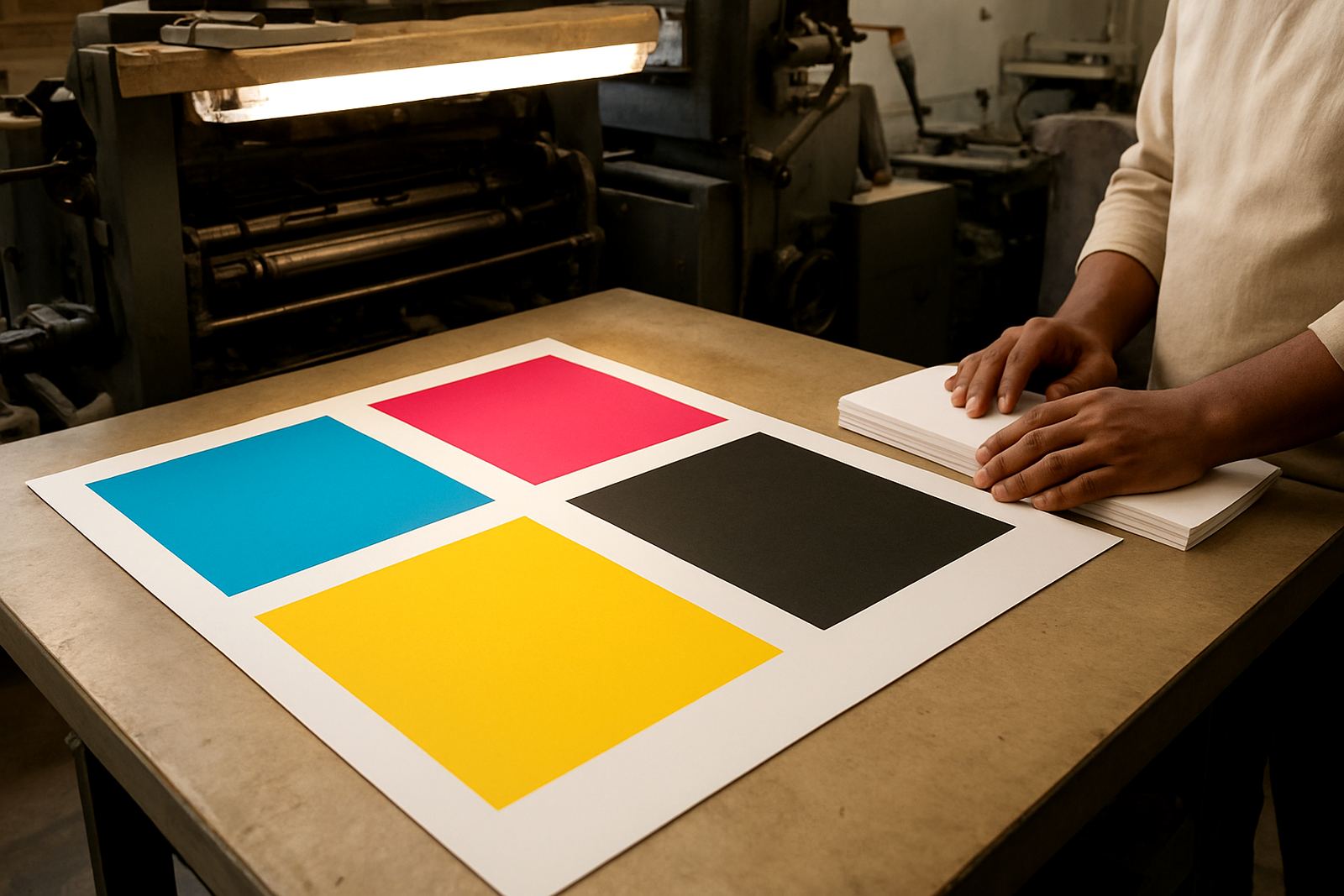
Computer-to-plate, or CTP, is the standard way many offset printrooms prepare plates today. A finished layout is checked in prepress, then image data is transferred directly onto a plate using a platesetter. That plate goes onto the press cylinder and transfers ink to the paper or board.
The big change from older film-based methods is simple: fewer manual steps, fewer chances for dust or alignment problems, and less time lost between approval and production. For print businesses in Johannesburg, Pretoria, Randburg or Midrand, that time saving can make the difference when a client wants an urgent brochure run before weekend trade.
CTP on an ordinary production day
CTP is not just about speed. It affects registration, colour consistency, and how much waste you get during startup. If plates are consistent, the press team spends less time chasing colour and more time printing saleable sheets. That matters when paper prices are high and clients want short deadlines.
Good plate supply also supports dependable scheduling. When a shop knows its plate type, chemistry needs, and blanket condition, it can plan for longer press runs and fewer stoppages. In Johannesburg, where rush orders and traffic both affect timing, planning ahead is part of staying profitable.
- Faster plate preparation for short lead times
- Better registration on multi-colour work
- Less waste during startup and mid-run corrections
- More predictable output across repeat jobs
The CTP workflow from file to plate
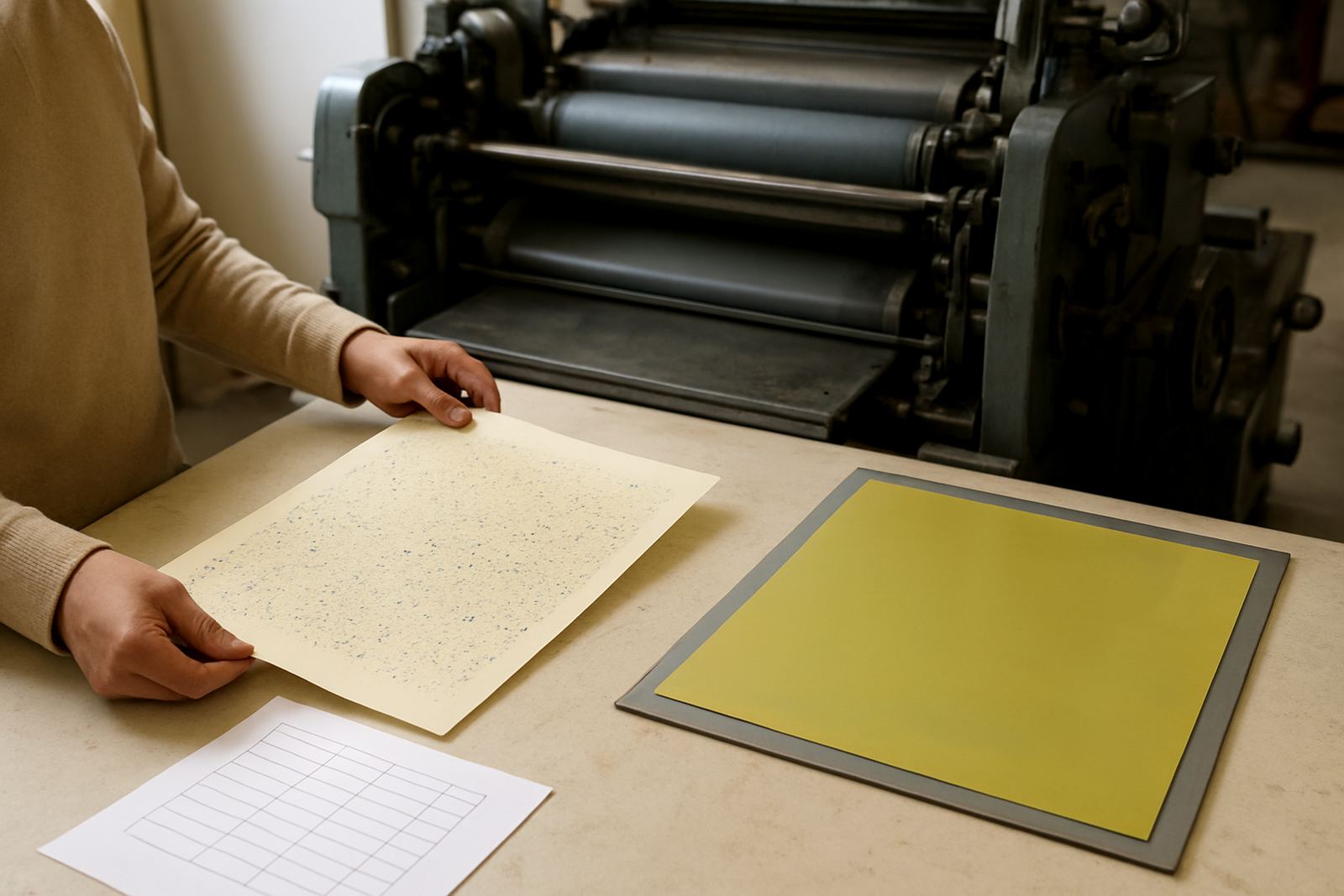
Most printrooms follow a fairly consistent workflow. Artwork is supplied, checked, imposed, and output as plate-ready data. The platesetter images the plate, which then goes through processing, drying, and inspection before it reaches the press. If any part of that chain slips, the pressroom feels it straight away.
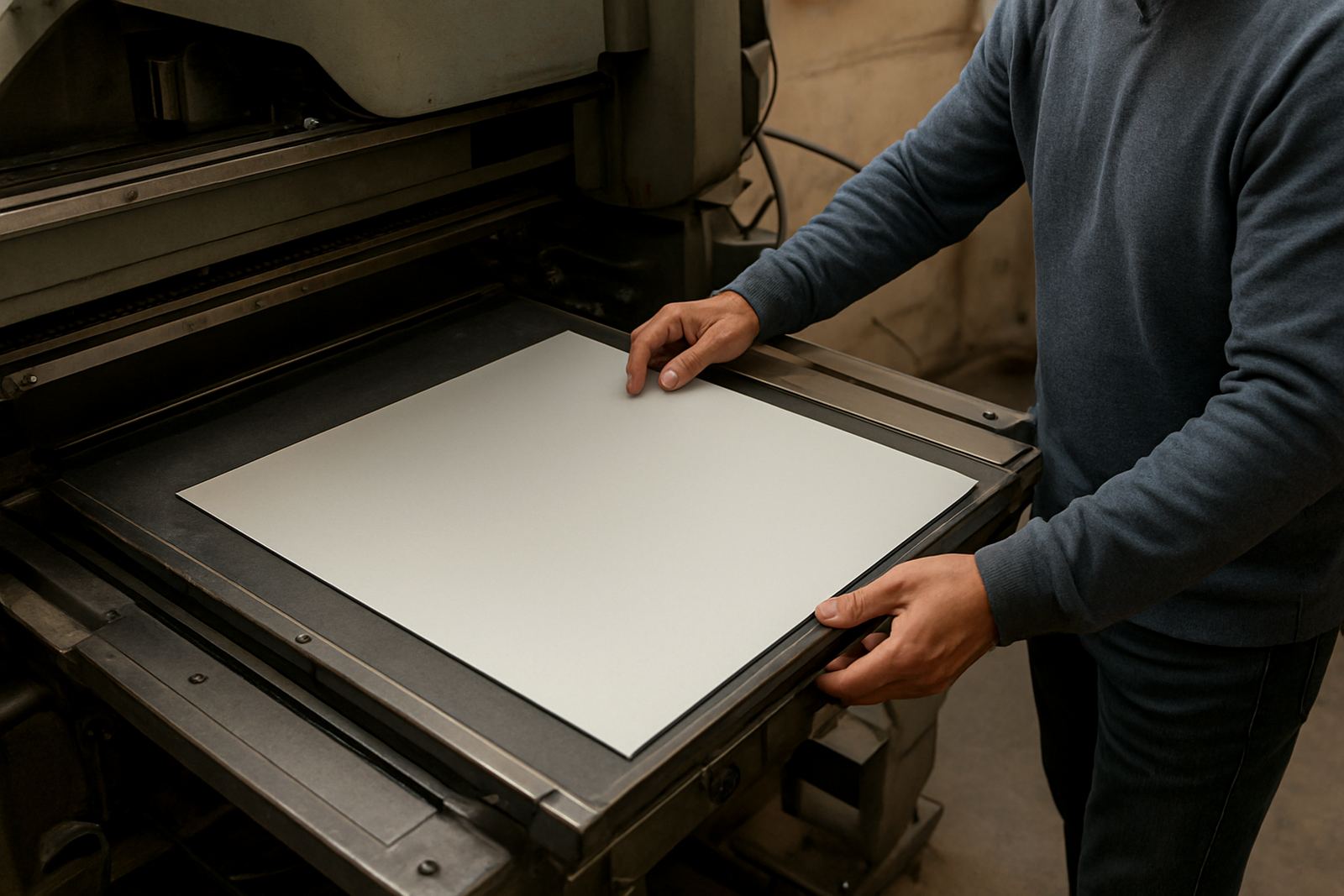
A practical workflow usually includes plate selection, chemistry control, processor checks, and careful handling once the plate is processed. In humid weather, or on hot dry days, storage and handling matter even more because plates can be affected by moisture, heat, and dust. A plate that is handled properly tends to give steadier results on press.
- File checking and imposition
- Platesetter imaging
- Processing and drying
- Inspection and punch or bend setup
- Mounting on press and startup
Common problems printrooms run into
When CTP starts giving trouble, the first signs often show up on press. You might see dirty backgrounds, weak image areas, poor water balance, or inconsistent colour from one side of the sheet to the other. Sometimes the issue is the plate itself, but often it comes down to chemistry balance, processor servicing, blanket condition, or handling after processing.
Running every job on one default setting is another frequent mistake. A long packaging run, a quick business-card run, and a fine-text brochure all need slightly different attention. That is why plate selection and production troubleshooting matter. The right plate and the right setup help the pressroom hold colour and reduce stop-start frustration.
For example, a printer in Industria West handling a mix of flyer work for Roodepoort clients and form work for Pretoria might find that one plate type performs well on short runs but another holds better on longer repeat work. The choice affects wash programme settings, plate wear, and final print sharpness.
How to keep CTP stable in South African conditions
South African printrooms deal with real-world issues that affect CTP performance: heat, humidity, dust, variable water quality and pressure to turn work around quickly. Equipment helps, but daily habits are what keep CTP output steady. Regular checks and sensible storage help avoid avoidable waste.
Printrooms that get the most from CTP normally keep a close eye on these basics:
- Processor chemistry balanced to the plate type and volume
- Blankets assessed before press issues become print defects
- Plate storage kept dry, flat, and away from dust
- Press startup checks done the same way every time
- Wash programmes matched to ink build-up and production pace
That routine becomes even more important after weekend shutdowns, when restarts can disturb timing and temperature. A steady process helps the team recover quicker and avoid rework.
When to ask for technical support and supply planning
CTP works best when plates, chemistry, blankets, and servicing are planned together. If one part is out of step, the whole room feels it. That is why supply planning and practical support can be as important as the plate itself.
It helps to call for support when you notice recurring startup waste, unstable colour, plates not lasting as expected, or processor issues that keep coming back. Training also pays off. A team that understands plate handling and colour stability checks will usually waste less material and catch small faults before they become a full production delay.
LithoPrinting Plates supports print businesses from Industria West across Roodepoort, Randburg, Midrand, Germiston and Pretoria, with plate and press supply nationwide. For a printroom, the point is not simply to buy plates. It is to keep the line moving, job after job, with fewer surprises.
A simple way to think about CTP
CTP is the link between the file on the screen and the sheet on the press. When it is managed well, it saves time, improves consistency, and gives the press team a cleaner starting point. When it is neglected, the problems usually show up as waste, delays, and colour drift.
If you run an offset printroom, it helps to think of CTP as part of production control, not just a prepress task. The plate is small, but its effect is big. Get the plate, chemistry, and press setup right and the rest of the job is easier to manage.