Why solid coverage shows the real condition of your press
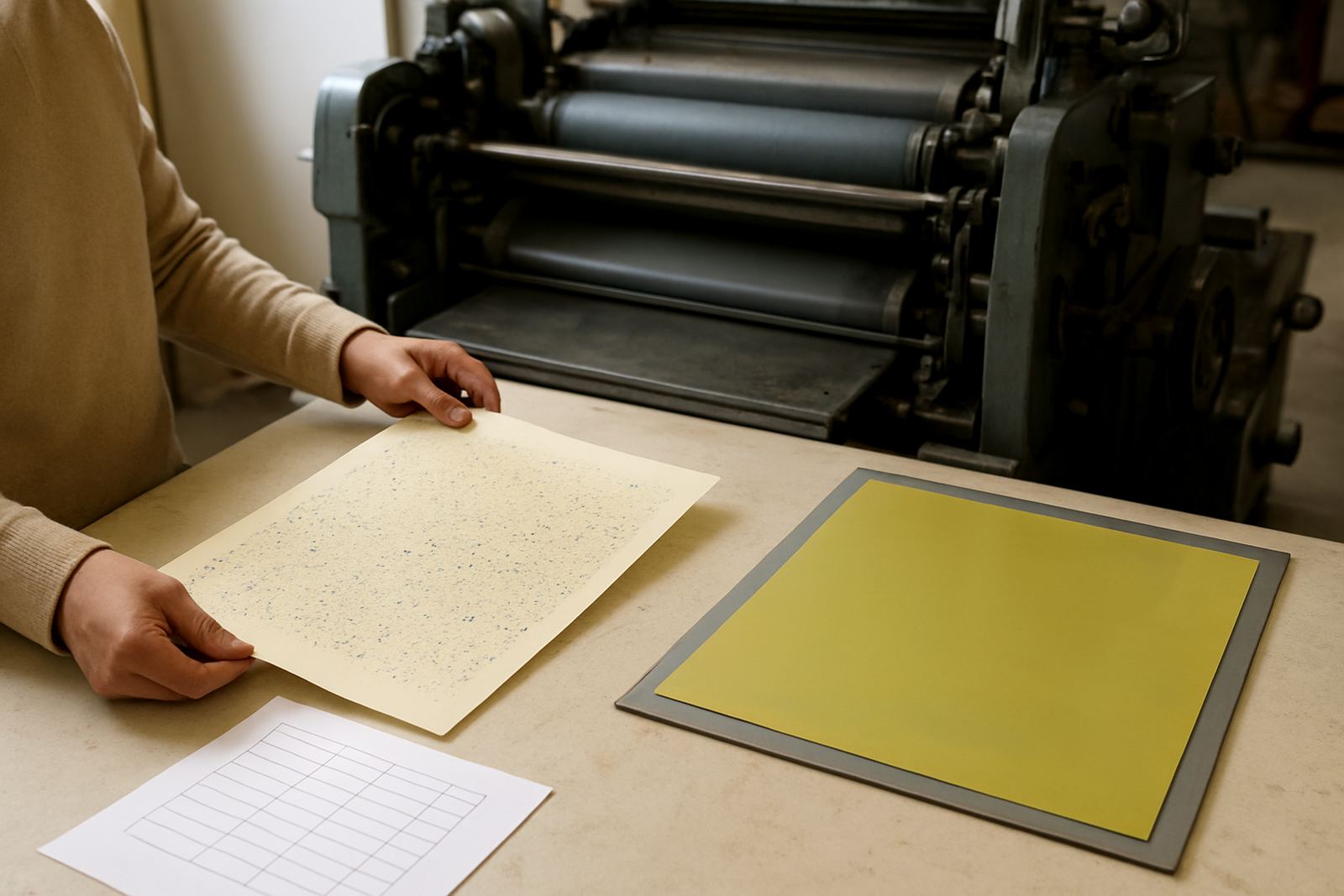
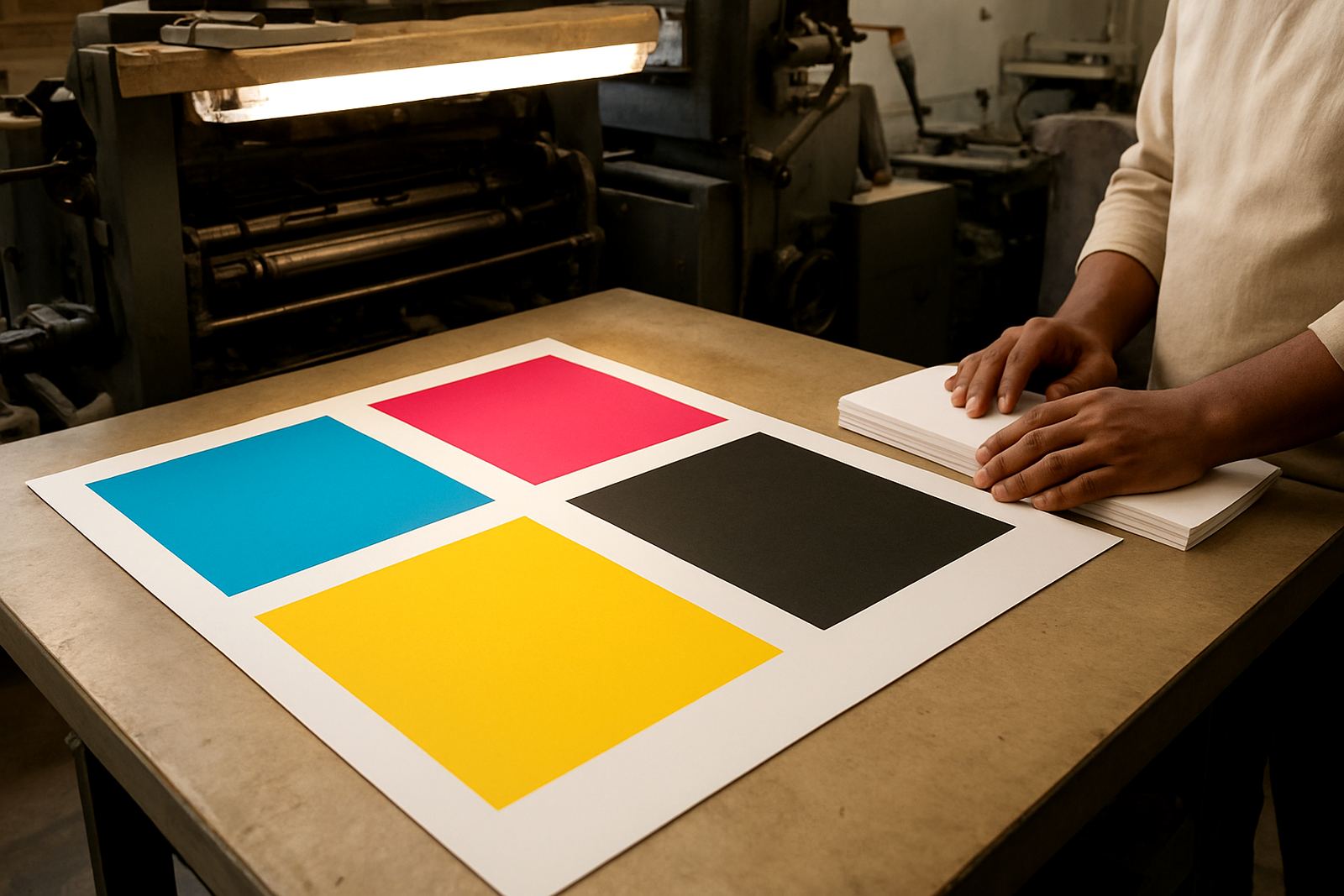
Heavy tints, blocks of flat colour and large solids expose problems quickly. A sheet that looks acceptable on text and line work can still show pinholing, weak corners, scumming or patchy laydown once a full solid hits the paper. That is why printers in Johannesburg, Pretoria and Durban often use a solid coverage test early in the run, before waste builds up.
Weak solids often trace back to something other than ink. Plate wear, dampening balance, blanket condition, paper moisture and even the time of day can affect the result. In winter dry air in Gauteng can change paper response, while humid summer weeks can slow drying and alter ink behaviour. The best results come from checking the full chain from plate to blanket to sheet.
Start with the plate: image integrity and correct handling
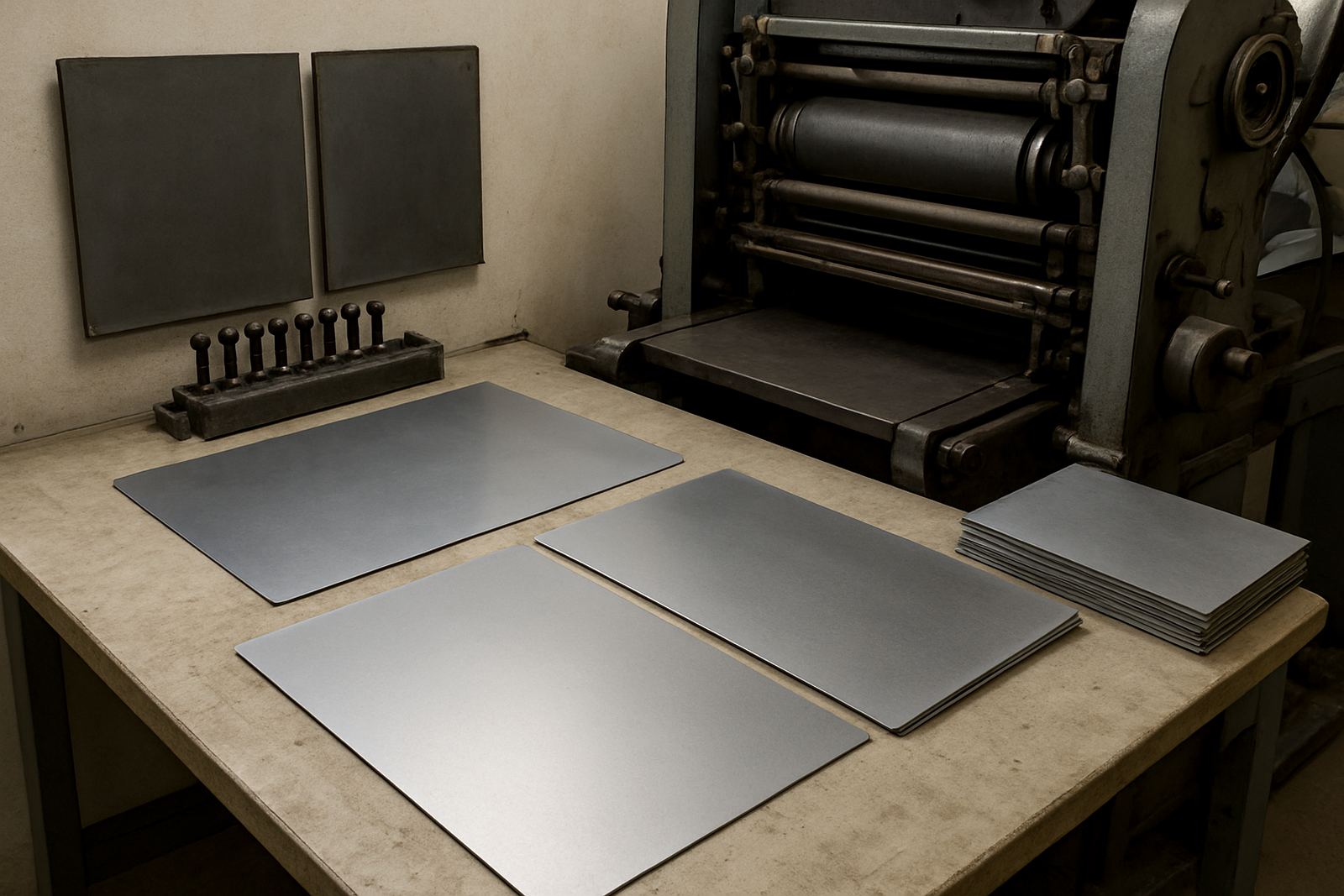
CTP plates must carry the image cleanly and evenly. If the plate has damage, poor processing, under-reaction or handling marks, the solid will show it first. Small scratches, fingerprints, or weak plate processing can cause light spots that are hard to see until the press is running.
Plate handling training helps a great deal here. Keep plates dry, store them flat and avoid bending at the feed side. During plate loading, check that the image area is not marked by gloves, clamps or careless stacking. A good plate is still only as good as the way it is handled on the way to press. If a plate seems inconsistent, inspect the plate processor chemistry and rinse conditions before you blame the press, its a common miss.
- Check plate storage in a clean, dry room away from heat and sunlight.
- Make sure the processor delivers complete development and proper rinsing.
- Look for edge damage, fingerprints and weak image areas before mounting.
- Confirm plate type suits the run length and ink system in use.
Chemistry balance can make or break a solid
Dampening chemistry plays a major role in how solids print. If the fountain solution is too strong, too weak or drifting through the day, the plate may not accept ink evenly. That can leave solids looking dull, mottled or washed out on one side of the sheet.
Pressrooms that stay on top of chemistry balancing usually have fewer surprises. The aim is stable pH, clean circulation and the right balance for the plate and paper combination. If the water supply changes, or if the press runs through long shifts with frequent stops, the chemistry can drift. After a restart, take time to recheck water balance rather than picking up where the last sheet left off. A quick test can save several hundred waste sheets.
- Test fountain solution at the start of each shift and after long stoppages.
- Watch for build-up in tanks, filters and lines.
- Use fresh mix when solids begin to haze or lose density.
- Keep the pressroom log simple but consistent so changes are easy to trace.
Blankets need the right grip, bounce and condition
Blankets transfer the image from plate to sheet, so any wear here will show in solid coverage. A blanket that is glazed, swollen, cut or unevenly tensioned can cause weak solids, dot distortion or a polished look that refuses to hold density. On longer runs, especially on coated stock, blanket condition often becomes the deciding factor.
Assessment should not wait until the blanket fails. Feel for bounce, inspect the face and check how the sheet exits the impression. If the blanket is losing its surface or the packing is incorrect, the print will suffer long before the operator spots a visible fault. In some Gauteng plants the difference between a fresh blanket and a tired one is obvious in the first 200 sheets. A careful blanket check is worth more than a last minute ink tweak.
Press setup details that improve density and evenness
Good solids depend on more than just materials. Press startup help often focuses on small setup points that bring the whole sheet into line. Impression must be even across the cylinder, roller pressures need to be checked, and the ink train should be clean before production begins. If one side of the sheet is stronger than the other, start with mechanical alignment before changing colour or chemistry.
Paper feed also matters. Sheets that are damp, curled or badly cut can affect laydown and lead to a patchy solid. In winter, paper stored too close to an open bay door in Industria West can pick up conditions that make it behave differently from stock stored inside. A steady environment, correct stacking and proper fan setting all help the press hold colour across the run.
- Confirm impression and roller settings before the first production sheet.
- Keep the ink train clean and free from dried residue.
- Check sheet feed, side lay and front lays for repeatable registration.
- Watch paper condition in relation to humidity, temperature and storage time.
Troubleshooting weak solids on the shop floor
When a solid looks poor, solve it in the same order the image is printed. First check the plate, then the chemistry, then the blanket and finally the press settings. That order saves time because it rules out the most likely causes before adjustments start going in circles.
Many printrooms chase a colour issue by adding ink when the real problem is damping or blanket wear. Others keep changing feed settings while a plate or processor fault is the actual source. A simple troubleshooting routine keeps operators calm and production moving. If the solids improve after a restart but fade again later, look closely at temperature, solution balance and roller condition. Consistency is the target, not a one off patch.
For one sheetfed job in Midrand, the solids kept losing strength after lunch. The fault turned out to be a blanket that was due for replacement and a fountain mix that had drifted through a long hot shift. Once both were corrected, the run held steady and spoilage dropped almost immediately. That kind of fix is common when you work through the full chain.
Planning consumables with the run in mind
Improving solid coverage is easier when consumables are planned before the press starts. Plate type, chemistry strength, blanket stock and wash programme should match the job length, paper grade and finishing requirements. A short digital handout may need a different setup than a long offset catalogue or carton run. Planning ahead also helps with supply in Johannesburg, Pretoria, Roodepoort, Germiston and further afield when transport windows are tight.
Good supply planning reduces emergency buying and keeps the pressroom from making rushed substitutions that hurt quality. It also helps during month-end pressure when everyone wants the same spare part at once. When the right consumables arrive on time, operators can focus on print quality instead of making do. And that is where strong solids usually begin.