What register shift really means on press
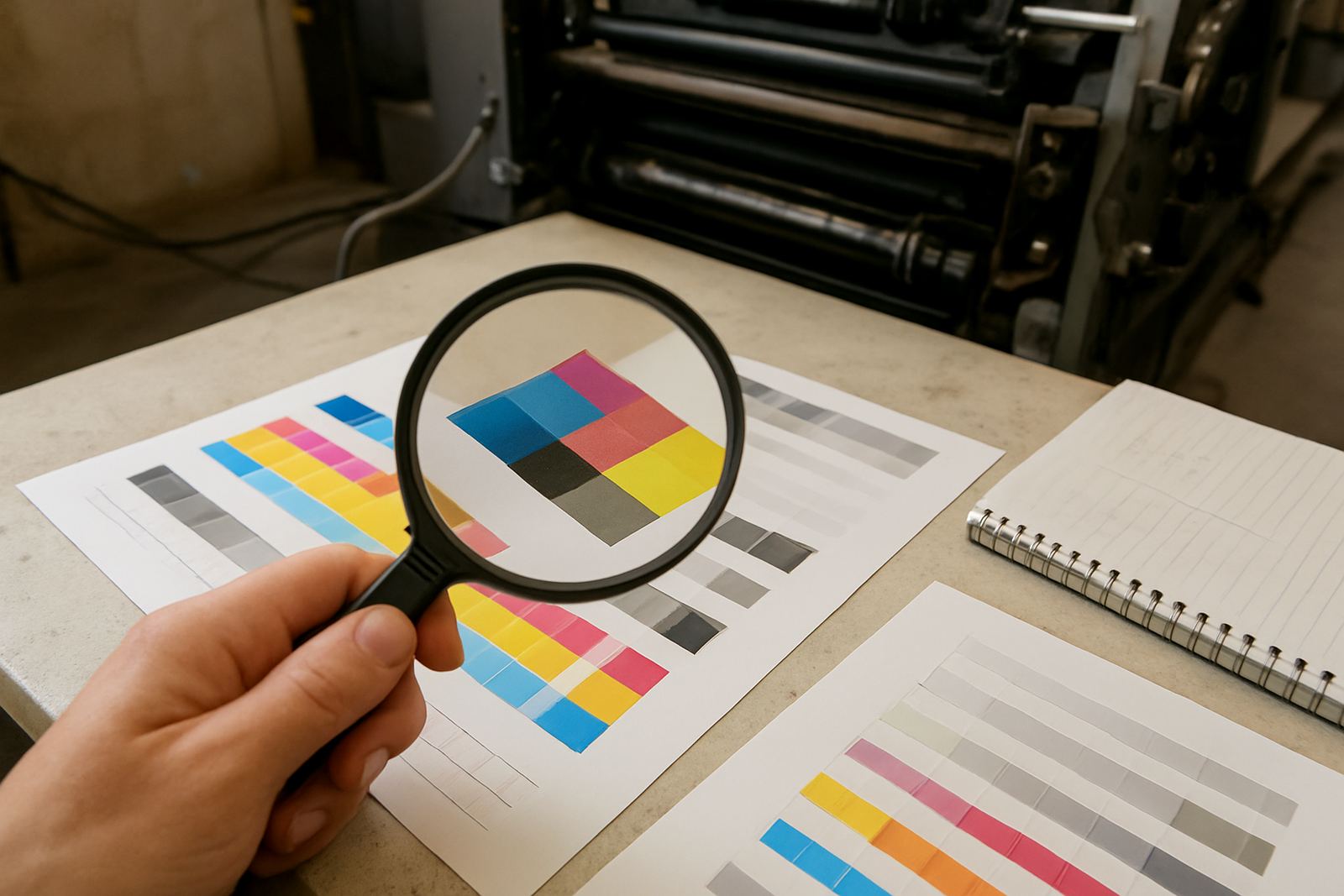
Register shift shows up when the image, text or colour is not holding the same position from sheet to sheet or across the web. A job can look fine at start-up then begin creeping out by a fraction of a millimetre, and that is enough to cause hickies, fuzzy traps or a poor fold later in finishing.
In practice, the cause is often mechanical, consumable-related, or operator set-up. On offset work, even a small issue with plate seating, blanket pressure, gripper alignment or paper feed can move the image. On flexo, tension, web travel and plate mounting become more important. The key is to check the full chain, not only the press settings.
Plate condition is often the first place to look
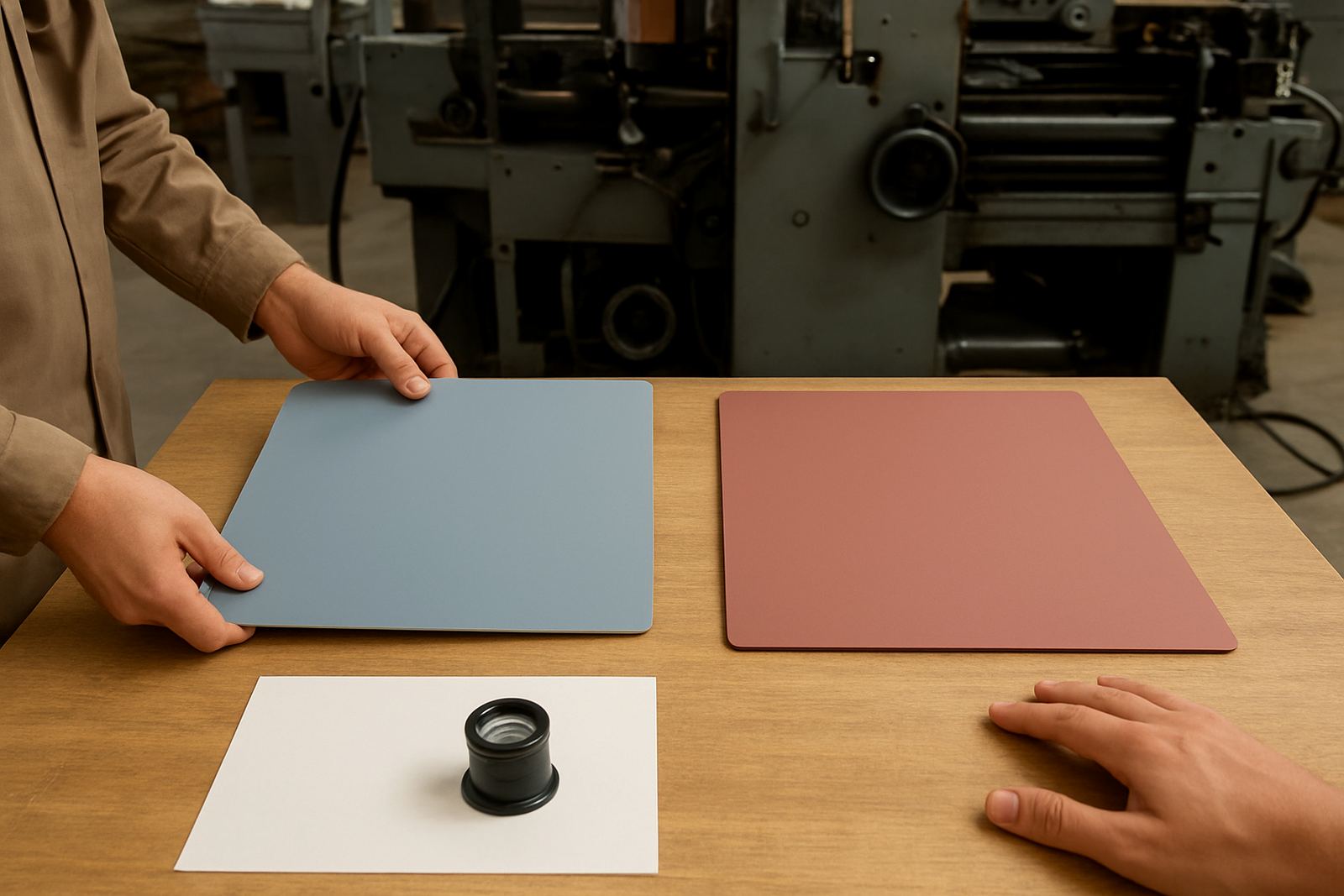
If the plate is damaged, incorrectly handled or poorly mounted, register trouble can start before the job really gets going. A plate with bent edges, scuffs, undercut issues or poor punch accuracy will not sit true on press. If plates are stored badly in a hot area, or handled with oily hands, tiny changes can show up as movement once the machine starts running.
- Check that plate holes, bends and edge condition match the press requirements
- Confirm plate storage is dry and flat, especially in humid weather or summer heat
- Inspect for scratches, dents and contamination before mounting
- Make sure plate clamps and registration systems are clean and free of wear
Many shops in Industria West, Roodepoort and Germiston see the same pattern during busy weeks: plates are rushed to press, one plate is out by a touch, then the rest of the job gets chased all shift.
Blankets, packing and impression pressure matter more than most think
When a blanket starts to age, swell or lose its even surface, the print can move visually even if the plates are correct. Uneven packing or too much impression pressure can also distort the image and make register corrections harder to hold. This is common on older presses and on machines running mixed stock weights.
Register issues linked to blankets are often mistaken for plate trouble. A blanket that is glazed, cut, or contaminated with wash-up residue can throw off image transfer just enough to make the operator chase settings. If a shop is pushing through long runs in Pretoria or Midrand, a blanket check before the shift can save a lot of waste later.
- Measure blanket thickness and compare sides for even wear
- Look for bounce, glazing, cuts and contamination
- Check impression settings after any blanket change
- Review packing sheets for consistency across cylinders
Temperature, humidity and paper movement can shift the picture
South African print rooms do not always have perfect climate control. In Johannesburg City West, winter mornings can be dry and sharp, then the room warms up once the press line gets moving. In summer, humidity can make paper, plates and blankets react differently from the first shift to the second. That small change is enough to affect register, especially on fine-line work.
Paper movement is another common cause. If stock has not been acclimatised, or if it is sitting close to a loading bay door, the sheet can change dimension before it reaches the feeder. Folding, trimming and binding all expose these movements later, so a job that looked acceptable on press can still cause trouble at finishing.
Press setting faults that keep register unstable
Setup, rather than a worn part, is often behind register drift. Feeder timing, side lay adjustment, gripper condition, cylinder wear and drive variation can all create register drift. On longer runs, vibration and loose settings can make a small fault grow steadily worse.
When a press keeps slipping out, the operator should follow a fixed checklist rather than making random adjustments. A structured approach saves time and prevents one correction from causing another fault.
- Verify feeder timing and sheet pick-up
- Check side lays, front lays and grippers for wear
- Inspect tension settings on web or flexo lines
- Test drive stability at production speed, not only at slow turn
Why wash-up, chemistry and maintenance affect register too
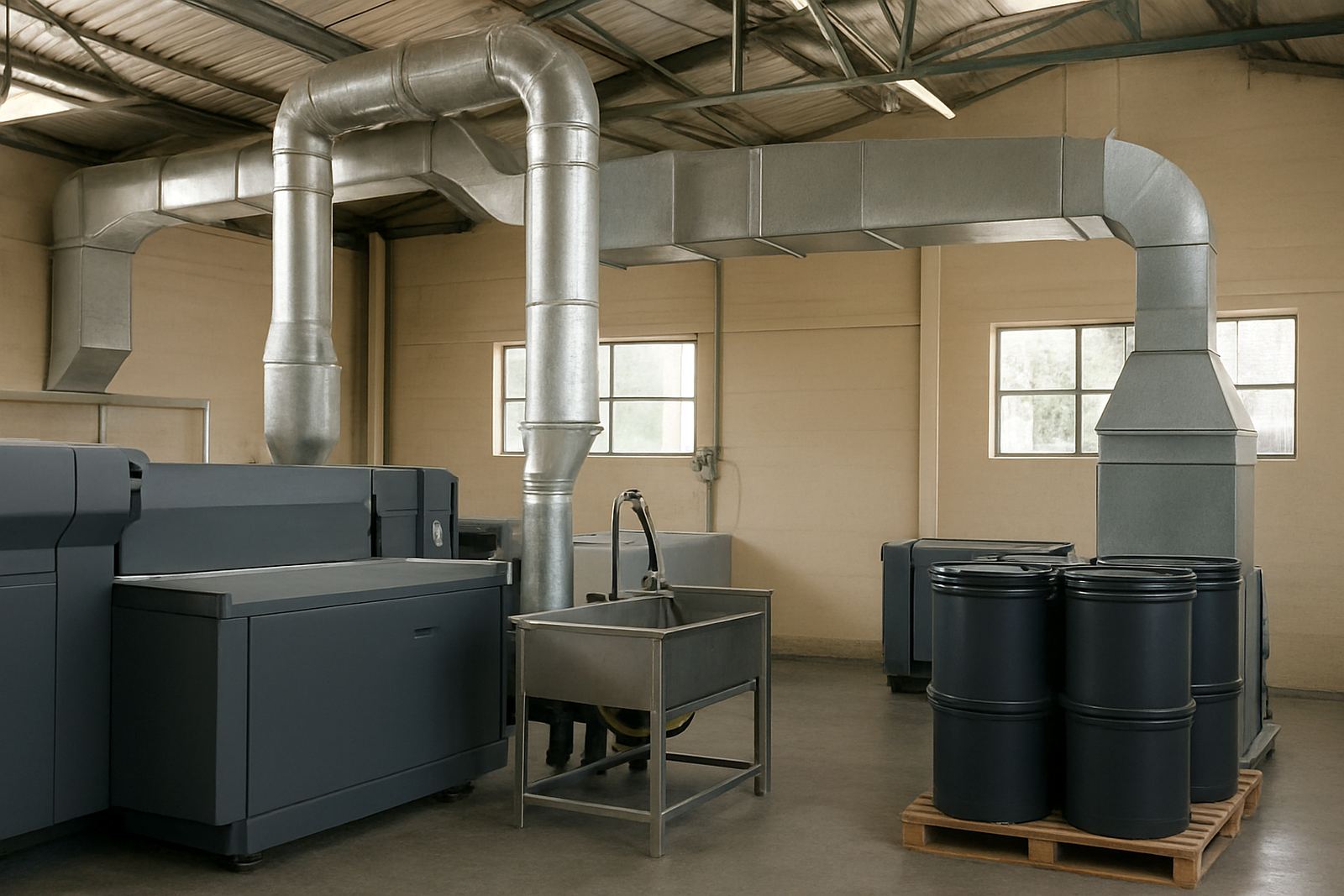
Wash programmes that are too aggressive can affect rollers and surfaces over time, while weak cleaning leaves residue that changes transfer and contact. Chemistry balancing is part of the same picture because poor plate and processor conditions can create inconsistent image formation. If the plate does not process evenly, the pressman ends up compensating for a problem that started long before the sheet reached the machine.
Regular servicing matters because worn bearings, loose gear trains and tired rollers do not always fail dramatically. More often they create slow drift, poor repeatability and extra waste. That is why production troubleshooting should include processor checks, plate handling habits and blanket assessment, not only a quick look at the press sheet.
Our team often sees this in Johannesburg and Pretoria jobs where the first shift is fine, then the second shift starts adjusting the same units over and over. Once the maintenance cause is found, the register holds far better and the job runs cleaner.
A practical way to reduce register problems before they cost you sheets
The best result comes from prevention, not rescue work. A print room that checks plates, blankets, chemistry and press condition on a set schedule will spend less time chasing movement during production. It also helps to train staff to notice small signs early, like a slight image walk, uneven repeat, or a change in sheet behaviour after lunch or after a restart.
If you are managing work across Industria West, Randburg, Roodepoort or Midrand, build a simple routine into every job:
- Confirm plates are clean, flat and correctly mounted
- Check blanket condition before start-up
- Balance chemistry and processor settings before the run
- Hold a short press startup review after the first 50 to 100 sheets
- Record any register drift and link it to speed, stock or temperature
When register shifts are handled early, the whole line benefits. Waste drops, finishing is easier and the press team spends less time guessing.