Start with the shortest possible plate path
The plate room should move in one direction, from receiving to storage, then to cutting, processing, inspection and dispatch. When plates double back across the room, people bump into each other, packs get mixed up and the chance of surface damage goes up. A clear path also helps during busy shifts, especially when press calls come in at the same time as CTP output.
In many Johannesburg and Pretoria print shops, space is tight so the answer is not more floor area, it is better sequencing. Put incoming plate stock near the door or goods lift, and keep the press issue point close to the exit point. That way one person can load, check and label without walking the whole room for every job.
Separate clean storage from wet work
One of the biggest layout mistakes is placing dry plates too close to processor output, chemistry mixing or wash-up points. Moisture, fumes and splashback can affect plate condition and handling quality, especially in humid weather or in older buildings where air flow is poor. Keep clean stock in a dry, shaded area with enough space around the pallets for forklift or trolley access.
- Store plates off the floor on racking or pallets
- Keep chemistry in a bunded, labelled zone
- Use sealed bins for waste, wipes and offcuts
- Separate new stock from returned or damaged plates
Good separation also makes stock checks easier. You can see what is available, what is on hold and what must be reordered before a press run gets delayed. That matters when rush orders push production into shorter windows and every hour counts.
Build the layout around the press schedule
A plate room should follow the way the press room actually works, not the other way around. If a client runs many short jobs, the room needs quick access, clear job identification and fast turnaround for repeat plate sizes. If the site handles longer runs, then bulk storage and better staging become more important. Matching the layout to job mix saves time every day.
For a print plant in Industria West or Germiston, this can mean one rack for daily work, one shelf for reprints and one locked section for urgent jobs. Colour stability checks can be done at a small inspection point near the output line, so plates are checked before they are wrapped and sent on. That small step prevents avoidable remakes.
- Keep current jobs at eye level for easy picking
- Label shelves by press, client or shift
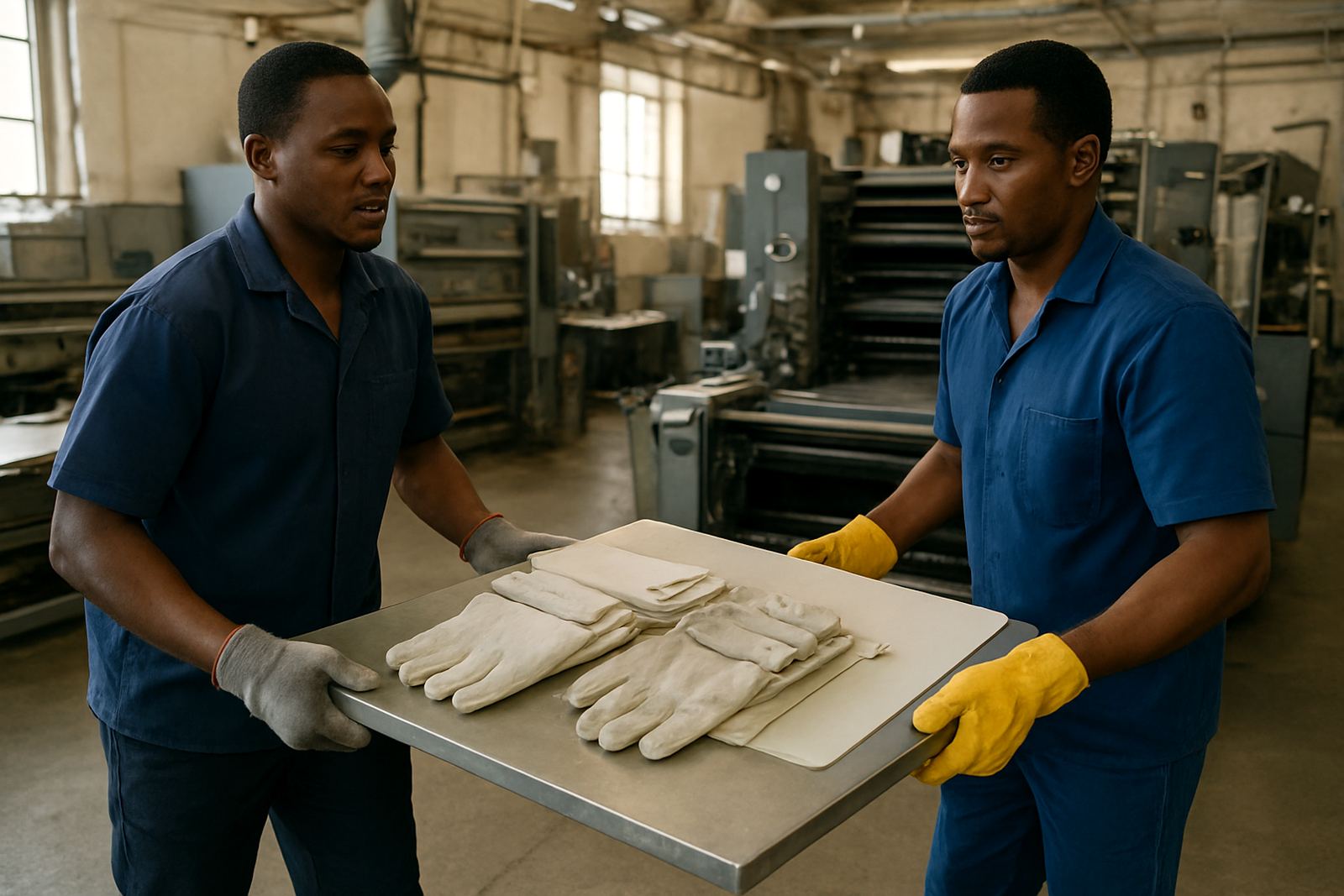
- Use carts for plate movement rather than carrying by hand
- Place spare consumables where operators can reach them without crossing walkways
Good storage reduces damage and safety risks
Plates are light enough to carry but large enough to be awkward, and that is where injuries happen. A tidy room with proper racks, wider aisles and safe lifting points reduces strain on backs, shoulders and wrists. It also limits scuffing, bending and edge damage, which can show up later as poor register or wasted make-ready time.
Safety rules should be practical. Mark the floor where pallets may stand, keep spill kits near chemistry and make sure emergency exits are never blocked by blank plates or cartons. A plate room may not look dangerous at first glance, but a slippery floor or a hidden edge can cause a bad fall very quickly.
Use labelled zones for chemistry and maintenance
Plate rooms often become catch-all spaces for chemistry, tools, spare rollers and service items. That usually creates confusion. A better method is to give every item a home, with clear labels and simple sign boards. Operators should know where fresh chemistry goes, where used containers are kept and who is responsible for topping up tanks or checking concentrations.
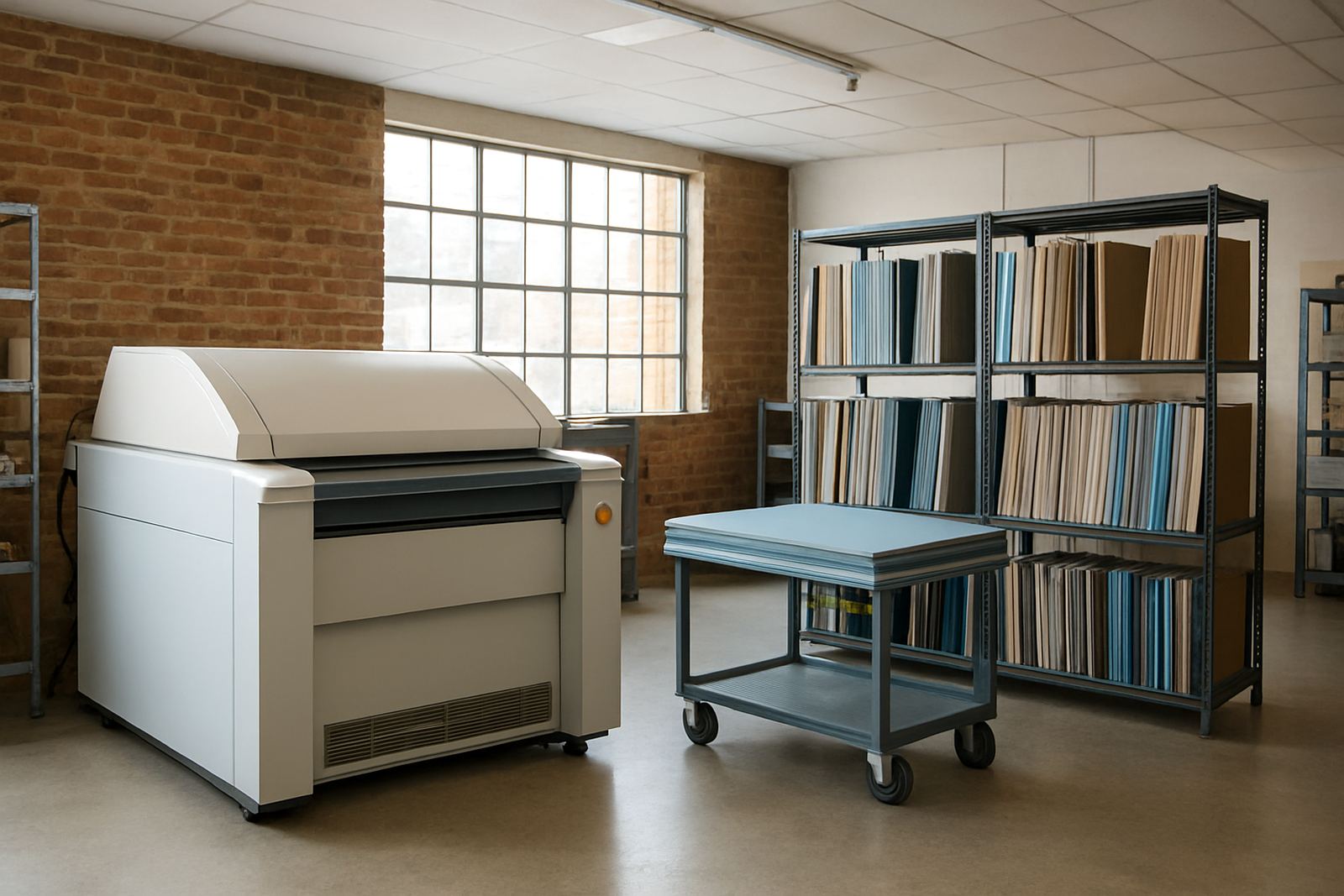
Technical support is easier when service access is built into the layout. A processor should not be jammed against a wall or blocked by stored cartons, because servicing takes longer and faults are harder to spot. If the room is planned well, a technician can check pumps, rollers and filters without stopping the whole operation for half a day. That saves both time and money.
- Leave room to service the processor and platesetter
- Mark chemical drums clearly by type and date
- Separate daily-use tools from maintenance tools
- Record top-ups, mixes and checks in one simple log
Less walking, fewer mistakes in Roodepoort
A medium-sized print house in Roodepoort recently improved output by changing only the plate room layout. The team moved the stock racks closer to the receiving door, split dry and wet areas, and created a dedicated zone for press issue. They did not add more staff, but they cut unnecessary walking and reduced mix-ups on repeat work. The result was faster handover to the press room and fewer last-minute calls for missing plates.
The biggest gain was not speed alone. Operators said the room felt calmer because there was less crossing traffic and fewer urgent searches for consumables. In a business where one delayed plate can hold up an entire run, that kind of order matters. It also makes training easier for new staff, because the process is obvious from the layout itself.
Plan for training, stock control and future growth
A good plate room layout should make training easier, not harder. New operators learn faster when the room follows a logical flow and the labels are clear. That reduces supervision pressure on senior staff and helps keep standards consistent across shifts. Plate handling training is much easier to do when the room supports the method, instead of fighting it.
It is also worth planning for growth. If you expect more plates, more chemistry use or a new press line, leave space for that now. A cramped room may work for six months and then become a bottleneck. The best layout is one that handles today’s volume and still has room for the next step, without forcing a full relocation later.
For support with plate room layout, supply planning, plate handling training and production troubleshooting across Johannesburg, Pretoria, Midrand, Randburg, Roodepoort and Germiston, LithoPrinting Plates works with print teams to keep the workflow practical. A well organised plate room does not just look better, it helps the whole plant run safer and faster.