Why plate handling starts before the plate leaves storage
In many print rooms, damage starts at the point of collection. A plate that is picked up with oily hands, dragged across a table or carried without support can pick up scratches before it reaches the press. Once that surface is marked, the problem often shows up later as scumming, poor image transfer or repeat jobs that do not hold colour properly.
The safest habit is to treat every plate as a finished product from the moment it is unpacked. Offcuts, damp and dirt should never collect where plates are stored. In Johannesburg and Pretoria, where dust from open yards and roller doors is common, a plate stack left uncovered will collect grime quickly. In humid weather, sheets can cling together and bend more easily, so the handling method must suit the site conditions.
- Store plates flat in their original packaging until needed.
- Blades and punches belong in a tray, not on the plate table.
- Use clean, dry hands or gloves when moving plates.
Safe lifting habits that protect backs and edges
Plates may look light, but repeated lifting over a shift can strain shoulders and lower backs. The risk grows when operators twist at the waist, carry bundles one handed or try to walk through a busy pressroom while watching their footing. A safe lift is simple: stand close, bend the knees, keep the load near the body and move slowly.
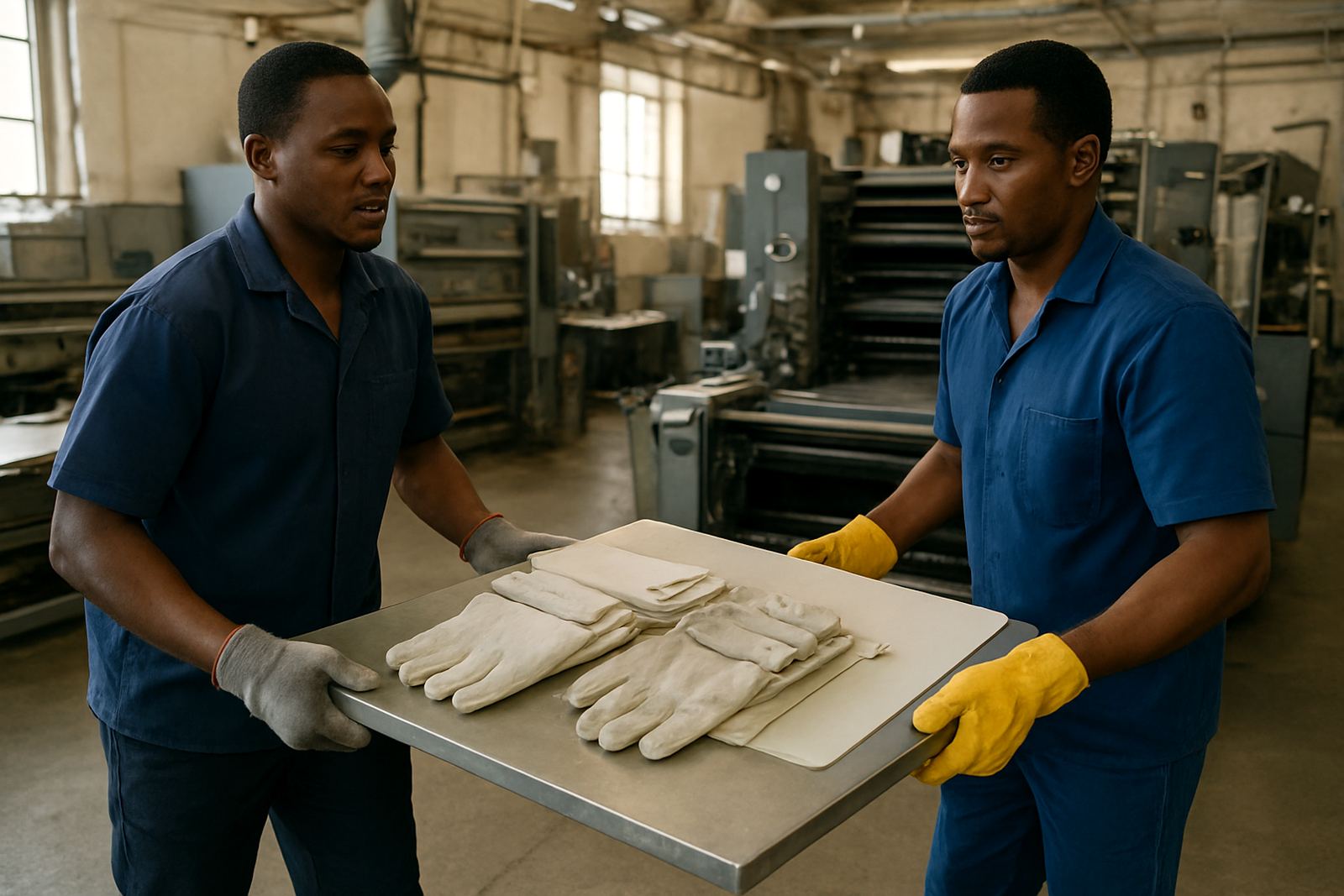
Large sheets should never be handled like office paper. Support them with two hands and, where possible, with two people. If a plate is awkward to carry through a narrow aisle in Industria West or Germiston, clear the route first. One dropped corner can bend enough to affect fit on the cylinder and that means more time on make-ready.
- Use two people for long or oversized plates.
- Clear floors of pallets, hosepipes and scrap before moving stock.
- Do not carry plates while also opening doors, answering calls or checking paperwork.
Careful lifting counts most late in a shift, when people are tired and the plate room is quieter. In those moments, slow movement matters more than speed.
How to avoid scratches, kinks and contamination
Most plate damage is not dramatic. It starts with small contact points. A corner brushing against a metal rack, a stack leaned against a wall or a sheet laid face-down on grit can all leave marks that are hard to see at first. Printing teams often only notice the fault when the job is already on press.
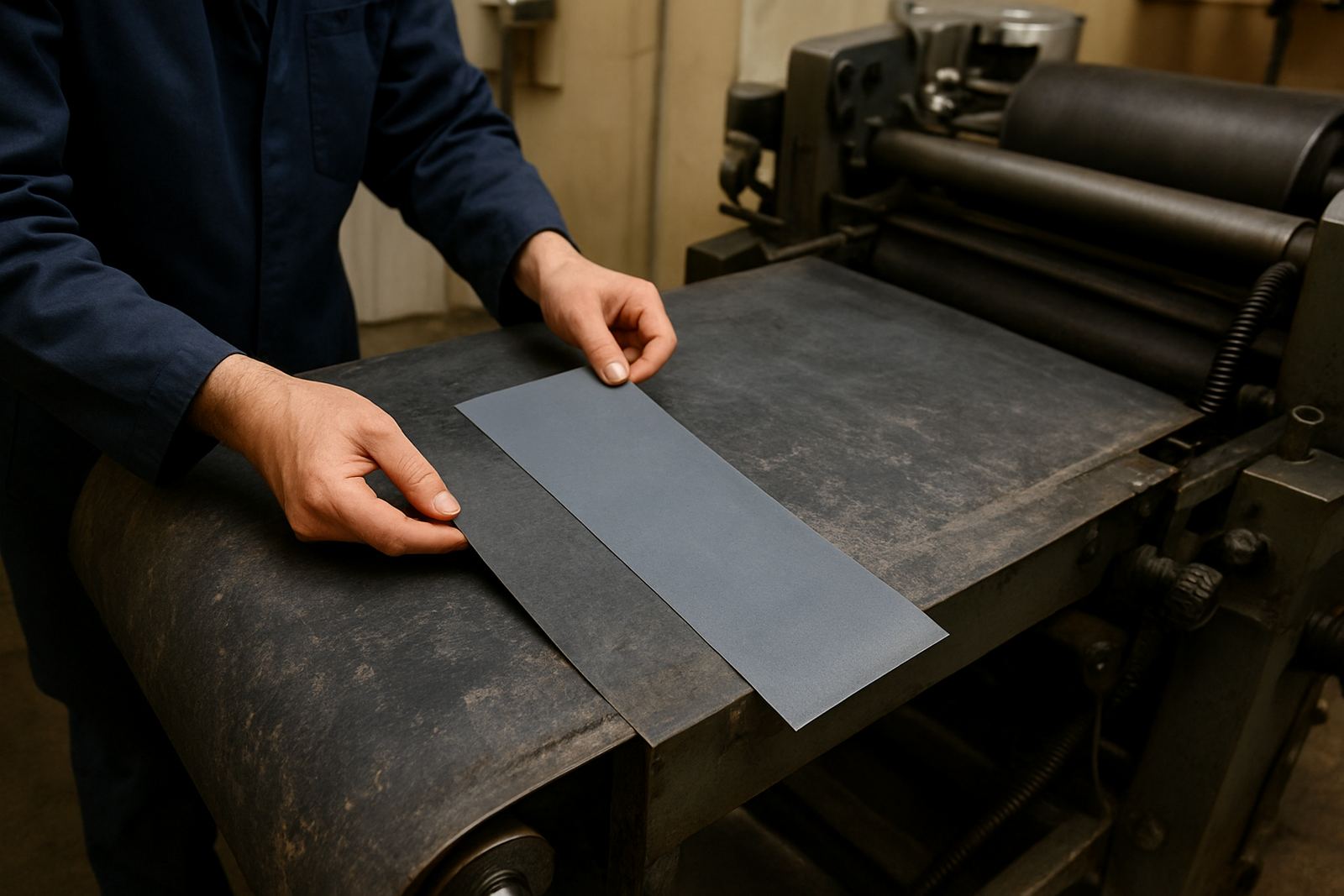
Keep handling surfaces smooth and dedicated to plates only. A clean rubber mat or lined trolley is better than a bare steel table. Never slide plates across each other. Lift, place and separate them carefully. If plates need to be staged before plate mounting, keep them in order and label the stacks clearly so no one has to shuffle through them later.
- Hands stay off the image area wherever possible.
- Keep drinks, wash-up cloths and spray bottles away from plate stacks.
- Do not stack plates directly on concrete floors.
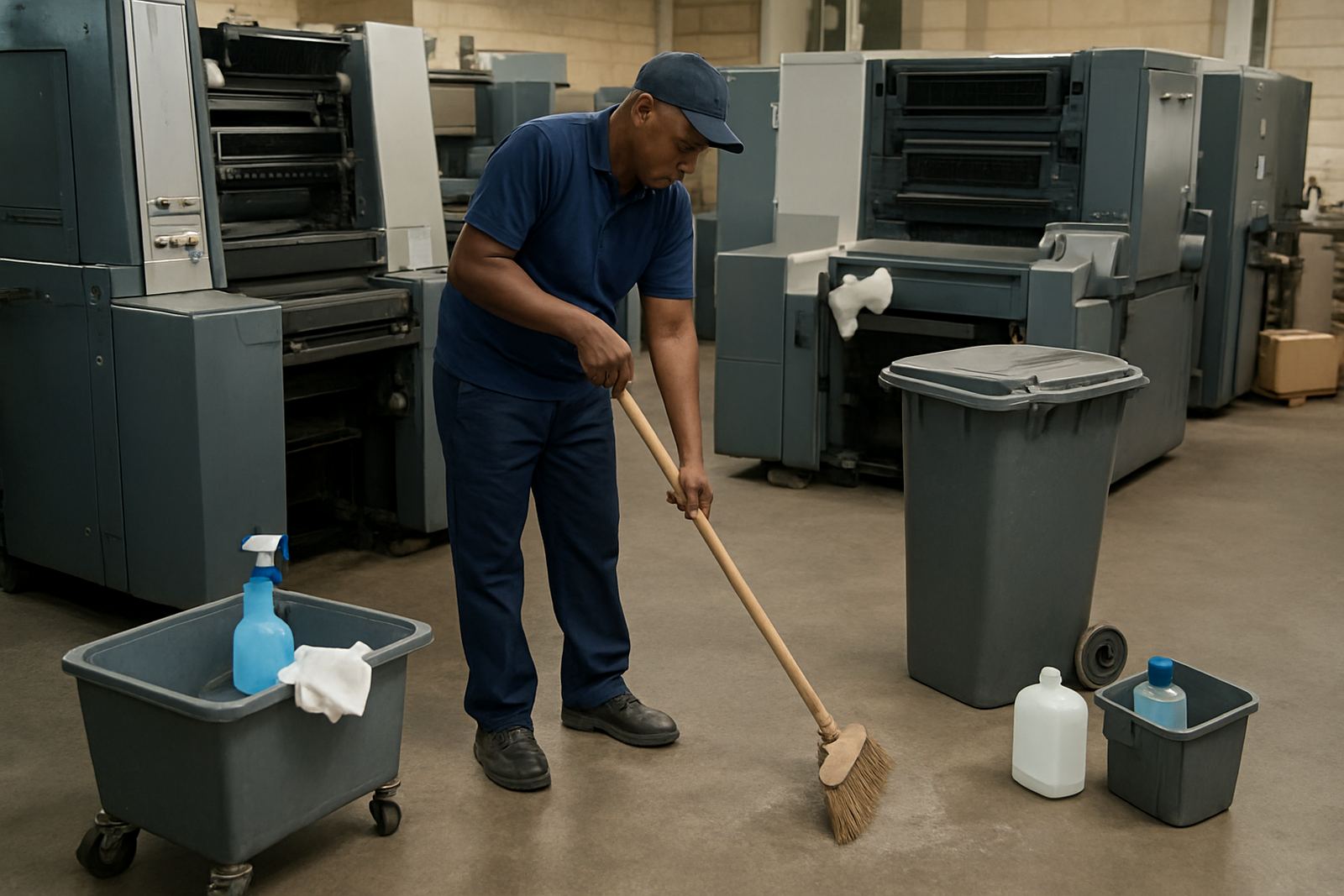
When chemistry residue is present on hands or worktops, it can transfer to the plate and cause later issues in print. This is why housekeeping matters as much as careful handling.
Loading plates into the press room without damage
Plate damage often happens during the handover between receiving, finishing and the press room. A rushed handover, especially during a busy shift change, can lead to mixed batches, bent corners or a plate being put down in the wrong orientation. The fix is a clear routine that every operator follows the same way.
Before loading, confirm the job reference, plate count and plate size. Check that the press area is free of loose tape, clips and offcuts. On some sites in Randburg and Roodepoort, where multiple jobs move through the same corridor, this small check prevents mix-ups that waste time and material.
- Place plates on a clean, marked staging area before mounting.
- Confirm plate order before any sheet is fixed to the press.
- Keep one person responsible for the handover on each job.
If the plate has to wait before startup, cover it and keep it away from heat, direct sun and foot traffic. A few minutes of care can save an hour of adjustment later.
Training operators to spot risk early
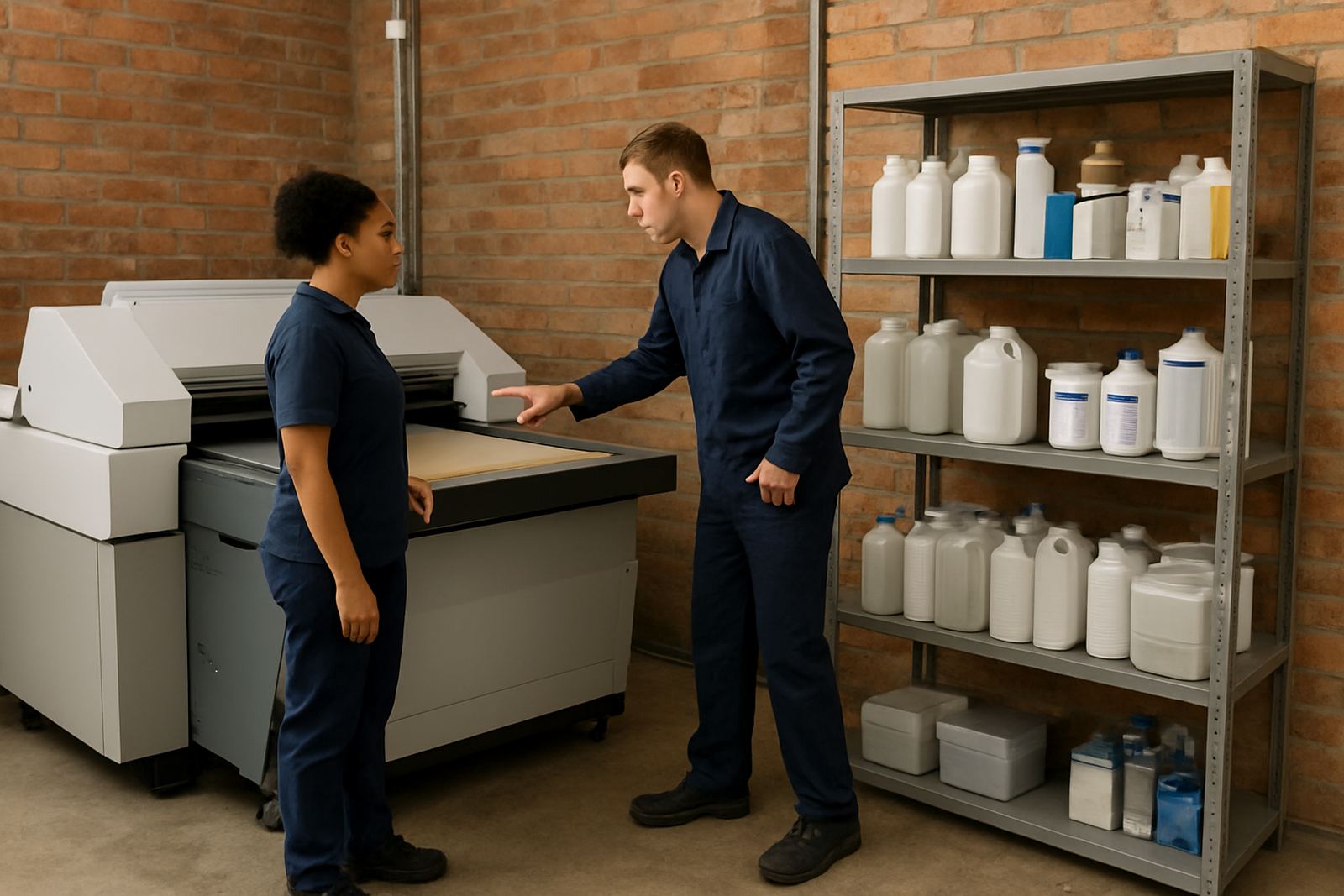
Good handling becomes normal when the whole team understands what to look for. A new operator needs proper time at the plate bench. They should be shown how a plate should feel, how it should sit in the hand and what a damaged edge looks like. That kind of practical training reduces breakage and helps newer staff work with confidence.
Supervisors should also watch for habits that build up over time. These include carrying more than one plate at a time, placing sheets on damp cloths, or leaving them near wash-up stations. One small slip can become routine if no one corrects it. In a busy plant, safety and quality are linked every day.
- Teach new staff the correct grip and carry method.
- Show damaged examples so faults are easy to recognise.
- Review handling steps during toolbox talks after incidents or near misses.
At LithoPrinting Plates, we often see that the best results come from simple, repeated habits rather than special equipment.
What happened on a busy Monday morning
A print shop in City West had a common problem. Plates were arriving from finishing, then being moved across a crowded room while the press team was already setting up the next job. Corners were bent, one operator had a hand graze, and two plates had to be replaced before startup. The issue was not the supply, it was the handling flow.
The team changed three things. They added a clear staging bench, assigned one person to receive and check plates, and kept the route from storage to press clear of pallets and loose wrap. Within a week, damage dropped and make-ready became calmer. The press crew no longer had to chase missing sheets or inspect every corner twice.
That kind of fix works in smaller plants too, whether you are in Midrand, Pretoria or Germiston. You do not need a major overhaul to protect plates. You need clear movement, tidy storage and staff who know why the process matters. Careful handling protects the plate surface, the operator and the schedule.
Signs it is time to call us about a plate
If plates are bending often, marking easily or arriving with damage that no one can explain, the handling process needs attention. It may be the storage racks, the way bundles are carried, or the cleaning routine around the staging area. Do not wait until rejects become normal. A short review can reveal the weak point quickly.
LithoPrinting Plates supports printers across Johannesburg and nationwide with plate selection, press startup help, plate handling training and production troubleshooting. If your team needs a second set of eyes on storage, movement or loading, it is better to sort it early than to keep paying for avoidable spoilage.
Careful handling is not complicated. It is just consistent.