
Why Plate Storage Costs More Than Most Shops Think
Plates are often treated as a simple consumable, but poor storage can cost far more than the plate price. Scratches, edge damage, dust, fingerprints and moisture marks all show up later on press as make-ready delays, wasted sheets and avoidable reworks. In a busy plant, one damaged box can throw off the whole production plan.
For printers in Johannesburg, Pretoria and the wider Gauteng area, the risks are not only from handling. Dust from loading bays, temperature swings between day and night, and plates left too near doors or windows all increase the chance of damage. Summer brings another problem entirely: humidity. Even when the plates look fine, oxidation can start if they are stored badly and left exposed for too long.
Good storage is not complicated. It just needs a consistent routine, a clean area and clear responsibility. Once the team knows where plates go, how they should be stacked and when to issue them, waste drops quickly.
Keep Plates In A Clean, Dry Zone With Steady Conditions
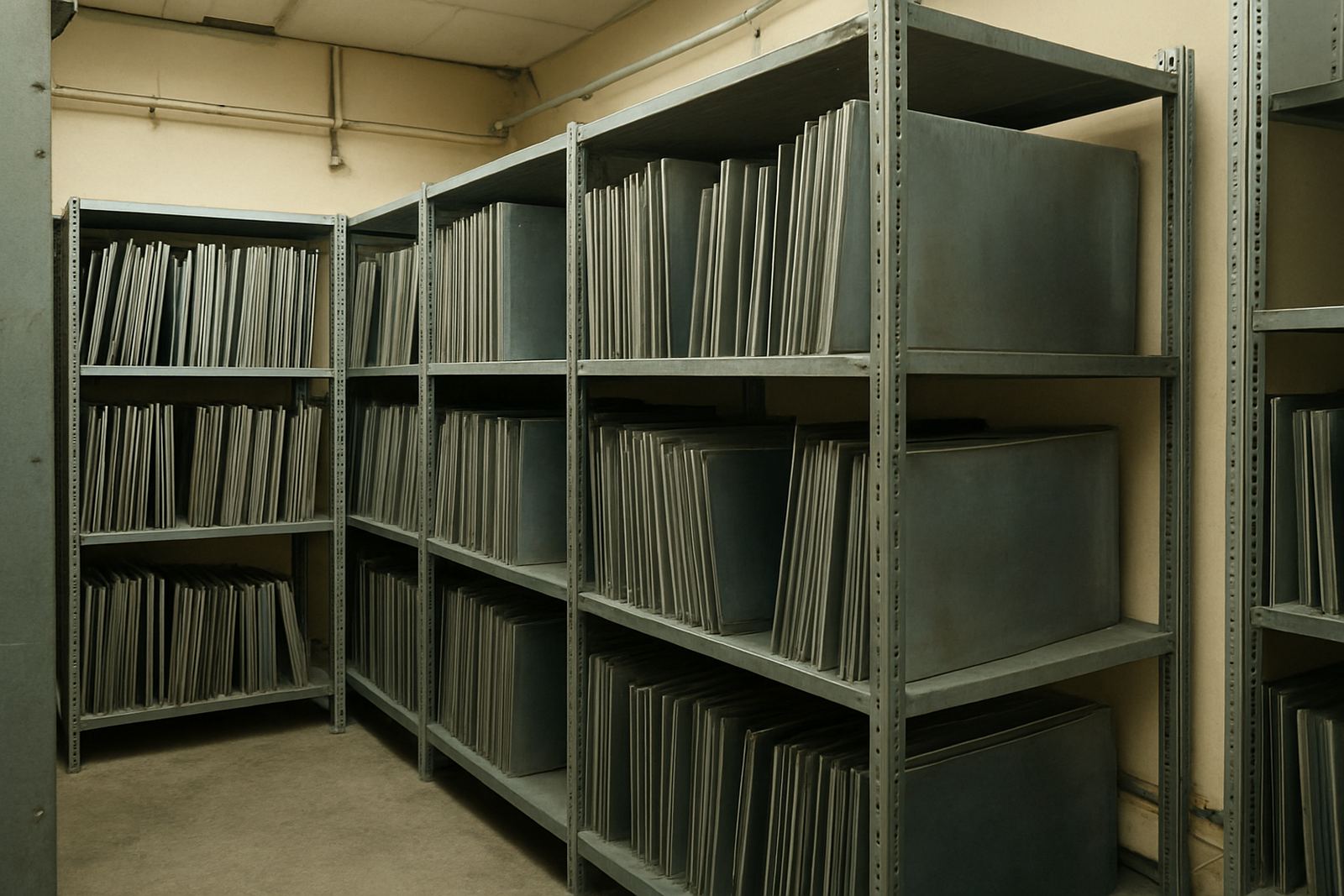
The storage area should be away from ink wash-up, chemical mixing, solvent fumes and general traffic. A clean store room or dedicated cage works best. If plates sit near a roller wash station or next to chemistry containers, the risk of contamination rises and the plate surface can be affected before it even reaches the press.
Try to keep the room at a steady temperature and away from direct sunlight. Heat can warp packaging and make handling more difficult, while damp conditions encourage oxidation. In coastal towns like Durban or Port Elizabeth, a sealed cabinet or controlled store room is worth the extra effort. On the dry Highveld, dust is the bigger enemy. A closed cabinet is better than open shelving, especially where forklifts and pallet jacks move past all day.
- Store plates off the floor, not directly on concrete.
- Keep them in original packaging until needed.
- Avoid placing cartons near doors, skylights or heaters.
- Opened boxes go on their own shelf, apart from sealed stock.
Handle Plates Like Finished Work, Not Loose Stock
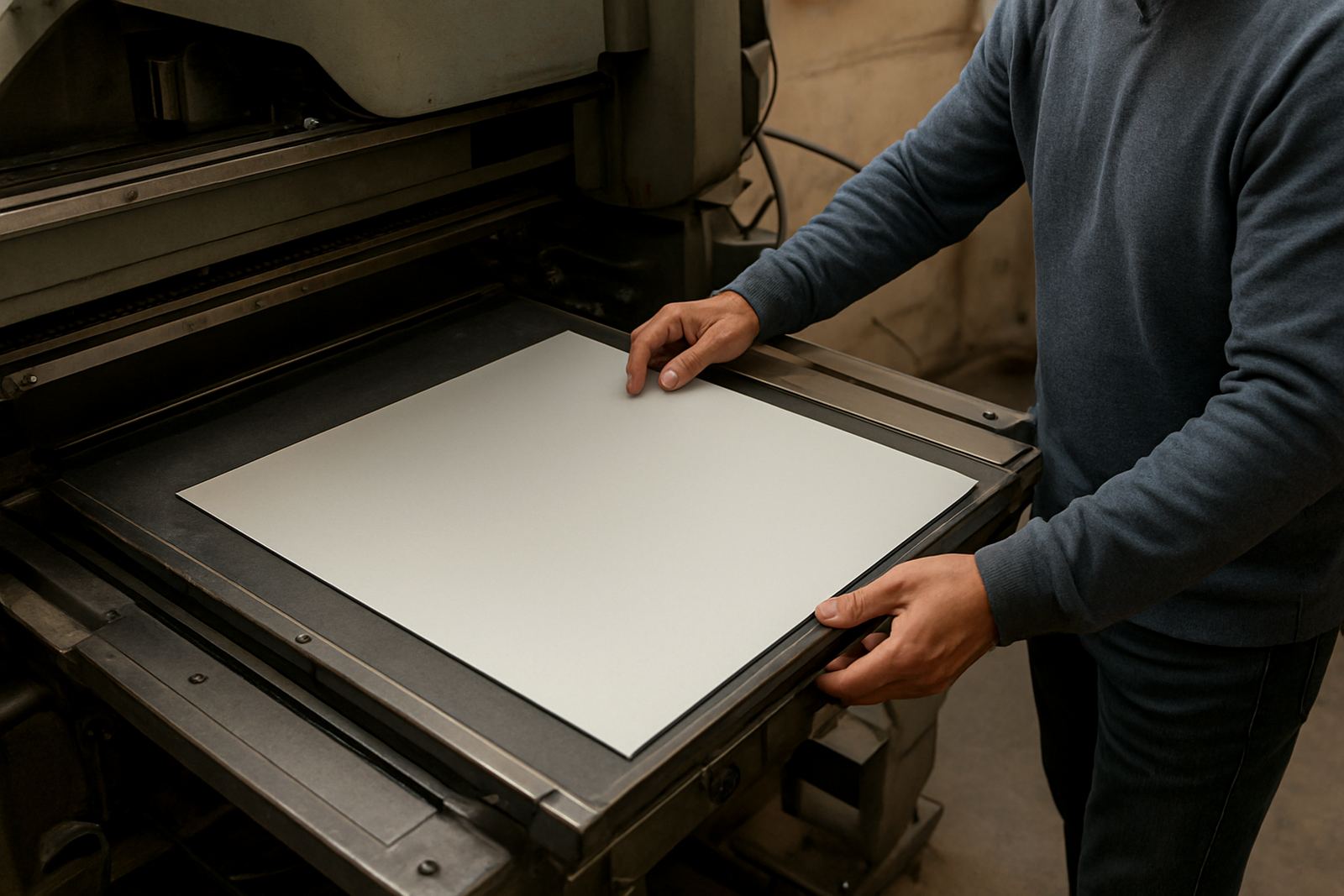
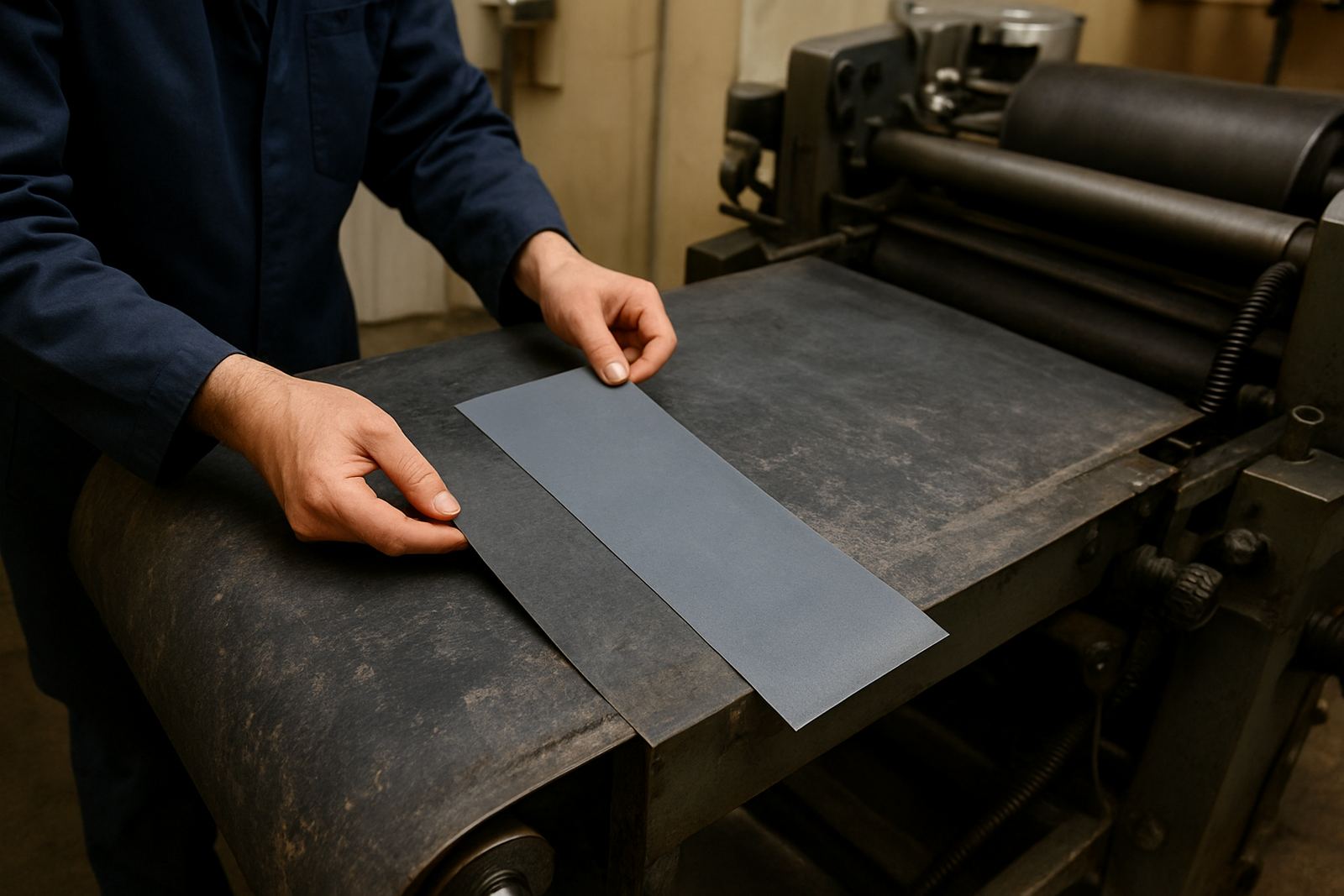
Most scratches happen during handling, not while the plates are sitting still. Staff should lift plates with clean hands or gloves, avoid dragging them across benches and never rest them face-down on rough surfaces. Even a small grit particle can leave a mark that only shows up after imaging or on press startup.
Training matters here. New staff must know how to open cartons, how many plates can be moved at once, and where the working area ends. If plates are being moved between plate room, CTP section and press bay, the route should be short and clear. Long walks through crowded production areas increase the chance of bends and knocks.
It also helps to mark storage by size and type so staff do not rummage through stacks. A plate that has to be searched for twice has a better chance of getting damaged the second time. Keep the process calm and repeatable, even when the plant is busy.
Watch For Oxidation Before It Reaches The Press
Oxidation is often slow and sneaky. A plate can look acceptable at first, then lose performance after too long in poor conditions. This is especially relevant when stock sits open over weekends or during shutdowns. If your plant works in shifts, make sure partially used boxes are resealed properly and dated, so older plates are used first.
For printers doing short runs or colour-critical work, an oxidation issue can mean more trial sheets and more adjustment at startup. That is why stock rotation is so important. First in, first out sounds simple, but it only works if the store is labelled clearly and the team follows the rule every day.
- Use opened stock before sealed stock where possible.
- Return unused plates to the correct sleeve or carton immediately.
- Log the date a box is opened.
- Check older stock before scheduled jobs with tight turnaround times.
Local Press Rooms Need Storage Rules That Match The Plant
A large commercial printer in Industria West will not store plates the same way as a smaller trade shop in Randburg or a finishing operation in Midrand. The room layout, staffing and delivery frequency all affect the right system. Some plants receive frequent drops and need a tight receiving process, while others carry more stock and need stricter rotation controls.
One Johannesburg press room was losing time because plate cartons were stacked against an external wall near a roller shutter door. Morning condensation and dust from the yard were causing edge marks on some plates, and the operators kept blaming the imaging step. Once the stock was moved into an enclosed store room and the issue was logged properly, the waste dropped and startup became more predictable. Sometimes the problem is not the plate at all, its the way it is kept.
It helps to review storage with the same discipline used for chemistry balancing or colour checks. If a plant can monitor press settings, it should also monitor the place where the plates live before they are used.
Simple Checklist For A Better Plate Store
Once the basics are in place, a short daily and weekly check keeps the system working. This does not need expensive equipment or complicated records. It needs consistency and a person who takes responsibility for the store area.
- Confirm the store is dry, clean and free of chemical fumes.
- Check that cartons are sealed or properly resealed after opening.
- Inspect for crushed corners, bent edges or visible dust.
- Rotate older stock to the front.
- Keep handling tools and gloves in the same place every day.
- Review damaged plates and trace the cause, rather than just replacing them.
A good checklist also supports better supply planning. When you know which sizes move fastest and where waste usually starts, you can order more accurately and avoid emergency shortages. That matters in peak season, at month end and when a rush job lands late on a Friday afternoon.
Plate storage may sound like a small issue, but it has a direct effect on output, cost and customer confidence. Keep the storage area controlled, train the team properly and review the process often. Small changes here save a lot of money later, and the pressroom feels it straight away.