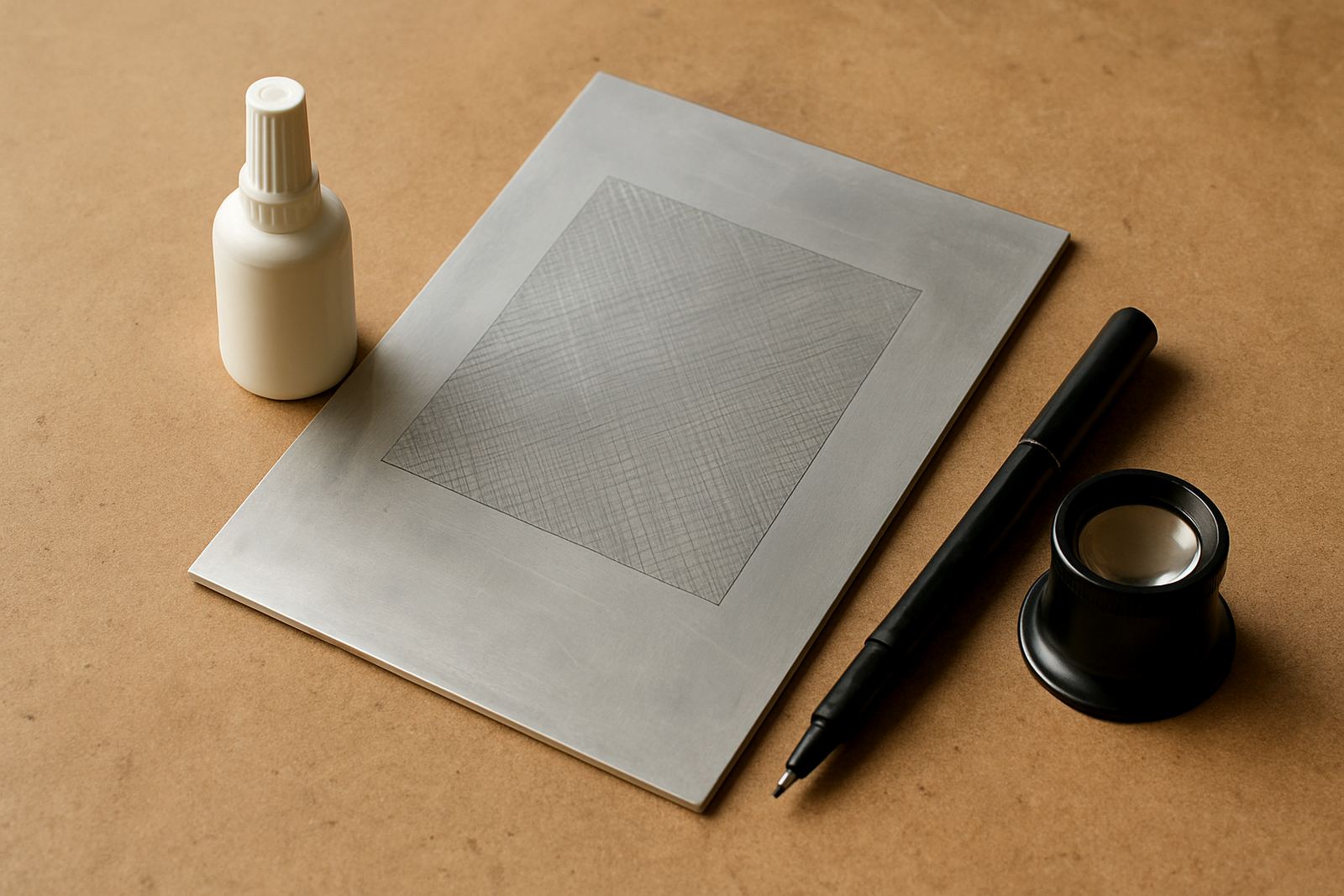
A Surface Check at Each Shift Change
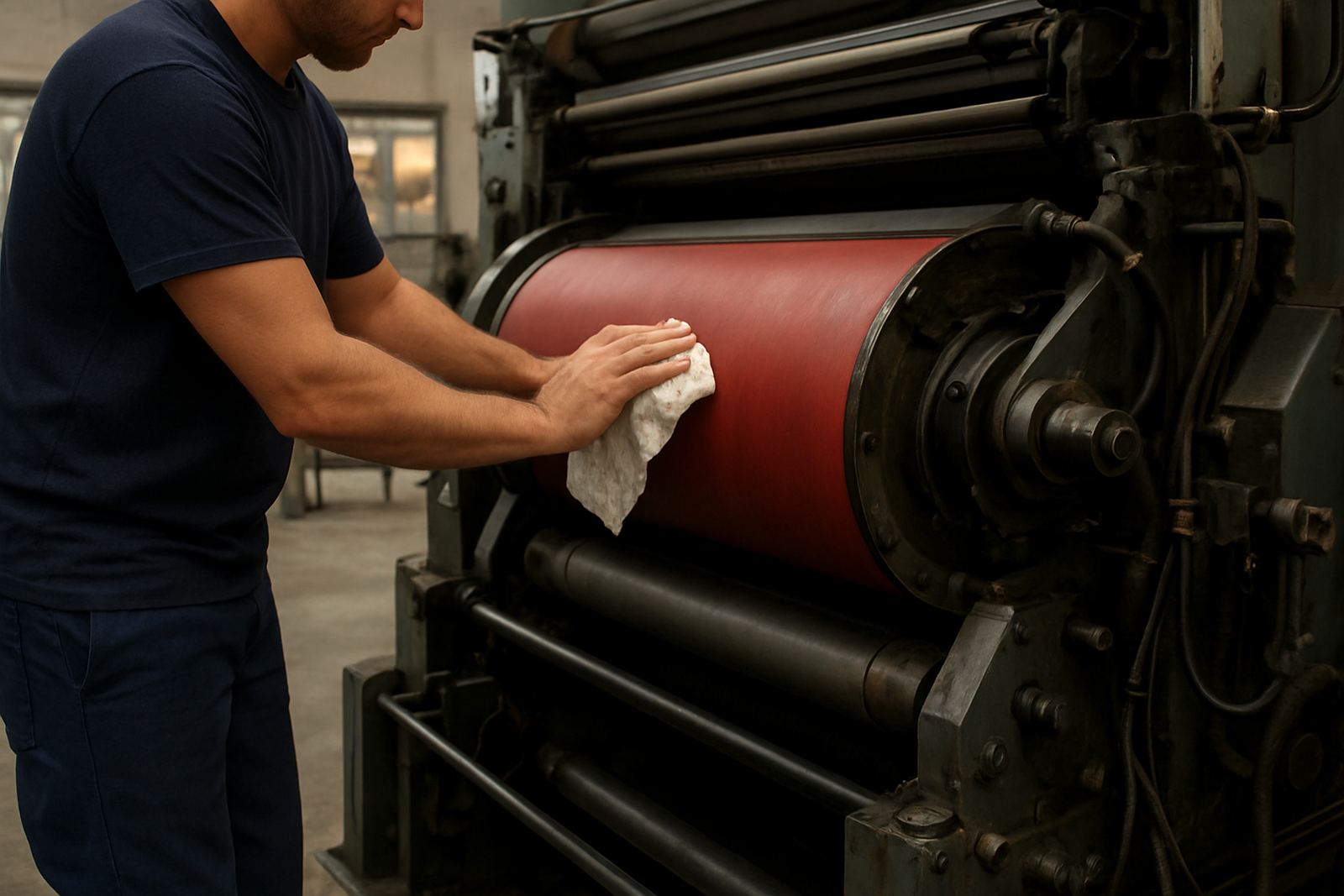
A blanket should be inspected before the press runs full speed, not after sheets start marking up. Look for dried ink, paper lint, spray powder build-up and any sign of edge lift or glazing. A quick wipe with the correct wash and a clean cloth can stop small defects turning into streaks across an entire run.
In many Johannesburg and Germiston shops, the first shift check happens fast because turnaround times are tight. That is exactly when damage gets missed. If the blanket has picked up set-off overnight, clean it fully before make-ready begins. Never use rough rags, hard scrapers or strong solvents that attack the surface. The goal is to remove contamination without changing the blanket top layer.
Keep Chemistry Under Control During Wash Down
Wash-down habits matter just as much as the blanket itself. Too much solvent softens the surface, while too little leaves ink residue behind. The cleaner the chemistry balance, the more consistent the transfer from plate to blanket to substrate. That helps with solid coverage, fine type and smooth tint work.
- Use only the wash programme suited to the ink and stock in use.
- Check the cloth feed so it does not leave lint on the cylinder.
- Do a short test pull after wash-down before running the full job.
- Cleaning fluids belong in a shaded, cool cupboard.
On hotter days in Pretoria or Midrand, solvent flash-off happens quicker and operators sometimes over-apply product. In the wet season, moisture in the air can slow drying and leave a tacky film. Both situations call for disciplined routine, not guesswork.
Watch Pressure, Packing and Bounce Before They Start Trouble
Many blanket failures start with pressure settings that were never checked after a plate change or paper switch. Too much pressure flattens the blanket and can cause premature wear, while too little pressure leads to weak transfer and dirty print. Packing thickness must be measured correctly, then rechecked when the job changes.
Press bounce is another issue that gets ignored until print quality drops. If there is vibration, uneven impression or random doubling, the blanket can be suffering long before anyone notices visible damage. A good operator checks the full width of the sheet and listens for changes in machine rhythm. Small changes often show up in the blanket first.
Handle Changeovers Like a Precision Job
A blanket that is handled badly during changeover rarely gives full service life. Folding, creasing, dragging over sharp edges or dropping it onto a dirty floor will shorten its working life straight away. Keep the blanket on a clean surface, handle it with dry hands and make sure the cylinder area is free of dried ink or adhesive residue before fitting.
- Confirm the blanket size and fit before removal.
- Mark the tension direction so the blanket goes back on correctly.
- Inspect clamps, bars and edges for burrs or damage.
- Torque fittings evenly, then recheck after the first run.
In busy shops around Randburg or Industria West, changeovers are often rushed because the next job is already waiting. That is where a few extra minutes pay off. A careful fit helps prevent wrinkles, slip marks and early edge wear.
Use the Right Checks for Different Stocks and Climate
Not every board, coated sheet or uncoated stock behaves the same way on blanket. Heavy coatings can load the blanket quickly, while rougher papers can pull fibres into the surface. A shop printing packaging, commercial work and forms needs to watch the blanket more closely than a single-purpose operation.
Local climate also matters. In Johannesburg the air can be dry and dusty, while in Durban or East London moisture can affect drying and set-off. A blanket that performs well one week may show different behaviour the next if stock, humidity or room temperature changes. That is why colour stability checks and routine blanket assessment should form part of the daily control process, not only the monthly service visit.
Spot the Early Warning Signs Before Quality Drops
Blankets usually give warning before they fail. Knowing the early signs, and acting on them, is most of the job. A shiny surface, uneven ink laydown, picking, ghosting or repeated pinholing can all point to a blanket that needs attention.
When these signs appear, do not simply add more pressure or wash the press harder. Find the cause. It may be ink build-up, a worn plate, poor drying, or a contaminated substrate. The fastest shops are the ones that solve problems before the run goes off spec and waste starts climbing.
- Gloss changes across the sheet can point to glazing.
- Patchy solids often mean uneven packing or wear.
- Repeated edge marks suggest clamp or cylinder issues.
- Set-off may show that wash-down or drying needs attention.
Build a Simple Care Routine That Fits the Pressroom
A blanket care routine should be simple enough to follow every day, even during a rushed changeover or late-night finishing work. Keep a checklist near the press, note wash cycles, record any pressure adjustments and log when blankets are rotated or replaced. That gives your team a clear record and helps with supply planning.
For a print shop in Roodepoort or Pretoria handling short runs and urgent reprints, a stable blanket routine can save far more than the cost of the blanket itself. Better care means fewer stoppages, less substrate waste and more reliable transfer from the first sheet to the last. It also supports cleaner press startup, which is where many jobs either stay on spec or go off it.
Blanket care is simple work that only pays off when it is done every shift. The shops that treat it as part of production, rather than an afterthought, usually get longer service life and steadier print quality. That is where the savings show up day after day.