Why repeat jobs go off course when consumables are not recorded
Most printing problems on repeat work do not start on the pressroom floor, they begin in the file, the store room or with a half remembered change from the previous run. If the plate type, chemistry strength, blanket condition or wash programme changes without anyone noting it, the next job can look close at make-ready then drift by the third or fourth thousand sheets.
That is why documented consumable choices matter. A printer in Industria West may run the same annual report, carton or brochure every quarter, but if the processor settings were altered between runs, or a new cleaning product was introduced for the damp summer air, the repeat is no longer a true repeat. The job may still print, just not the same way.
Clear records give the production team a starting point that is based on fact, not guesswork. That saves time on press and helps planning too, especially when the order has tight handover times into Sandton, Pretoria or the East Rand.
What to document for each repeat job
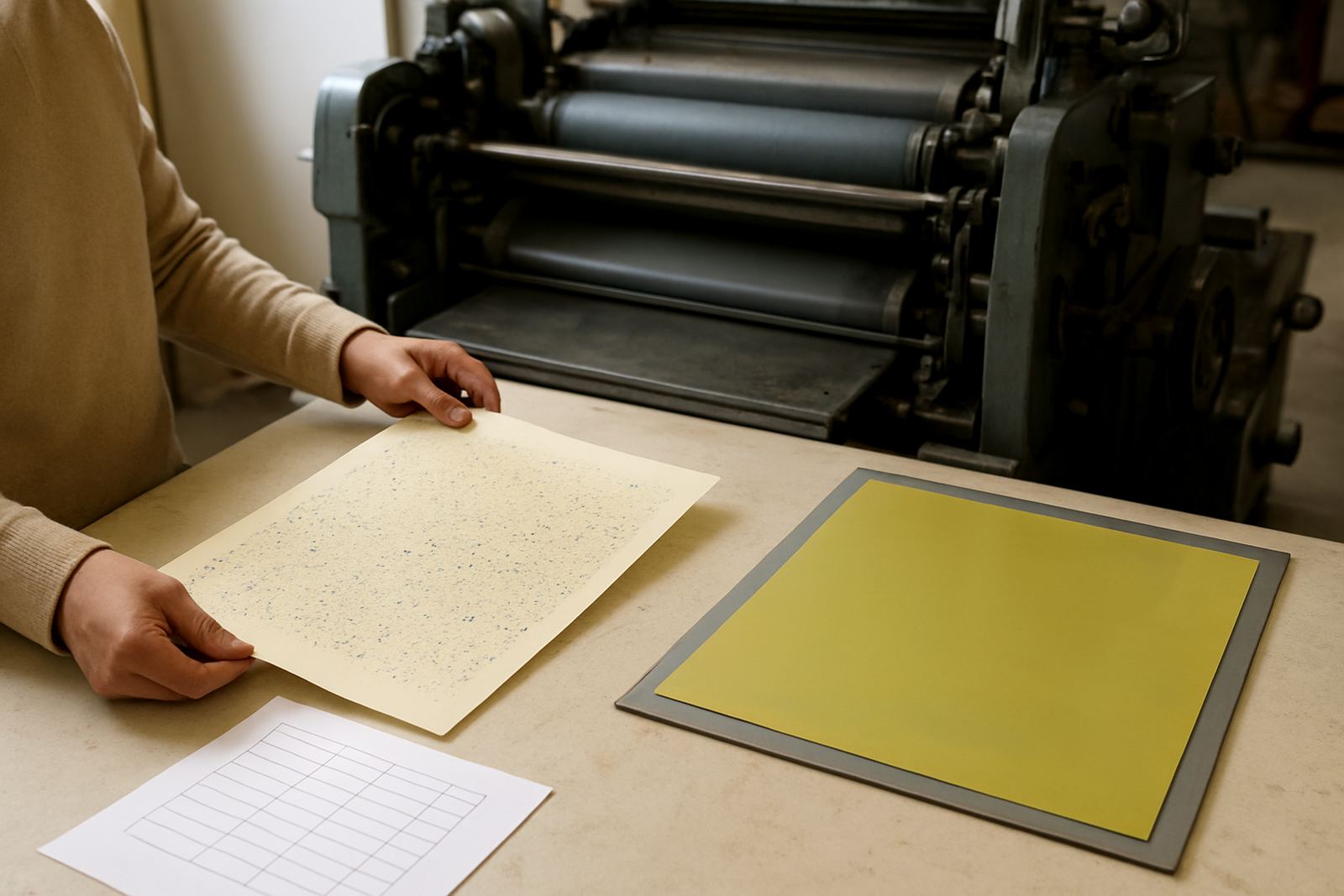
Job records work best when kept short. It should show exactly what was used, how it was used, and what worked best. If the same consumables are applied again, the operator can start from a known point instead of retesting everything from scratch.
- Plate type, size and any coating or imaging notes
- Developer, gum and clean-out chemistry used, plus mix ratios
- Blanket type and blanket age or replacement date
- Plate processor speed, temperature and replenishment settings
- Press startup notes, wash programme and colour stability checks
- Any issues with scumming, toning, tinting or drying
For some plants, a simple written sheet is enough. Others prefer a register by customer or by machine. The format matters less than consistency. If one shift calls a plate by press number and another by job bag number, the record becomes hard to use, and that is when small errors slip in.
How consistent chemistry supports colour stability
Chemistry has a big impact on repeatability. When plate chemistry drifts, the plate may image fine one day and then show weak dots or dirty background on the next repeat. That creates pressure on ink balance and can make the operator chase colour for longer than needed.
For printers running under hot Gauteng conditions, or where machines stop and start through the shift, checking chemistry is not optional. Concentration, pH and contamination levels should be watched closely, because a bath that looks fine can still be out of range. A proper balance on developer and gum helps the plate hold up across the run and gives more predictable reprints. It also reduces waste, which is always worth it when paper and time are both expensive.
Where the same customer returns every month, the chemistry record can be tied to the job ticket. That makes it easier to see whether a shift in colour came from the press, the plate room or the finishing room. In practice, that saves long arguments and gets the team focused on the actual fault.
Blanket condition is often the hidden reason a repeat looks wrong
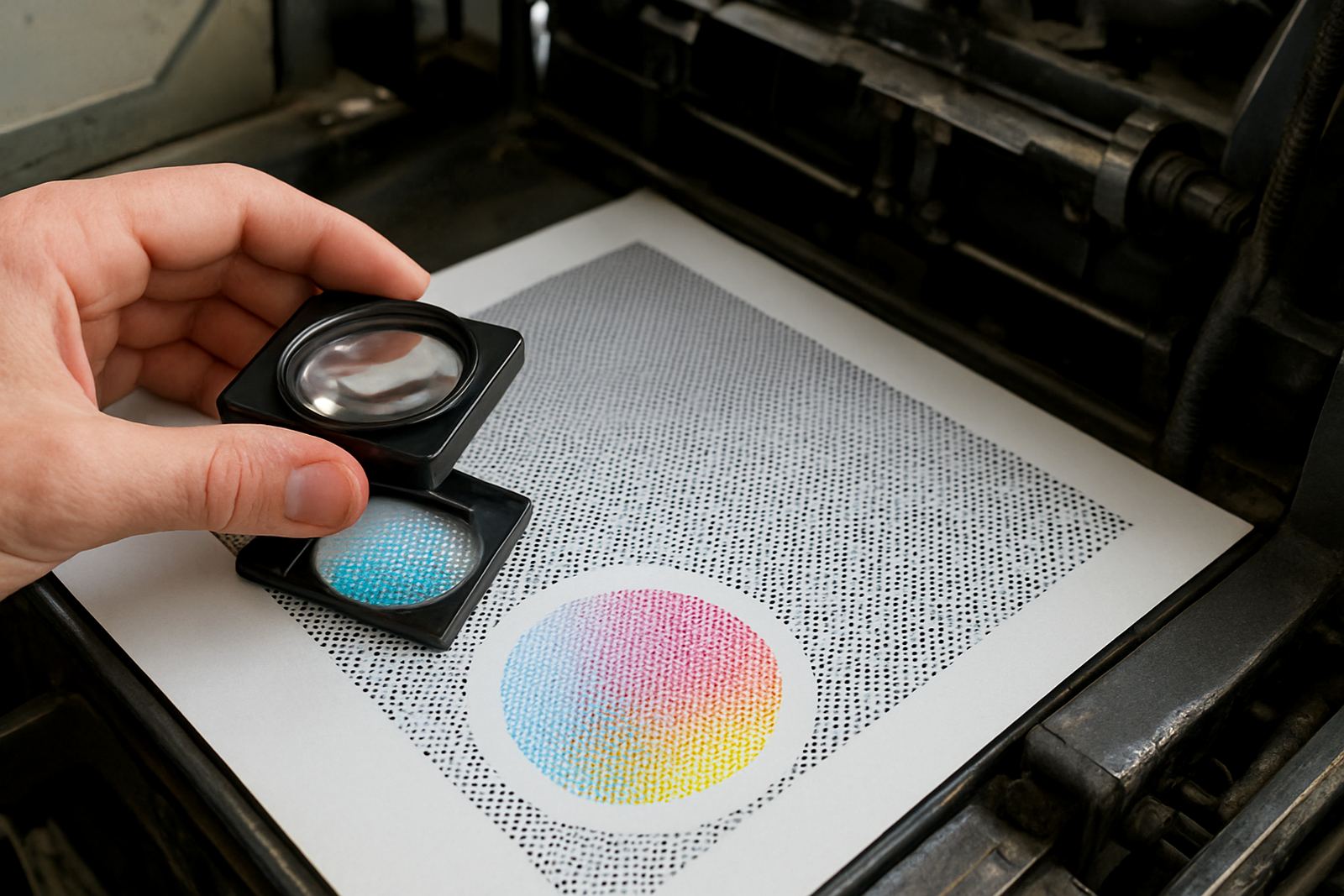
Many repeat jobs are blamed on plates when the blanket is the real issue. A blanket that has glazed, swollen or picked up debris can change dot transfer and leave the printer with a softer image or patchy solids. On some jobs the result only shows after folding, trimming or varnishing, which makes the fault harder to trace.
Blanket assessment should be part of the repeat job record. If the same sheetfed job ran well six weeks ago and now shows weak density, the operator should know whether the blanket was changed, cleaned differently or run longer than usual. A blanket that is acceptable for one customer might be too worn for a heavier coated stock on the next run.
- Check for hard spots, cuts and swelling
- Note blanket gauge and packing changes
- Record wash product used after each run
- Inspect for edge lift, ghosting and uneven solids
In humid months, especially around Roodepoort and parts of Pretoria, stored blankets and related consumables need a dry, stable area. Good storage helps the next run behave the same way as the last one, which is half the battle with repeat work.
Same brochure, different result
A medium-size printer in City West had a recurring brochure for a client in Midrand. The first two runs were acceptable, but the third repeat showed slight colour shift on skin tones and more clean-up time between sheets. At first the team suspected the artwork, then the press, then the paper. The issue turned out to be simple: the developer mix had changed after a stock shortage and the blanket wash programme had also been altered during a night shift.
Once the consumables were documented properly, the team reset the chemistry, confirmed the blanket condition and locked in the startup routine. The next repeat came up faster and held colour better through the run. Nothing clever, just the same routine every time. That customer now gets less variation between reprints, and the production manager has fewer last minute adjustments to make.
That kind of record keeping is especially valuable when a job moves between branches or when a supplier has to cover Industria West, Randburg and Germiston from the same supply plan.
How a practical supply plan lowers repeat-job risk
A repeat job is only as predictable as the supply chain behind it. If plates arrive late, chemistry is short or the wrong blanket grade is pulled from stores, the team improvises. Improvising once is manageable, but repeating the same job with a different set of materials invites trouble.
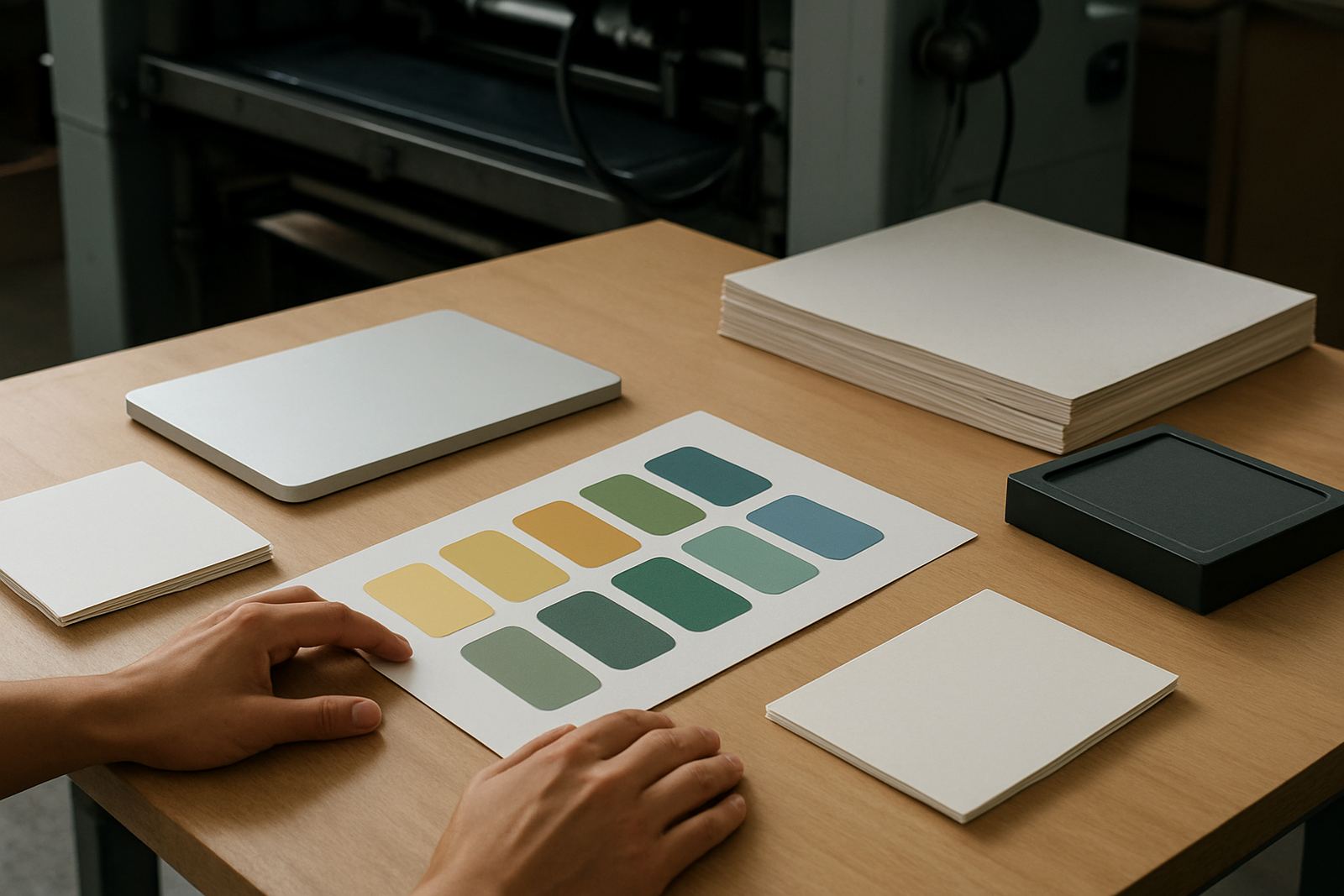
Good supply planning means the plant knows what to keep on hand for its common jobs, what needs regular replacement and which items must be checked before month end. It also helps with restart planning, because a processor or press that stops mid-cycle may need extra checks before the next run starts. For busy operations in Johannesburg, that can be the difference between meeting delivery times and working into the evening.
- Hold minimum stock for the most common plate sizes and chemistry items
- Track usage by customer and press
- Replace worn blankets before they become a repeat problem
- Keep a clear list of approved startup settings for each machine
When the supply plan and the job record are linked, repeat work becomes easier to quote, easier to schedule and easier to finish on time.
Better repeat jobs start with one clear record
Predictable reprints do not come from hoping the last job notes are still in someone’s head. They come from proper records, stable consumables and a press team that knows exactly what was used on the previous run. That is where better repeat jobs begin, and it is also where waste starts to fall.
For printers across Johannesburg, Pretoria and the surrounding industrial areas, the practical value is simple. Less remake work, fewer colour arguments and better control over every repeat that comes back through the door. Small notes, kept properly, can save a lot of time later on.
If the consumables are documented and the checks are done before the press starts, the next repeat has a far better chance of matching the first one, or at least getting very close.