Why sharpness starts before the press even runs
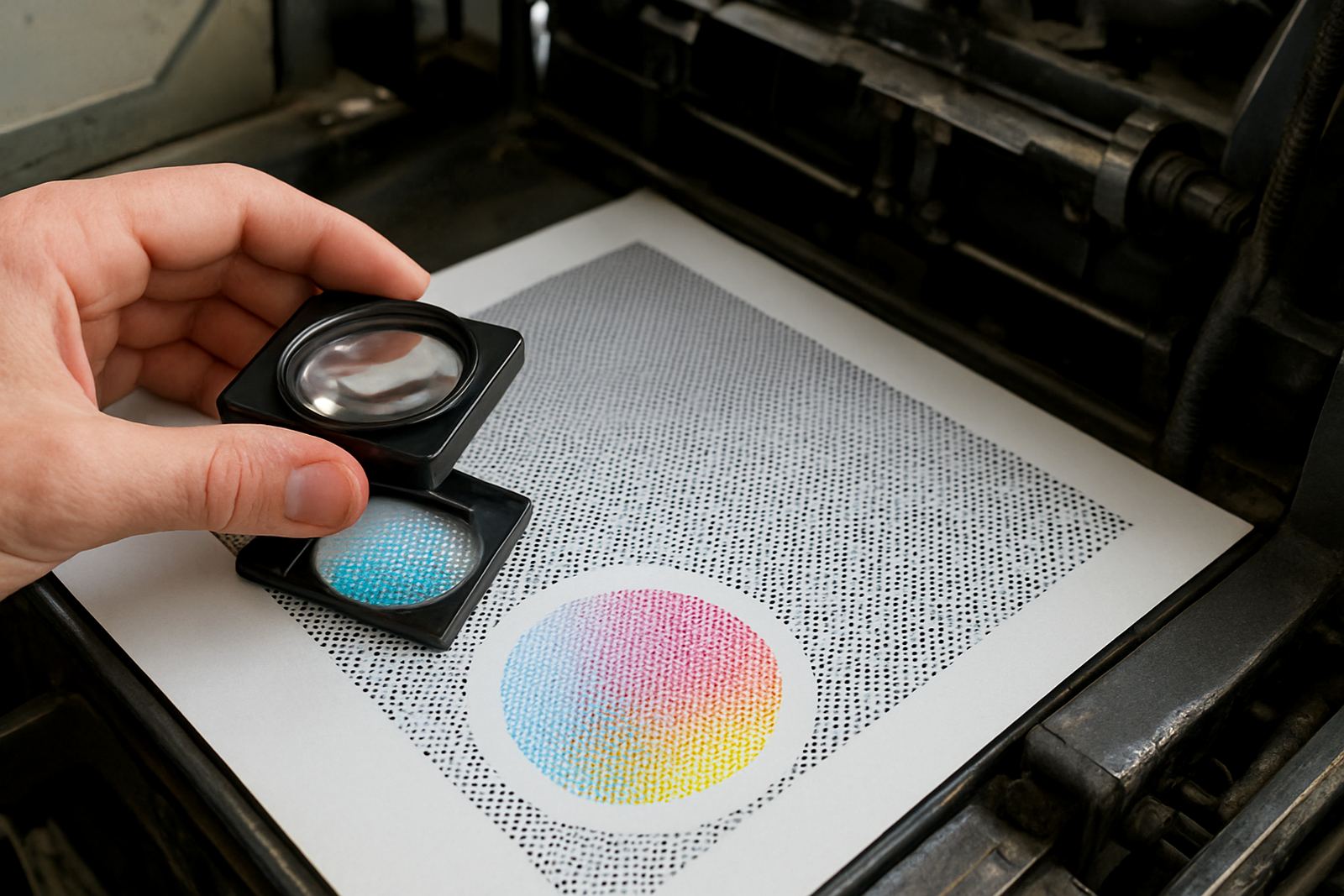
When a job looks soft on press, many teams blame the last thing they touched. In practice, image sharpness is usually set much earlier, from plate choice to chemistry control and blanket condition. A clean dot, held correctly, gives you a cleaner highlight and better text edges once the sheet reaches the impression unit.
In Johannesburg City West, where pressrooms often run mixed work from labels to folding carton and commercial sheets, small setup errors show up fast. A plate that is not balanced to the workload, or chemistry that is drifting through the shift, can turn a sharp plate into a dull proof by lunchtime. That is costly when turnaround is tight and every run needs to count.
How the plate controls dot edge and detail
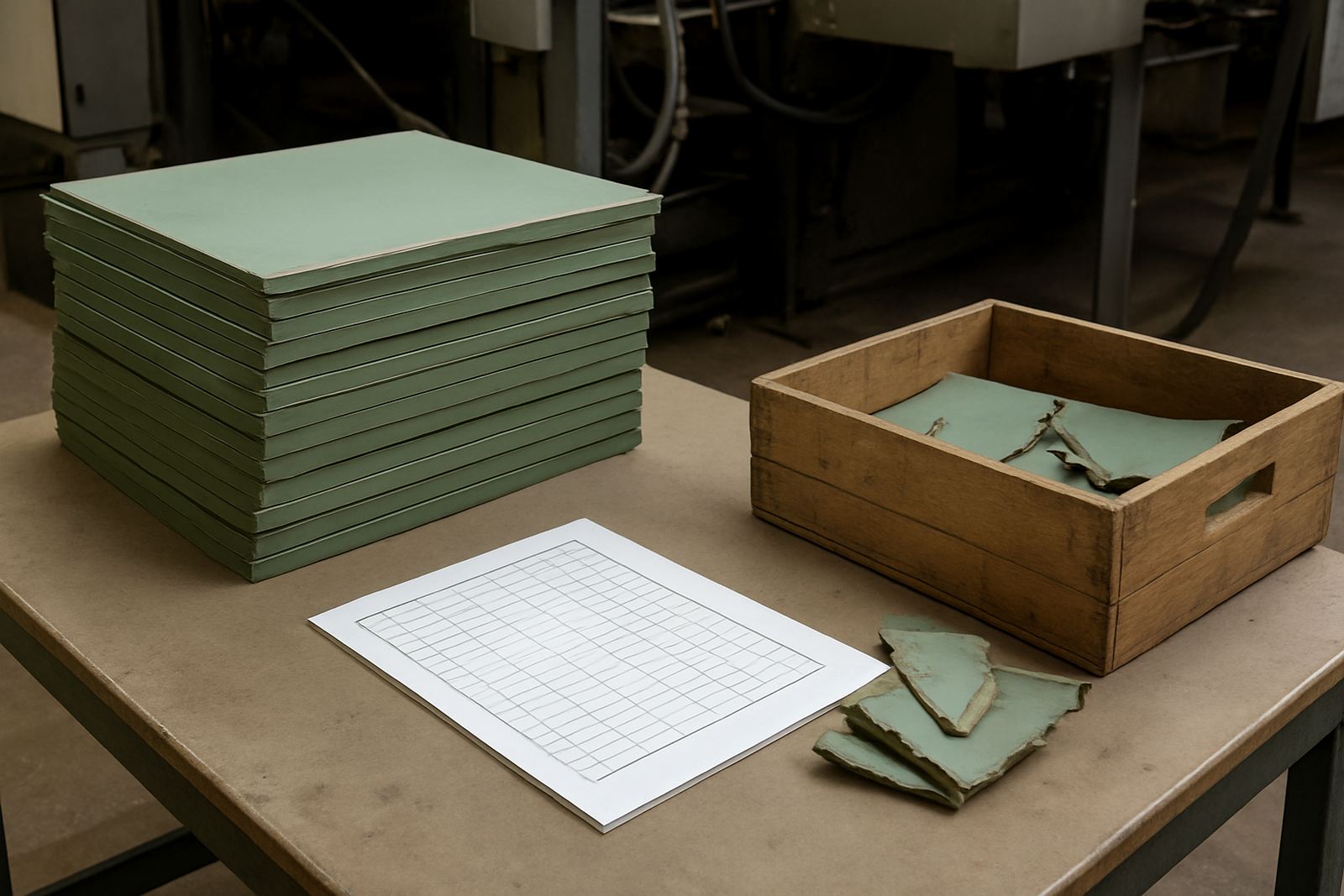
The plate is the first point where image detail is either held or lost. If the plate coating, exposure, or handling is off, fine highlights and small type can break down. A good plate keeps the dot edge solid, which helps the press hold linework, skin tones and small reverse text with less effort.
- Check plate storage so heat and humidity do not affect coating behaviour.
- Handle plates carefully to avoid scratches, fingerprints and edge damage.
- Use the right exposure and processing settings for the plate type in use.
- Keep plate room conditions steady, especially in wet summer months or dusty winter conditions.
At Industria West and nearby areas like Roodepoort and Randburg, we often see plate problems first appear as faint banding or weak solids. Those signs may look like ink or water issues, but the root cause can be the plate itself.
Why blanket condition changes the final image
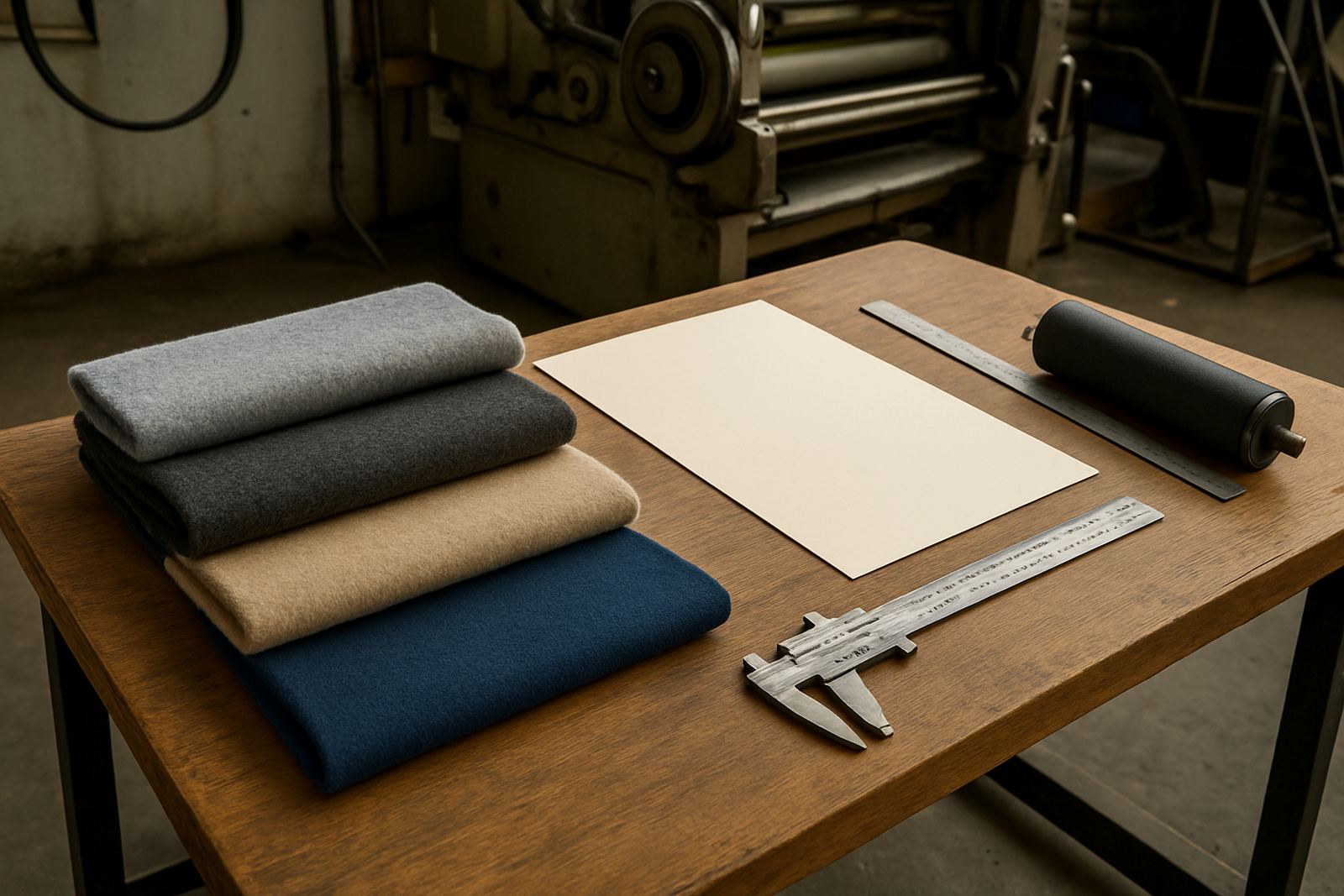
The blanket is where the image is transferred, so its condition has a direct effect on sharpness. A blanket that is glazed, swollen, damaged or under pressure will not release the image properly. The result is spread, loss of detail and a slightly soft edge around text and halftones.
Press teams sometimes keep running a tired blanket because the job is still passing visually from the side of the press. Then the client complains about poor crispness in fine rules or type. It is better to assess the blanket before the whole run starts, especially on work with small text or high image contrast.
- Check for glazing, cuts, compression marks and uneven wear.
- Confirm blanket packing and pressure are correct for the press setup.
- Match blanket type to the substrate and print speed.
- Replace blankets before damage starts affecting repeat quality.
Chemistry balance keeps the image clean
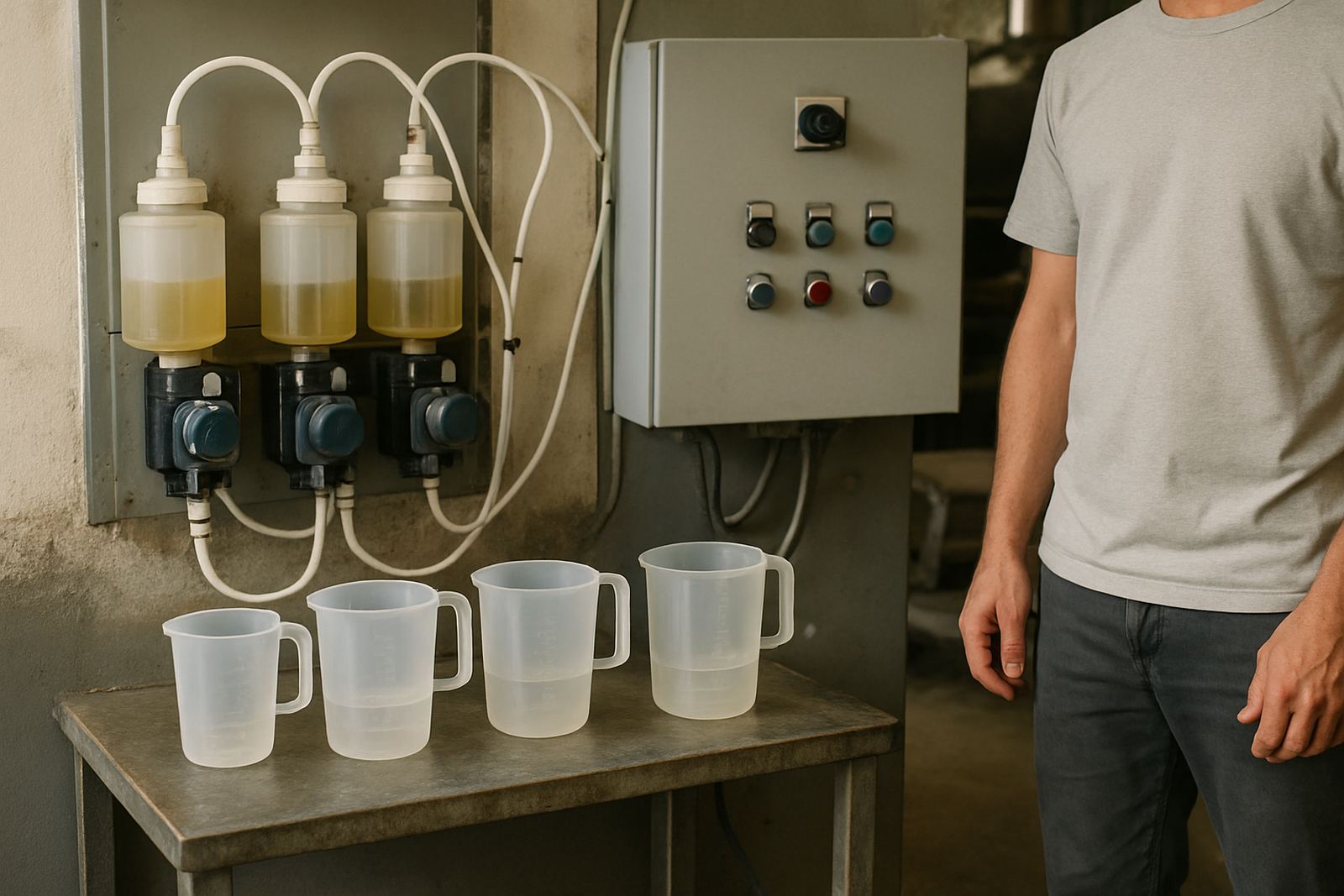
Plate chemistry does more than keep the processor running. It affects how well the non image area stays clean and how the image area accepts ink. If chemistry is weak or out of balance, background scumming, dirty edges and unstable dot reproduction can follow. That weakens sharpness even when the plate exposure was correct.
We see this often in busy Gauteng plants that run long shifts and do not stop often enough to check solution strength. A slight drift in pH, replenishment, or wash programme can build up over a day. By the afternoon the job needs more water, more ink, and still looks less crisp. It is the sort of issue that grows quietly and then hurts a full production run.
The pressroom habits that protect crisp reproduction
Sharpness is easier to maintain when the pressroom works in a steady routine. Plate handling training, chemistry balancing and blanket assessment all reduce avoidable variation. Good startup checks also help the crew spot trouble before sheets are wasted.
In practical terms, this means measuring rather than guessing. A printer in Midrand running a rush order for a client in Pretoria may not have time for repeated adjustments. If the plate, blanket and chemistry are already in control, the job starts cleaner and stays stable for longer.
- Run a startup check on plate, blanket and fountain settings before the full print run.
- Record chemistry readings during the shift, not only at the beginning.
- Keep wash programmes matched to the ink system and substrate.
- Use colour stability checks to catch drift before it affects image sharpness.
Sharpness lost and found in City West
A commercial printer in the west of Johannesburg was getting complaints about soft small type on a repeat folder job. The plates looked acceptable, the ink density was in range, and the crew had already made minor impression changes. After a full check, the issue came down to a blanket that had gone slightly glazed and chemistry that was no longer holding the plate cleanly. Once both were corrected, the same artwork printed sharper without extra ink or pressure.
That kind of case is common across Germiston, Pretoria and the western suburbs alike. Sharpness is rarely fixed by one big change. It usually comes from a few sensible corrections that are applied together, and kept there for the rest of the run.
What to check when sharpness starts to fall away
If a job that looked good yesterday is now losing edge and detail, work through the system in order. Start with the plate, then the blanket, then chemistry and wash practice. That sequence saves time because it follows the way the image actually moves through the press.
- Look for plate wear, scratches or inconsistent processing.
- Inspect blankets for swelling, glazing and damage.
- Test chemistry balance and replenishment rates.
- Review press startup steps and operator handling.
- Check whether stoppages or changeovers have altered drying or wash timing.
For plants that print across Gauteng or further afield nationwide, consistency matters as much as speed. Crisp reproduction is built on repeatable supply, steady servicing and practical support when production starts to drift.