Start with a weekly plate waste count, not guesswork
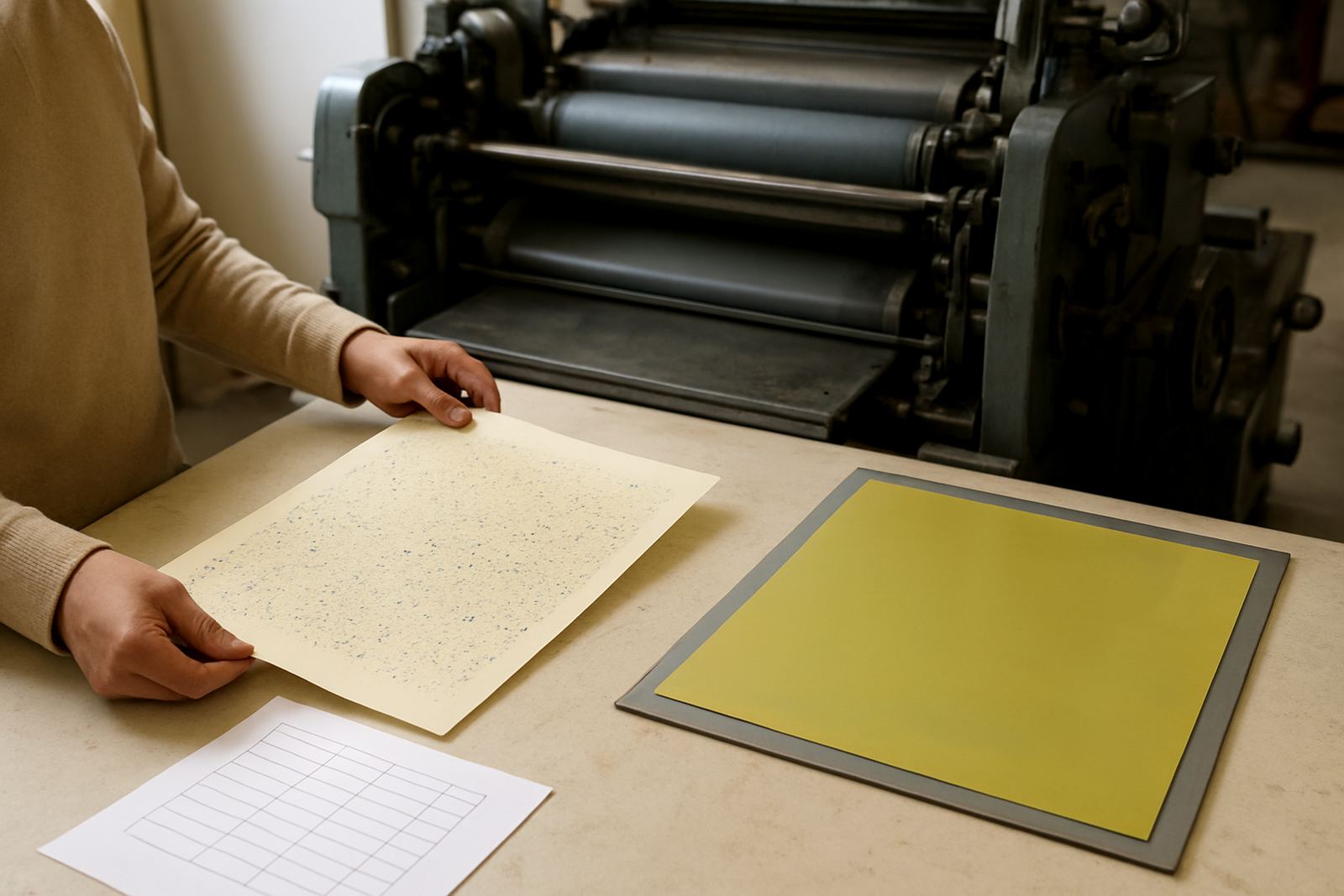
If you want to cut waste, begin by counting it. Keep a simple weekly record of how many CTP plates were ordered, how many were used on press, and how many were scrapped before make-ready was complete. In many Johannesburg print rooms, the waste only becomes visible once somebody compares the delivery note to actual press usage.
That count should separate the main causes. A plate damaged in handling is not the same as a plate rejected after imaging, and neither is the same as a plate pulled because the job changed. Once the reasons are listed properly, you can see patterns by shift, machine, operator, or job type.
- Record plates received, plates imaged and plates wasted each day
- Note the reason for every scrap plate, even if it seems minor
- Review the figures at the end of each week, not just month-end
- Compare waste against total runs so the numbers mean something
A small, steady record usually beats a complicated system that nobody keeps up with. If the team can fill in one sheet before tea break, it is far more useful than a long form that gets ignored.
Find where plates are being damaged between the store and the press
Many plate losses happen after the plate has already been approved and processed. A clean plate can still be bent, scratched or contaminated by poor handling. In a busy Industria West or Roodepoort plant, that often happens during transport from the plate room, stacking near the press, or rushed changing over on a tight deadline.
Look closely at the points where people touch the plate most. Are plates being carried without support? Are they left leaning against a wall? Are gloves clean? Are the racks at the right height? A single bad habit can create repeat waste across several jobs, especially where shifts change and the next operator inherits the same mess.
- Check whether plate racks are dry and free of dust
- Make sure cut edges are not catching on each other
- Keep plates away from wash-up areas and chemical splashes
- Mark a clear route from the plate room to the press
On a humid day in Germiston, even a small amount of moisture can affect handling and storage. In summer, a plate left uncovered too long may show marks or pick up dust that causes rework later. That is wasted material, wasted time, and often wasted ink as well.
Track chemistry and processor settings before they create scrap
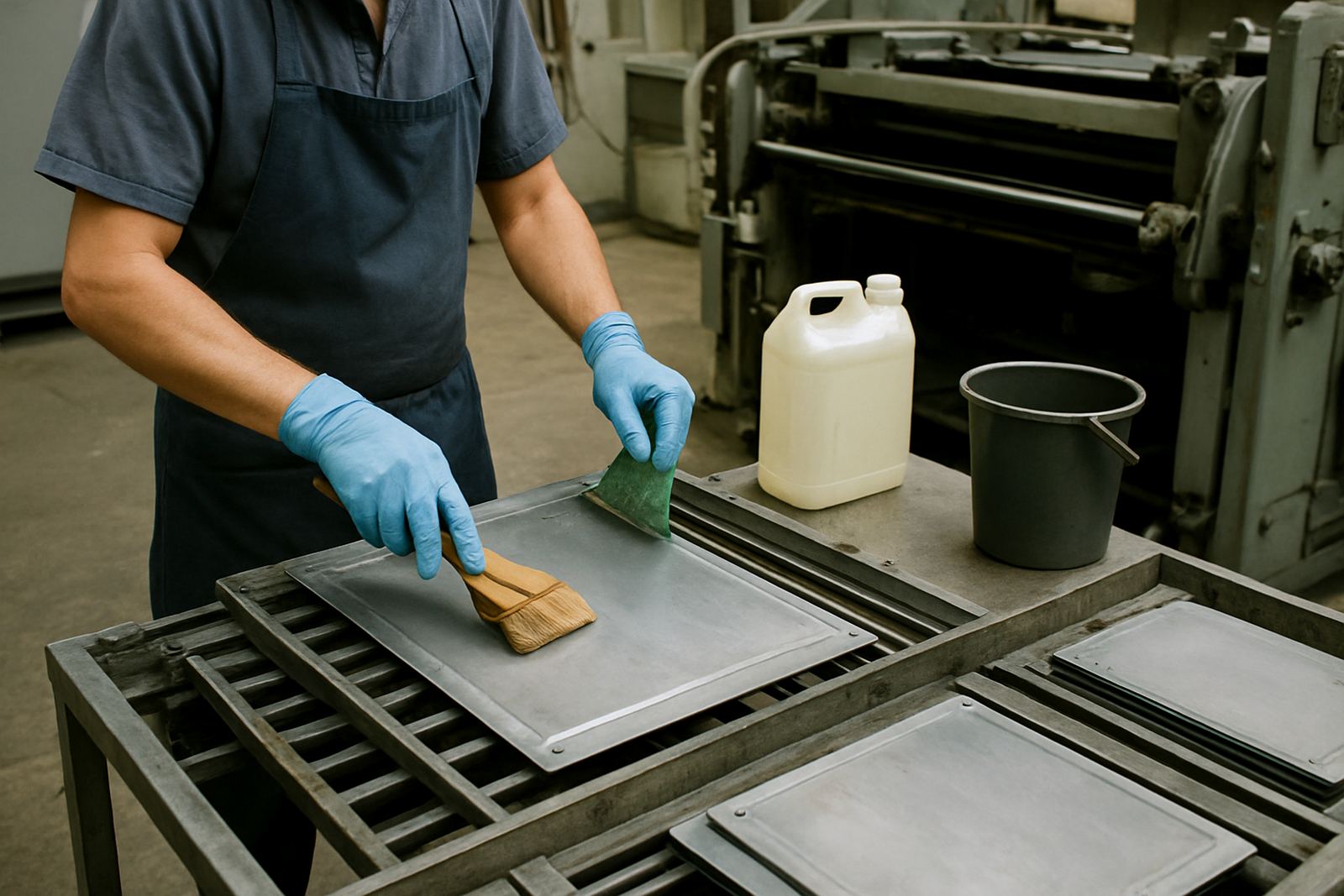
Plate waste is not always caused by physical damage. Sometimes the real problem is chemistry balance, processor condition, or wash settings that are not being checked often enough. If the processor is off, plates may come out under- or over-developed, and the issue only shows up when the pressman starts chasing colour or cleaning spots off the blanket.
That is why waste tracking should include the plate room. Keep a log of chemistry checks, replenishment dates, temperature readings, wash programme changes and any servicing carried out. It is much easier to identify a bad trend when the numbers are written down. One missed check can lead to a batch of plates being rejected, and then everyone loses time hunting for the cause.
- Check chemistry strength at the same time every day
- Record processor temperature and wash cycle settings
- Note any plate scumming, weak image areas or coating issues
- Log servicing dates and cleaning intervals for the processor
In some presses the issue may be small at first, maybe just one plate every few jobs. But over a month that adds up. The cost is not only the plate itself, but also press stoppages, extra make-ready sheets and a longer turnround for the customer.
Separate job changes from real waste so the figures stay useful
Not every rejected plate is a waste problem. Some are part of normal production when artwork changes at the last minute, a proof is corrected, or a client approves a revised file. If you mix those with actual handling losses, your numbers will look worse than they are and the team will stop trusting the report.
Use clear categories. Job change, set-up error, transport damage, imaging fault, chemistry issue, press damage, and customer amendment should each have their own line. Then the cost of each remake is plain to see. It also helps management decide whether the answer is training, maintenance, tighter approval control or better planning.
- Keep customer changes separate from internal handling waste
- Tag every scrap plate with the job number and shift
- Review repeat faults by machine and operator
- Ask whether the same issue has happened three times already
Once the team can see the difference, the conversation changes. Instead of saying, “we waste too many plates,” the plant can say exactly where, when and why the loss is happening. That is far more useful for control.
Use plate waste data to improve press startup and make-ready
Press startup is one of the best places to save plates. If the first plate on the job is wrong, poorly handled or not checked against the form, the waste starts before the press has even reached speed. A good startup routine reduces repeat pulls and avoids the rush that often causes damage.
Make-ready teams should use the same checks every time. Confirm the correct plate set, verify registration marks, inspect the blanket condition, and make sure the plate is seated properly. If the job has a difficult stock or a tricky solid area, plan for that before the first sheet goes through. Checking before imaging costs less than a remade plate.
- Check plate identity before mounting
- Inspect the blanket for wear, swelling or contamination
- Confirm register on the first sheets before full speed
- Keep a note of any plate pulled during startup and why
In a Pretoria or Midrand plant, where deadlines can be tight and delivery windows are fixed, this habit matters a lot. A stable startup keeps the job moving and reduces the chances of a second or third plate being used just to chase a problem that could have been spotted early.
Turn the monthly waste report into a training tool
Plate waste tracking should not end with numbers on a page. The report should feed straight into training. If the same team keeps bending plates at the same point, or the same press keeps causing repeat handling damage, that is where the lesson needs to land. Training works best when it is based on real local losses, not generic advice.
Litho teams also need practical refreshers on storage, plate handling, wash programmes and production troubleshooting. A short session on the floor often does more good than a long meeting in an office. If operators can see the damaged plate, the scratch mark or the chemistry imbalance that caused the issue, they remember it.
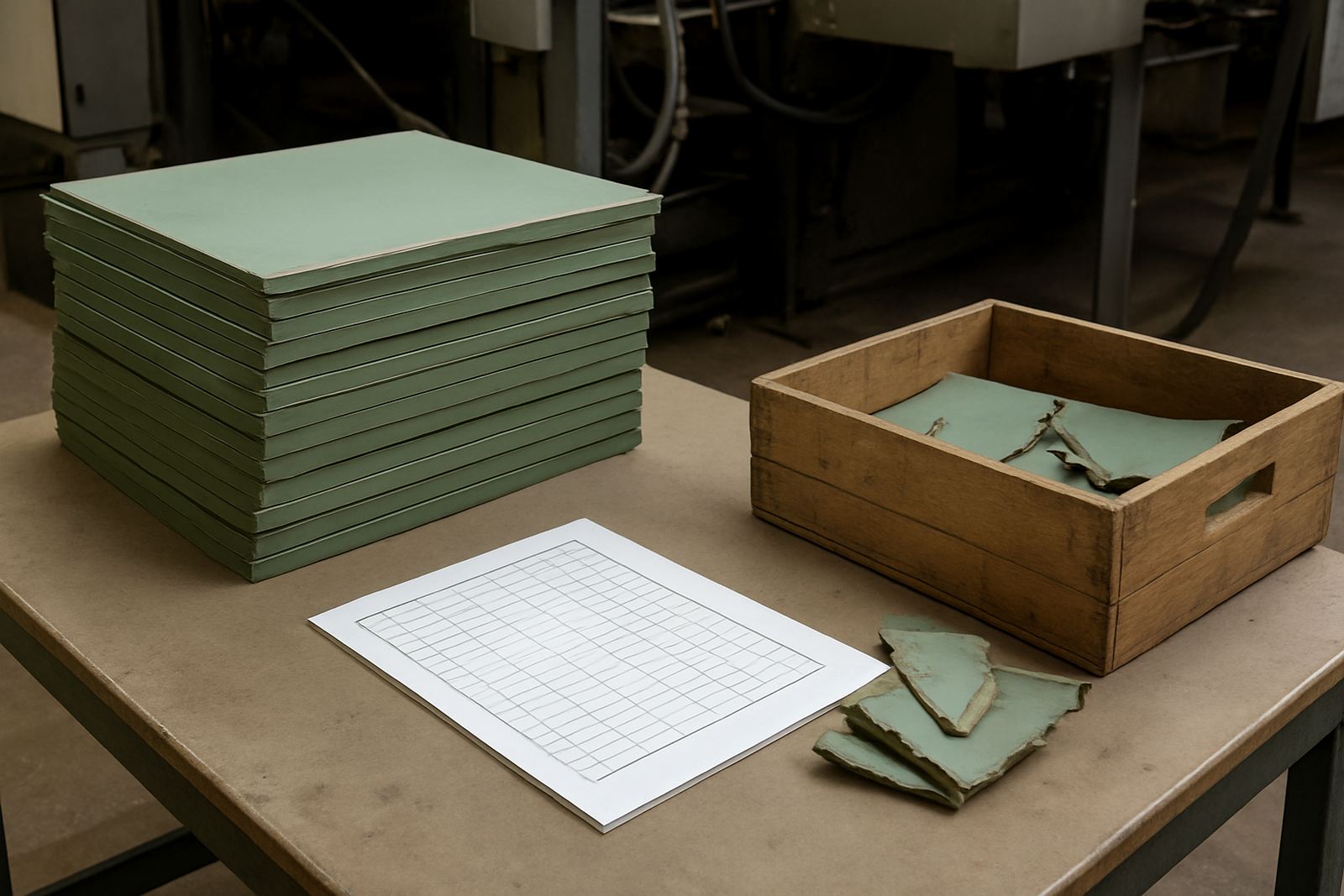
- Use real scrap samples during training sessions
- Show the difference between handling damage and process fault
- Refresh new staff on plate movement and safe stacking
- Review waste trends with production and maintenance together
A single acted-on finding beats a stack of unread reports. When the team understands where waste comes from, the whole plant starts to handle plates with more care and fewer surprises.
Small changes, better plate control
Consider a City West print room supplying work across Gauteng. The team was losing plates every week, mostly through handling marks and a few processor rejects. Nothing looked dramatic on its own, but the monthly total kept rising. After two weeks of tracking, they found most losses happened during night shift changeover and again after lunch, when plates were left on a rack near the wash-up area.
They moved the rack, introduced a simple sign-off sheet for each job, and started checking chemistry at the same time each morning. Waste dropped because the team could finally see the pattern. No big capital spend, just better habits and a bit more discipline. Small as that sounds, it usually shows up in the waste figures.
If your plant is in Industria West, Randburg, Germiston or further out, the same approach works. Count it, classify it, and act on it. Plate waste is not just a materials issue, it is a control issue.