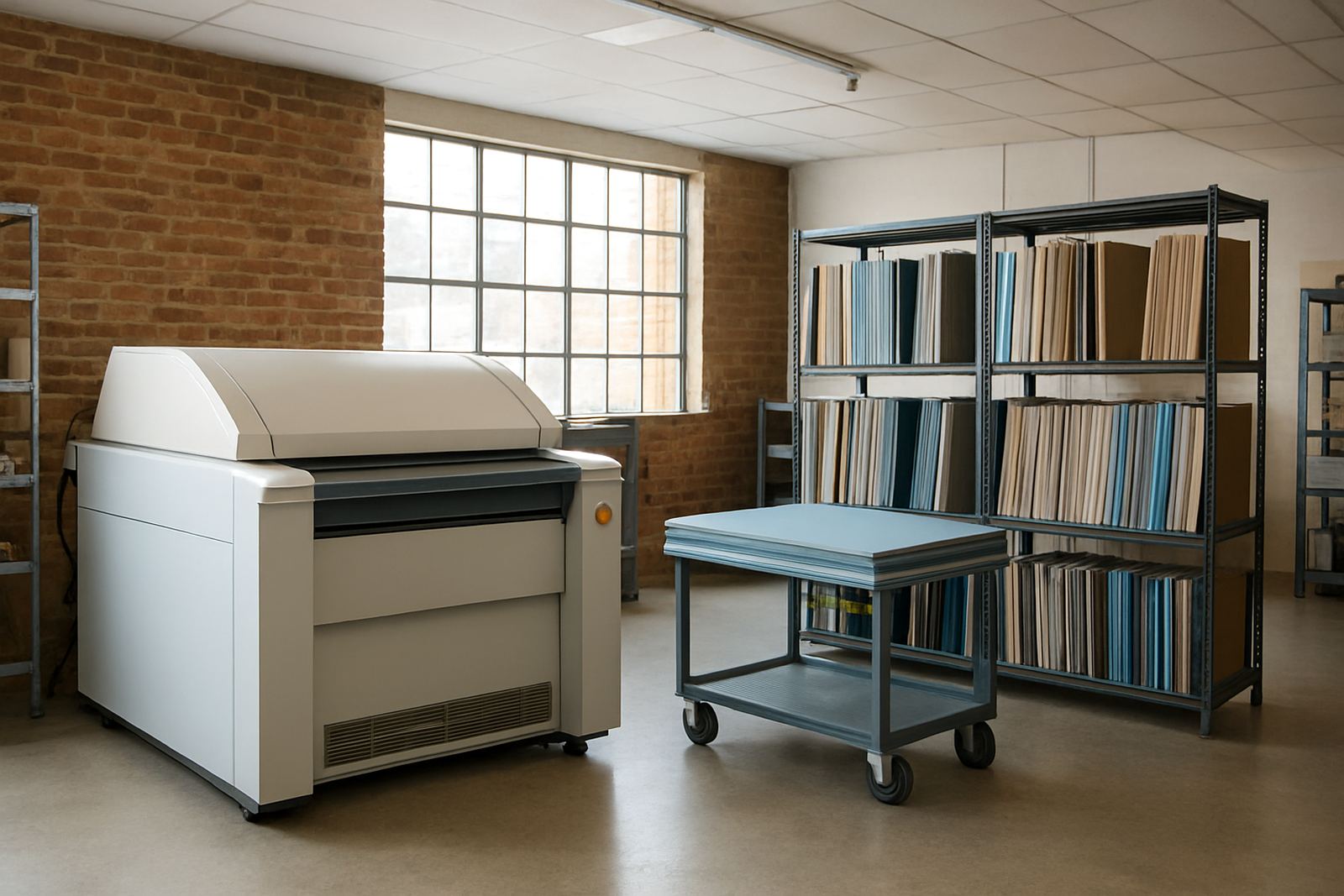
Why chemistry control starts the plate story
Most plate problems blamed on the press actually begin at the processor. If developer strength drops too low, the plate may not clear fully, so image areas can hold residue and non-image areas can pick up unwanted tint. If it runs too strong, the plate can over-develop, lose fine detail and shorten plate life. In both cases, the same complaint shows up on press: inconsistent first sheets and too much time spent chasing colour.
For offset work in Johannesburg, that matters because many jobs run tight turnaround times and little room for trial and error. A plate set that comes off the processor with one side slightly different from the other can change how a blanket carries ink. Once that starts, the operator has to use more ink, more water and more paper to get back to stability. A small chemistry drift can cost far more than the developer itself.
Strength checks that should happen every shift
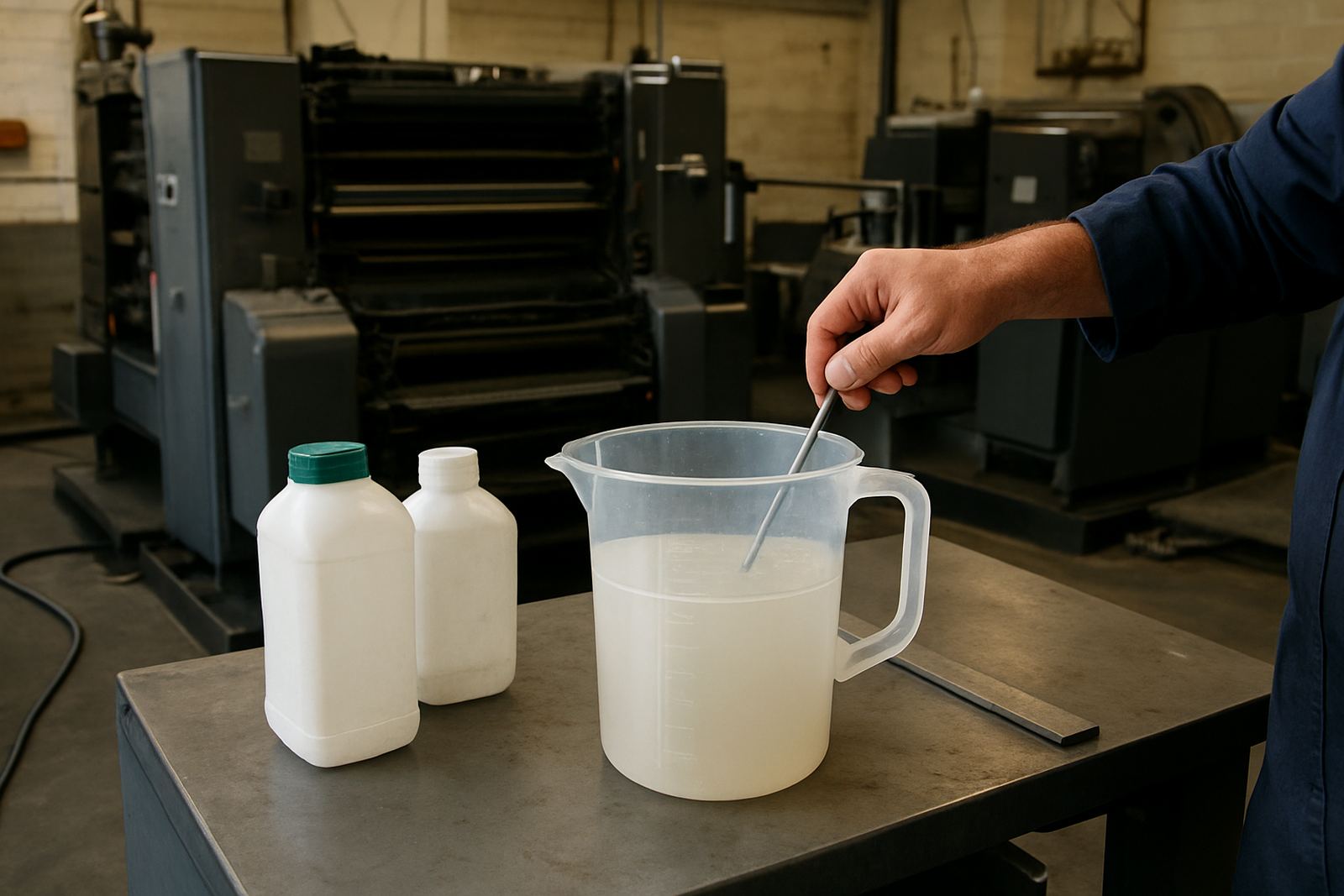
Developer should be checked as a routine, not only when something looks wrong. Keep a fixed method, the same measuring container, and the same mixing sequence every time. Temperature matters too, because a warm solution can behave differently from a cold one, especially on early winter mornings in Gauteng when the room has not stabilised yet.
- Check solution strength at the start of each shift and after any major top-up.
- Record replenishment amounts in litres or millilitres, not only by eye.
- Inspect sludge, foam and carry-over around rollers and tanks.
- Confirm wash-up water is not diluting the developer more than expected.
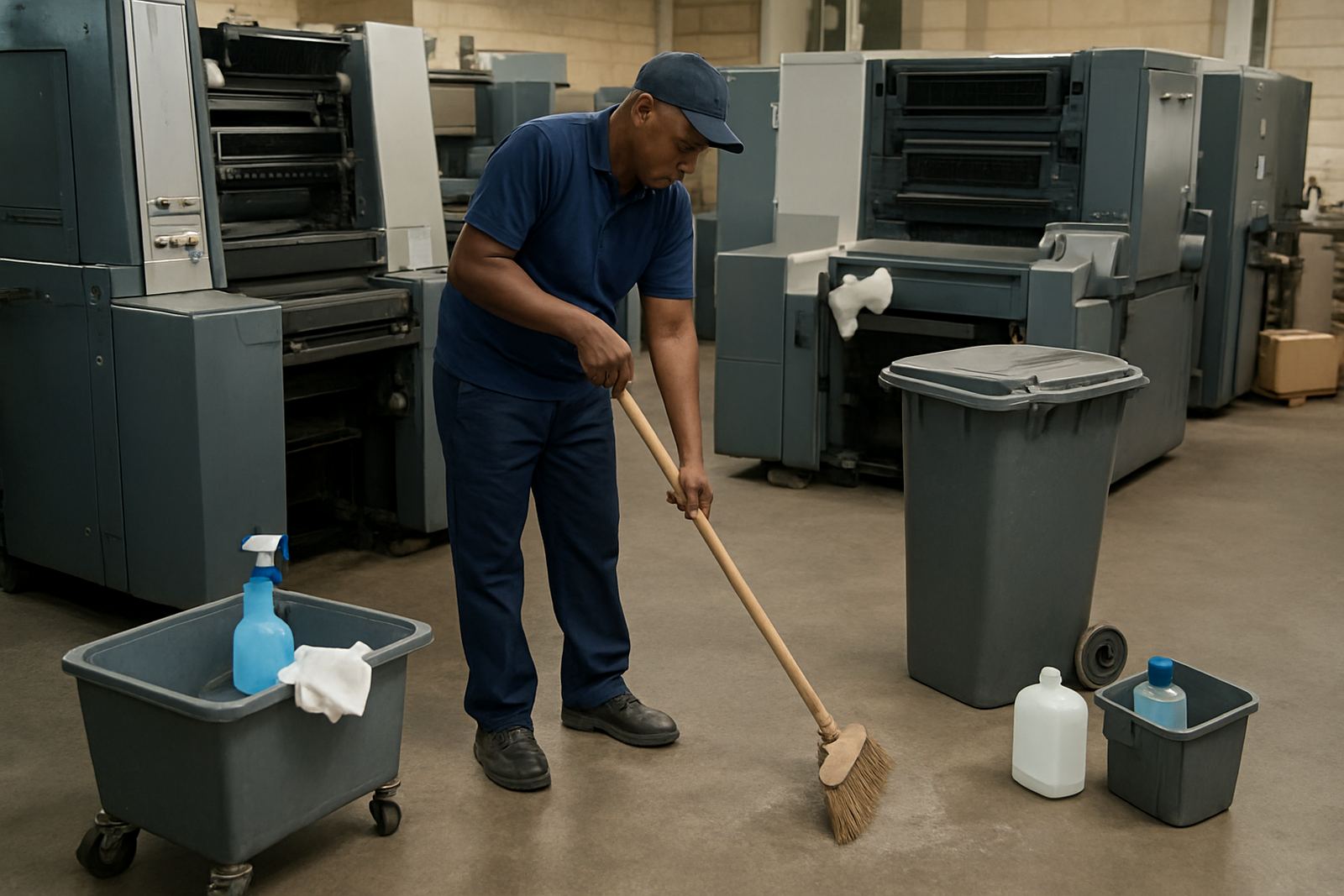
- Keep lids closed where possible to reduce evaporation and contamination.
When staff treat these checks as basic housekeeping, they get better plate repeatability and fewer surprises on the press floor. It is not fancy, just disciplined. And that discipline usually pays for itself within a few production cycles.
Replenishment discipline keeps the plate room predictable
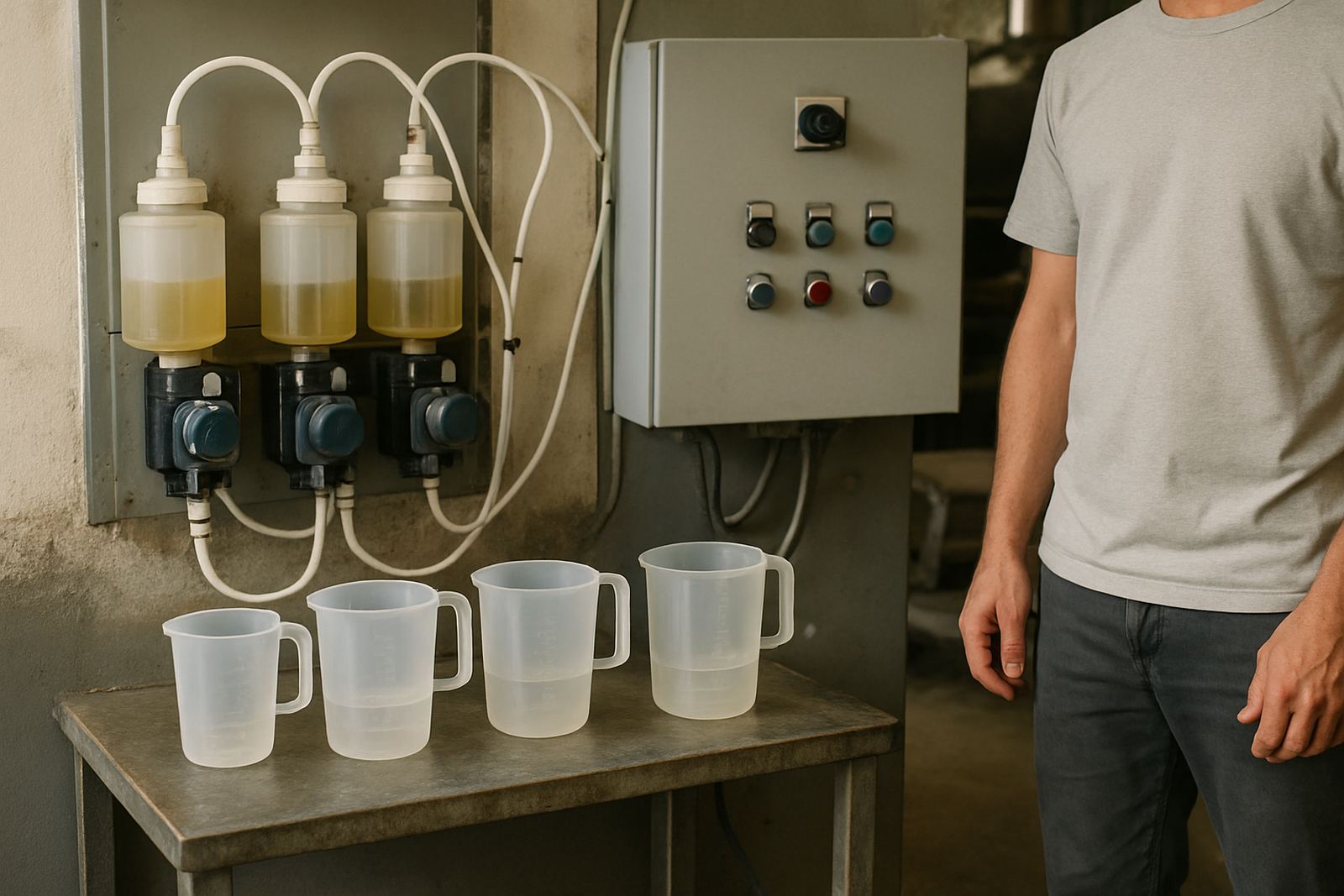
Replenishment is not the same as pouring in more chemical when the tank looks low. The job is to maintain a stable working balance as plates move through the processor. If too little replenisher is added, exhausted chemistry builds up and the next plates will not develop like the first ones. If too much is added, the tank can become overly active and start attacking plate coating faster than intended.
A proper replenishment programme tracks how many plates have run, what sizes they were, and whether the run included heavy coverage or long imaging times. A full B1 production day in Industria West will not behave the same as a short morning run of smaller plates for a Randburg quick-turn job. That is why a one-rate-fits-all habit causes trouble. The machine needs discipline, not guesswork. The operator should also note any cleaning cycles, because a cleaned tank often behaves differently for the next few plates if the settings are not reset properly.
What unstable plates do to colour on press
When plate consistency slips, colour stability is usually the first production complaint. A plate that has not cleared correctly may show weak shadow detail or dirty highlights, so the press team compensates by increasing ink or changing water balance. That gives you a false reading. The sheet may look acceptable for a few copies, then drift again as the plate, blanket and fountain solution settle.
In practical terms, unstable plates can cause:
- Longer make-ready times
- Higher waste on start-up sheets
- Uneven solids across a form
- Poor repeatability between shifts
- Extra wear on blankets and rollers
If the same job is printed again a week later, the team expects a similar result. Without controlled chemistry, that repeatability goes out the window. It becomes difficult to tell whether a problem sits in plate processing, blanket condition or the press settings, and production loses time while people argue over the cause.
What a busy plate room learned about developer
A client in the west of Johannesburg was seeing different results on the same plate batch between night shift and day shift. One team was topping up developer by feel, while the other was measuring only after defects appeared. The first shift ran on fresh chemistry, the second on tired chemistry, and the press operators kept adjusting dampening to chase image stability. Waste climbed and the job book showed repeated complaints about tone change.
After the replenishment log was tightened and the processor was checked at set times, the variation reduced quickly. Plates started coming off cleaner, the press team spent less time resetting water and ink, and colour held more predictably across the run. It was not a major equipment change, just better control of what was already in place. That is often the reality in South African print rooms, small process changes can save a lot of Rand over a month.
Simple controls that improve consistency fast
You do not need a complicated system to improve plate consistency. Start with the basics and keep them visible near the processor. Train the team to recognise when the solution is working normally and when it is beginning to drift. A short checklist at the machine helps more than memory alone, especially on a busy Friday afternoon when orders are backing up.
- Set a daily check time for developer strength and temperature
- Match replenishment volume to plate area and output volume
- Keep a log for cleaning, top-ups and plate count
- Review plate appearance after the first run of each shift
- Replace filters and clean tanks before buildup becomes visible
These controls also help in the rainy season, when humidity can affect storage and handling. Even in Gauteng, afternoon heat and overnight cooling can shift process behaviour more than people expect. A plate room that follows a repeatable routine will always have the advantage.
When to bring in technical support before waste grows
If the same plate defects keep returning after chemistry has been checked, the problem may be in the processor, rollers, transport or drying stage. That is when technical support should step in. There is no benefit in burning through more chemistry while the root cause sits in a worn part or a drifting setting.
LithoPrinting Plates works with print businesses across Johannesburg, Roodepoort, Randburg, Midrand, Germiston and Pretoria, as well as nationwide supply. For plate selection, chemistry balancing, processor servicing, blanket assessment, press startup help, plate handling training, wash programmes, colour stability checks and production troubleshooting, the goal is the same: keep the plate room steady so the press room can stay productive. If you want plate consistency that holds from the first sheet to the last, start by controlling the developer properly and keeping replenishment honest.