Why low-volume work can cost more per sheet
A 1,000 sheet job rarely behaves like a 10,000 sheet run. You still need to set plates, balance chemistry, bring the press to colour and check finish quality, so the fixed cost of setup sits on far fewer copies. That is why short run economics starts long before the first impression is pulled.
For printers in Johannesburg, Roodepoort, Randburg, Midrand, Germiston and Pretoria, the pressure is familiar. Clients want quick turnarounds, but they do not always see the hidden cost of waste sheets, press stoppages and rework. If the plate does not image cleanly or the blanket is already tired, the job eats into margin before it reaches guillotining or folding.
On smaller work, even a few extra waste sheets can matter. A run that starts slowly because the plate is weak, or because dampening is unstable, may use up enough stock to wipe out the gain from the order. So include consumables when pricing a short run, not only when buying stock.
Choose plates for consistency, not only price
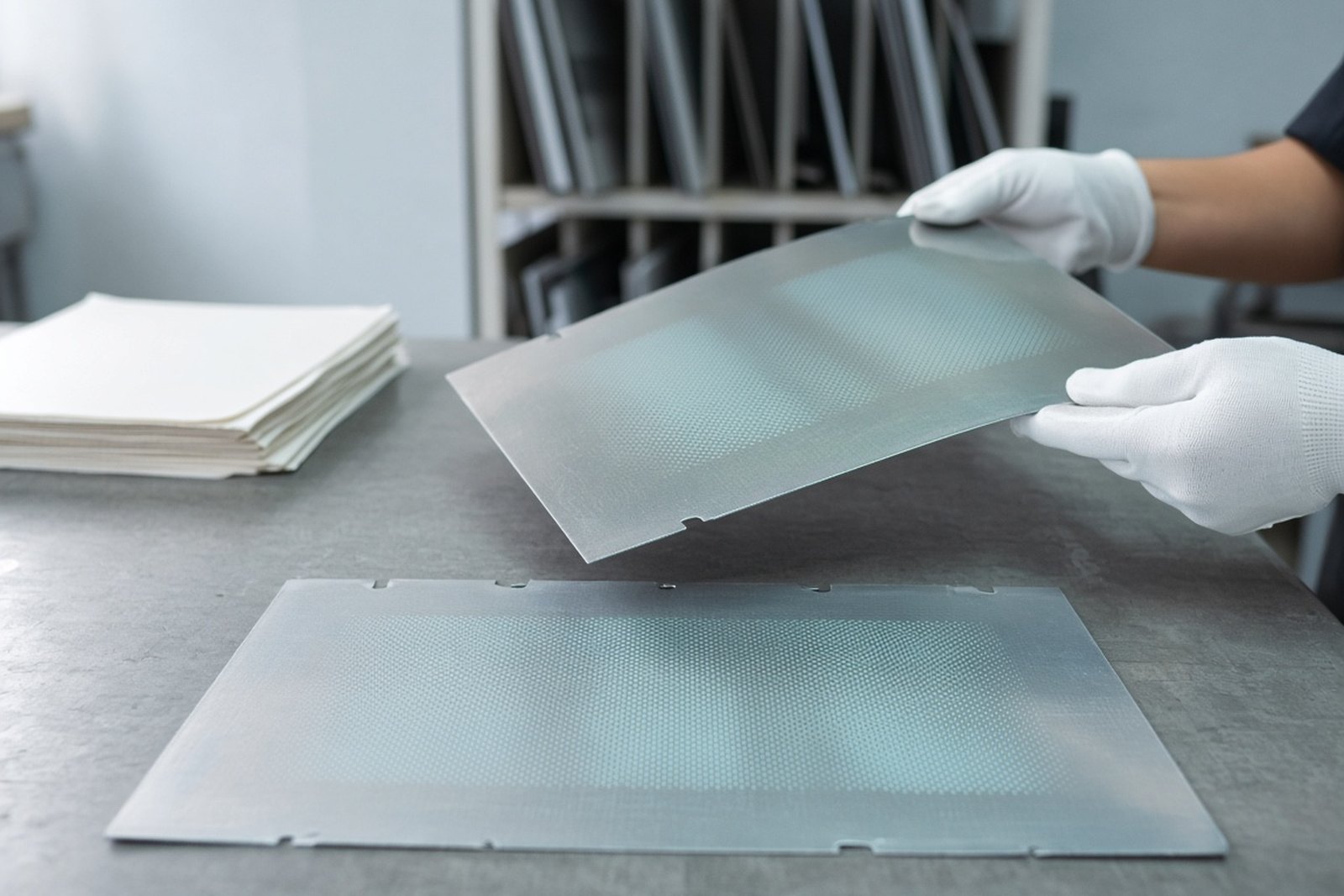
Cheaper plate stock can look attractive when cash flow is tight, but short runs punish inconsistency. If exposure windows vary, dot reproduction shifts or plate handling is awkward, the press operator spends more time chasing colour and registration. That adds labour, paper waste and frustration.
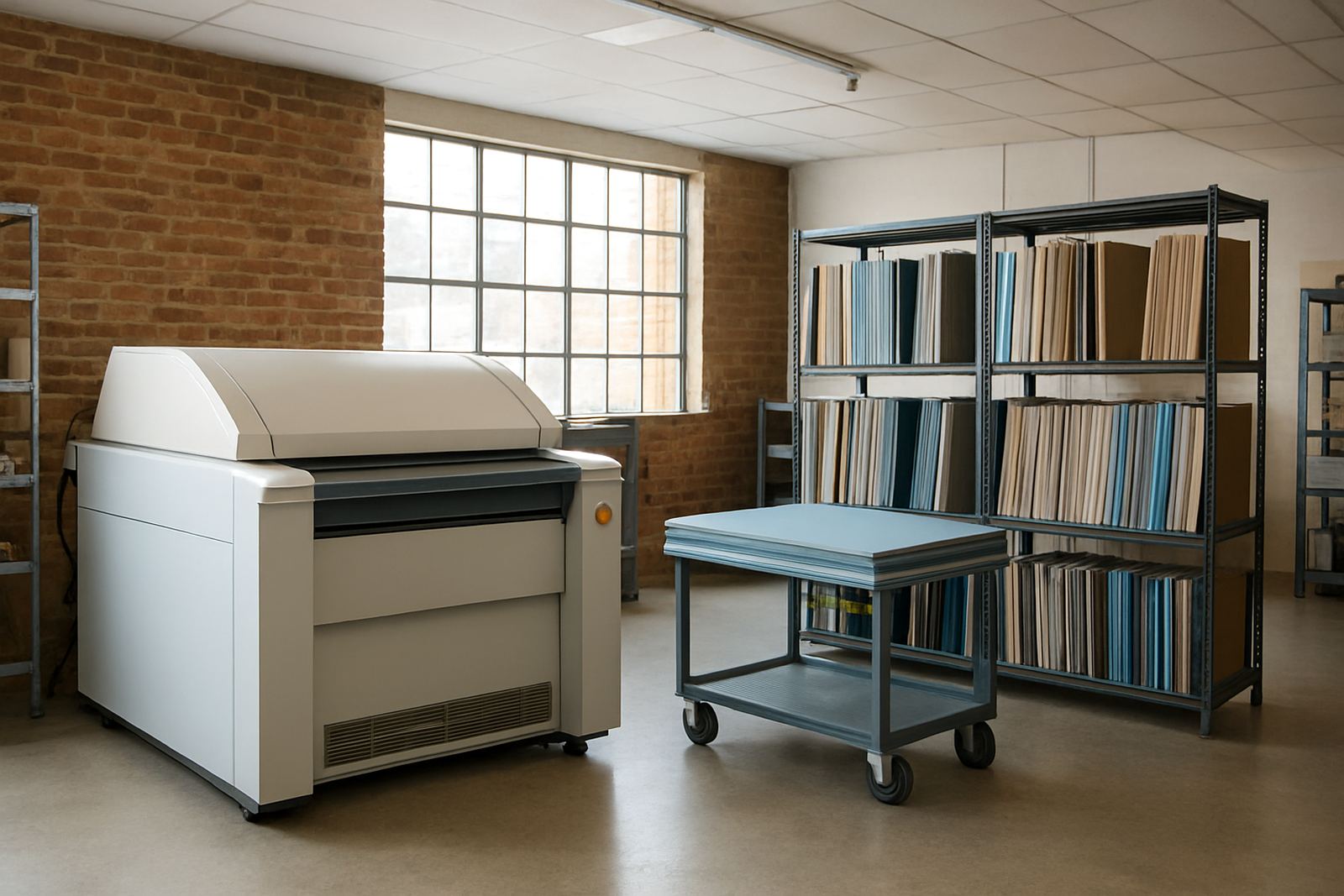
Good plate selection should support the type of work you print most often. For repeat magazine pages, flyers, stationery and packaging inserts, the plate must image cleanly and hold detail without forcing extra adjustments. In a City West print room, where jobs may move from one substrate to another in the same shift, repeatable plate behaviour helps keep make-ready time under control.
- Match plate choice to run length and image detail.
- Check storage conditions so heat and humidity do not affect performance.
- Handle plates carefully to avoid scratches that show up on shorter jobs.
- Keep a record of which plates hold colour fastest on each press.
LithoPrinting Plates in Industria West works with print teams across South Africa on plate selection and plate handling training, which helps reduce waste on the kinds of jobs where every sheet counts.
Chemistry balance keeps make-ready from dragging on
On lower-volume work, the press often has less time to settle into a stable rhythm before the job is complete. That means chemistry balance becomes critical. If fountain solution is off, plate chemistry can change faster than expected, causing tone variations, scumming or slow roll-up. All of that uses paper and time.
Pressrooms also need to plan for local conditions. Johannesburg winter mornings can be dry and cool, then the temperature jumps in the afternoon. Summer rain brings humidity. Both situations affect drying, ink-water balance and the way plates behave across a shift. A chemistry programme that works in theory but not in your actual press room will cost money on every short run.
- Check pH and conductivity regularly rather than waiting for visible problems.
- Replace and top up chemistry on schedule, not after quality slips.
- Keep wash programmes consistent so residue does not build up between jobs.
- Review water quality when colour stability starts changing from one run to the next.
For printers with multiple presses, supply planning matters as much as the solution itself. If one machine is constantly being adjusted while another holds stable, the difference is often in chemistry discipline and not the operator's skill.
Blankets wear out fastest on repeat small jobs
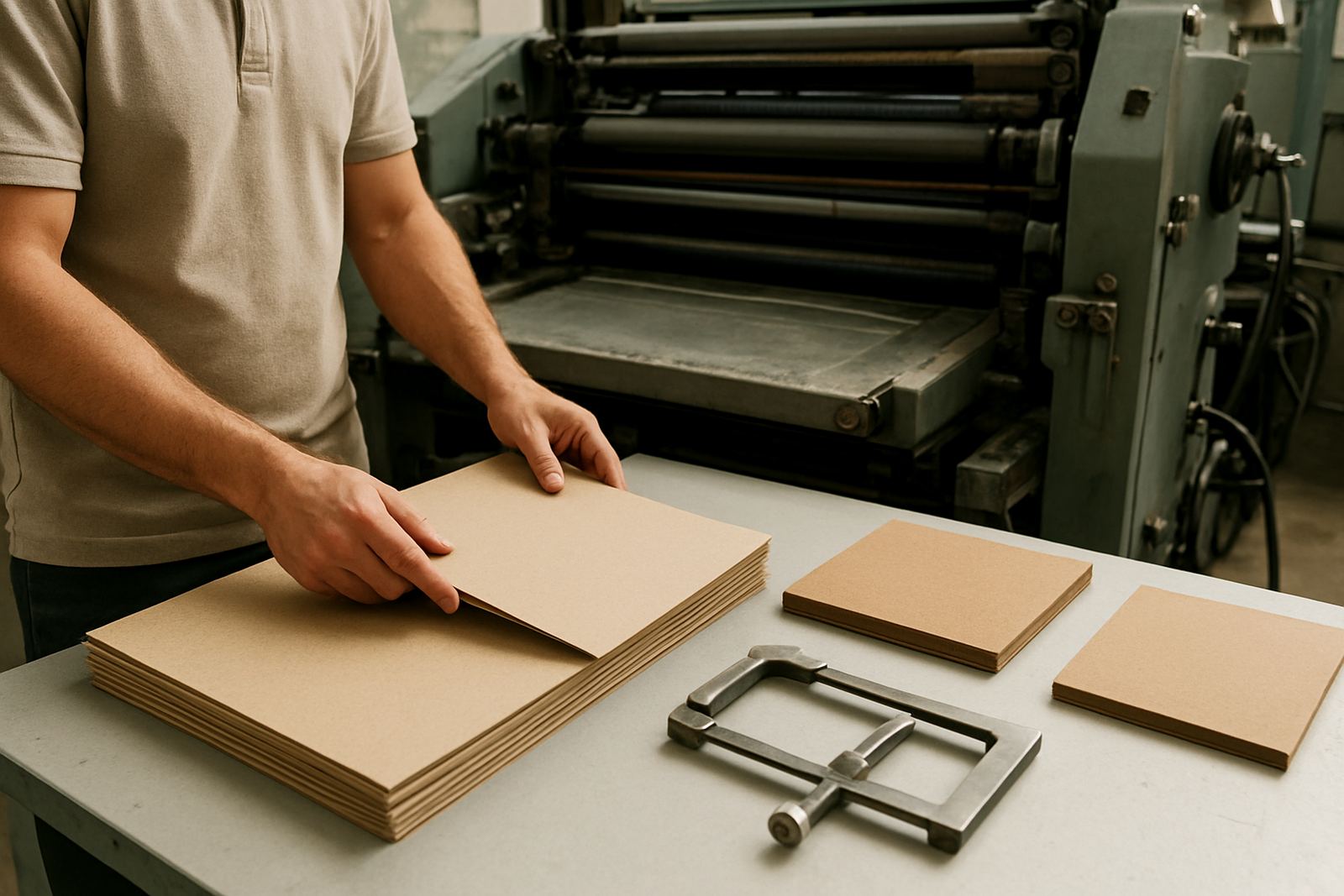
Blankets are easy to overlook because they sit in the background until the print starts showing problems. On short runs, however, the blanket can be the part that quietly steals profit. A tired blanket may still transfer ink, but it can lose sharpness, flatten solids unevenly or mark lighter stock where clients notice every defect.
Small jobs with frequent changeovers often mean more cleaning cycles and more handling. That creates wear. If blankets are not assessed properly, a press may need extra impression adjustments, more wash-up time or even a restart. For a quick promotional run or a short packaging order, that is the sort of delay that turns a profitable quotation into a break-even job.
Blanket assessment should be routine, not reactive. If the pressroom team knows when a blanket is past its useful life, they can replace it before a rush order exposes the problem. This matters most in markets where clients expect very fast delivery.
Costing a 2,500 sheet flyer order
Consider a 2,500 sheet flyer order handled from Industria West for a client in Midrand. The customer wants strong colour on coated stock, a fast turnaround and minimal spoilage. The quoted price leaves some room for margin, but only if the press reaches colour quickly and stays there.
If the plate images cleanly, the chemistry is in balance and the blanket is in good condition, the press may settle after a modest make-ready. Waste stays controlled, the operator does not need repeated corrections and finishing can start on time. If any one of those elements is off, the job can slip into overtime, with extra sheets, extra cleaning and extra labour eating into the return.
That is the practical lesson of short run economics. Margin is not only decided by the sale price. It is decided by how many consumables are used before the job reaches the guillotine.
Practical ways to protect margin on shorter runs
Printers that manage short runs well tend to work in a disciplined way. They do not leave consumables decisions to chance, and they track what happens on the floor. A small improvement in setup time or waste reduction can make a noticeable difference by the end of the month.
- Use production notes to track waste on each repeat job.
- Inspect plates, chemistry and blankets before the press starts, not after problems appear.
- Train operators to spot early signs of instability in colour or registration.
- Plan stock and consumables in advance so urgent jobs do not force poor substitutions.
- Review failed or low-margin jobs to see which consumable caused the extra cost.
LithoPrinting Plates supports print professionals with production troubleshooting, processor servicing, wash programmes, colour stability checks and press startup help. That kind of support is useful when a job is too short to hide inefficiency.
Short runs reward discipline more than guesswork
There is nothing small about a small job when the consumables are wrong. Short run work rewards consistency, preparation and the habit of checking details before the press starts. It also rewards suppliers who understand the pressure on South African print rooms, from urgent collections to narrow delivery windows.
For production teams in Pretoria, Germiston, Randburg and beyond, the message is simple. If you want better profitability on lower-volume jobs, look closely at your plates, chemistry and blankets. Those are the items that decide how much paper you waste, how much time the press spends off colour and how quickly you can move to the next order.
When the consumables support the process, short runs stop feeling like a problem job and start behaving like a manageable part of the business.