Start with the chemical list, not the cupboard
Every printroom should know exactly what is on site: plate developer, replenisher, fount solution, gum, wash-up liquids, blanket wash, plate cleaner and any flexo-related liquids used in the same production area. Safety starts with labels, Safety Data Sheets and a clear note of what each product is for. If two containers look alike but do different jobs, separate them and mark them properly.
Keep a simple register with the product name, pack size, date received, expiry date and where it is stored. That makes stock checks quicker and it helps when a supplier asks about bath condition, contamination or a batch problem. In a busy plant in Industria West or Roodepoort, it only takes one unlabelled drum to slow down the whole day.
- Keep product names visible at all times.
- Record opening dates on each container.
- Store only approved products in the chemistry area.
- Remove empty containers from the floor quickly.
Separate storage by use and risk
Chemicals should be stored by function, not by where there is space. Keep acids, alkaline cleaners, flammables and general printroom liquids apart where possible. Do not stack open pails near heat, direct sun or windows that face the afternoon heat. In Gauteng, a store room can warm up fast, and that changes product life and handling comfort.
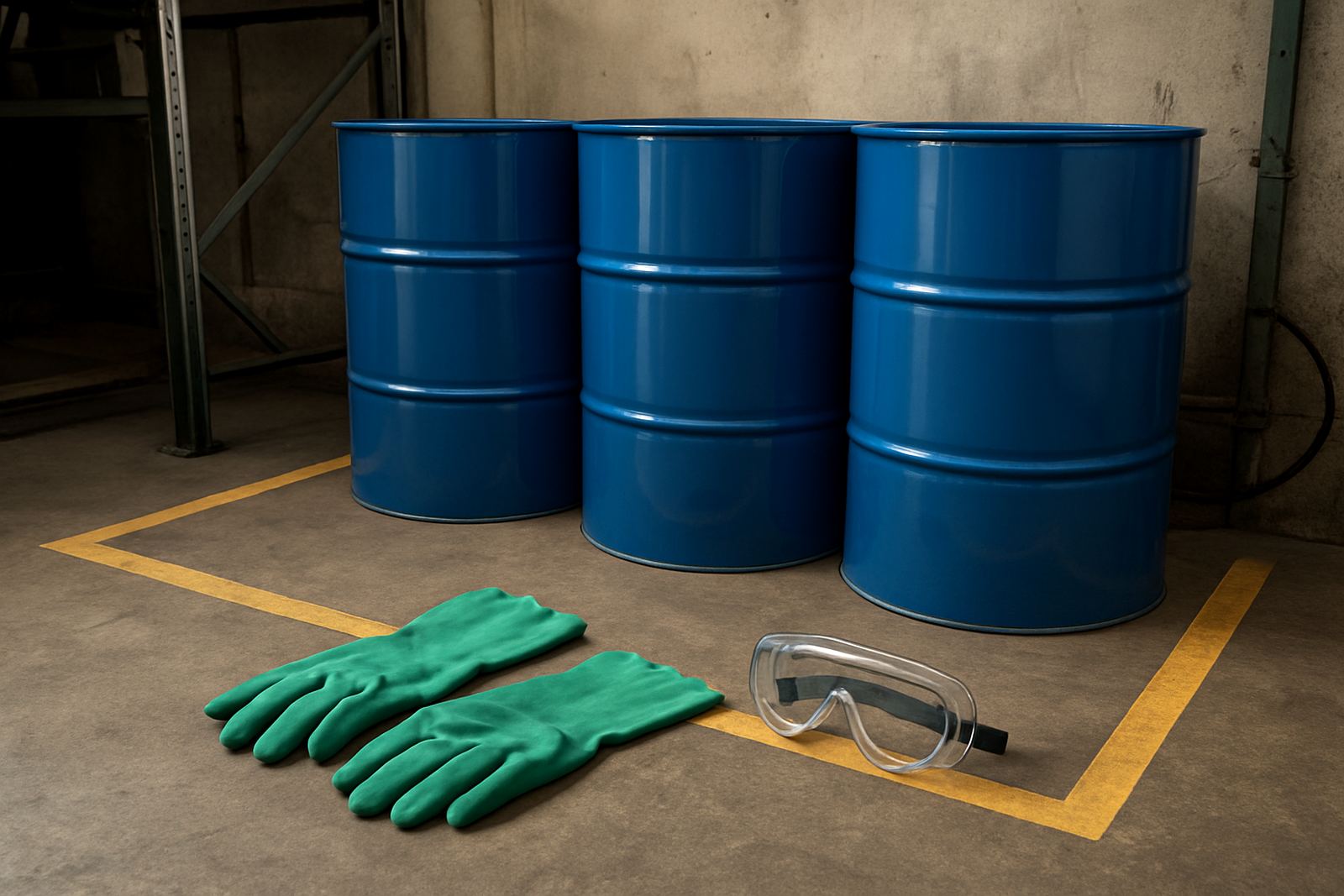
Pick a shaded, dry room where air moves freely. If your store sits near a press hall or plate line, make sure drums are off the concrete floor on pallets and away from drain channels. In Johannesburg, dust and temperature change still affect seals, lids and concentrates. A tight lid matters more than most people think.
- Keep flammables in the approved cabinet or room.
- Do not store chemicals above eye level if they are heavy.
- Use pallets or shelving to keep containers off the floor.
- Check for damp labels, leaking caps and swollen packaging.
Where municipal rules and site safety requirements apply, keep storage routes clear for inspections and emergency access. A blocked passage is a small issue until somebody needs to get through with absorbent material or a spill kit.
Mix only what the process needs
Good chemistry control depends on correct dilution. Too strong and you risk scumming, staining or excessive wear on blankets and rollers. Too weak and you start chasing image loss, poor cleaning and unstable colour. Use the right measuring jug, follow the supplied ratios and never guess from colour or smell. If a product needs clean water, use clean water every time.
Make one person responsible for mixing in each shift, or at least each area, so habits stay consistent. A quick log of mix dates, top-ups and changes helps when print quality drifts. That record is also useful after a holiday break, because partial batches can sit longer than planned and need checking before use. If a bath is left open overnight, test it before production starts again, don’t assume it is still correct.
For plants running offset, flexo and finishing in the same building, keep the jobs and liquids clearly separated. The wrong liquid in the wrong system can affect plates, rubber blankets and the press very quickly.
Protect staff with simple PPE and habits
People often think safety means only gloves and goggles, but it also includes how the team works around the chemical area. Wear the right gloves for the product, closed shoes, eye protection and an apron or overalls where splash risk is higher. If a chemical mists during decanting, step back and improve the pouring method rather than working through it.
Train the team to avoid shortcuts. Never use food containers for chemistry. Never leave funnels in open drums. Never mix products unless the supplier says they are compatible. If there is an odour, a stain on the floor or a skin reaction, stop and report it. The same is true after a rush job in Midrand or Pretoria, where production pressure can make people hurry past small warning signs.
- Wear gloves suitable for the product, not just any gloves.
- Keep eyewash access clear and easy to reach.
- Wash hands before eating, drinking or smoking.
- Replace damaged PPE immediately.
Control spills before they become stoppages
Small leaks are part of printroom life, but they should be dealt with straight away. Keep absorbent material, disposal bags, gloves and warning signs in one visible place. If a drum leaks, isolate the area first, then contain and clean it according to the product instructions. Do not wash unknown chemicals down the drain, because that can create a site problem and a municipal issue as well.
Spill control also means floor discipline. A wet patch near a plate line or press creates slip risk and can carry contamination into the machine area. In Germiston or Randburg, where space is often tight, a marked spill station saves time when the pressure is on. Make sure staff know who to call, where the kit is and what to do first.
If the spill is larger than the team can manage safely, stop the area and bring in the right support. Ten minutes spent checking beats a lost shift.
Check baths, wash systems and plates on a schedule
Chemistry safety is not only about storage. It is also about what happens inside the process. Check developer and replenisher levels, watch for contamination and inspect wash systems so dirty liquid does not recirculate. On plate lines, a clean bath and a stable setting helps avoid waste and reduces operator frustration.
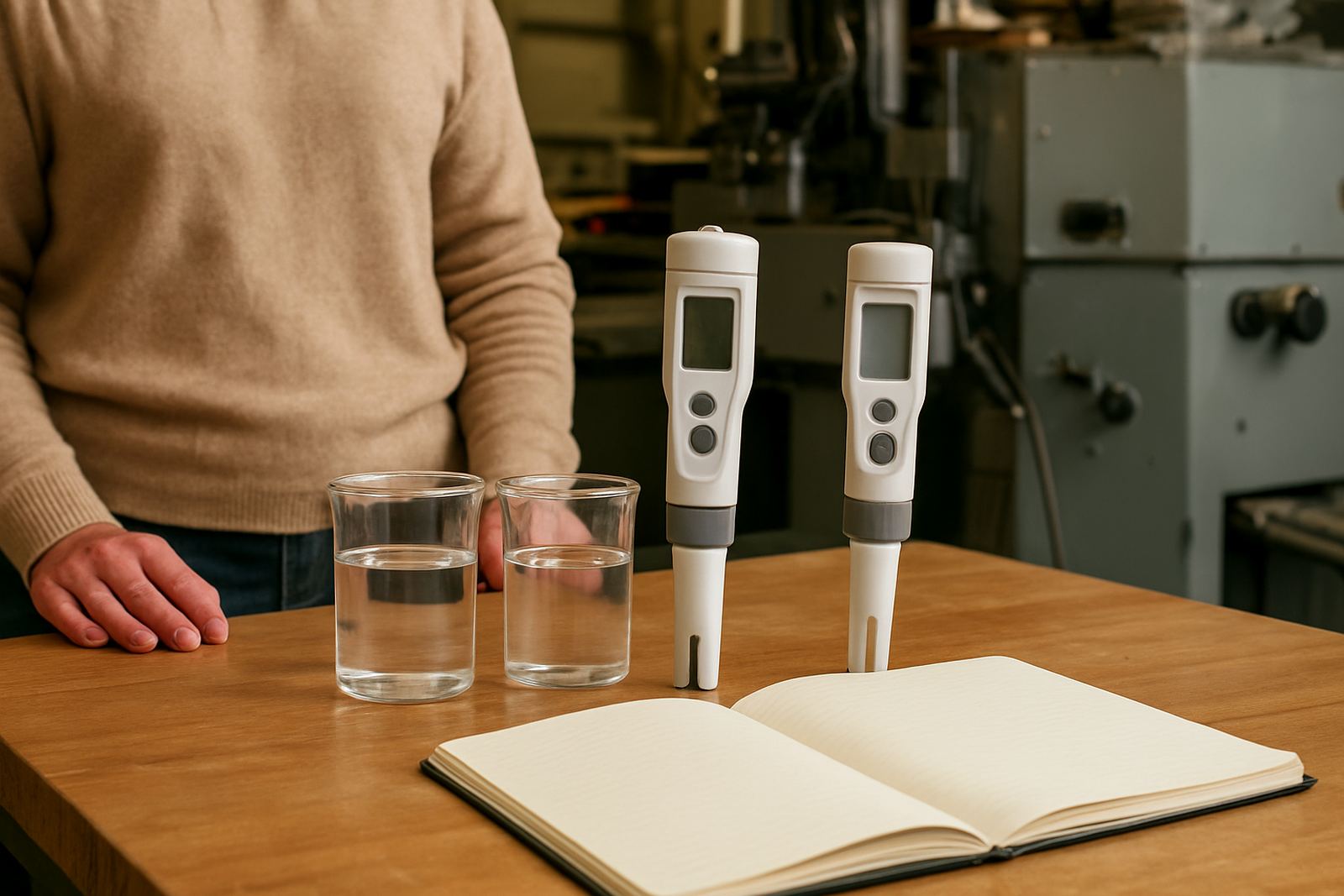
Set weekly checks for concentration, temperature and visible contamination. Look at blanket condition, washing results and any build-up around rollers or trays. When a bath turns cloudy, when wash-up slows, or when colour starts drifting, treat it as an early warning rather than waiting for failure. Chemistry problems often show up first as print problems, not as obvious leaks.
For South African printrooms juggling tight schedules and mixed work, that regular inspection becomes a lot more valuable than a last-minute fix. It keeps stock use steady and prevents the kind of rework that eats into margins.
A chemistry store many plants will recognise
A mid-sized plant in Industria West was struggling with patchy plate quality after afternoon changeovers. The issue was not the plates themselves. The developer drum was standing near an outside wall, the lid was left open during lunch and the mix strength drifted when the room heated up. Once the team moved the stock to a shaded corner, labelled each container and set a daily check sheet, the problem settled down within a week.
That kind of fix is simple, but it works because it respects the realities of local conditions: heat, dust, shift pressure and mixed production duties. Safety basics are not just about avoiding incidents. They help keep output steady, protect expensive consumables and reduce avoidable downtime.
If your printroom needs a better way to handle chemistry, the best place to start is with storage, labelling and routine checks. The rest becomes easier after that.