Why long runs drift even when the start looks perfect
Most press teams know the feeling. The job starts well, the first sheets pass inspection, and everybody relaxes. Then later in the run the cyan looks a touch lighter, the blanket needs more attention, or the coating on a finishing pass begins to vary. Long runs expose every weakness in plate condition, chemistry balance, blanket pressure and operator routine.
In Johannesburg and across Gauteng, heat and dust can speed up the drift. In the rainy season, humidity adds its own trouble with paper movement and drying. A job that runs cleanly for 30 minutes may still move out over a long shift if the controls are not checked often enough, and that is where many printers lose money.
Plate condition sets the pace for the whole run
Before a long job goes on press, the plate has to be right. If the image area is weak, contaminated or poorly handled, no amount of press attention will fully recover the result. Plate selection matters too. Different plates behave differently on long production, especially where the pressroom wants stable dot reproduction and predictable cleanup.
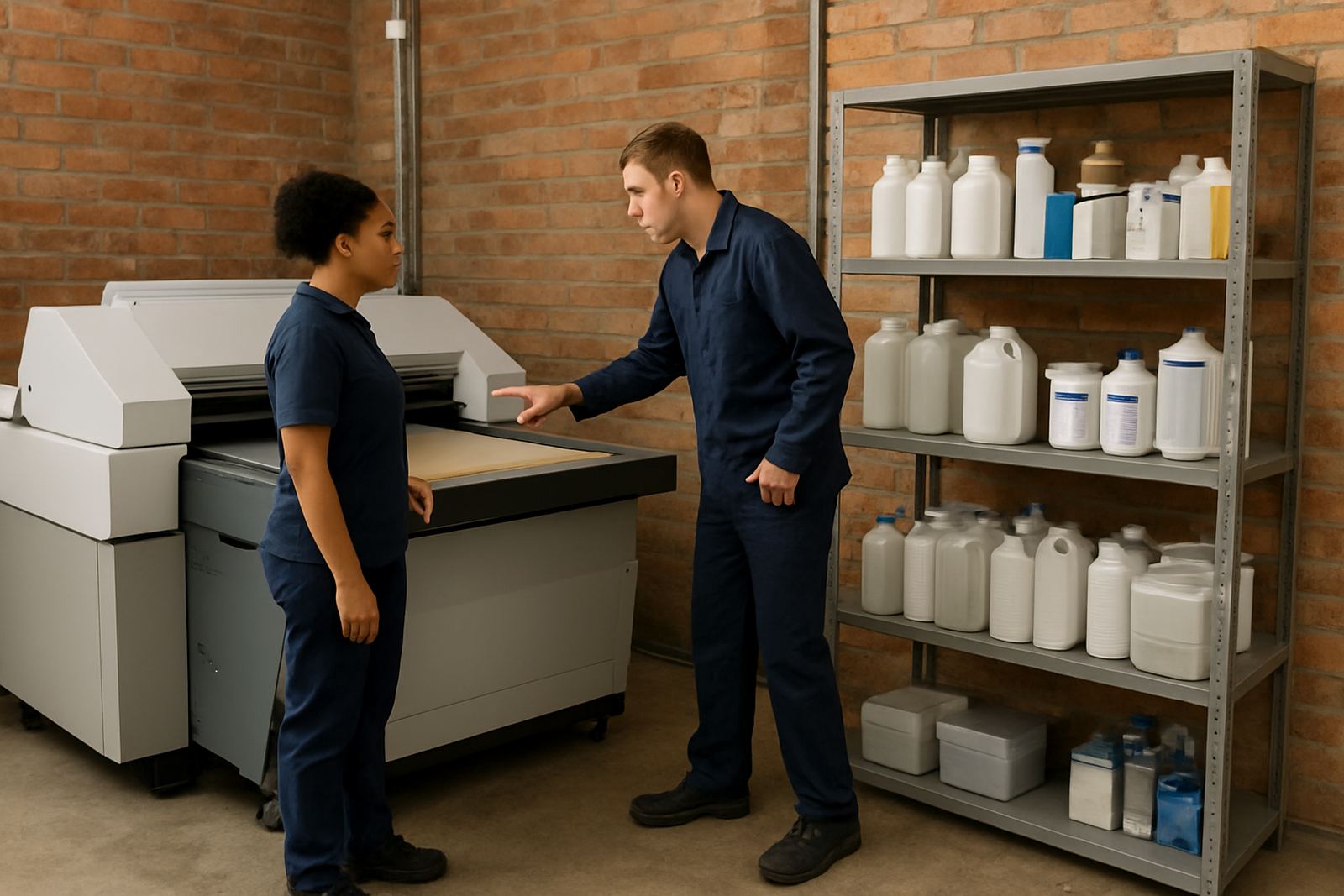
At our Industria West base, we often see long-run issues traced back to something simple: a plate that was scratched in handling, a plate that was not fully processed, or a plate change that happened too late. Training the team to move plates correctly and store them in clean, dry conditions makes a real difference. It also helps when each plate is matched to the type of work, instead of using one option for everything.
- Check plates before mounting for scuffs, finger marks and edge damage.
- Store plates in a dry, shaded rack, lying flat.
- Use the same handling steps for every shift, not only the senior operator.
- Replace worn consumables before they start affecting image sharpness.
Chemistry balance keeps tone and drying under control
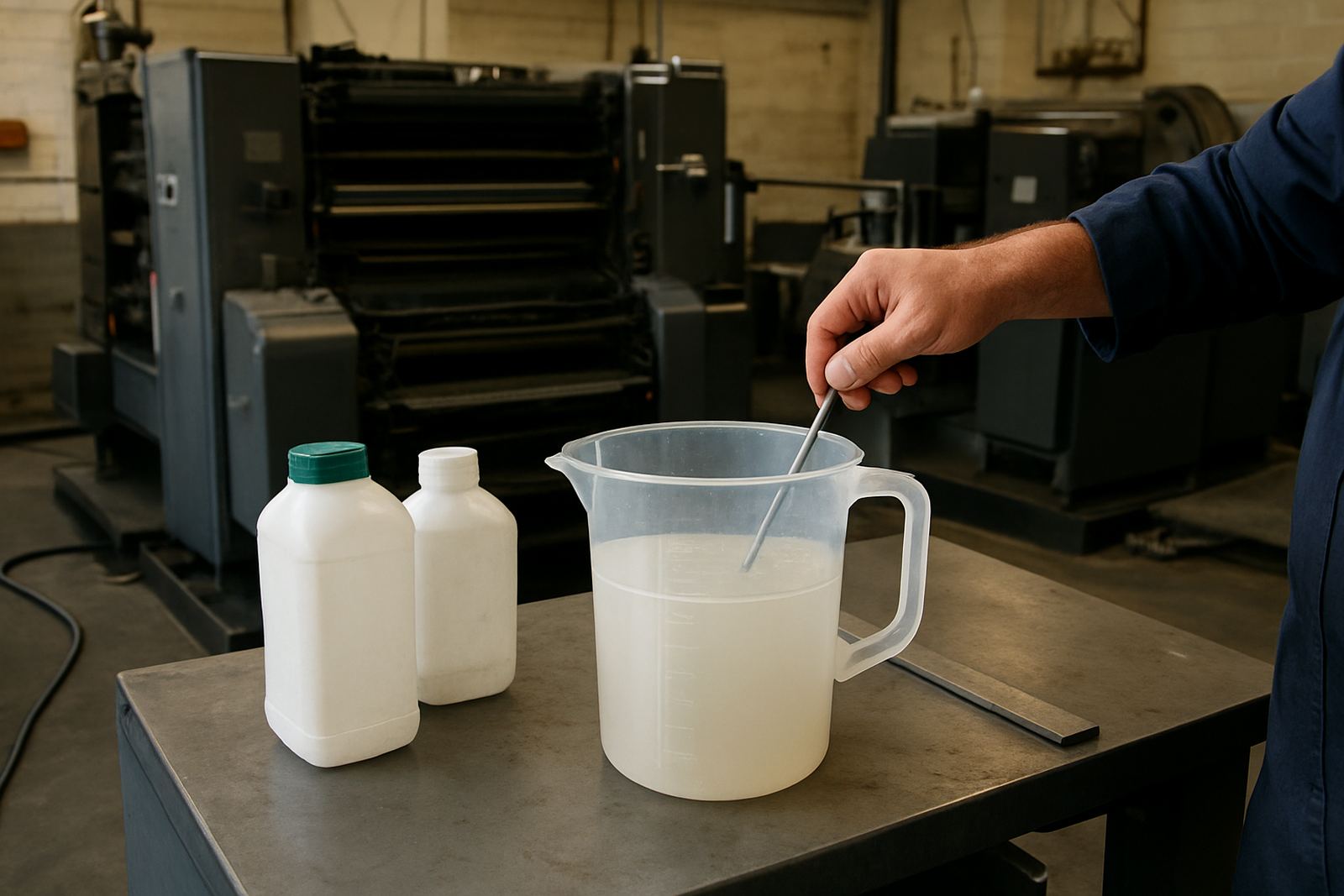
Long runs need chemistry that stays steady from start to finish. Fountain solution, wash programmes and cleaning routines all affect how the plate carries ink and how quickly the press settles after minor stops. If the balance slips, the run can begin to look tired long before the order is complete.
In practical terms, the press team should watch for foam, scumming, slow rollback after stoppages and a change in the way the sheet dries. These signs are often early warnings, not final failures. Chemistry balancing is one of those tasks that looks routine until a 12 000 sheet job starts giving trouble after lunch and everyone has to chase the cause. A set test routine pays back over the run.
- Check pH and conductivity at the same times each shift.
- Record top-up amounts so the mix does not drift quietly.
- Inspect wash programmes for residue that could build on blankets or rollers.
- Keep cleaning schedules consistent across day and night shifts.
Blankets and rollers carry the wear on long production
Blankets do a lot of quiet work on a long run. They transfer the image, absorb minor press movement and take the punishment when sheets are slightly dirty or paper dust builds up. A blanket that looks fine at start-up may still begin to lose its feel after several thousand impressions, especially on heavier coverage or finicky solid areas.
Blanket assessment should not wait for visible damage. If the print shows ghosting, mottle, or slight slur, the blanket may already be telling you something. Roller settings matter too. Too much pressure creates heat and wear, while too little pressure causes uneven transfer. A stable pressroom watches both, then adjusts early rather than after the job has gone off spec.
For long runs in humid areas, drying time and blanket cleanliness become even more important. Paper that carries extra moisture can change the way the image lays down, so the team needs to keep checking rather than assuming the first setting will last the whole shift.
Press startup discipline makes the rest of the run easier
Good long-run results are usually won in the first 20 minutes. If the press starts clean, the operator has a stable base to work from. Press startup help is not just about getting ink on paper, it is about setting a repeatable standard. When the startup is rushed, small faults multiply later and the run becomes harder to hold.
One common mistake is accepting a near-miss setup because the schedule is tight. That can cost more time than a proper reset. It is better to spend a few extra minutes checking colour density, registration and sheet feed than to spend the next three hours chasing variation. Long run consistency is really about discipline, not luck.
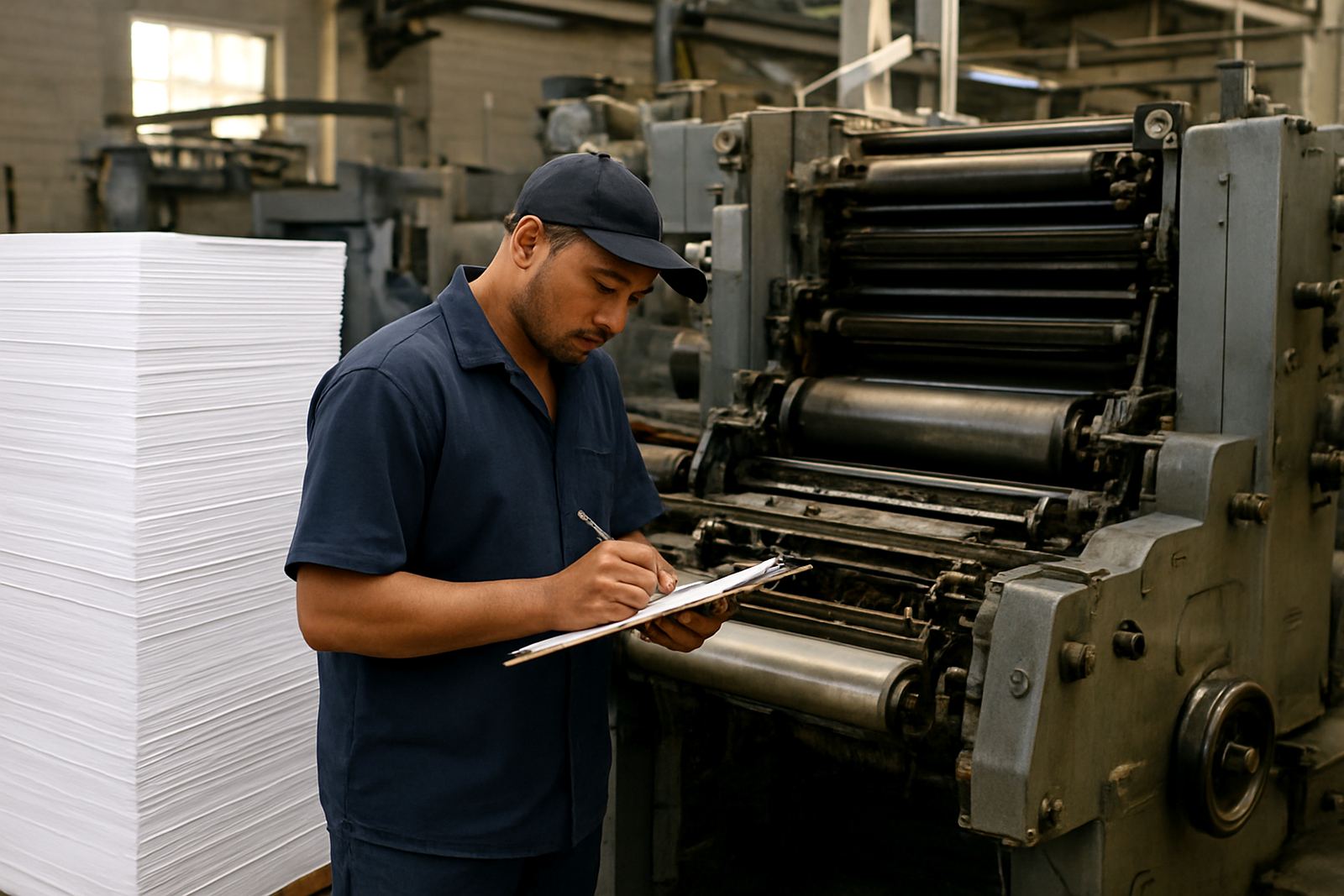
In our experience, the best teams keep a simple standard sheet beside the press and compare it throughout the run. That habit gives everyone a reference, even when different operators are sharing the machine across shifts.
Keeping a carton run stable through a mid-shift stop
A printer in City West once had a large carton run that had to hold colour through a full day shift and into night production. The job was going out to multiple depots, so reprints would have caused a real problem. Midway through the schedule, a feeder fault stopped the pressroom and the team had to restart under pressure. The first sheets after restart looked acceptable, but by the next inspection the yellow was shifting and the blanket needed attention.
What saved the order was not a lucky fix. The team checked chemistry balance, cleaned the blanket, compared the stored sample and made a small correction before continuing. They also tracked the sheet count more closely after the interruption. It sounds basic, but basic done properly keeps the run on track. With tight delivery windows affecting many Gauteng businesses, long jobs need contingency planning as much as technical skill.
- Keep a restart checklist near the press.
- File signed-off sheets in a dry sleeve for the next run.
- Note every stop and count from the restart point.
- Assign one person to verify the first 50 sheets after any stoppage.
What print buyers should ask before approving a long run
Clients do not need to run the press, but they should ask sensible questions before signing off. A long job should never depend on hope. If the supplier has a clear plan for plates, chemistry, blanket care and production support, the odds of a steady outcome improve straight away.
Useful questions include how the team will monitor colour on longer production, what will happen if a plate needs replacing, and how often the pressroom will record checks. A supplier that answers clearly is usually better prepared for the pressure of real production. That is especially true where the delivery route stretches from Industria West to Roodepoort, Randburg, Midrand, Germiston or Pretoria and the turnaround window is tight.
Long run consistency is not one task, it is a chain of small checks repeated properly. Get the plate right, keep the chemistry balanced, watch the blanket, and the run stands a far better chance of finishing the same way it started.