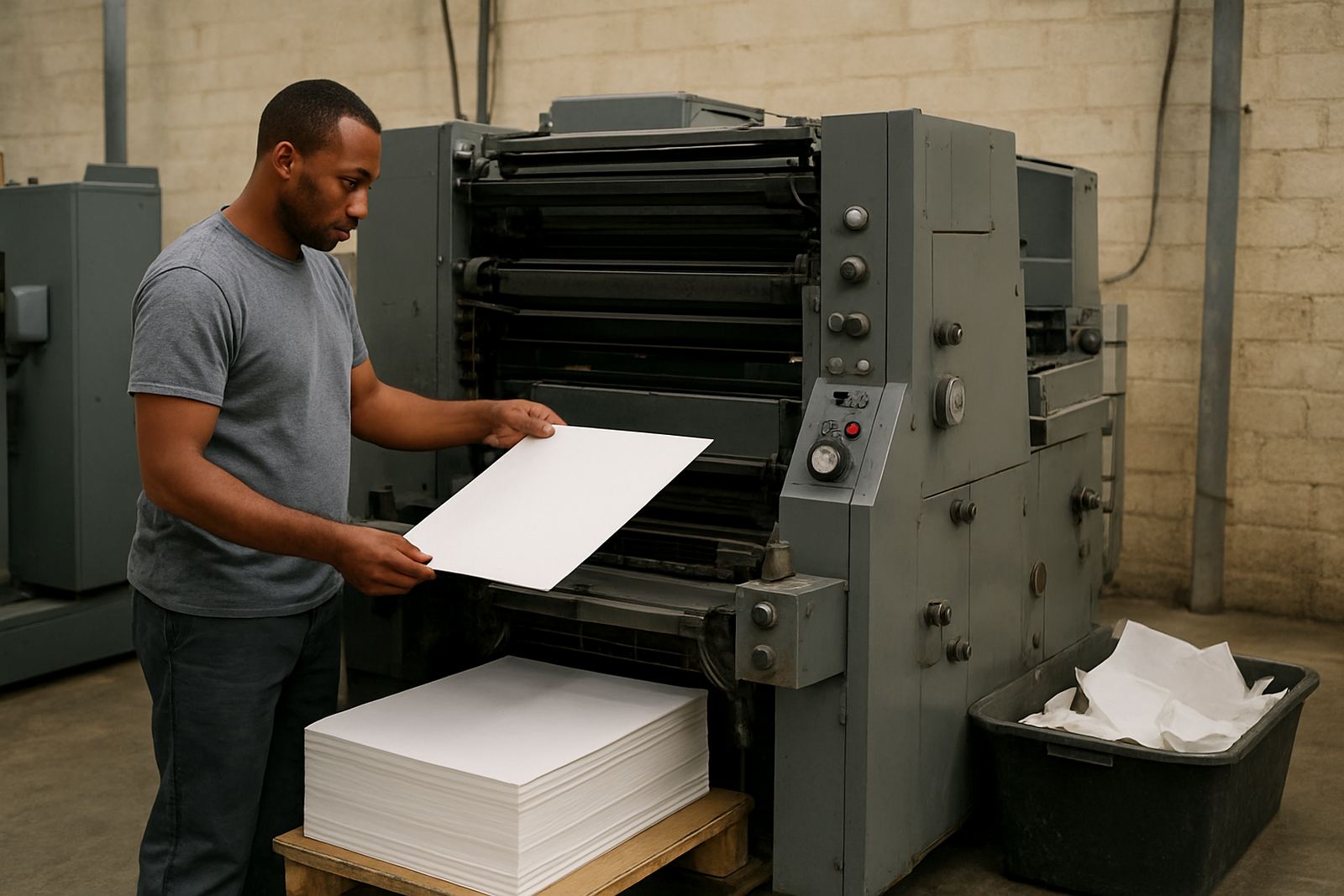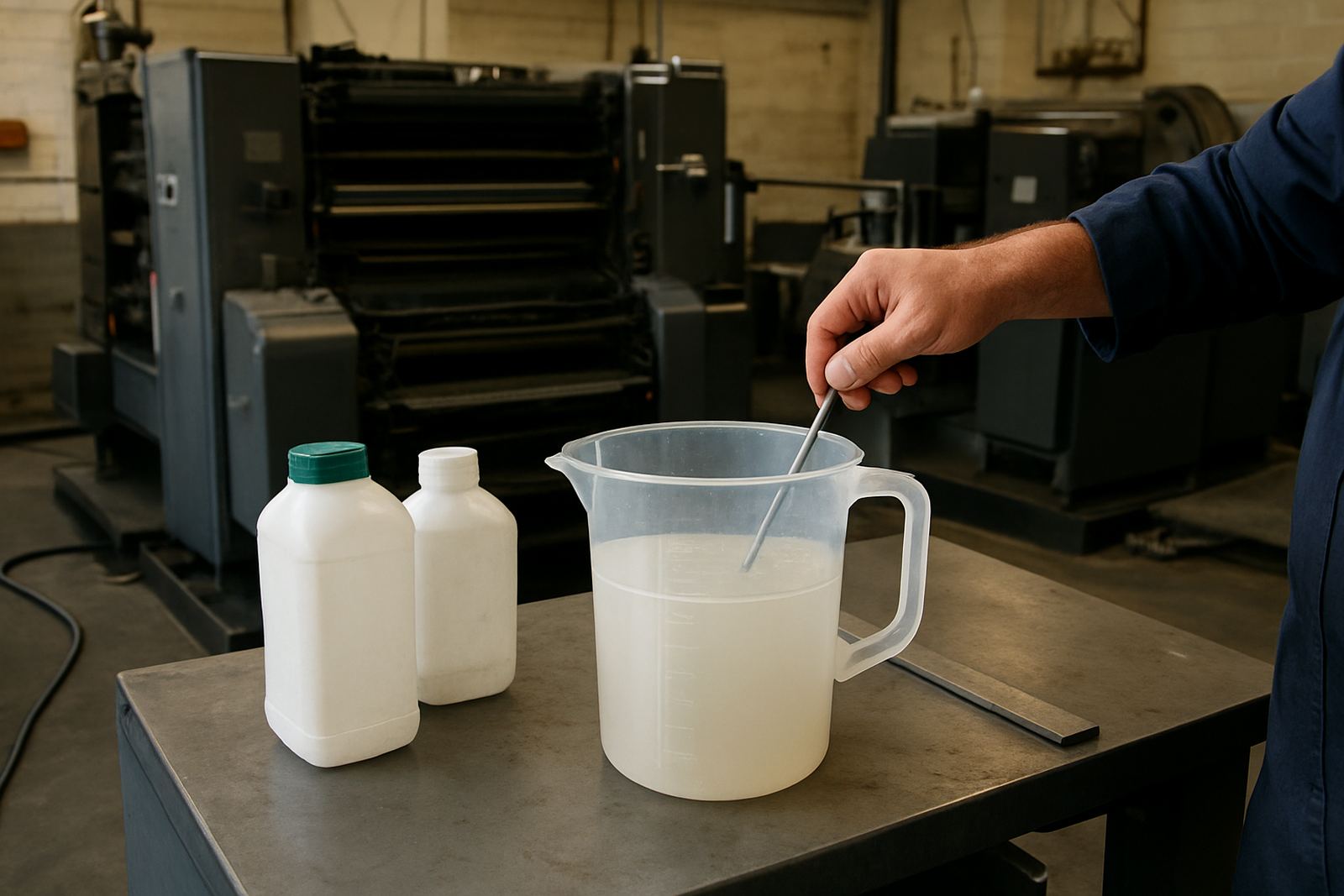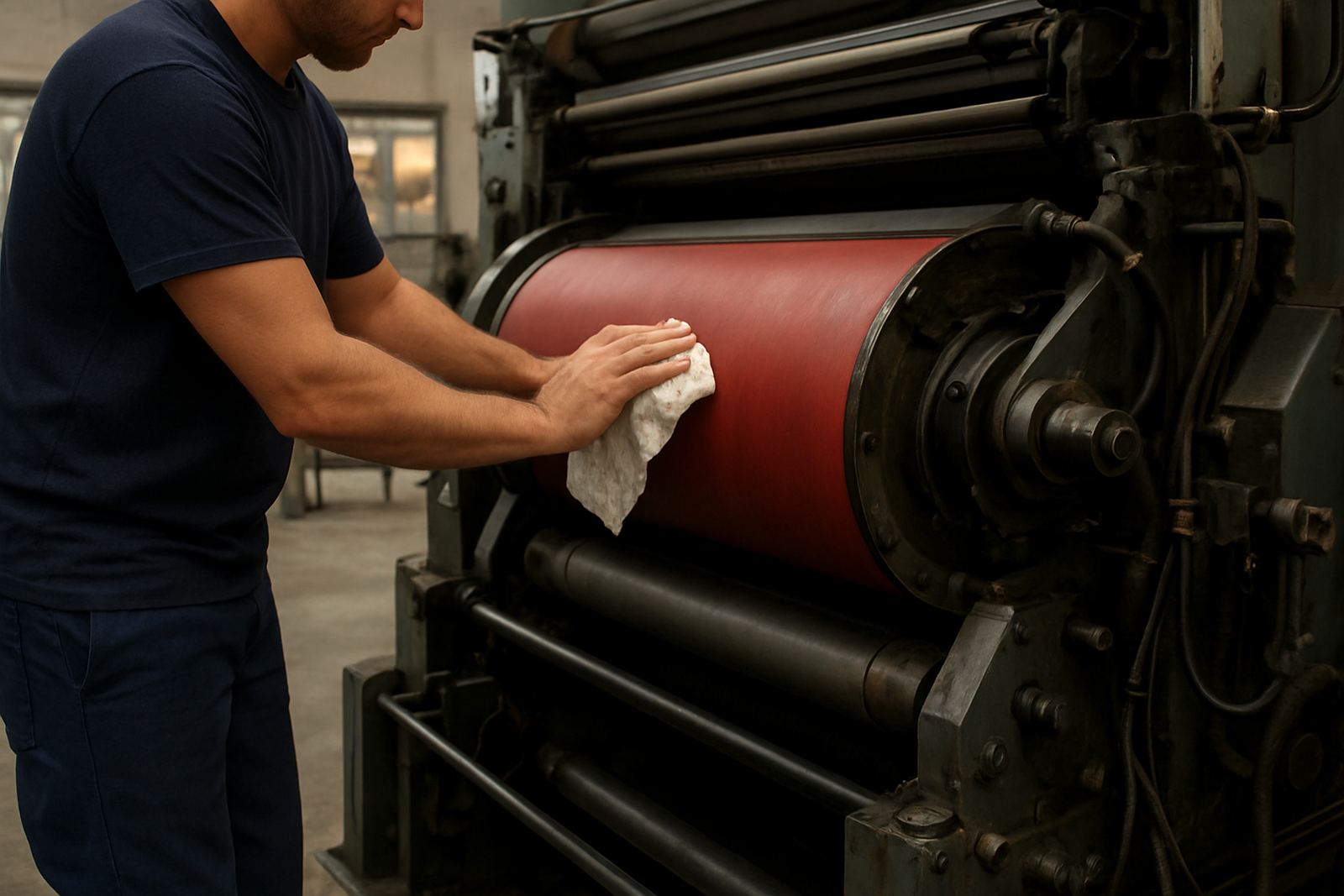
Start with stock that matches your production rhythm
A supplier should be able to tell you what is available now, what is in transit and what lead times look like when volumes spike. If your plant runs short on CTP plates, chemistry or blankets during month end, the real cost is not only the item itself. It is lost press time, overtime and the calls you need to make to clients when jobs slip.
In Johannesburg, and especially across Industria West, Roodepoort, Randburg and Midrand, transport delays and rush orders can affect any schedule. A good supplier plans for that. Ask whether they keep enough stock for repeat orders, whether they can support urgent runs, and whether their logistics team can speak plainly about cut-off times and delivery windows.
- How quickly can the item be dispatched after order confirmation?
- Is there local stock for common plate sizes, chemistry and blanket types?
- What happens when a product is out of stock, do they offer a clear substitute or a wait?
Check whether the advice is practical, not theoretical
Good technical support helps reduce avoidable waste. A supplier that sells product has its place, but support with plate choice, chemistry control and processor performance can make a clear difference in the pressroom. In print, small changes in water balance, wash programme or blanket condition can affect colour stability and increase paper waste very quickly.
Ask who answers the technical call and whether that person has actual pressroom experience. You want guidance that fits the machine, the substrate and the work you print every week. It helps if the supplier can advise on press startup, plate handling and production troubleshooting without sending you through three different people first.
- Can they support offset, flexo and finishing requirements?
- Do they offer chemistry balancing and colour stability checks?
- Will they help you identify whether the fault is plate, blanket, chemistry or operator related?
Measure how they handle urgency when the press is waiting
Pressrooms do not operate on ideal timelines. A plate may need replacing before the next shift, a wash programme may need adjusting after a substrate change, or a blanket may be failing just as the courier arrives. In those moments, the supplier's response tells you more than any brochure or price list ever will.
Look for direct contact people, not only a general inbox. At LithoPrinting Plates, for example, a buyer can speak to a sales manager, operations coordinator or logistics supervisor depending on the issue. That kind of structure matters when a plant in Germiston needs a stock answer and a plant in Pretoria needs a follow up on delivery status. Fewer handovers mean production keeps moving.
Questions worth asking include:
- Who handles urgent orders after hours or during a breakdown?
- How are delivery updates shared if a truck is delayed?
- Can they help plan supply around shutdowns, public holidays or maintenance weeks?
Look for a supplier that understands the whole pressroom
The best supplier does not only sell one item and disappear. They understand how plates, chemistry and blankets work together, and how that affects start-up, waste and final print quality. If the chemistry is off, the plate life can suffer. If the blanket is worn, you may chase colour issues that are really mechanical. If handling is poor, the plate can be damaged before it reaches the press.
That is why training and assessment matter. A supplier should be able to assist with blanket assessment, plate handling training and supply planning so your team is not guessing. Even a small packaging plant or commercial printer in City West can benefit from this, because fewer mistakes mean fewer reprints and better turnarounds.
Useful capabilities to ask about:
- Plate Selection for different jobs and machine setups
- Processor Servicing and wash programme checks
- Production Troubleshooting when quality shifts suddenly
- Supply Planning for regular and seasonal work
Ask how they protect colour stability and repeatability
Reliable print is not about getting one good run by luck. It is about repeating the same standard week after week. This becomes even more important when clients expect brand colours to match across reprints and across multiple sites. If a supplier understands colour stability checks, they can help you identify drifting conditions before they become a complaint.
In a damp store, consumables can behave differently from those kept in a dry plant, and that can affect consistency. A supplier who asks about storage, turnover and environment is usually paying attention to the right details. They should also be able to advise on stock rotation and whether a product needs special handling during hot summers or damp conditions.
Consider these questions before you place a long term order:
- Do they recommend checks for temperature, humidity or storage life?
- Can they help trace colour variation back to plate, chemistry or blanket wear?
- Will they support your repeat jobs so the second run matches the first?
Judge real service, not promises
Say a printer in Industria West has a litho job lined up for a client in Sandton, but the press team notices inconsistent ink-water balance during make ready. A supplier that only takes the order is of little use. A supplier with technical support can talk through the symptoms, check the chemistry mix, look at the blanket condition and advise whether the issue sits in the plate room or on press.
That practical support can be the difference between finishing on time and losing the afternoon to stop-start production. It also helps when you are juggling a dry tap at the wash-up sink, a rush order or a delivery truck that arrives later than planned. The supplier should understand that South African print plants work through these realities every day, not just when things are running perfectly.
Before committing, ask yourself if the supplier knows how to help when the job is already under pressure. If they can answer clearly, supply consistently and stand by the technical detail, you are likely dealing with a partner and not just a vendor.