Start with the plate system you are actually running
Before comparing prices, match the chemistry to the plate type, processor settings and the way your team handles plates after exposure. A chemistry range for thermal plates is not the same as one made for violet plates, and the wrong match can leave scumming, weak image areas or poor clean-out on long runs. In Johannesburg and the surrounding industrial areas, many print rooms run mixed shifts, so consistency matters more than buying the cheapest drum.
Check what your plate supplier and pressroom need from the chemistry:
- Plate type and plate size ranges used on press
- Processor speed, bath temperature and replenishment rate
- Water quality, especially where hardness affects stability
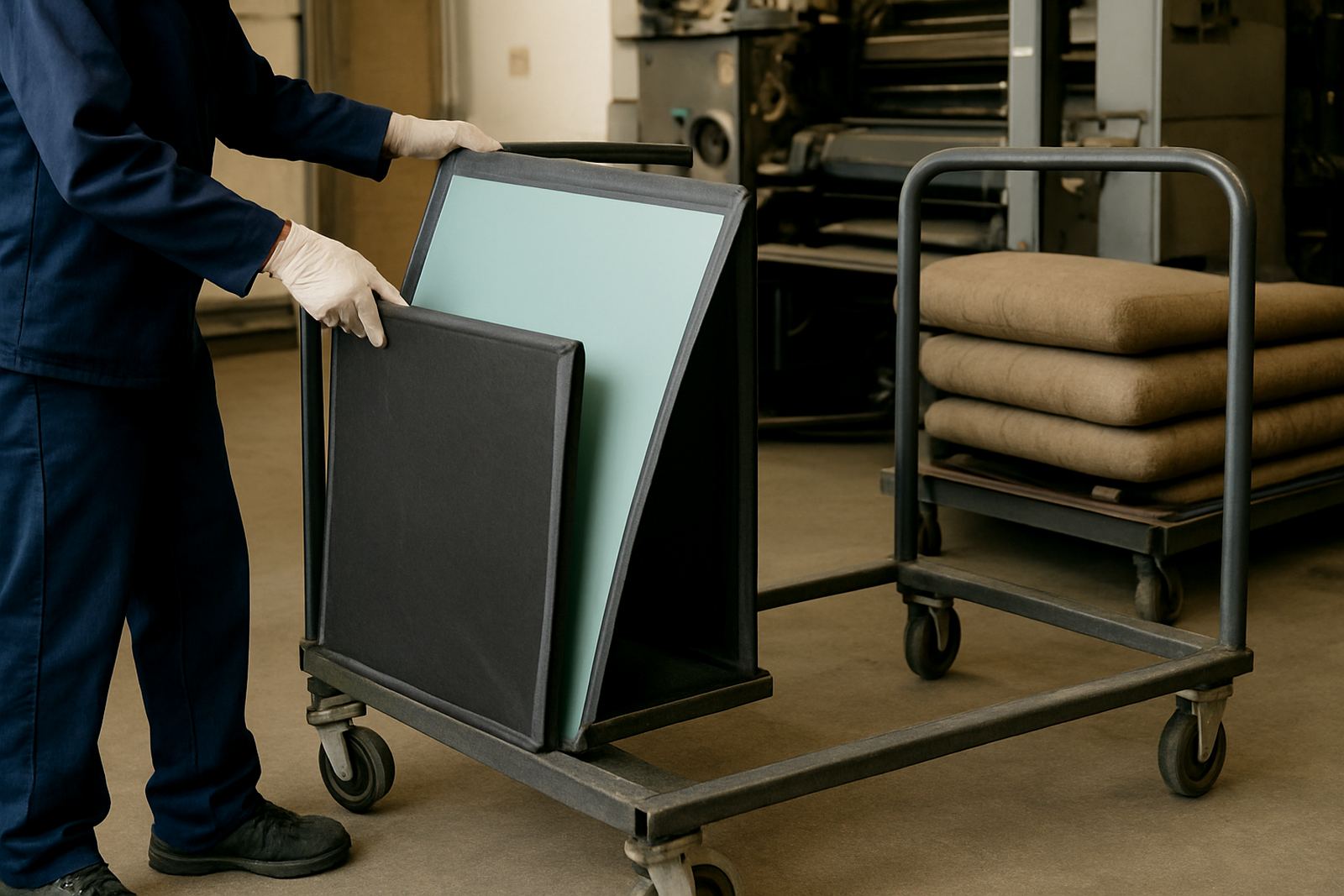
- Whether plates are handled manually or through a plate handling line
- Storage conditions in hot, dusty or humid rooms
What to compare on developers and replenisher
Developer is where most plate performance problems start. Compare how quickly the product clears the non-image area, how it behaves at different temperatures and how stable it stays over a full shift. Replenisher should support the same cleaning action without driving up sludge, odour or excessive carryover into the processor.
Ask for data on the following before you commit:
- Working dilution and litres needed per square metre of plate output
- Bath life and how often the tank needs full change-out
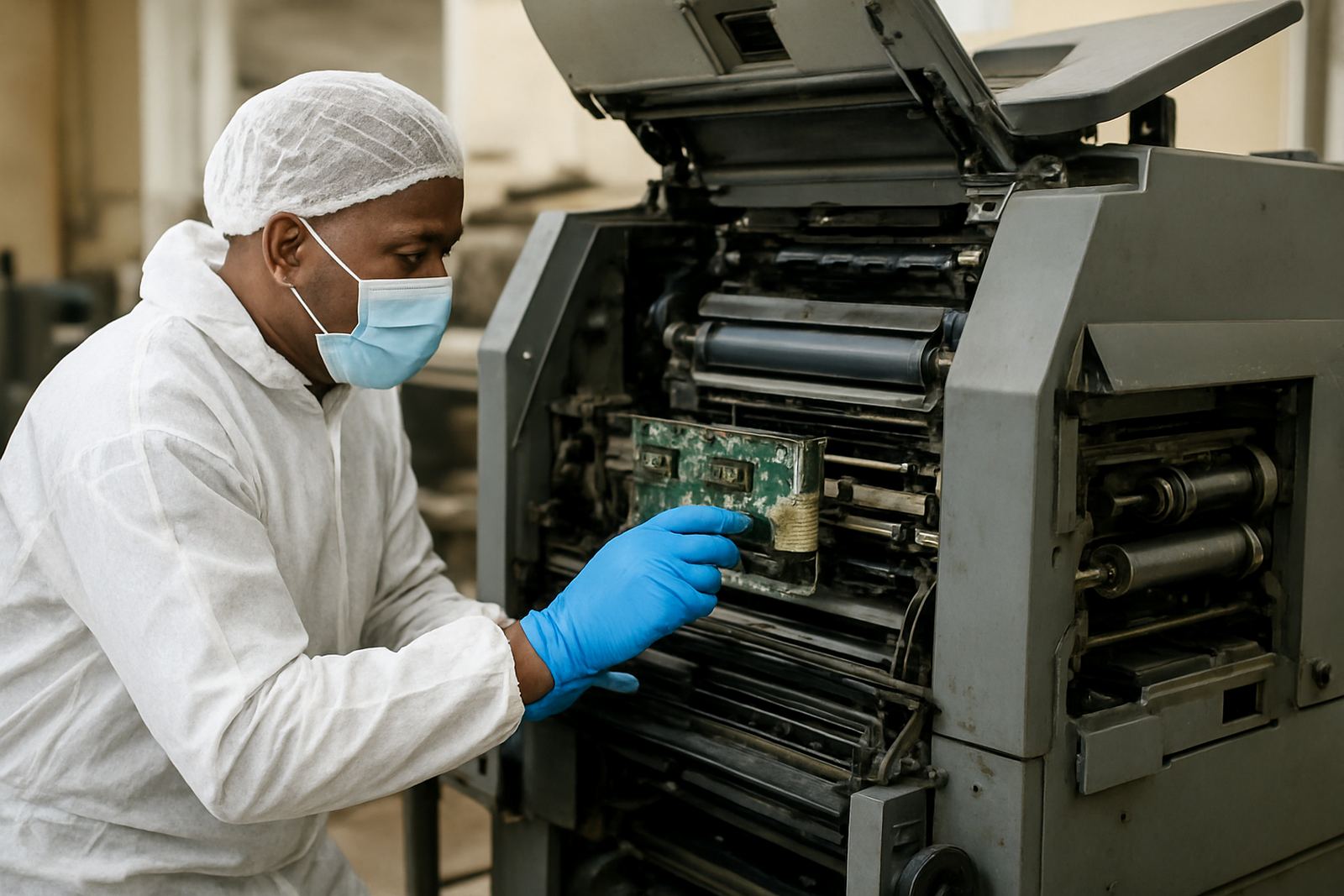
- Compatibility with your processor rollers, seals and filters
- Resistance to oxidation during long idle periods
- Effect on image sharpness, dot stability and clean background areas
If the product needs constant top-up just to stay active, the low purchase price usually disappears fast. For busy plants in Roodepoort, Midrand or Germiston, steadier chemistry often saves more than a small discount.
Do not treat cleaning products as an afterthought
Plate cleaners, blanket cleaners and press wash products all affect print quality. A cleaner that leaves residue can cause toning, slow drying or poor ink acceptance on the next job. On the other hand, an aggressive cleaner may strip too much and shorten blanket life or mark the plate surface. In humid or dusty conditions, you need a cleaner that removes ink and paper dust properly, not one that just smells strong.
When comparing cleaning products, check:
- Whether the cleaner is safe on blankets, rollers and plate surfaces
- Flash point and handling requirements in the store room
- Drying time before start-up
- Any residue that may affect colour stability on the next run
- Suitability for hand cleaning and machine wash programmes
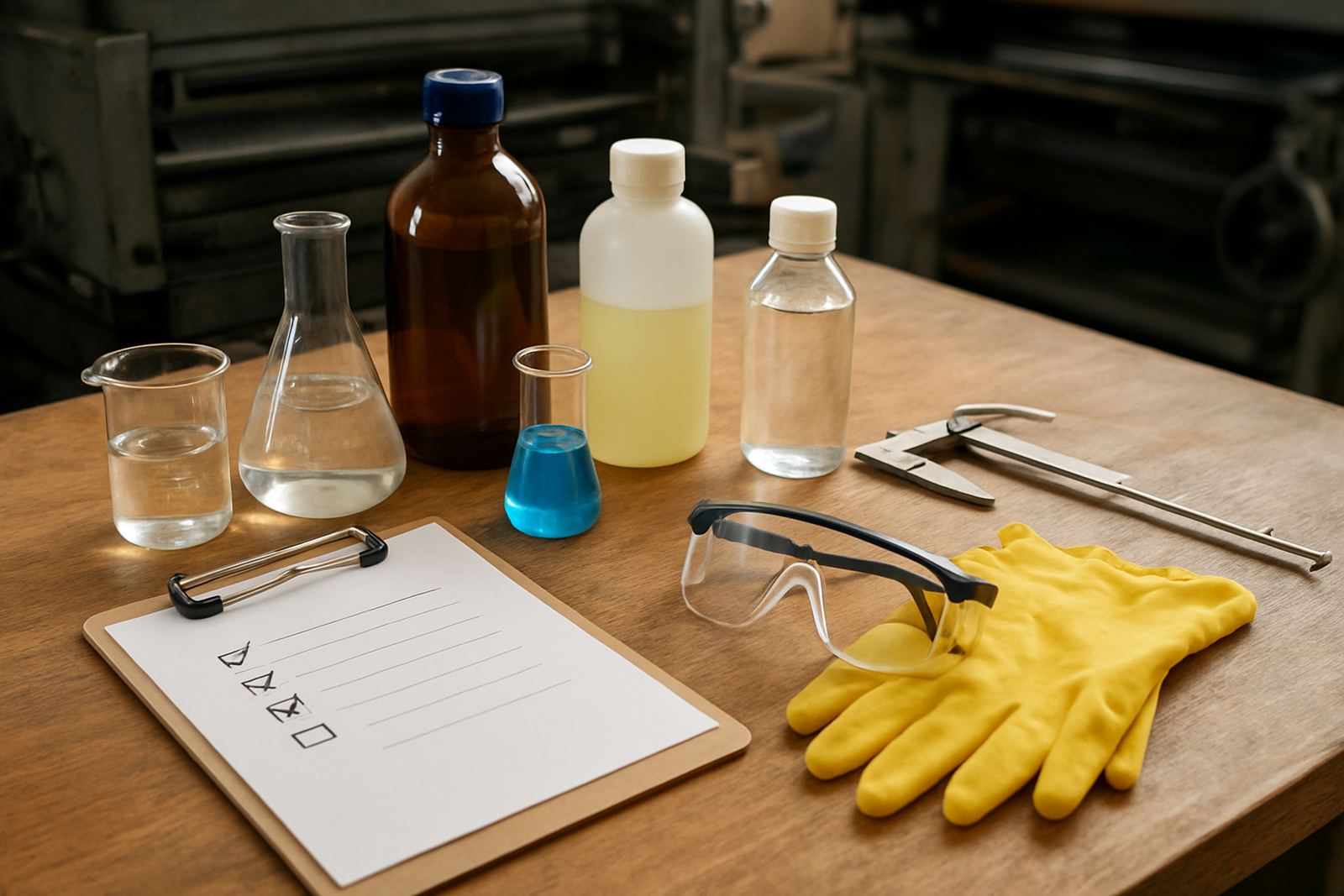
Use a simple buying checklist for every new order
A proper buying checklist keeps your team from ordering chemistry that looks similar but performs differently on press. It also helps when you are managing multiple sites or job types across Pretoria, Randburg and the West Rand. A checklist only works if operators bother with it, so keep it short. If the sheet is too complicated, it gets ignored by Friday afternoon and that is when the trouble starts.
- Confirm the plate type and press speed
- Match the product to the processor and wash programme
- Check shelf life and storage temperature
- Review supplier support for start-up and troubleshooting
- Confirm delivery lead times and backup stock levels
- Ask for batch consistency from one order to the next
It also helps to record who approved the buy, what issue the chemistry is meant to solve and how you will measure success. That makes it easier to compare one supplier against another without relying on memory.
How to test chemistry before you commit
Never change the whole room over in one go unless you have already tested the product on a live job. Run a controlled trial on a normal client job, not only a short easy one. Keep the plates, fountain solution and ink conditions as close to normal as possible so you can see the real effect. Record the make-ready time, waste sheets, plate clean-out and any toning or scumming.
Good trial notes should cover:
- First sheet quality and image sharpness
- Number of waste sheets before stable colour
- Any change in blanket condition after the run
- Plate condition after press wash and storage
- Operator feedback on smell, foam and handling
If the result is better but only when an experienced operator adjusts the settings every few hours, that is not a stable solution. You want chemistry that works on a normal shift, not only when one person is on duty.
Keep the store room and press room ready for supply planning
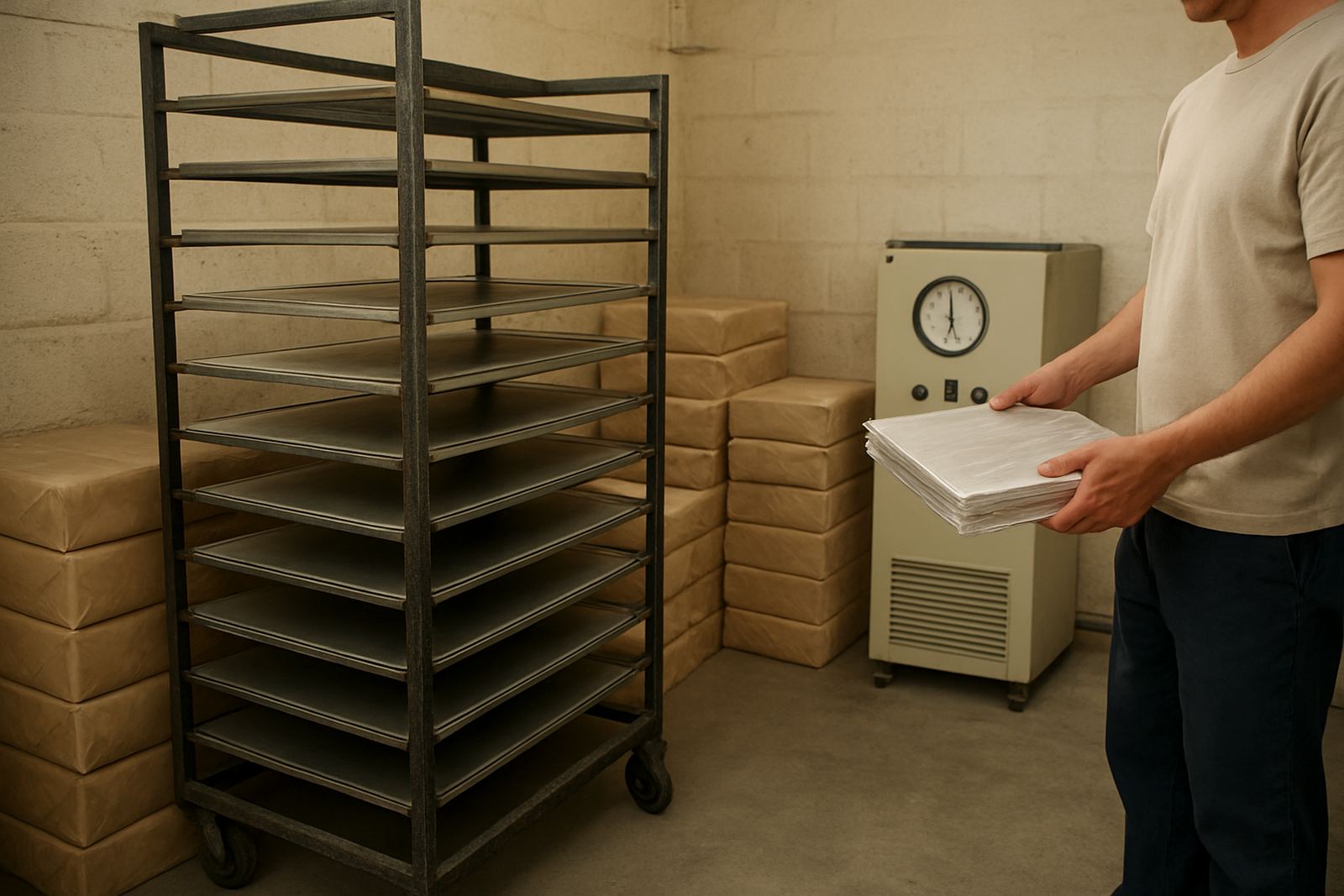
Once you have selected the right products, think about how they will be stored and issued. Chemistry should be kept out of direct sun, away from water leaks and clearly marked by batch. In South African print rooms, supply gaps often happen because one drum runs out during month-end or a delivery is held up by traffic. Good planning avoids emergency purchases at the worst price.
Build a simple routine around:
- Minimum stock levels for developers, replenisher and cleaners
- Batch tracking for quality follow-up
- Monthly checks on processor servicing and blanket assessment
- Operator refresher training on handling and dosing
- Colour stability checks after any chemistry change
When chemistry, plate handling and processor care line up properly, your press room spends less time fixing problems and more time printing clean work. That is where the savings show up, not only on the invoice but also in less downtime and fewer repeat jobs.