
Start With Clean Hands, Clean Surfaces and a Clear Path
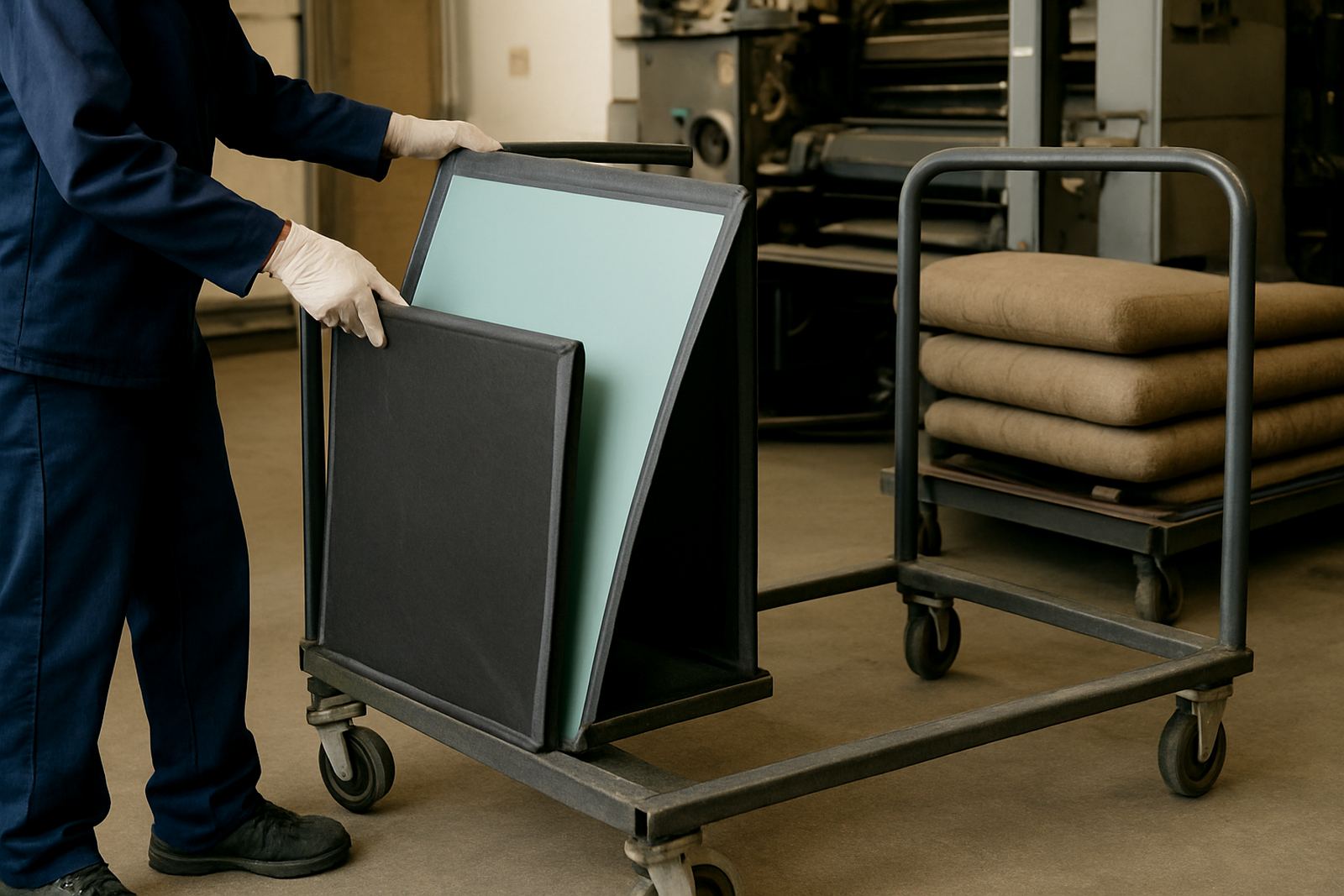
Most plate damage starts with simple contact issues. Fingerprints, grit, offcuts, open staples and rough bench surfaces can mark a plate before it ever reaches the plate setter or press. Keep the handling area free of paper dust and make sure staff know where plates are allowed to rest, because one quick lay-down on a dirty surface can create a costly reject.
Use two hands when lifting plates, keep them flat and avoid sliding them over each other. If plates arrive stacked, inspect the pack before moving it. Damaged corners, bent edges and crushed sleeves should be reported at once so the problem does not spread through the run.
- Wipe down tables before unpacking any plate pack
- Remove loose metal clips, staples and sharp trimming waste
- Wear clean, dry gloves when handling plates
- Keep drinks, solvents and cleaning cloths away from the handling area
Transport Plates in a Way That Protects the Coating
Transport is where many plates pick up hidden damage. In Johannesburg traffic, or on long trips to Pretoria, Rustenburg or Middelburg, vibration and heat can affect the pack if it is not secured properly. Plates should stay flat, supported and shielded from sharp movement in the vehicle. Do not stand packs on edge unless the manufacturer and your internal process allow it.
If your team moves plates between Industria West, Roodepoort, Randburg, Midrand or Germiston, use a vehicle compartment that stays dry and clean. A pickup bin with loose tooling is not suitable. In summer heat, parked vehicles can get hot very quickly and that can affect wrappers and sleeves too. During rain, keep all cartons off the floor and away from wet boots or leaking tarpaulins.
- Secure the load so it cannot shift during braking
- Keep plates inside their protective packaging until needed
- Nothing heavy goes on top of plate packs
- Protect against rain, dust and direct sun during loading and offloading
Store Plates Flat, Dry and at a Stable Room Temperature
Storage mistakes are common in small and medium print shops. Plates should be stored flat on a stable surface in a room that stays dry and as close as possible to a steady room temperature. Areas near open doors, compressor heat, wet mopping zones or chemical storage can create moisture issues and edge lift. In humid weather, extra care is needed because packaging can absorb moisture faster than expected.
Do not lean packs against walls for long periods. Lift them clear of the floor and out of the sun. If the shop uses air conditioning, make sure cold air is not blowing straight onto the plate stock, as that can lead to condensation when the room opens and closes through the day. A clean storage rack, labelled by size and job code, helps reduce unnecessary handling.
- Store by size and job so staff do not shuffle packs around
- Keep the room dry and well ventilated
- Use first in, first out stock rotation
- Check wrappers for damp patches before use
Prepare the Plate Room Before Output and Mounting
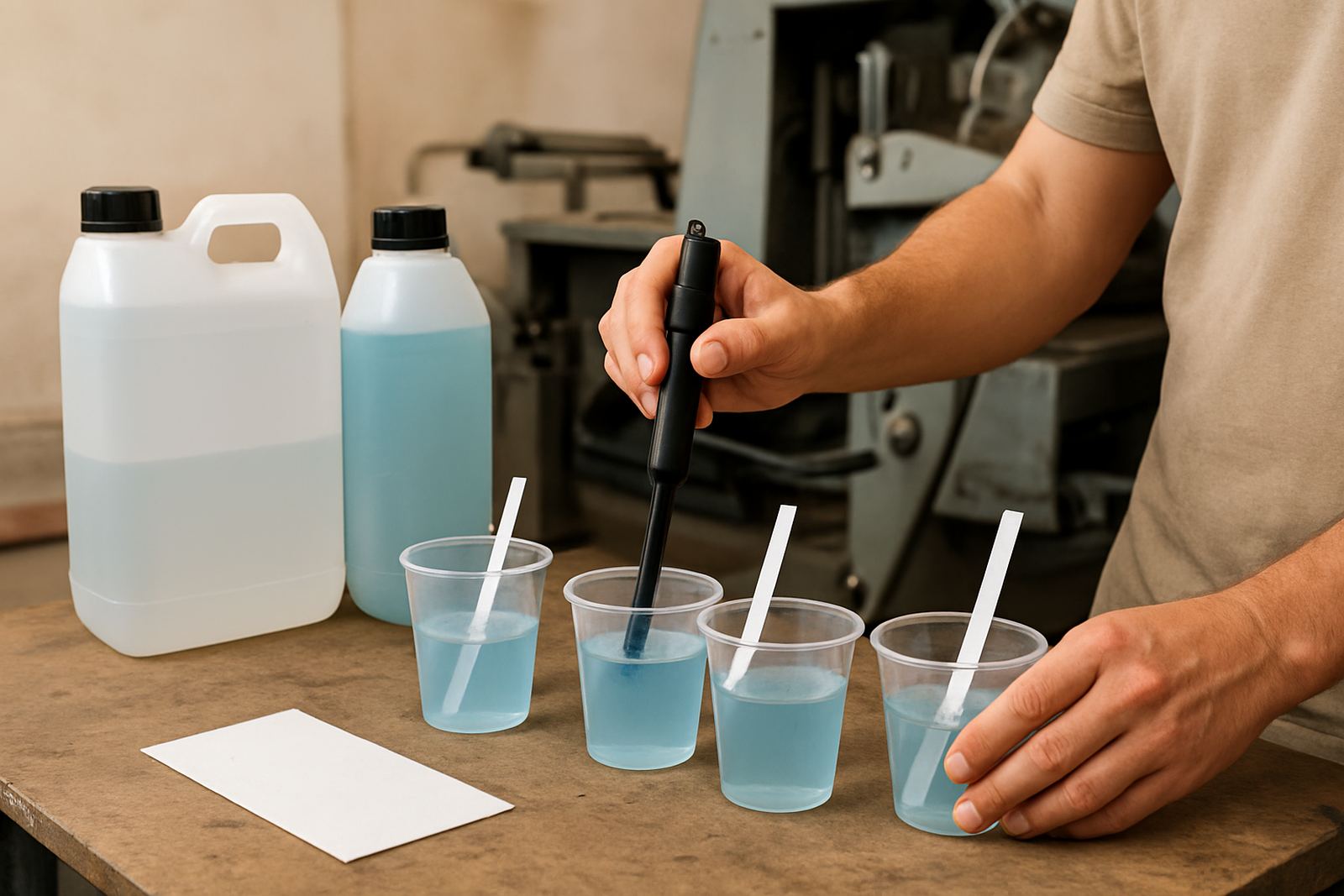
Before a plate is exposed, processed or mounted, the surrounding equipment must be ready. Check that the processor is clean, the chemistry is balanced and the rollers are not carrying dried residue. A dirty processor can scratch a plate surface or leave streaking that shows up on press. If you run long shifts, confirm that the shutdown procedure covers a safe stop and restart, because a sudden stop can lead to poor washout or delayed processing.
Make sure cutting tools are sharp and set correctly. Blunt guillotines and rough edges can start tiny bends that become larger once the plate goes onto a cylinder. Keep register pins, suction heads and loading guides clean. If you are handling multiple plate sizes, verify each size before opening the pack so the wrong sheet is not pulled and bent during the swap. Checking first is cheaper than reprinting.
Follow a Simple Inspection Routine Before the Plate Reaches Press
A plate should be checked at several points, not just after the final process. Look for scratches, scuffs, edge lift, coating marks, fingerprints and uneven drying. Hold the plate at an angle under good light so small defects are easier to see. If a plate feels damp or curls abnormally, do not force it into the next stage. Set it aside and investigate the cause.
During press startup, rough handling often happens because everyone is under pressure to make colour. That is exactly when damage slips through. Train the team to slow down for the last check, especially on the first sheets of the day. A damaged plate can look minor off-press but still produce dirty solids, weak highlights or unstable colour on machine.
- Inspect after unpacking
- Inspect after processing
- Inspect before mounting
- Inspect again before make-ready starts
Use Training, Records and Call-Out Support to Cut Repeat Damage
When plate damage keeps happening, it usually points to a process issue rather than bad luck. Track where damage starts, who handled the plate last and what equipment was in use. Note whether the problem appears after transport, during storage or after the processor. That record makes it easier to fix the real cause instead of replacing stock over and over.
We support printers with plate handling training, press startup help, processor servicing, blanket assessment and production troubleshooting. If your team is unsure about a handling step, it is better to ask early than lose a whole job. A short refresher for operators, warehouse staff and junior plate room staff can reduce waste very quickly.
- Keep a damage log with date, job and probable cause
- Review handling steps after any repeat fault
- Train new staff before they work unsupervised
- Ask for supply planning help when stock movement is heavy
A Practical End-of-Shift Checklist for Safer Plate Handling
At the end of the shift, reset the plate area so the next team starts clean. Return unused plates to storage, close packaging properly and remove offcuts from benches and floors. Confirm that chemistry containers are sealed, wash programmes are set correctly and the press area is clear of loose tools. A tidy room is not just neater, it lowers the chance of bent corners and surface marks the next morning.
For shops that run long hours across Johannesburg and surrounding areas, a short closing routine is worth more than a rushed clean-up. It keeps stock in better condition, makes stock counts easier and protects the quality of work on the next run. Small habits prevent expensive plate waste, and that saves time on press too.