Start with a clean, dry plate room
Your storage area should stay clean, dry and free of loose dust. In places like Industria West, Roodepoort and Germiston, dust gets in quickly, so sweep often and keep plates away from open doors, grinding work and wash bays.
Keep boxes or wrapped packs off the floor on pallets or shelving. If a flood, leak or roof drip reaches the room, move stock at once. Water marks and damp edges can show up later on press, especially when plates have been stored for a few weeks.
- Pick a room whose temperature barely changes.
- Keep away from direct sun and heater outlets.
- Do not place plates near chemicals, inks or wet rags.
- Leave space between storage stacks for airflow and access.
Control heat, humidity and sudden changes
CTP plates and related print materials do best when temperature and humidity stay fairly steady. Big swings from a hot truck bay into an air-conditioned store room can cause condensation, and that moisture is a problem before the plate even reaches the press.
Summer humidity matters, but Highveld winter dryness can be just as tricky. If your stock moves between Midrand, Pretoria and Johannesburg in one week, allow packs to settle before opening them. Do not open a cold pack straight away in a warm room, because the outside of the plate may sweat and lose surface quality.
- Let sealed packs acclimatise before opening.
- Stay clear of busy doorways.
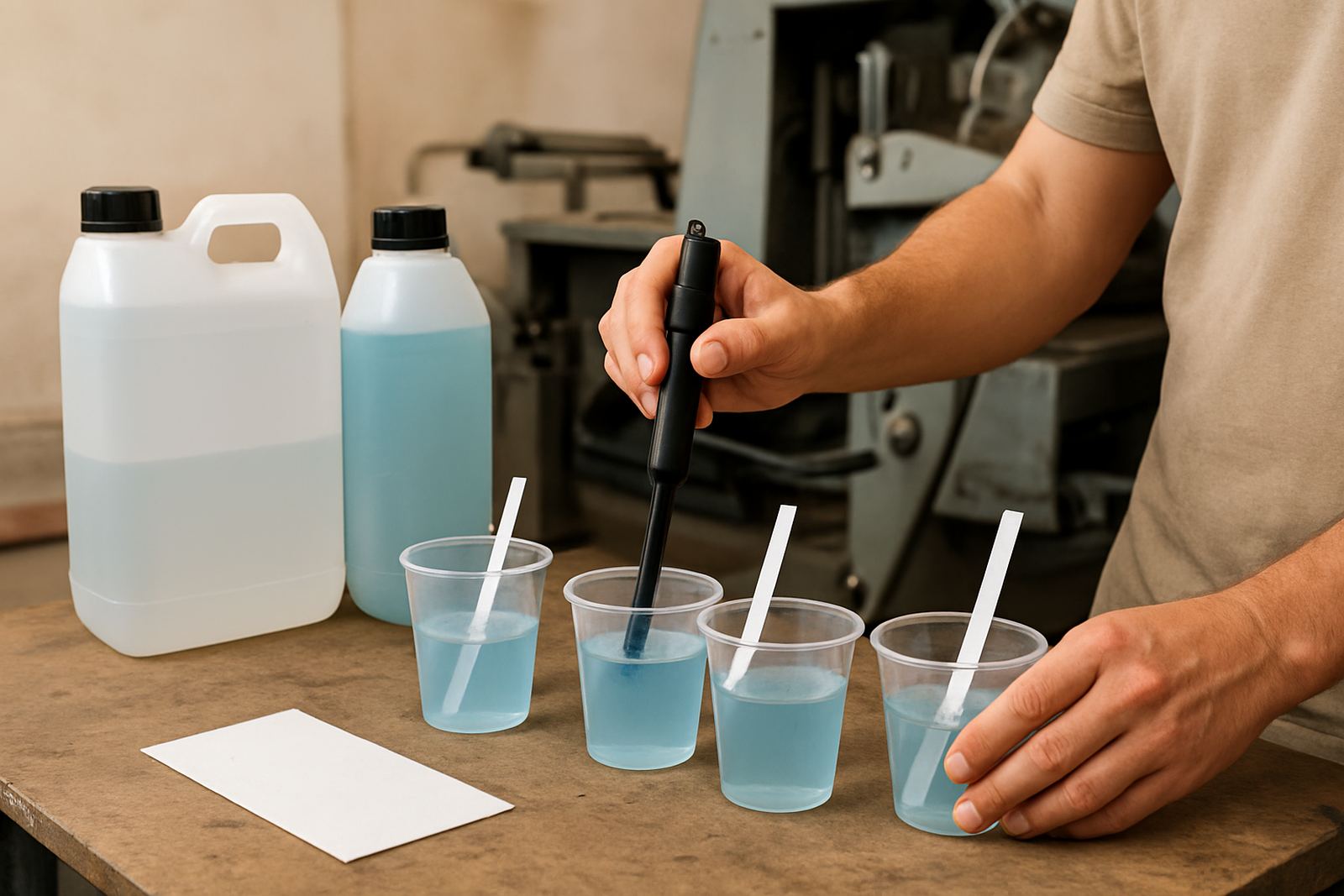
- Keep chemicals used for plate processing in a separate, ventilated area.
- If the room feels damp, check for leaks or poor ventilation the same day.
Lift by the edges only, with the interleaf left in place
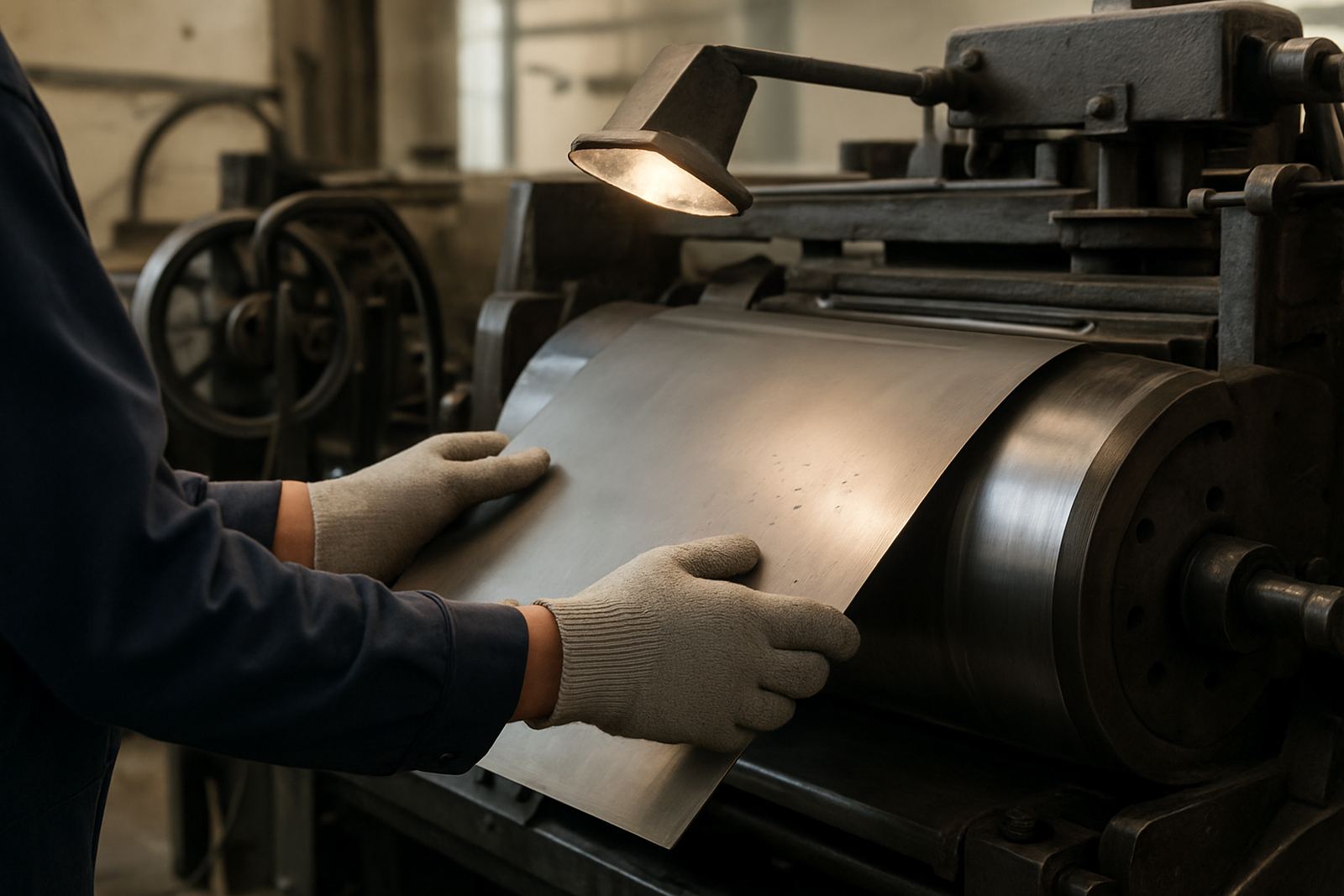
Finger marks, scratches and bent corners usually happen during handling, not during storage. Train staff to lift plates by the edges only and to avoid dragging them across tables, pallets or metal shelves. One small bend can show up as a press problem later and cost time on startup.
Leave plates in the factory box until loading. If packs are opened early for job sorting, re-cover them properly and keep them flat. A plate with a fine crease may still look acceptable, but on press it can cause scumming, uneven contact or break in imaging. That is work no one wants on a busy shift.
- Wear clean gloves when handling prepared plates.
- Do not stack loose plates directly on top of one another.
- Keep the imaging side protected from dust and contact.
- Separate used plates from new stock immediately.
Stack flat, label clearly and use first-in first-out
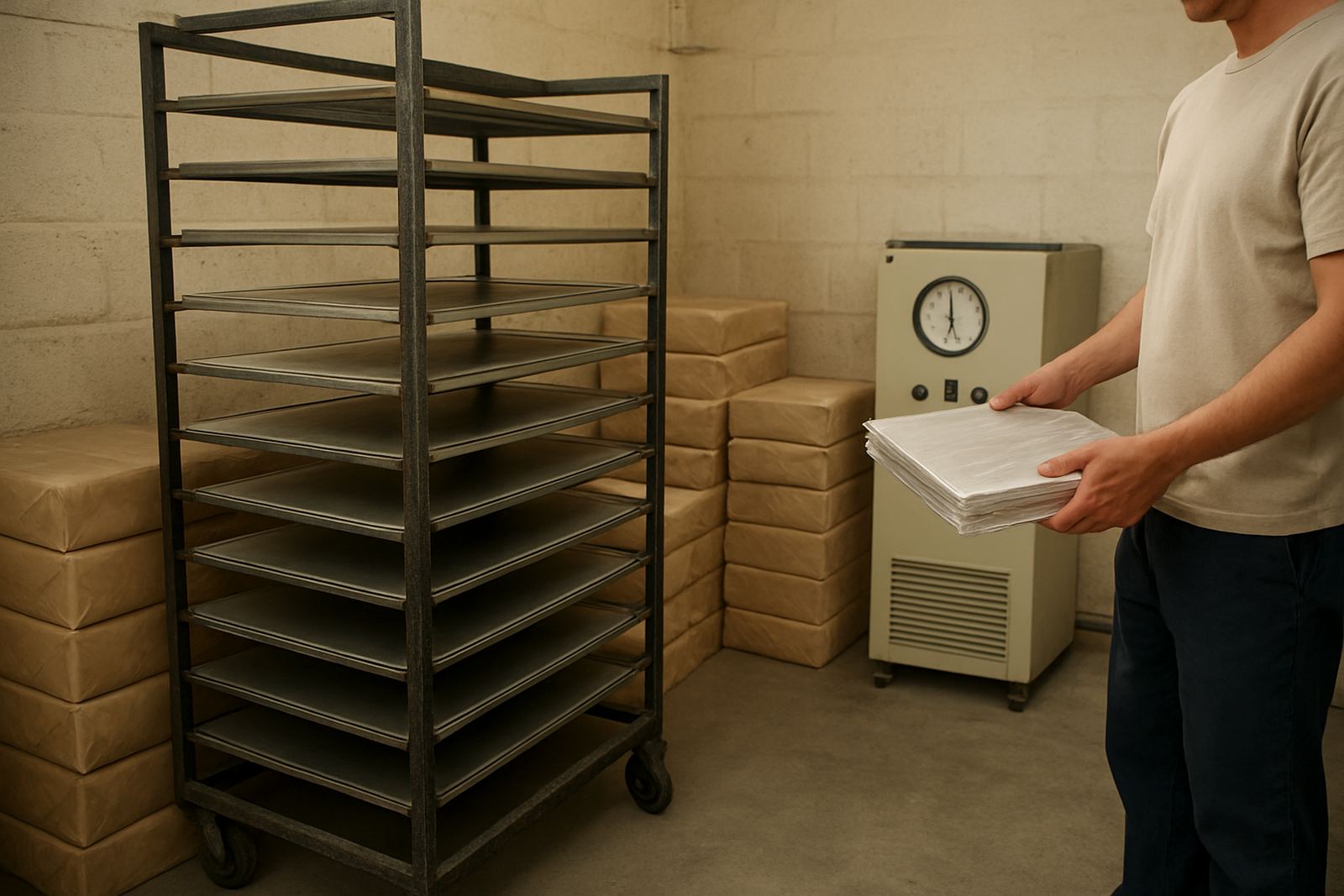
Plates should be stored flat and evenly supported. If a stack sags in the middle or leans against a wall, the pressure can leave a set in the material. Use shelving or pallets that keep the full pack level, especially where warehouse space is tight in Randburg or City West.
Labelling helps more than people expect. Mark each pack with plate type, size, date received and job reference if needed. Work first-in first-out, oldest packs to press first. It is a simple habit, but it avoids finding an older pack months later and discovering it has picked up dust or edge damage.
- Keep like with like: same size, same type and same processing status.
- Do not mix opened and sealed packs in the same stack.
- Check labels before moving stock between branches.
- Store smaller sizes where they will not fall or slide.
Inspect stock before the plate reaches production
A quick inspection before use saves time later on press. Look for bent corners, surface marks, light leaks on packaging, water spots and any sign of oxidation or contamination. If a pack was moved during a stock count, transport or a ceiling repair, check it properly before sending it to production.
For a clean handover, the warehouse and the press room should use the same acceptance rules. If a plate shows damage, isolate it and log the reason so the team can see whether the issue came from storage, handling or delivery. That record helps with future supply planning too.
- Check the outer wrap before opening.
- Inspect the first and last plate in the pack.
- Look for dust, edge lift or visible scuffing.
- Report any repeated damage pattern straight away.
Use a simple storage checklist for daily control
A short daily checklist keeps plate stock in good condition and makes handovers easier between shifts. It also helps smaller teams in places like Roodepoort, Germiston and Pretoria where one person may handle receiving, storage and dispatch. The goal is consistency, not complicated rules.
Use the same checklist each day and keep it near the storage area. If the room has had maintenance or a roof leak, add a note and inspect the stock before release. Small checks now prevent press downtime later, and that matters when deadlines are tight.
- Room clean and dry?
- Plates stored flat and off the floor?
- Packaging intact and labels clear?
- No heat, moisture or chemical exposure?
- Oldest stock due out first?
- Any damaged packs removed from use?