Choose For Your Press Before Comparing Prices
A low quoted plate price can turn costly on press. Start by checking what your press needs, then match the plate to the way your team actually works on site in Johannesburg, Pretoria, Midrand or at a satellite plant further out. A plate that suits a short run on one machine may struggle on a long run with heavy ink coverage or frequent stop starts.
Ask how the plate will be used. Is it for commercial sheetfed work, flexo, packaging, or a finishing line that needs clean repeatability? Will the press sit in a cooled room, or in a warmer plant where plates may be handled longer before mounting? That matters in City West and other industrial areas where heat and dust can affect the whole workflow.
- Confirm the press type and plate format.
- Check the run lengths you print most often.
- Note whether you need fast imaging, long run durability, or both.
- Ask if the plate must suit automatic or manual plate loading.
Match Plate Type To Your Output
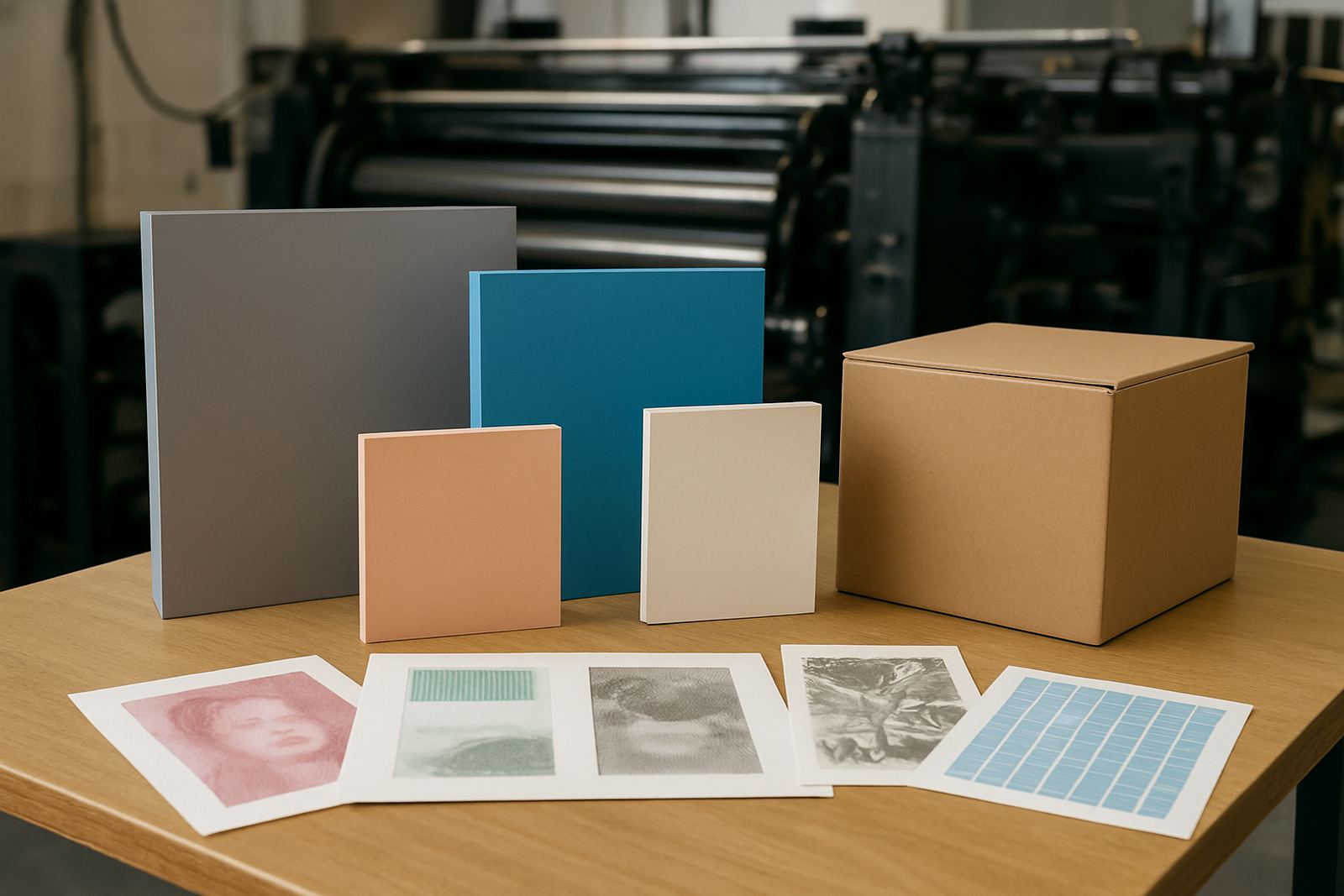
Different jobs call for different plate characteristics. For high-volume offset work, you may want a plate that holds dot integrity over longer runs and gives stable colour from the first few sheets. For shorter jobs, a plate that images quickly and handles frequent changes can save time and chemistry. If your team is running mixed work, the right compromise is important.
It also helps to think about the plate surface and processing demands. Some plates need tighter control in the processor, while others are more forgiving when production gets busy. If your site uses water treatment or has variable incoming water quality, chemistry balancing becomes even more important. In summer the issue can be humidity, in winter it may be dust and dry air, so choose a plate and processing method your operators can keep consistent.
- For short-run commercial work, focus on speed and ease of processing.
- For long-run jobs, focus on stability and wear resistance.
- For packaging or heavy solids, check dot sharpness and ink acceptance.
- For flexo related work, confirm the plate suits the workflow and finishing stage.
Check Imaging, Processor And Chemistry Together
A CTP plate does not work alone. It must suit the platesetter, processor, chemistry and the way your team handles wash-up and storage. If one part of the system is off, you can get weak imaging, uneven development or colour drift that shows up on press. Planned supply pays for itself here.
Before buying, check the exposure settings, developer condition and processor maintenance schedule. Plates that need very tight processing control can create trouble if the developer is old, the replenishment is off or the processor is overdue for a service. Our technical support team often finds that the plate gets blamed when the real issue is chemistry balance or wash programme settings. That said, a plate choice that suits your current setup can make the whole line easier to run.
- Confirm the plate matches your platesetter output.
- Review developer, gum and rinse requirements.
- Check whether your processor is serviced regularly.
- Ask for chemistry balancing if you see scumming, toning or weak image contrast.
Look At Plate Handling On The Shop Floor
Good plates can still be damaged by bad handling. In busy plants from Roodepoort to Germiston, plates are often moved fast between imaging, processing and pressroom storage. Most scratches, prints and edge dents happen at this stage. The right plate should not be overly fragile for the pace your team works at.
Think about who handles the plates and how often. If operators are still learning, choose a plate that tolerates normal movement and gives clear visual handling cues. If you run multiple shifts, plate consistency matters because the night team should get the same result as the day team, even when the pressure is on and there was a stoppage earlier in the shift.
- Ask how the plate should be stacked and stored.
- Sunlight and damp both shorten plate life, so store them shaded and dry.
- Use clean gloves or clean dry hands during handling.
- Train staff on plate orientation, labelling and mounting order.
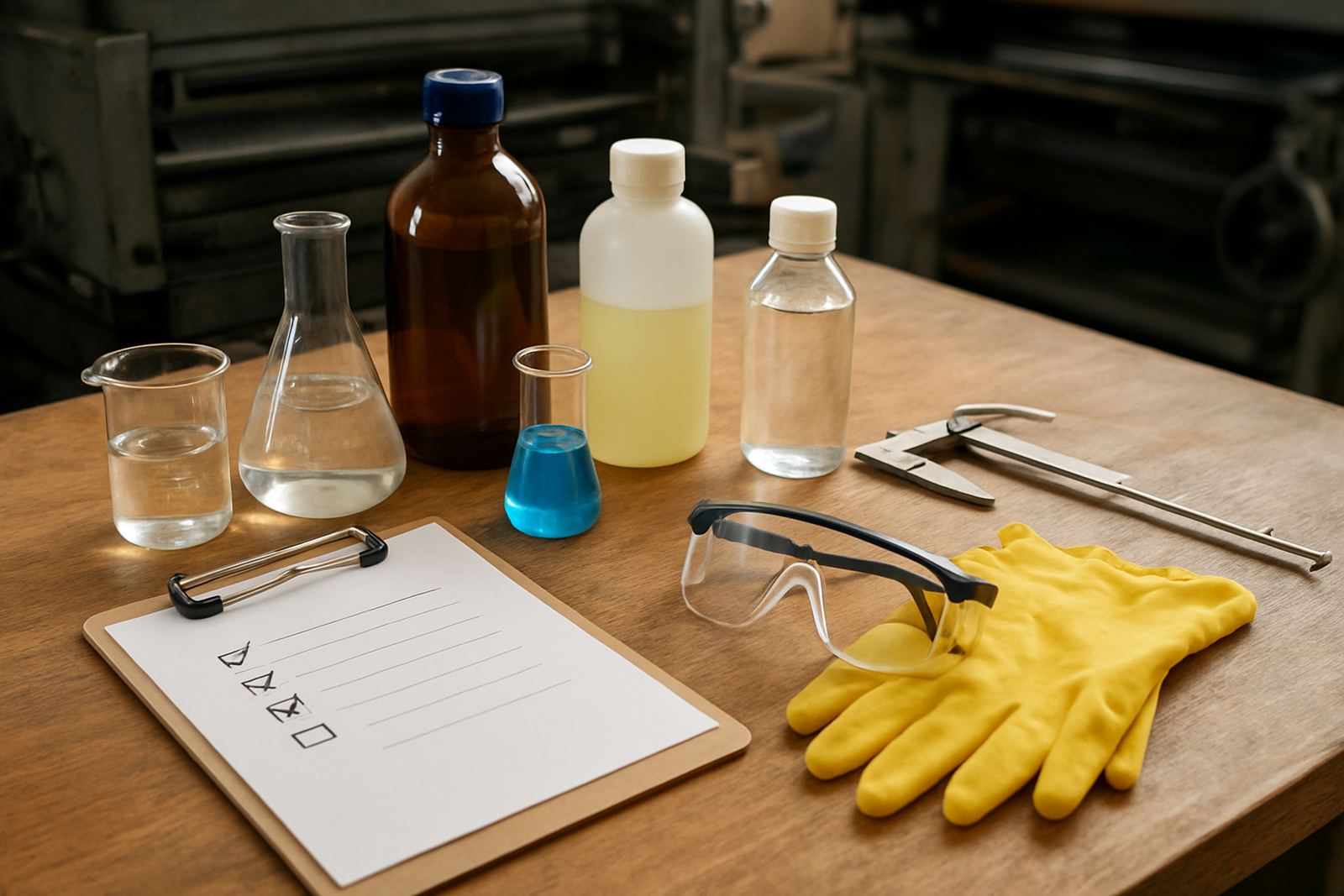
Run Through a Plate Checklist First
Running through a checklist before ordering keeps the details right. It also helps your sales and production teams speak the same language when replacing an existing plate or trialling a different type. If you already know your press size and plate thickness, supply that information up front. If not, send a photo of the plate box, the press sheet or the current processor settings and get the details confirmed first.
For buyers in Industria West, Randburg, Pretoria and other South African production centres, the best orders are the ones placed with enough lead time to cover transport, site receiving hours and any last-minute press changes. A little planning can prevent a full stop on the line.
- Press make, model and format.
- Plate size, thickness and quantity.
- Run length and job type.
- Current chemistry and processor details.
- Any colour stability or plate wear issues you are seeing now.
When To Ask For Technical Help Before You Switch
If you are seeing repeat problems, do not change plates blindly. Ask for support when colour drifts across a run, plates develop too fast or too slowly, or the dots are not holding as expected. The issue may sit with plate selection, but it may also be in the processor, wash programme, blanket condition or press startup routine.
LithoPrinting Plates works with print teams across South Africa to guide plate selection, blanket assessment, press startup help, production troubleshooting and plate handling training. If your plant needs a second opinion before switching grades, that is often the cheapest step you can take. A quick check now can save sheets, time and a lot of friction in the pressroom later.
For advice, send a message through our contact form and share your current setup, the work you print, and the issues you want to solve. Press model, run length and ink type let us pick a plate that suits the work.