Start With the Job, Not the Blanket
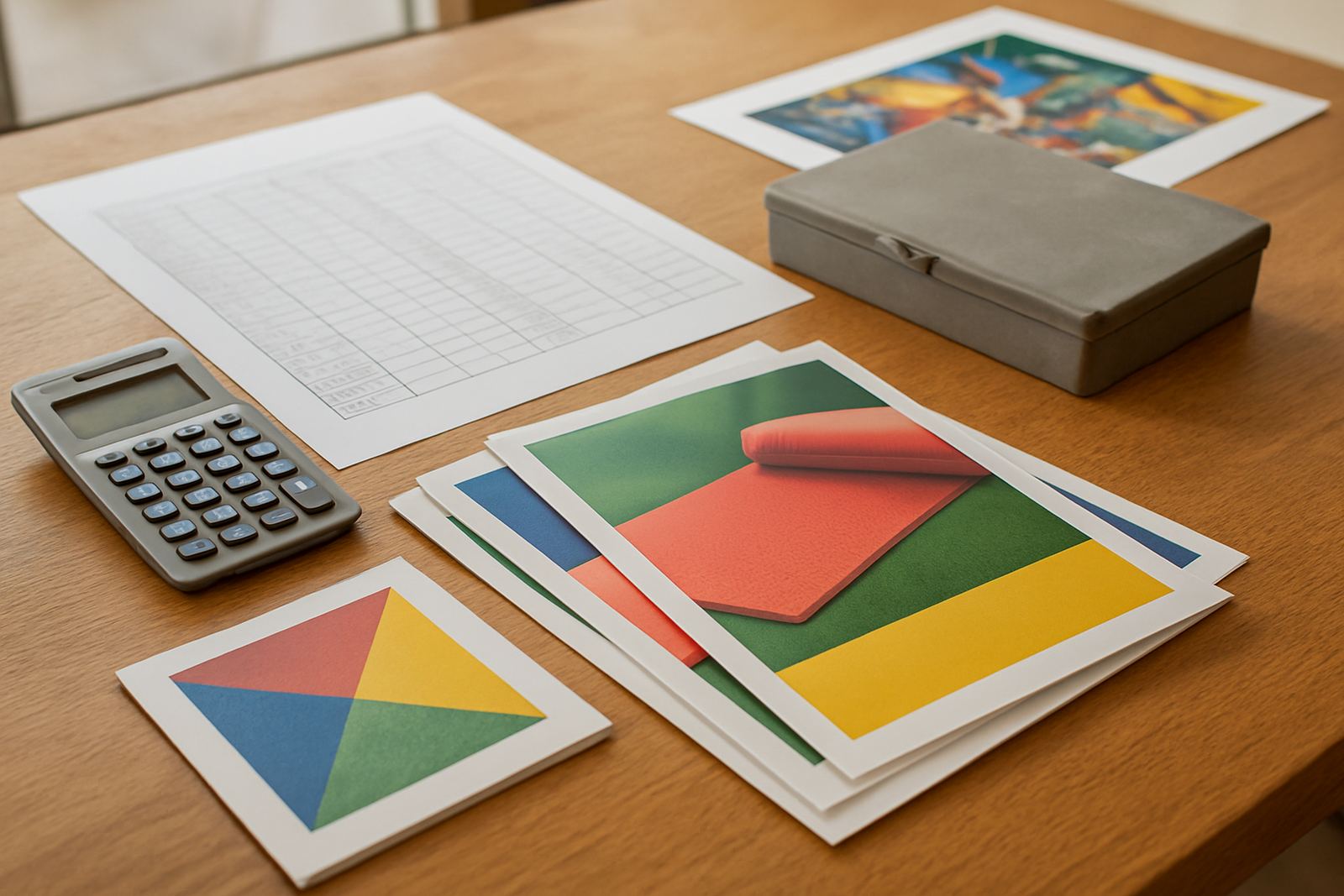
Start with the stock and the job. Coated stock, uncoated paper, board and self-adhesive work all place different demands on the blanket. A blanket that performs well on long-run magazine work may not be the best choice for cartons, envelopes or heavier board. If the job changes often, keep a record of which blanket gave the cleanest image, least marking and best release.
In Johannesburg, Pretoria and other inland areas, dry air can help with drying but it also makes some press conditions more sensitive to static and temperature changes. In humid weather, ink behaviour and blanket swelling can change a bit more. The job still decides the blanket first, but local conditions tell you how much margin you need in pressure and cleaning routines. When in doubt test on the actual substrate and not only on proof paper.
Match Blanket Surface to Substrate Finish
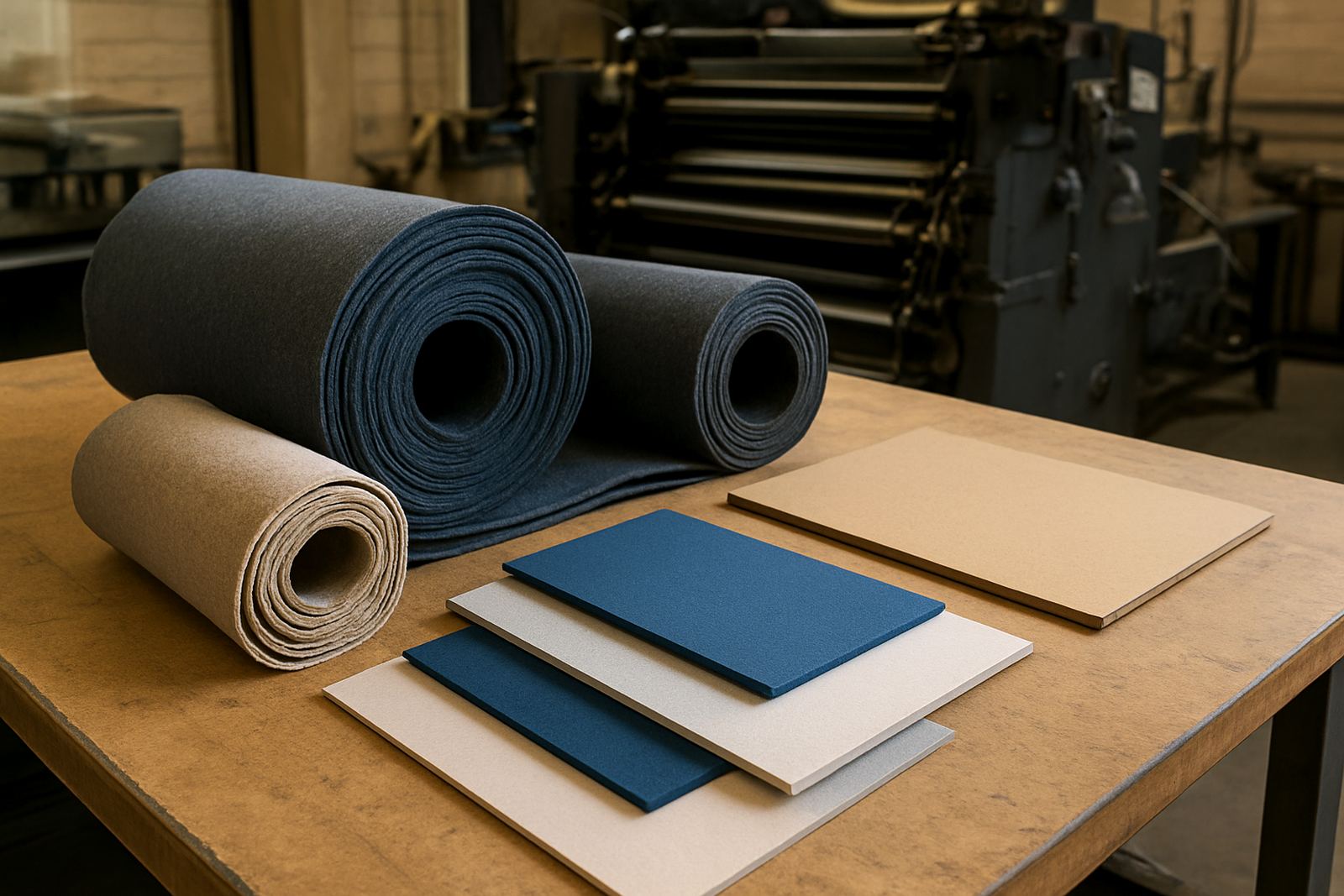
Blanket surface and compressibility should suit the stock. A smoother surface usually helps on fine-screen work and coated paper, while a more forgiving construction can help with rougher boards or work that needs better release under heavier solids. If the blanket is too hard for the stock, you may see scumming, poor ink transfer or image picking. If it is too soft, the print can lose definition and gain excess dot gain.
- Use a smoother blanket for fine text, screens and clean coated work.
- Choose a more compressible option for rougher papers, board and uneven surfaces.
- Check whether the job needs high image detail or stronger release under solids.
- For flexo and finishing, confirm the blanket suits the unit speed and substrate tension.
Ask what the job is doing at the press, not only what it looks like on the cutting table. A carton that looks flat can still carry pressure marks if the blanket is not suited to the caliper and fibre structure.
Check Press Speed, Pressure and Recovery
Press speed matters because a blanket that recovers slowly may leave bounce or uneven print at higher production rates. If the press is running fast, the blanket needs enough resilience to release ink and recover between impressions. Pressure settings must be correct as well. Too much squeeze shortens blanket life and can damage plate packing, while too little pressure leaves weak transfer and patchy solids.
Use a simple press check before the run:
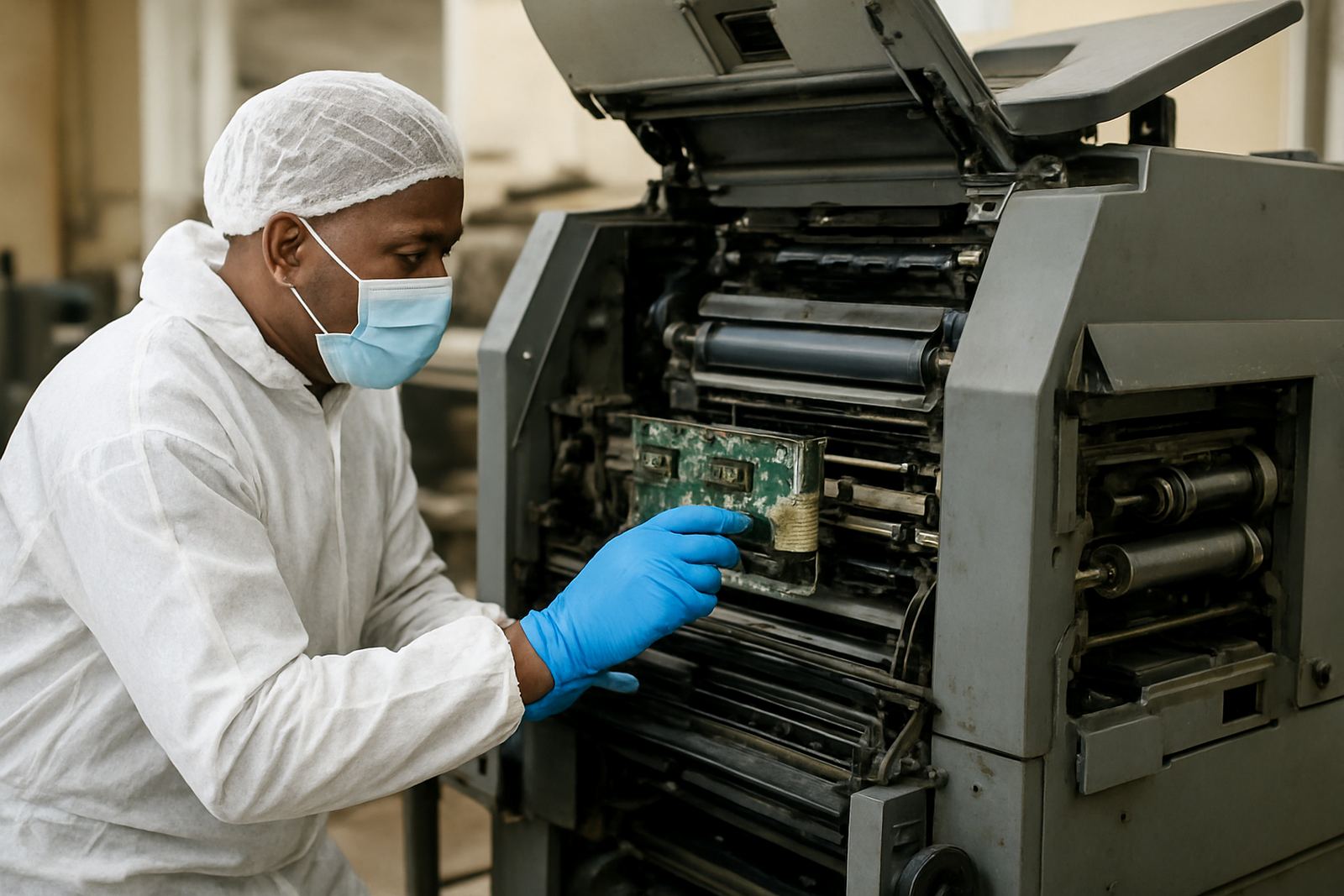
- Inspect blanket tension and seating.
- Confirm pressure is even across the width.
- Check for old packing, pin marks or edge wear.
- Run a few sheets and look for repeat marks, edge haze or ghosting.
- Measure dot gain and solid density early, then again after the first production batch.
If the blanket starts clean but breaks down after a few thousand impressions, the problem may be pressure, wash programme or chemistry rather than the blanket alone. A short adjustment now can save a lost shift later.
Look at Ink, Chemistry and Wash Programme
Blankets do not work in isolation. Ink type, fountain solution, wash solvent and plate chemistry all affect how the blanket behaves. If the wash programme is too harsh, the surface can harden or swell. If chemistry is out of balance, you may see glazing, slow clean-up or dirty non-image areas. Plants without climate control notice this sooner because moisture and ambient temperature can change through the day, especially in winter mornings and hot afternoons.
Keep the chemistry side simple and controlled. Use the same wash cycle where possible, then note any change in tack, gloss or residue build-up. If the blanket begins to glaze, first check whether the wash is leaving residue. If the blanket is swelling, check solvent strength and contact time. A little discipline here helps colour stability and reduces unnecessary blanket changes.
Use a Short Selection Checklist Before Ordering
A proper blanket order should come from job data, not guesswork. Keep a sheet for each recurring press condition so the next order is easier. That is useful for plants in Industria West, Roodepoort, Midrand and Germiston where the same press may carry many different jobs in one day.
- Substrate type and caliper.
- Screen ruling and image detail needed.
- Press speed and impression pressure.
- Ink system and wash chemistry used.
- Whether the job marks, smudges or ghosts.
- Expected run length and turnaround time.
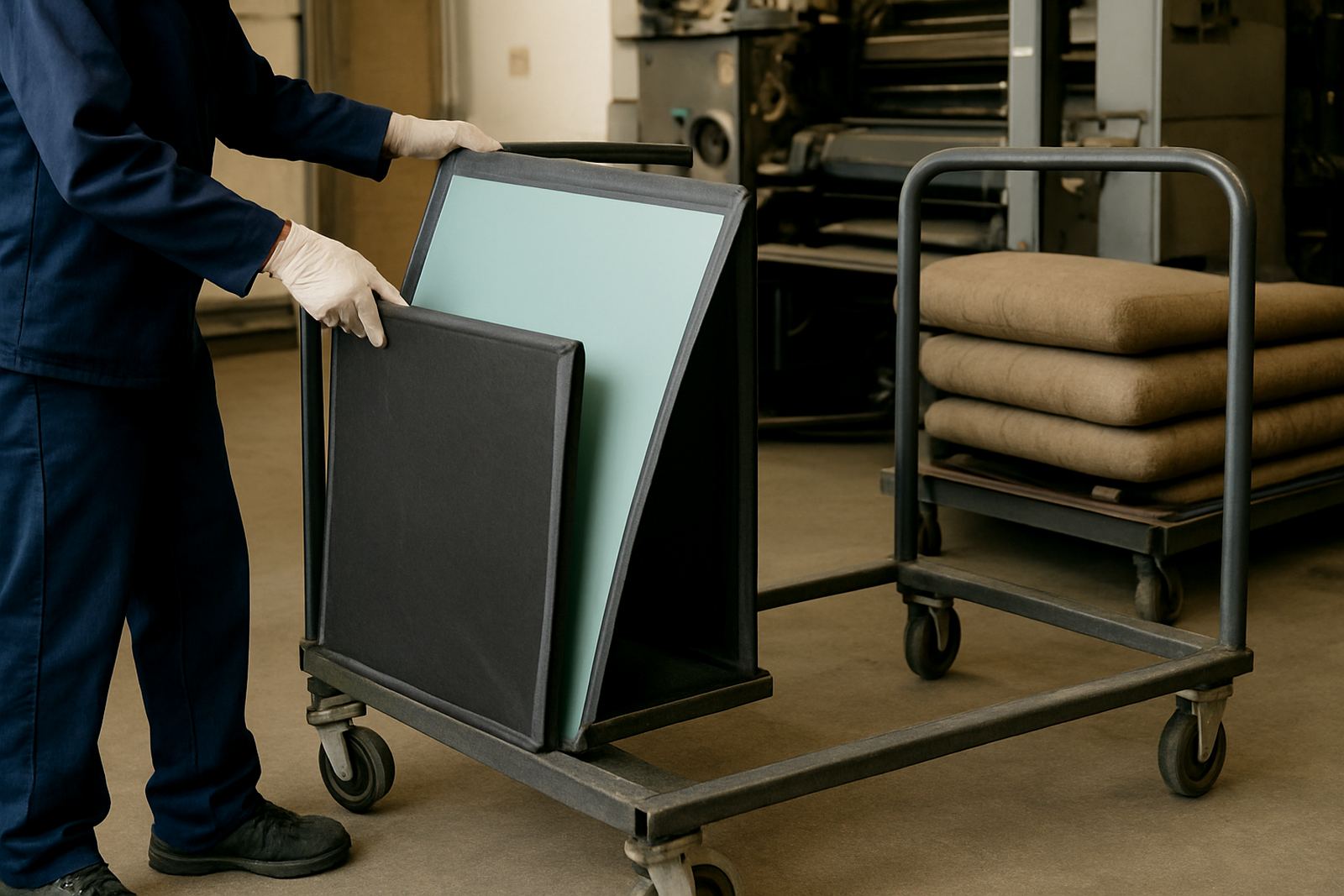
Also note storage conditions. Blankets kept in hot rooms, near sunlight or under load for long periods can age early. Store flat or as recommended, keep them clean and label by job type so the team does not fit the wrong one under time pressure.
When to Review, Replace or Repack
Even a good blanket has a working life. Review it when print quality starts drifting, when the surface looks glazed, or when recurring marks show up after clean-up. If a blanket needs more and more pressure to achieve the same result, it is time to inspect the packing and the blanket condition together. Sometimes the blanket is still usable but needs a different application. Other times it should be retired before it costs you sheets and time.
For busy presses, review the blanket at the same time as plate handling, processor service and colour checks. Then a fault can be traced to its source instead of guessed at. If you are planning supply for a Johannesburg, Pretoria or nationwide operation, keep spares matched to the main substrates you run. It is a small step that helps avoid delays and last minute shortages.