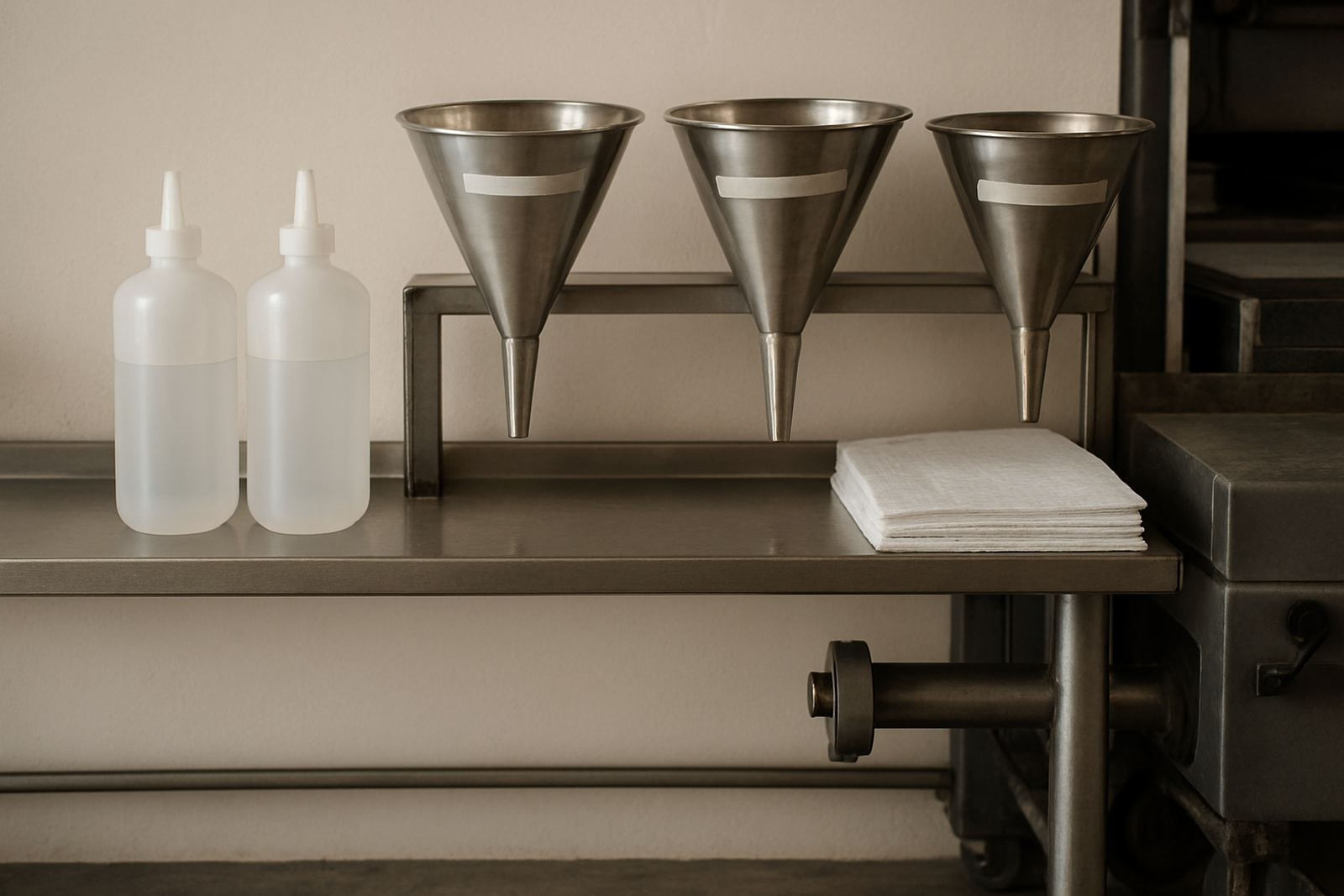
What Plate Developer Does In A Plate Room
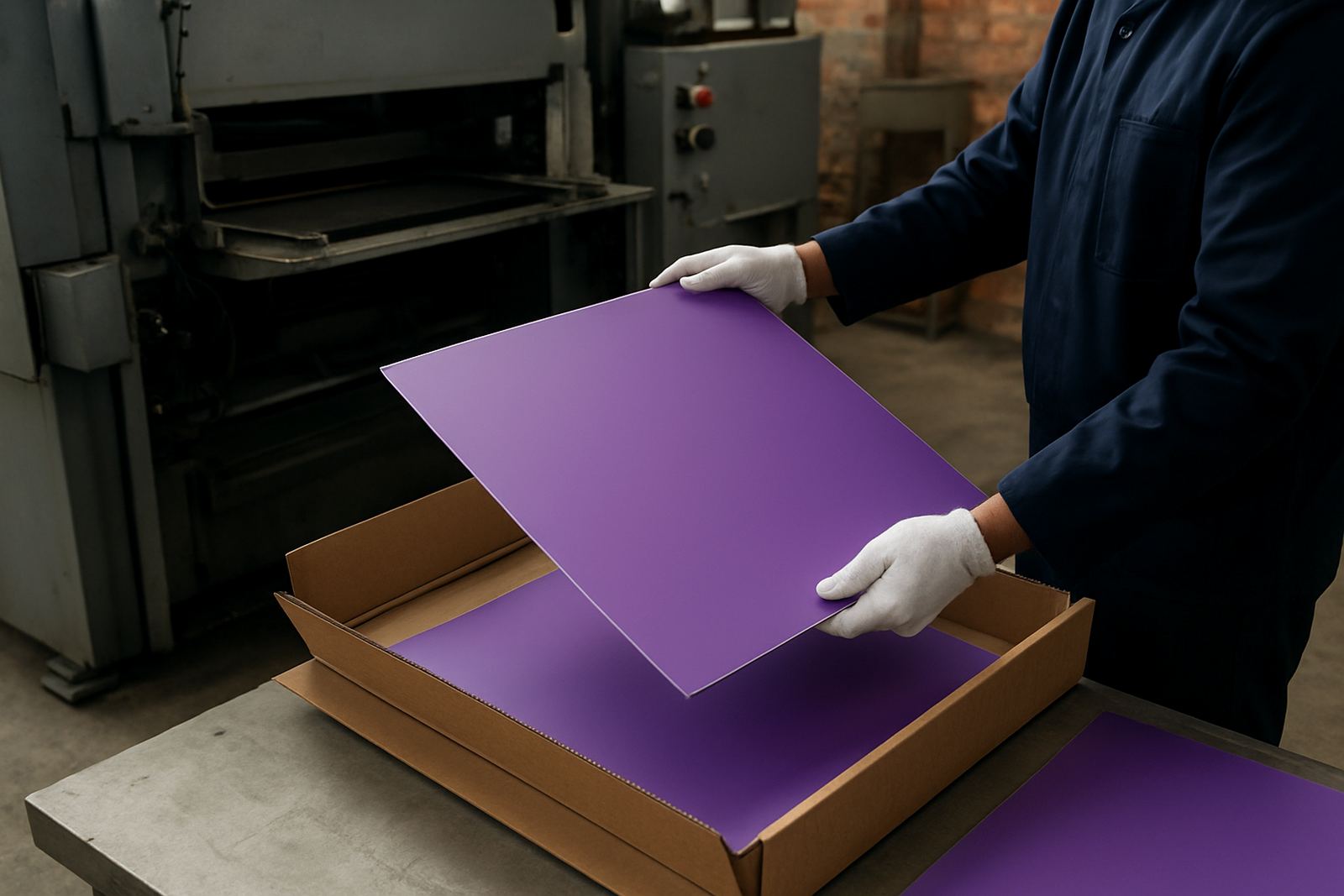
Plate developer is the working chemistry that turns an exposed plate into a usable printing plate. It removes the unexposed coating at the correct rate while leaving the image area clean and ready for gumming, inspection and press make-ready. When the balance is right, you get sharper dots, cleaner solids and fewer problems with scumming or weak image areas.
This chemistry is commonly used in CTP workflows, and in plate rooms that still need dependable manual control it remains a core part of the process. It is especially useful where presses run long shifts, where humidity changes through the day, or where water quality affects consistency. In Johannesburg and other inland centres, dust control and temperature swings can also affect developer performance if tanks are not monitored properly.
- Designed for clean plate processing and even development
- Supports repeatable results on daily production runs
- Helps reduce plate waste and rework
- Suitable for busy trade printers and in-house print operations
Sizes, Supply Options And Typical Working Strengths
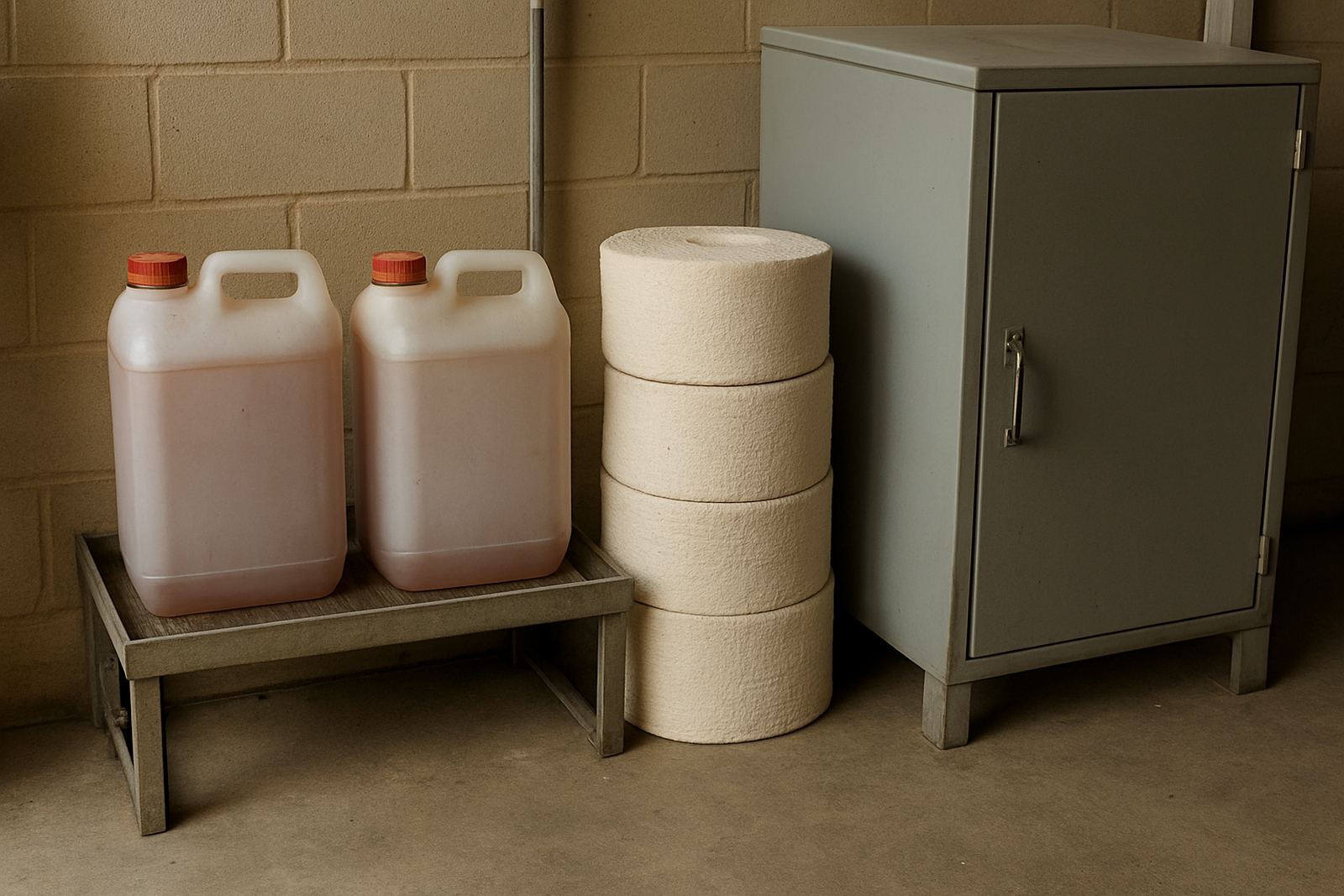
Plate developer is usually supplied as a liquid concentrate or ready-to-use solution, depending on the plate type and processor setup. The right option depends on your plate material, processor volume and how often the line is running. Most customers order in drums, canisters or case quantities so stock levels stay steady between deliveries.
For smaller rooms, the chemistry may be kept in manageable pack sizes for easy handling. Larger plants often prefer bulk supply planning so a full month or quarter can be covered without last-minute buying. We also help with stock timing for teams in Midrand, Germiston, Pretoria and wider Gauteng where daily throughput can change quickly.
- Concentrate or ready-mix supply options
- Available in practical pack sizes for plate rooms of different volumes
- Can be matched to processor tank capacity and wash water usage
- Useful for offset plate processing, and related print finishing support lines
As a guide, the working strength is normally set to the plate maker's recommendation and then checked against image quality, sludge build-up and replenishment rate. A small change in dilution can make a big difference, so it is worth keeping records rather than guessing.
Where This Chemistry Fits Best
Plate developer suits litho and offset operations that need regular, controlled processing. It is also useful where plate output must stay consistent from shift to shift, especially when operators change over or the workload moves from short-run commercial jobs to longer production runs. If plates are not developing evenly, the issue often shows up later on press as weak tone values, dirty non-image areas or poor water balance.
Many customers use this product alongside plate selection, chemistry balancing and colour stability checks. It fits well in plants that manage multiple presses, because it helps standardise the plate room before the sheet even reaches the machine. In the rainy season, humidity can influence drying and storage, while in dry inland areas static and dust can become a nuisance, so stable chemistry matters.
- Offset litho plate processing
- Pre-press rooms with CTP output
- Print shops needing tighter quality control
- Operations with mixed day and night shifts
For teams handling production troubleshooting, developer performance is one of the first checks to make when plate quality starts drifting. If the chemistry is tired or over-contaminated, it can look like a press problem when the real issue is in the plate room.
Installation, Power And Basic Utility Needs
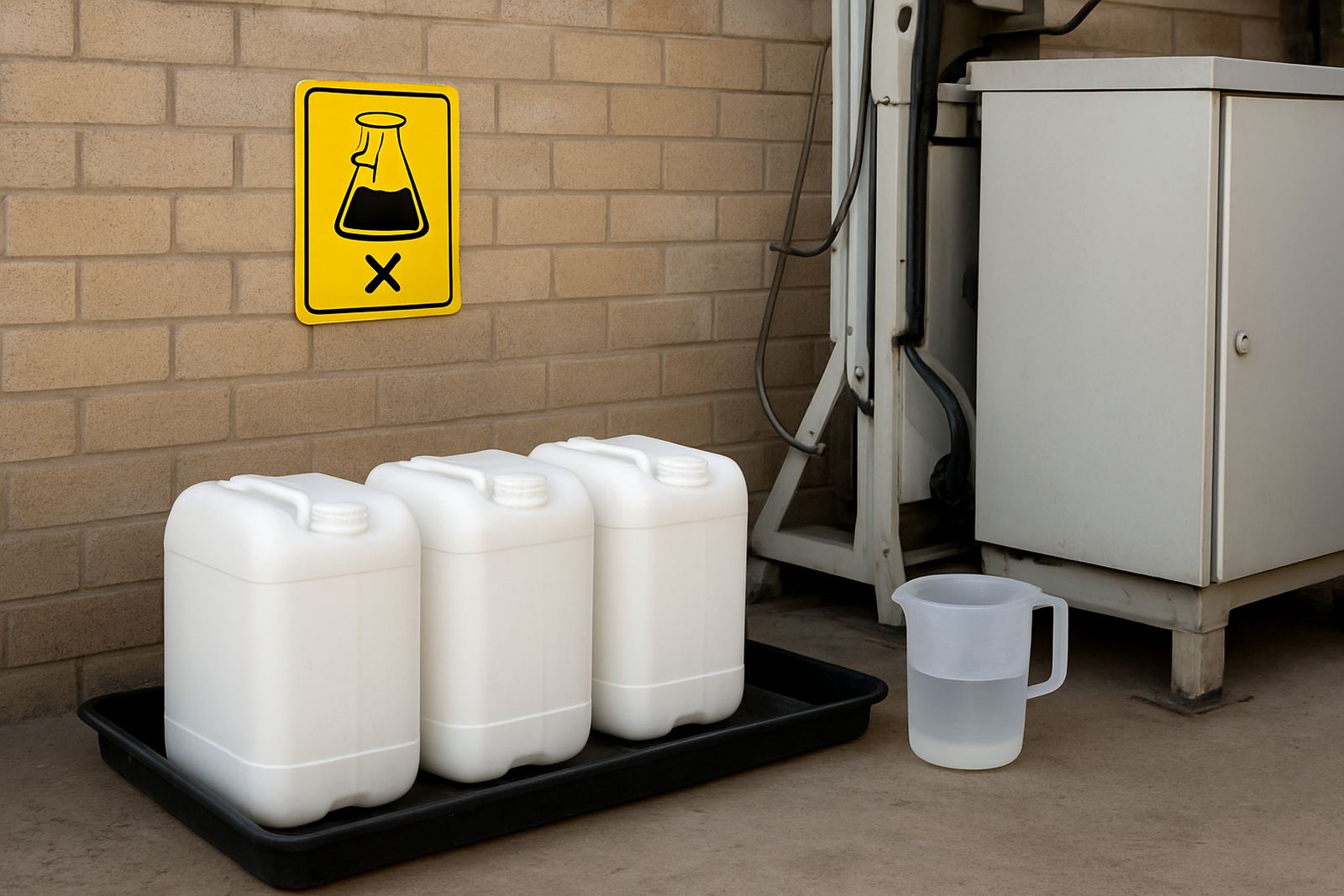
Plate developer itself does not need a separate power supply, but the processor or manual developing line does. Before ordering, check that your processor has the correct temperature control, circulation and replenishment settings for the plate type you run. The chemistry must also sit in a safe, ventilated area with spill control and clear access for operators.
Most plate rooms need normal mains power for the processor, pumps and dryer section where fitted. If your processor stands idle for long periods, it helps to plan restart procedures so chemistry does not sit still for too long in the tank. Gas is not normally required for the developer stage, though some older or specialised lines may have drying or wash sections with separate utility needs.
- Processor power supply should match the machine specification
- Good ventilation and spill handling are needed
- Stable water supply is important for rinse and wash stages
- Restart procedures help after extended idle time
We often advise checking floor space, drain position and chemical storage before delivery. A clean, level area makes servicing easier and keeps the operation neater, which matters when the plate room is close to the main press floor.
Care, Servicing And Bath Control
Plate developer works best when the tank is kept in control and not left to drift. Fresh chemistry should be topped up at the correct rate, sludge should be removed on schedule, and temperature should stay within the working range for the plate. If the bath is too weak or too dirty, development can become uneven and plates may need reworking.
Regular processor servicing makes a noticeable difference. That includes checking pumps, rollers, filters, spray nozzles, heater controls and replenishment lines. On busy sites, it is wise to inspect the line before the start of each shift and again after heavy runs. A small fault ignored early can become a full stop later, and that costs real money.
- Check solution strength and replenishment daily
- Clear sludge at each service rather than letting it collect
- Inspect rollers and spray sections for wear
- Keep records of temperature, usage and plate counts
Our technical support team can assist with chemistry balancing, processor servicing and wash programme checks. That support is useful when operators are training, or when a plant has recently changed plate type and the old settings no longer match.
What To Check Before You Order
Before placing an order, confirm the plate type, processor make-up and the output you need per day. The wrong chemistry strength can waste plates, slow processing or leave marks that show up only after the press starts. It is better to check the basics at the start than to chase faults after production has begun.
Please have the following details ready: plate size range, processor tank capacity, current replenishment method, running temperature, monthly plate count and whether the site uses manual processing or an automatic line. If you are comparing options for branches in Roodepoort, Randburg, Midrand or Pretoria, we can also help line up supply so the stock arrives before it runs out.
- Plate type and size range
- Processor model and tank volume
- Daily or monthly plate usage
- Current bath condition and maintenance history
- Delivery address and preferred supply frequency
Not sure which developer fits? Share your plate and processor details and we will check. It saves time and keeps the plate room moving instead of stopping for trial-and-error.
Key facts
| Product type | Plate developer chemistry for printing plate processing |
|---|---|
| Form | Liquid concentrate or ready-to-use, depending on application |
| Use | Offset plate development and pre-press processing |
| Compatibility | Suitable for CTP plate rooms and controlled manual lines |
| Supply format | Case quantities, drums and bulk supply planning |
| Support | Chemistry balancing, processor servicing and production troubleshooting |